
Main Courses
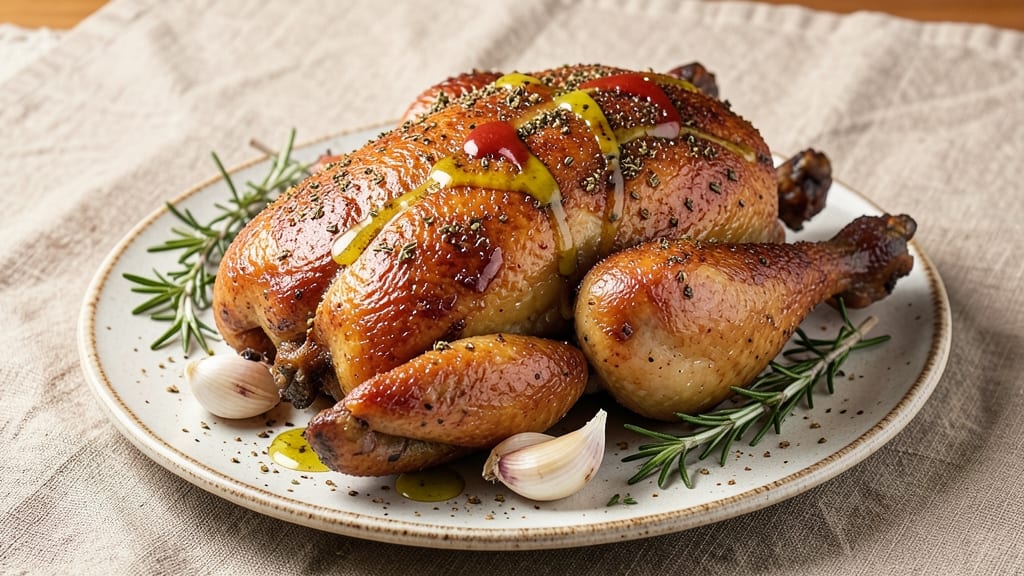
This African roast chicken recipe transforms simple ingredients into a dish that carries the bold flavors of North African kitchens—where za'atar’s earthy warmth meets the golden crunch of crispy skin.
The secret lies in a foil-sealed roasting technique that locks in juices while creating a caramelized crust, inspired by traditional methods that elevate humble ingredients into something extraordinary.
What sets this apart is the balance: tender meat that practically melts in your mouth, paired with the nutty, citrusy punch of za'atar that lingers long after the last bite.
Unlike conventional roasting methods, this technique uses a foil tent to trap steam and moisture, ensuring every bite stays succulent while the skin achieves that coveted crispiness.
The marinade—a blend of za'atar, garlic, and lemon—infuses the chicken with layers of flavor that build as it roasts, creating a dish that’s as aromatic as it is satisfying.
Perfect for gatherings or a special weeknight dinner, this recipe delivers restaurant-quality results with minimal effort, making it a standout for anyone eager to explore African cuisine.
The result is a chicken so flavorful it becomes the centerpiece of any meal—juicy, aromatic, and impossible to resist. The foil-sealed method guarantees tender meat without drying, while the za'atar crust adds a textural contrast that’s both satisfying and visually striking.
Whether served with couscous, roasted vegetables, or crusty bread, this dish promises to transport your taste buds straight to the bustling markets of North Africa.
Ready to elevate your roast chicken game? This method is foolproof, with clear steps and professional techniques that yield impressive results every time. Let’s get started on a dish that’s as rewarding to make as it is to eat.
Ingredients for african roast chicken
The backbone of this North African masterpiece: aromatic spices, tender chicken, and the secret foil technique.
| Ingredient | Amount | Notes |
|---|---|---|
| Whole Chicken 🍗 | 4 lb | Bone-in, skin-on preferred for crispiness |
| Za'atar Spice Blend 🌶️ | ¼ cup | Authentic Middle Eastern blend |
| Extra-Virgin Olive Oil 🫒 | ¼ cup | High-quality, fruity variety |
| Garlic Cloves 🧄 | 6 cloves | Freshly minced for maximum flavor |
| Lemon Juice 🍋 | ⅛ cup | Freshly squeezed, seeds removed |
| Fresh Rosemary 🌿 | 1 tbsp | Chopped, stems removed |
| Salt 🧂 | 1 ½ tsp | Diamond Crystal kosher salt |
| Ground Black Pepper 🌶️ | 1 tsp | Freshly cracked preferred |
| Heavy Cream 🥛 | ¼ cup | For basting under foil |
| Aluminum Foil 📄 | 1 sheet | Heavy-duty for sealing |
| Fresh Thyme 🌿 | 1 tbsp | Leaves only, chopped |
| Cumin Seeds 🌿 | 1 tsp | Toasted lightly for aroma |
Za'atar is the soul of this dish, so source authentic blends from specialty stores like Whole Foods or Middle Eastern markets—avoid generic 'Middle Eastern seasoning' mixes. The chicken should be bone-in and skin-on for optimal texture; Cornish Cross or heritage breeds work best. For the olive oil, California Extra Virgin brands like Corto or Lucini elevate the flavor without overpowering. Toast your cumin seeds in a dry pan for 30 seconds before grinding—their nutty aroma deepens the za'atar's complexity. Fresh herbs are non-negotiable; Trader Joe's often carries high-quality thyme and rosemary at reasonable prices.
No za'atar? Substitute 2 tbsp each of dried oregano, sesame seeds, and sumac for a similar earthy profile. Short on heavy cream? Whole milk works in a pinch, though texture will differ slightly. The foil sealing technique demands heavy-duty aluminum foil—regular foil tears under the chicken's weight. For garlic lovers, double the amount (up to 8 cloves) if you prefer intense flavor. The lemon juice can be substituted with orange juice for a brighter twist, though traditionalists may prefer the classic citrus. Always use freshly cracked black pepper; pre-ground loses potency within weeks.
Store any leftover za'atar blend in an airtight container away from light for up to 3 months. The roasted chicken reheats beautifully—450°F for 10 minutes restores crispiness. For meal prep, portion into individual containers with a side of couscous or roasted vegetables. The foil-sealed method creates excess moisture during roasting; drain off any accumulated juices before storing to maintain texture. Fresh herbs should be wrapped in damp paper towels and refrigerated for up to 5 days—they're worth the extra effort for this recipe's aromatic profile.
Why You'll Love This Recipe
- One-Pan Magic: I swear by this—just a whole chicken, za’atar, and olive oil. No chopping veggies or managing multiple pans. The oven does all the work while I sip tea.
- Crispy-Savory Perfection: That za’atar crust? Chef’s kiss. The garlic and lemon cut through the richness, leaving you with golden skin and juicy meat that tastes like a North African market.
- Weeknight Crowd Pleaser: Between us, this feeds six for under $15 and still feels special. My in-laws think it’s restaurant-quality, but I’m keeping the secret simple.
- Leftovers That Don’t Suck: Cold chicken salad? Yes. Wraps? Even better. The flavors deepen overnight, and I always have backup for lazy days. (No sad, dry chicken here.)
Step-by-step instructions for African roast chicken
Master the perfect balance of za'atar crunch and juicy tenderness with this foolproof method.
Prepare and Season the Chicken
Remove the whole chicken from its packaging and place it on a wire rack set inside a rimmed baking sheet. Pat the chicken completely dry with paper towels, pressing firmly to remove all moisture from the skin and cavity. This step is crucial for achieving that signature crispy skin we're after.
In a small bowl, combine the 0.25 cup za'atar spice blend, 1.5 tsp salt, 1 tsp ground black pepper, and 1 tsp cumin seeds. Toast the cumin seeds in a dry skillet over medium heat for 30 seconds until fragrant, then cool slightly. Rub this mixture all over the chicken, including inside the cavity. Then, in a separate small bowl, mix the 0.25 cup extra-virgin olive oil with the 0.125 cup lemon juice, 1 tbsp fresh rosemary, and 1 tbsp fresh thyme. Brush this aromatic oil mixture generously over the chicken, ensuring every inch is coated. Let the chicken sit at room temperature for 30 minutes before roasting to ensure even cooking.
Roast Until Golden and Crisp
Preheat your oven to 425°F. Place the prepared chicken in the center rack of the oven and roast for 20 minutes. This initial high-heat phase is essential for developing that beautiful golden-brown crust and crispy skin. After 20 minutes, check the skin—it should be deeply golden and beginning to crisp in spots. If it's not yet golden, continue roasting for another 5-10 minutes until it reaches that perfect crunch.
While the chicken roasts, toast the 6 cloves garlic in a dry skillet over medium heat for 1-2 minutes until fragrant but not browned. Set aside to cool slightly. This step enhances the garlic's flavor and prevents it from burning during the final basting.
Foil-Seal for Juicy Perfection
After the initial roasting, reduce the oven temperature to 375°F. Carefully remove the chicken from the oven and place it on a cutting board. Using kitchen shears or a sharp knife, cut a large piece of the aluminum foil to create a double-layered sheet. Place the chicken on the foil, skin-side up, and gently pour the 0.25 cup heavy cream into the cavity. The cream will baste the chicken as it cooks, ensuring unparalleled juiciness.
Tuck the foil around the chicken to create a tight seal, ensuring no steam can escape. Return the foil-sealed chicken to the oven and roast for an additional 45-50 minutes, or until the internal temperature reaches 165°F when measured in the thickest part of the thigh. The foil trap ensures the chicken stays moist while continuing to cook through evenly. Avoid opening the oven during this time to maintain consistent heat and prevent the skin from drying out.
Rest and Serve
Once the chicken reaches the proper internal temperature, remove it from the oven and let it rest on the cutting board for 15-20 minutes. This resting period is critical—it allows the juices to redistribute throughout the meat, ensuring every bite is succulent. While the chicken rests, use a sharp knife to carefully open the foil and discard it. The aroma will be intoxicating, a perfect blend of za'atar, garlic, and citrus.
Slice the chicken into serving pieces, starting with the legs and thighs, then the breasts. Arrange the slices on a warm platter, drizzle with any accumulated pan juices, and garnish with the toasted garlic cloves and any remaining fresh herbs. Serve immediately, accompanied by a simple salad or crusty bread to soak up the delicious juices. The result is a harmonious balance of crispy, aromatic skin and tender, juicy meat—pure African roast chicken perfection.
Pro Tips For Making African Roast Chicken
- Pat the Chicken Dry: Za’atar sticks to wet skin like glue—no one wants a soggy, flavorless crust. Grab paper towels and really work that chicken, especially under the wings and thighs where moisture hides. This isn’t just about dryness; it’s about letting that olive oil cling properly so the za’atar caramelizes into a proper crust.
- Roast at 425°F First: Start blistering hot to render fat and brown the skin fast—this is where the za’atar flavor wakes up. After 20 minutes, drop to 375°F to cook through evenly. I used to skip this step and ended up with a chicken that tasted good but looked dull. The high heat makes all the difference for that smoky, toasted za’atar aroma.
- Stuff Garlic Under the Skin: Don’t just rub garlic on top—slip whole cloves under the skin near the breast and thighs. They’ll infuse the meat directly while roasting, giving you that deep, aromatic punch without overpowering the za’atar. (Yes, even if you’re impatient like me—just be gentle with the skin.)
- Rest Before Carving: The moment you pull that chicken from the oven, tent it with foil and let it sit for 10 minutes. This keeps the juices from pooling out when you slice into it. I learned this the hard way after serving a chicken that was dry on the inside—now I never skip it, even when guests are staring at the clock.
Pro cooking tips for this recipe
Za'atar Crust Secrets
The key to that irresistible crunch lies in the za'atar marinade's double duty—it's not just seasoning, it's armor. After coating the chicken, let it sit uncovered at room temperature for 30 minutes before roasting.
This allows the spices to adhere deeply to the skin, creating a flavor lock that intensifies during roasting. I like to use Whole Foods 365 za'atar blend—it has the perfect balance of sesame seeds, sumac, and oregano.
For extra crunch, sprinkle an additional 1 tbsp za'atar directly on the skin before the final 20-minute crisping phase. 🌶️
Foil-Seal Technique
This isn't just any foil wrap—it's a moisture trap that transforms ordinary roast chicken into a juicy masterpiece. The heavy cream poured into the cavity during sealing does double duty: it bastes the chicken internally while creating a steam chamber that keeps the meat tender. Use double-layered heavy-duty foil (like Reynolds Kitchen Double Foil) to prevent leaks. When sealing,
Temperature Control
Your oven's temperature accuracy makes all the difference here. I recommend calibrating your oven before starting—most home ovens run 25°F hotter than set. For this recipe, the initial 425°F phase develops that golden crust through the Maillard reaction, while the 375°F finish ensures even doneness. Use an instant-read thermometer (I swear by the Thermoworks ThermoPop) to check the thigh's internal temperature—it should read 165°F before removing from the oven. Never guess; chicken left too long in the oven becomes dry, even with our foolproof method. 🌡️
Garlic Toasting Hack
This simple step elevates the dish from good to extraordinary. Toasting the garlic cloves in a dry skillet for just 1-2 minutes until fragrant (but not browned) intensifies their sweetness and prevents them from burning during the final basting.
The toasted cloves add a nutty depth that complements the za'atar perfectly. I like to crush them slightly with the flat of my knife before adding them to the cavity—this releases more flavor as they cook.
For an extra touch, sprinkle the crushed garlic over the finished chicken before serving. 🧄
Resting Period
This is where many home cooks make their biggest mistake—skipping the rest. After removing the chicken from the oven, let it rest for a full 15-20 minutes before carving. This allows the juices to redistribute from the muscles back into the meat, ensuring each bite is moist and flavorful.
During this time, the chicken's internal temperature will rise another 5-10°F, so don't be tempted to cut into it early. I like to tent the chicken loosely with foil during resting to keep it warm while it finishes carrying over. 💪
Basting Timing
The heavy cream basting happens automatically thanks to our foil-seal technique, but you can enhance it further. Every 15 minutes during the foil-sealed phase, carefully open one corner of the foil and spoon a little extra cream over the chicken. This ensures even basting and prevents any dry spots.
For extra richness, I sometimes add 1 tbsp melted butter to the cream before pouring it into the cavity. The result is a chicken that's not just juicy, but downright decadent. 🥛
Nutrition facts
Frequently asked questions
Can I use bone-in, skin-on chicken thighs instead of a whole chicken?
For 4 bone-in, skin-on thighs, reduce the za'atar to 2 tbsp and the olive oil to 3 tbsp. Roast at 425°F for 15 minutes uncovered, then foil-seal with 0.125 cup heavy cream and cook at 375°F for 30-35 minutes until the internal temperature reaches 165°F. The skin will crisp beautifully with this adjustment.
What can I substitute if I don't have za'atar?
Create your own blend with 2 tbsp dried oregano, 1 tbsp sesame seeds, 1 tbsp sumac, and 1 tsp ground cumin. For extra crunch, toast the sesame seeds in a dry pan for 1 minute before mixing. This combo captures za'atar's earthy, nutty essence while keeping the recipe authentic.
Why does the foil-seal technique matter for juiciness?
The foil creates a steam chamber that traps moisture inside while the heavy cream bastes the chicken continuously. Without it, the chicken would dry out at 375°F—this method guarantees tender meat with crispy skin. Think of it as a self-basting oven! The sealed environment also intensifies the za'atar flavor by keeping aromatic compounds close to the meat.
How far ahead can I marinate the chicken?
For maximum flavor, marinate for up to 12 hours in the refrigerator. Store the chicken in an airtight container with the za'atar mixture and olive oil. Bring to room temperature for 30 minutes before roasting. The longer marinating time deepens the spice penetration, but never exceed 24 hours to prevent the meat from becoming mushy.
What sides pair best with this African roast chicken?
Classic pairings include fluffy couscous or Moroccan-style carrot salad with preserved lemon. For heartier meals, serve with garlic mashed potatoes or roasted sweet potatoes. The za'atar's citrusy notes complement fresh greens like arugula with orange vinaigrette. Save the pan juices to drizzle over sides for extra flavor!