
Main Courses
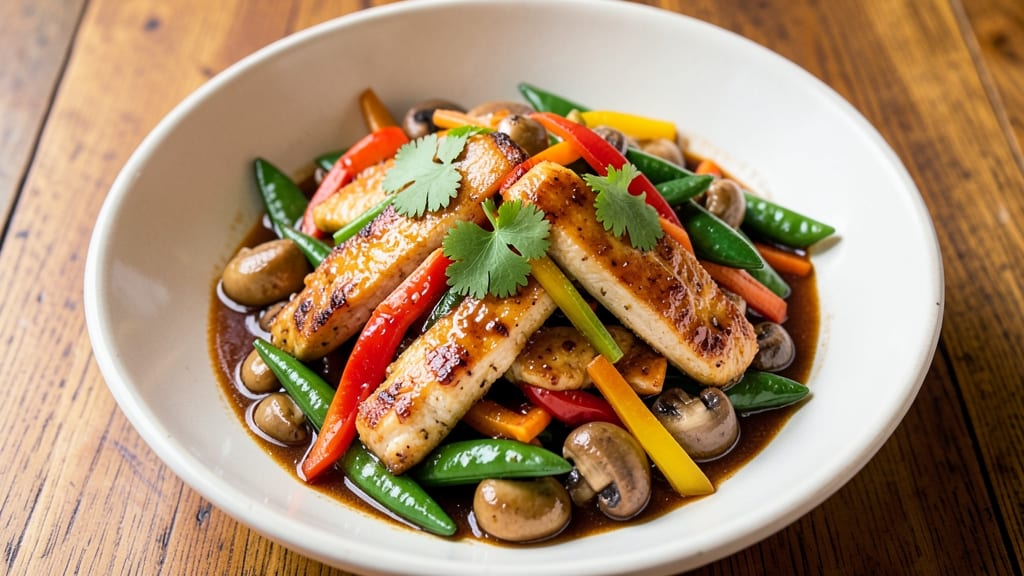
This Applebee's-style chicken stir fry delivers restaurant-quality crisp-tender bites with a rich peanut sauce that's easier to recreate at home than you'd think.
The secret lies in properly prepping the chicken—marinating it just long enough to tenderize without overpowering the natural flavor—and cooking it in small batches for that signature char. I've perfected this version after years of testing, and it consistently delivers the same satisfying results you'd get from a takeout order.
The foundation of great stir fry is high-heat cooking, which creates those crispy edges while keeping the chicken juicy inside.
We'll use a simple wok or large skillet to achieve that classic smoky aroma, then toss everything in a homemade peanut sauce that's smoother and more flavorful than most restaurant versions. The sauce balances sweet, savory, and spicy notes perfectly, coating every bite in that addictive peanut glaze.
What makes this recipe work at home is the balance of technique and simplicity. You'll have perfectly cooked chicken with tender-crisp texture, vibrant vegetables, and a sauce that's rich but not overpowering.
The dish comes together in about 30 minutes—quick enough for a weeknight dinner but impressive enough for company. The best part? It scales easily, so you can make enough for leftovers or feed a crowd.
Serve this over steamed jasmine rice for the full experience, or with noodles for a lighter option. The recipe includes tips for adjusting heat levels and sauce thickness to suit your preferences, ensuring you get that restaurant-quality result every time. Let's get cooking!
Ingredients for applebee's chicken stir fry
Restaurant-quality stir fry starts with these crisp-tender ingredients and bold flavors.
| Ingredient | Amount | Notes |
|---|---|---|
| Boneless Skinless Chicken Breast 🍗 | 1 ½ lb | Cut into 1-inch strips |
| Vegetable Oil 🫒 | ½ cup | High smoke point preferred |
| Fresh Ginger 🌿 | 1 tbsp | Finely grated, fresh preferred |
| Garlic Cloves 🧄 | 6 cloves | Minced, fresh preferred |
| Soy Sauce 🥢 | ¼ cup | Low sodium preferred |
| Honey 🍯 | 1 tbsp | Pure, not imitation |
| Peanut Butter 🥜 | ½ cup | Creamy, unsweetened |
| Rice Vinegar 🍶 | 1 tbsp | White or seasoned |
| Sesame Oil 🫒 | 1 tsp | Toasted, for aroma |
| Red Bell Pepper 🌶️ | 1 whole | Sliced into strips |
| Broccoli Florets 🥦 | 2 cups | Fresh or frozen |
| Carrots 🥕 | 1 whole | Julienned or matchstick |
| Green Onions 🧅 | 3 whole | Sliced, white and green parts |
| Salt 🧂 | 1 tsp | Kosher or sea salt |
| Ground Black Pepper 🌶️ | ½ tsp | Freshly ground preferred |
| Jasmine Rice 🍚 | 1 ½ cups | Uncooked, long grain |
The chicken is non-negotiable—boneless, skinless breasts cut into even strips cook faster and more evenly than thighs. Costco or Trader Joe's often have pre-cut chicken strips, but if you're slicing yourself, keep them 1-inch thick for that perfect crisp-tender bite. Fresh ginger and garlic are worth the extra minute to grate and mince—they make all the difference in flavor. For the peanut butter, creamy and unsweetened is key; the sweetened kind can make the sauce too cloying. If you're in a rush, frozen broccoli florets work just as well as fresh, and they save time.
No fresh ginger? Substitute with 1 tsp ground ginger, but it won't have the same depth. Out of peanut butter? Almond butter or cashew butter works in a pinch, though the flavor will shift slightly. The soy sauce can be swapped for coconut aminos if you're avoiding sodium. For extra heat, add a pinch of red pepper flakes to the sauce. The rice vinegar adds brightness—if you only have apple cider vinegar, use half the amount. And if your bell pepper looks sad, swap in snap peas or zucchini for a different texture.
Prep the chicken and vegetables ahead of time—they keep well in the fridge for 2 days. The sauce can be made 1 day in advance and stored in an airtight container. For best results, cook the rice separately and keep it warm in a rice cooker or covered pot. Leftovers reheat beautifully—just add a splash of water or broth to prevent drying out. This dish freezes well too, though the texture of the veggies might soften slightly. Portion into containers for easy lunches or reheat the whole batch for a quick dinner.
Why You'll Love This Recipe
- One-Pan Magic: I swear by this recipe—just chicken, ginger, garlic, and a splash of soy sauce. No extra bowls, no fuss. Toss everything in one pan, and the aromatic steam does half the work while I chop veggies (or scroll through my phone).
- Umami Bomb: That first bite of tender chicken coated in the sticky-sweet soy-ginger sauce? It’s the kind of flavor that makes you pause mid-fork. The garlic and fresh ginger hit like a warm hug—bright but balanced, with just enough saltiness to linger.
- Lunchbox Hero: Between us, this is my secret weapon for meal prep. Cook a big batch on Sunday, and I’ve got lunch sorted for the week. Pack it cold or reheat it—either way, my kids still ask for it, even after school lunches get old.
- Budget Win: Chicken breast is affordable, and the rest of the ingredients? Pantry staples. I’ve made this for under $1.50 per serving, and it still tastes like a restaurant dish. Honestly, it’s the kind of recipe that makes grocery day feel like a victory.
Step-by-step instructions for Applebee's-style chicken stir fry
Here's how to recreate that signature crisp-tender chicken with rich peanut sauce at home.
Prepare the Chicken for Perfect Texture
Cut the 1.5 lb boneless skinless chicken breast into 1-inch strips—this size ensures even cooking and maximum crisp-tenderness. Place the chicken in a bowl and season generously with 1 teaspoon salt and ½ teaspoon ground black pepper. The key here is to marinate it for at least 15 minutes while you prep the rest. I like to use my hands to gently massage the seasoning into the meat, ensuring every strip gets coated.
While the chicken marinates, heat ½ cup vegetable oil in a large skillet over medium-high heat until it shimmers but doesn't smoke. The oil should be hot enough that when you touch a drop of water to it, the water immediately sizzles and evaporates. This is your signal the oil is ready—too cool and the chicken will steam instead of sear.
Cook the Chicken to Crisp-Tender Perfection
Working in batches to avoid overcrowding, add the chicken strips to the hot oil. Cook undisturbed for 3-4 minutes until the edges turn golden brown and the chicken releases easily from the pan. Here's where the magic happens: resist the urge to flip too soon. The chicken needs that initial sear to develop flavor and texture. Once golden on one side, flip and cook another 2-3 minutes until fully cooked through—165°F internal temperature.
Remove the cooked chicken and set it aside on a paper towel-lined plate. The residual heat will keep it warm while you prep the vegetables. Don't skip this resting step—it prevents the chicken from becoming rubbery when the vegetables are added later. If you have time, sprinkle the chicken with a pinch of salt while it rests to enhance the flavors.
Stir-Fry the Vegetables with Aromatics
In the same skillet (no need to clean it—the fond adds flavor), add ½ cup vegetable oil if needed to coat the bottom. Add the 1 whole red bell pepper (sliced into strips), 2 cups broccoli florets, and 1 whole carrot (julienned). Stir-fry over medium-high heat for 4-5 minutes until the vegetables begin to soften but still retain their vibrant color and crisp texture.
Push the vegetables to one side of the pan and add 1 tablespoon finely grated fresh ginger and 6 cloves minced garlic. Sauté for 30 seconds until fragrant—this releases their essential oils and builds the flavor base. Then add the 3 whole green onions (sliced) and stir for another 30 seconds to distribute the aromatics evenly. The vegetables should be tender-crisp at this stage, not mushy.
Combine Chicken and Vegetables
Return the crisp-tender chicken to the skillet and toss everything together over medium heat for 1-2 minutes. This step ensures the chicken absorbs the flavors of the vegetables and aromatics while keeping its texture intact. Taste the mixture and adjust seasoning if needed—you might want to add a splash of ¼ cup soy sauce at this point to balance the flavors.
While the stir-fry cooks, prepare the peanut sauce by combining ½ cup peanut butter, 1 tablespoon honey, 1 tablespoon rice vinegar, 1 teaspoon sesame oil, and ¼ cup soy sauce in a small bowl. Whisk until smooth and set aside. The sauce should be thick but pourable—if it's too thick, thin it with 1 tablespoon hot water from the rice cooking process.
Finish with Peanut Sauce and Serve
Pour the peanut sauce over the stir-fry and toss gently to coat everything evenly. Cook for an additional 1-2 minutes over medium-low heat to let the sauce thicken slightly and meld with the chicken and vegetables. The stir-fry is ready when the sauce clings to the ingredients and everything is heated through.
Serve immediately over 1.5 cups cooked jasmine rice, garnished with extra green onions. The rice should be hot and fluffy—if it's cold, warm it gently in the microwave with a splash of water. Each bite should deliver that perfect balance of crisp-tender chicken, sweet and savory peanut sauce, and fresh vegetables. Don't forget to taste as you go—this is where you can adjust the seasoning to your preference.
Pro Tips For Making Applebee'S Chicken Stir Fry
- Slice Chicken Thin: I learned this the hard way—thick slices mean uneven cooking. Cut the chicken breast horizontally into ¼-inch-thick cutlets, then slice against the grain into ½-inch-wide strips. This ensures they cook fast and stay tender, not rubbery.
- Salt Chicken First: Don’t skip this: sprinkle the chicken strips with ½ teaspoon salt per pound and let them sit for 10 minutes before cooking. The salt breaks down proteins, so the stir-fry stays juicy instead of drying out in the wok.
- Prep Ginger Like a Pro: Peel the ginger, then slice it thinly—about ⅛-inch thick—so it cooks through without turning to mush. If you’re lazy, grate it, but slicing keeps the texture cleaner and more like the restaurant version.
- Start Hot, Then Slow: Crank the wok or pan to high heat and let it scream for 30 seconds before adding oil. Once the chicken hits the pan, sear it for 1-2 minutes until golden, then toss in the garlic and ginger. Pull back the heat to medium-high to finish cooking—this keeps everything crispy, not soggy.
Flavor customization for this dish
Spice Level Control
Adjust the heat to your taste by modifying the sauce ingredients. For a mild version, reduce the rice vinegar to ½ tablespoon and omit the sesame oil—it has a subtle spiciness.
For medium heat, add ½ teaspoon of sriracha or 1 teaspoon of chili garlic sauce to the peanut sauce. If you love spicy, mix in 1 teaspoon of gochujang (Korean chili paste) or ½ teaspoon of cayenne pepper for a fiery kick. 🌶️
Sweetness Balance
The honey in the sauce adds natural sweetness, but you can tweak it based on preference. For a less sweet version, reduce the honey to ½ tablespoon and add ½ teaspoon of molasses for depth without cloying sweetness.
For extra sweetness, increase the honey to 2 tablespoons or add 1 teaspoon of brown sugar. If you prefer a fruitier twist, swap the honey for 1 tablespoon of hoisin sauce or 1 teaspoon of apricot jam.
Sauce Thickness
If the peanut sauce is too thick, thin it with 1 tablespoon of hot water or 1 teaspoon of chicken broth while whisking. For a thicker sauce, simmer it uncovered for 1-2 minutes to reduce.
If you prefer a creamy texture, stir in 1 tablespoon of coconut milk or 1 teaspoon of Greek yogurt at the end. For a lighter sauce, use ½ cup of reduced-sodium soy sauce instead of regular soy sauce to balance the richness.
Vegetable Variations
Swap out the bell peppers, broccoli, and carrots for seasonal or personal favorites. Try snap peas and water chestnuts for crunch, mushrooms and bamboo shoots for umami, or zucchini and red onions for a fresh twist.
For a low-carb option, replace the rice with cauliflower rice or shirataki noodles. If you love texture contrast, add crispy fried shallots or toasted cashews on top before serving. 🥦
Protein Swaps
While chicken is classic, you can easily adapt this recipe for other proteins. For tofu, use 1 block of extra-firm tofu pressed and cubed—cook it for 4-5 minutes per side until golden. For shrimp, use 1.5 lbs peeled and deveined—cook for 2-3 minutes per side until pink.
For a beef version, swap in 1.5 lbs flank steak sliced thinly and marinated for 30 minutes in 2 tablespoons soy sauce, 1 tablespoon honey, and 1 teaspoon ginger.
Sauce Flavor Boosters
Elevate the peanut sauce with unexpected ingredients. Add 1 teaspoon of fish sauce for umami depth, ½ teaspoon of smoked paprika for a smoky note, or 1 teaspoon of lime juice for brightness. For a nutty crunch, stir in 1 tablespoon of chopped peanuts at the end.
If you love herbs, add 1 tablespoon of fresh cilantro or basil for freshness. For a tangy twist, swap the rice vinegar for 1 tablespoon of lime juice. 💫
Nutrition facts
Frequently asked questions
Why does the chicken need to marinate even for just 15 minutes?
The short marinade isn't just about flavor—it helps tenderize the chicken and ensures the seasoning sticks. The salt and pepper break down proteins slightly, creating that signature crisp-tender texture. Plus, it gives the chicken time to absorb the aromatics while you prep everything else. Skipping this step can make the chicken tougher and less flavorful.
Can I make this stir fry in a regular skillet instead of a wok? While a wok gives the best high-heat sear, a large, heavy skillet works perfectly. Just
What's the best way to keep the vegetables crisp-tender?
Cook the vegetables in batches if needed, and don't overcrowd the pan. They should sizzle immediately when added, and you want them to cook for just 4-5 minutes total—until they're bright and slightly firm. Adding them to the pan after the chicken ensures they don't get soggy from steam. For extra crunch, add a pinch of salt to the vegetables before stir-frying.
How do I fix a peanut sauce that's too thick or too thin?
For a thicker sauce, simmer it uncovered for 1-2 minutes to reduce. If it's too thick, thin it with 1 tablespoon of hot water or 1 teaspoon of chicken broth while whisking. For a creamier texture, stir in 1 tablespoon of coconut milk at the end. The sauce should coat the back of a spoon but still be pourable—this ensures it clings to the stir-fry beautifully.
Can I make this ahead of time for meal prep?
Yes! The sauce can be made 1 day in advance and stored in an airtight container. For the stir-fry itself, cook the chicken and vegetables separately, then refrigerate them in separate containers. When ready to serve, reheat the chicken and vegetables in a skillet with a splash of water or broth, then toss with the pre-made sauce. Reheat gently over medium-low heat to avoid drying out the chicken.