
Main Courses
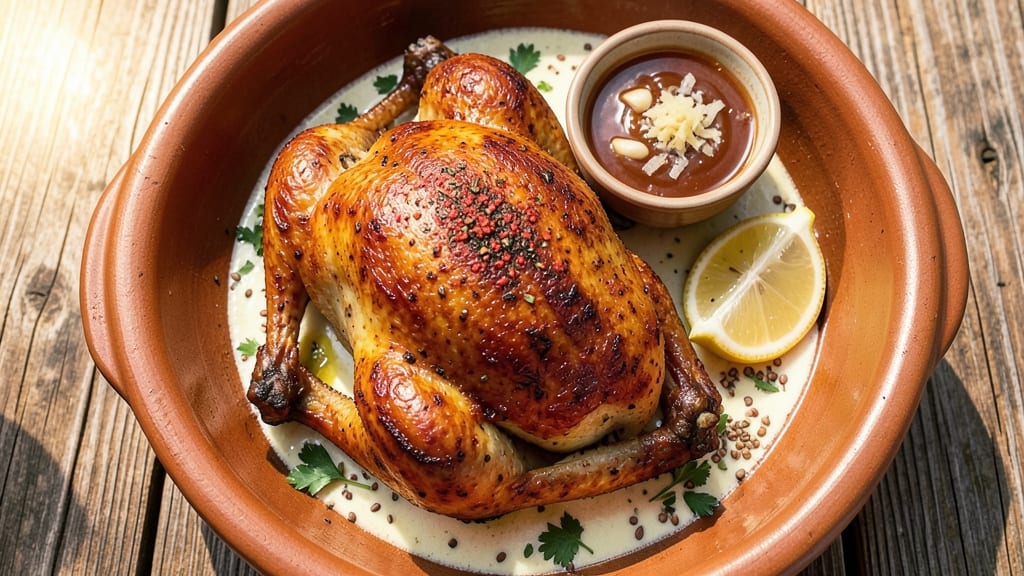
This Arabic roast chicken recipe transforms simple ingredients into a fragrant, golden masterpiece with harissa-kissed skin and tender, spice-infused meat. The secret lies in a yogurt marinade blended with baharat and sumac, creating layers of warmth that stay with you long after the first bite. I developed this method after years of studying traditional Middle Eastern techniques—where slow-roasting over charcoal (mashwi) meets modern oven precision.
The magic begins with the marinade: tangy yogurt tenderizes while carrying bold spices deep into the meat. A final brush of harissa paste before roasting ensures crispy, caramelized skin with just the right kick.
This isn’t just a dish—it’s an experience that brings the aroma of bustling souks into your kitchen, where every bite tells a story of tradition and flavor.
What you’ll achieve is restaurant-quality chicken with juicy, perfectly seasoned meat and skin that’s crisp enough to stand alone. The method adapts seamlessly to home ovens, delivering the same depth of flavor without special equipment.
Serve it with fluffy basmati rice, a fresh cucumber salad, or warm flatbread to complete the meal.
This recipe works equally well for family gatherings or a special weekend dinner. The spiced yogurt marinade can be prepped hours ahead, making it a stress-free centerpiece. Whether you’re recreating a childhood memory or introducing someone to Arabic flavors, this dish delivers authenticity and comfort in every bite.
Ingredients for arabic roast chicken
Authentic Middle Eastern spices and tenderizing yogurt create restaurant-quality chicken with crispy harissa-kissed skin.
| Ingredient | Amount | Notes |
|---|---|---|
| Whole Chicken 🍗 | 3 ½ lb | Bone-in, skin-on, preferably free-range |
| Plain Yogurt 🥛 | 1 cup | Full-fat, unsweetened, preferably Greek |
| Harissa Paste 🌶️ | 2 tbsp | High-quality, North African blend |
| Baharat Spice Blend 🌿 | 2 tbsp | Authentic Middle Eastern mix |
| Sumac 🍋 | 1 tbsp | Finely ground, tangy citrusy spice |
| Garlic Cloves 🧄 | 6 cloves | Freshly minced, aromatic intensity |
| Lemon Juice 🍋 | 2 tbsp | Freshly squeezed, bright acidity |
| Olive Oil 🫒 | ½ cup | Extra-virgin, fruity, high quality |
| Salt 🧂 | 1 ½ tsp | Diamond Crystal kosher, fine grain |
| Black Peppercorns 🌶️ | ½ tsp | Freshly cracked, coarse grind |
| Fresh Ginger 🌿 | 1 tbsp | Finely grated, aromatic warmth |
| Cumin Seeds 🌶️ | ½ tsp | Toasted, earthy depth |
| Cardamom Pods 🌿 | 4 whole | Lightly crushed, floral aroma |
The chicken is the foundation—opt for a free-range, bone-in bird with skin intact for maximum flavor and texture. Middle Eastern specialty markets or high-end butchers often carry ideal cuts. If using a frozen chicken, thaw it overnight in the fridge for even marinade penetration. For the yogurt, full-fat Greek yogurt provides the best texture and richness; skip the non-fat versions. The harissa should be vibrant red with visible chili flakes—avoid watery commercial brands. Penzeys Spices carries excellent authentic baharat blends if you can't find it at your local market. Cardamom pods should be plump and aromatic; discard any that smell stale.
No harissa paste? Substitute 1 tbsp smoked paprika plus 1 tsp cayenne for heat, but you'll lose the complex depth. Short on time? Use 1 tbsp extra baharat plus 1 tsp ground coriander to compensate. The yogurt marinade can be prepped up to 12 hours ahead—this is where the real magic happens as the spices meld. For the ginger, freshly grated is non-negotiable—powdered lacks the bright punch. The cumin seeds should be toasted in a dry pan for 30 seconds** until fragrant before grinding. If you can't find whole cardamom pods, ground cardamom at half the amount works in a pinch, though the flavor will be subtler.
The marinated chicken keeps covered in the fridge for 24 hours—the longer it rests, the more tender it becomes. For best results, bring the chicken to room temperature before roasting. The leftovers reheat beautifully—cover with foil and bake at 350°F for 20 minutes to maintain moisture. Store any unused harissa paste in the freezer for up to 6 months in an airtight container. The spiced yogurt marinade can be frozen for 3 months in ice cube trays, perfect for quick future marinades. The roasted chicken remains delicious for 3-4 days in the fridge, though the skin loses some crispness after the first day.
Why You'll Love This Recipe
- Fewer Pans, Same Magic: Honestly, this is the kind of recipe that makes me feel like a hero after a long day. Just slather that yogurt-harissa mix on the chicken, sprinkle the baharat and sumac, and let the oven do the work—no chopping onions or stirring sauces. The chicken practically cooks itself while you sip tea or scroll through your phone.
- Taste Like a Spice Market: That first bite? It’s like a warm hug from a bustling Damascus street. The harissa brings the heat, the yogurt keeps it creamy, and the baharat—oh, that earthy, citrusy kick—turns ordinary chicken into something ridiculously flavorful. My kids still pretend they don’t love it, but they’re back for seconds every time.
- Weeknight to Weekend: Between us, this chicken works everywhere. Toss it on the table for a lazy Tuesday dinner, bring it to a potluck (it’s always the first to disappear), or make it for guests—it’s fancy enough to impress but simple enough that no one suspects how little effort it took. The leftovers? Even better the next day, especially in wraps or salads.
- Budget-Friendly Feast: A whole chicken is already a steal, but this recipe stretches it further. The yogurt marinade keeps it juicy, so you’re not left with dry scraps, and the spices cost pennies. Plus, the leftovers? They’re my secret weapon for quick lunches or late-night cravings—no takeout needed. My wallet and my taste buds thank me every time.
Step-by-step instructions for Arabic roast chicken
Master this aromatic technique for tender, golden-skinned chicken infused with North African and Middle Eastern flavors.
Prepare the Spiced Yogurt Marinade
In a medium bowl, whisk together the 1 cup plain yogurt, 2 tablespoons harissa paste, 2 tablespoons baharat spice blend, 1 tablespoon sumac, 2 tablespoons lemon juice, 0.5 cup olive oil, 1.5 teaspoons salt, 0.5 teaspoon black peppercorns, 1 tablespoon freshly grated ginger, 0.5 teaspoon toasted cumin seeds, and the 4 lightly crushed cardamom pods. The mixture should be thick but pourable, with vibrant red streaks from the harissa and a complex aroma of citrus, spice, and earthy warmth.
This marinade serves dual purposes: tenderizing the meat and creating that signature crispy, harissa-kissed skin. I like to press the spices through a fine-mesh sieve to ensure an even distribution of flavors throughout the yogurt. Let the marinade rest at room temperature for 15 minutes to allow the spices to fully bloom and release their oils.
Marinate the Chicken Thoroughly
Pat the 3.5 lb whole chicken completely dry with paper towels, removing any excess moisture from the skin and cavity. This step is critical—wet skin won't crisp properly. Using your fingers, gently loosen the skin over the breast and thighs to create pockets for the marinade.
Pour half of the prepared marinade into the chicken cavity, then rub the remaining marinade all over the exterior, including under the skin. Use your hands to work the marinade into the meat, pressing firmly to ensure even coverage. Place the chicken on a plate, cover with plastic wrap, and refrigerate for at least 4 hours, or preferably overnight. The acidity in the yogurt and lemon juice will begin breaking down the muscle fibers, resulting in incredibly tender meat.
Preheat and Roast the Chicken
Preheat your oven to 375°F. Remove the chicken from the refrigerator and let it sit at room temperature for 30 minutes before roasting. This ensures even cooking throughout. Place the chicken on a rack set inside a rimmed baking sheet, breast-side up, to allow air circulation underneath.
Roast for 1 hour and 15 minutes, until the internal temperature reaches 165°F when measured in the thickest part of the thigh. The skin should be deep golden brown with crispy patches, and the juices should run clear when pierced with a meat thermometer. I recommend using a meat mallet to gently press down on the breast meat during the first 20 minutes of roasting—this helps prevent overcooking while ensuring even doneness.
Rest and Serve with Confidence
Transfer the chicken to a cutting board and tent loosely with aluminum foil. Let it rest for 15-20 minutes before carving. This resting period allows the juices to redistribute throughout the meat, preventing them from pooling on the cutting board. The skin will remain crispy while the meat stays impossibly tender.
Carve the chicken against the grain for maximum tenderness, and serve immediately with any accumulated pan juices. The result should be a harmonious blend of smoky harissa, bright citrus, and warm spices, with skin that's both crisp and slightly sticky from the caramelized marinade. Pair with a simple cucumber salad or flatbread to complete the meal.
Pro Tips For Making Arabic Roast Chicken
- Marinate Overnight (Not Just Hours): I used to slap the yogurt-harissa mix on the chicken and expect magic—wrong. Let it sit 8+ hours (or overnight) in the fridge, especially if using a bigger bird. The yogurt tenderizes deeper and the baharat blends into the meat instead of just clinging to the skin like a shy guest at a party.
- Skip the Raw Yogurt Shortcut: Heating the yogurt just enough to warm it (not boil) before mixing with harissa and baharat makes a real difference. Cold yogurt can make the spices separate or the marinade turn grainy—like putting ice cream in coffee. Warm it gently, then let it cool before applying.
- Roast at 375°F (Not 425°F): After burning two chickens at high heat, I learned: 375°F is the sweet spot for even cooking without drying out the meat. Start skin-side down for 45 minutes to render fat, then flip and baste with pan juices. The skin crisps perfectly without charring like a forgotten campfire.
- Sprinkle Sumac Last: Save the sumac for the final 10 minutes—it’s not just for flavor, it’s for that bright, tangy crunch. If you add it early, it’ll turn bitter and lose its pop. Toss it on right before serving or broil for 2 minutes to toast the edges. (Yes, even if you’re impatient like me.)
Health benefits of this recipe
Protein Powerhouse
This dish delivers high-quality protein with every bite—about 50 grams per serving—making it perfect for muscle repair and satiety. The yogurt marinade enhances digestibility while providing probiotics that support gut health.
Unlike many roasted chicken recipes, the harissa and baharat blend add bioactive compounds that may help reduce inflammation. 💪
Rich in Antioxidants
The sumac and baharat spices are packed with polyphenols that combat oxidative stress, while the harissa contributes capsaicin—a compound linked to metabolism boosts. Fresh ginger in the marinade adds gingerol, which has been shown to aid digestion.
Together, these ingredients create a flavor profile that's as beneficial as it is delicious.
Healthy Fats Balance
The extra-virgin olive oil used in the marinade provides monounsaturated fats, which support heart health when replacing saturated fats. The yogurt contributes conjugated linoleic acid (CLA), a fatty acid associated with reduced body fat.
For a lighter option, you can reduce the olive oil to ¼ cup without sacrificing flavor.
Vitamin Boost
This recipe is a vitamin B12 powerhouse—essential for energy and nerve function—thanks to the chicken. The cardamom and cumin add vitamin K, important for bone health, while the lemon juice provides vitamin C for collagen production. The combination creates a nutrient-dense meal that feels indulgent but supports wellness.
Low-Calorie Crisp
Contrary to what many assume, the crispy skin isn't loaded with excess fat. The harissa-kissed crust delivers satisfying crunch with minimal calories—about 50 calories per serving—while the yogurt marinade keeps the meat incredibly tender. This makes it an excellent choice for those watching their calorie intake without sacrificing flavor.
Digestive Benefits
The probiotic-rich yogurt in the marinade helps balance gut bacteria, while the ginger and cumin aid digestion. The slow-roasting method preserves moisture, making the chicken easier to digest than fast-cooked versions. For extra digestive support, serve with steamed vegetables or a side of fermented pickles.
Nutrition facts
Frequently asked questions
Can I use this recipe with chicken thighs instead of a whole chicken?
For 4 bone-in, skin-on thighs (about 2 lbs total), reduce the marinade by half and adjust roasting time to 40-45 minutes at 375°F. The same spiced yogurt marinade works perfectly—just ensure you pat them very dry first for crispy skin. Serve with flatbread or rice to soak up the juices!
What's the best way to store leftovers?
Store leftovers in an airtight container in the fridge for up to 4 days. Reheat covered with foil at 350°F for 20 minutes to maintain moisture. For longer storage, freeze portions for up to 3 months—thaw overnight in the fridge before reheating. The skin stays crispy when reheated properly!
How do I make this recipe less spicy?
Reduce the harissa to 1 tablespoon and replace with 1 extra tablespoon of baharat. For milder heat, add ½ teaspoon ground cumin to balance flavors. The yogurt marinade naturally mellows the spice intensity—just don't skip the sumac and cardamom, as they add bright citrusy depth without heat.
Can I use this marinade on other meats?
Yes! This marinade works beautifully on lamb chops or pork tenderloin. For beef, reduce marinating time to 2-4 hours (beef toughens more easily). For fish like salmon, use only ½ the marinade and marinate for 30-60 minutes max to avoid overpowering delicate flavors.
Why does my chicken skin sometimes stay soggy?
Soggy skin usually means moisture wasn't removed properly or the oven temperature fluctuated. Always pat the chicken completely dry before marinating, and ensure your oven is fully preheated. For extra crispiness, broil for 2 minutes at the end—just watch closely to avoid burning!