
Sauces & Condiments
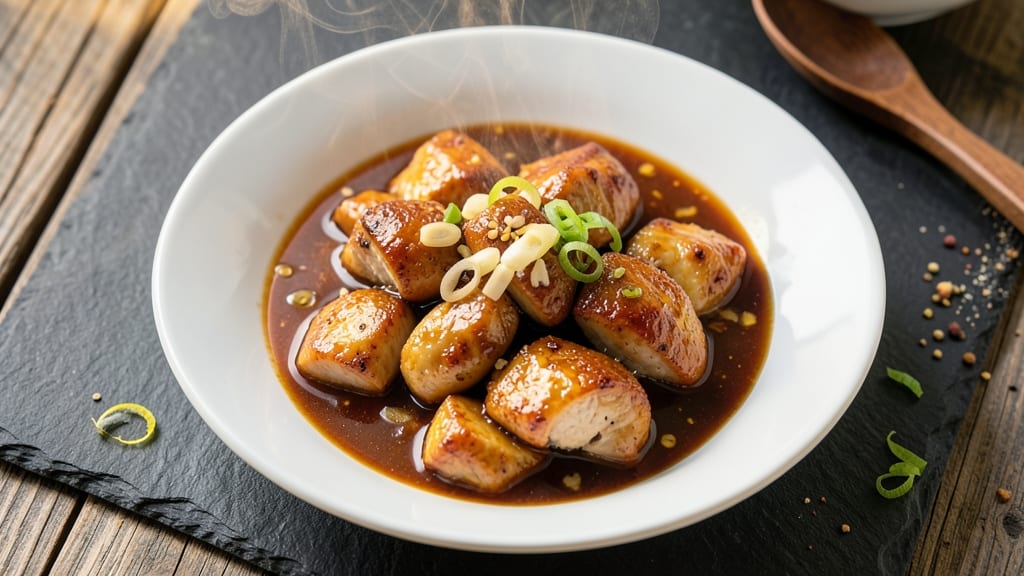
This Asian chicken stir fry sauce recipe transforms ordinary stir-fries into restaurant-quality masterpieces with just a few pantry staples. The secret lies in balancing salty soy sauce with rich oyster sauce, bright ginger, and aromatic garlic—creating a sauce that enhances rather than overpowers your protein.
What makes this blend special is its versatility; it works equally well for wok-cooked chicken, noodle bowls, or even as a marinade for tofu.
The foundation of this sauce starts with a simple yet powerful combination of soy sauce for depth, oyster sauce for umami, and a touch of honey or brown sugar to round out the flavors. Fresh ginger and garlic add layers of warmth, while a splash of rice vinegar introduces brightness.
The sauce thickens slightly as it simmers, ensuring it clings beautifully to chicken or vegetables without being overly saucy.
Once you taste the results—juicy, flavorful chicken with a glossy, aromatic sauce—you’ll never go back to store-bought versions. The best part? This sauce keeps well in the fridge for up to two weeks, making it perfect for meal prep or batch cooking.
Whether you’re tossing it with stir-fried veggies or drizzling it over rice bowls, this blend elevates every dish effortlessly.
For extra depth, consider adding a splash of sesame oil or a dash of chili paste at the end, but the base recipe delivers bold, balanced flavor on its own. Let’s get started on this game-changing sauce that will become your new kitchen staple.
Ingredients for asian chicken stir fry sauce
Pantry staples meet wok magic—just nine ingredients for sauce that turns chicken into a restaurant-worthy dish.
| Ingredient | Amount | Notes |
|---|---|---|
| Soy Sauce 🥢 | ½ cup | Light or dark variety preferred |
| Oyster Sauce 🦪 | ⅓ cup | High-quality for best umami |
| Honey 🍯 | 2 tbsp | Or brown sugar for depth |
| Rice Vinegar 🍶 | 2 tbsp | White or seasoned variety |
| Fresh Ginger 🧄 | 2 tbsp | Finely grated, aromatic |
| Garlic Cloves 🧄 | 4 cloves | Minced for aromatic punch |
| Sesame Oil 🫒 | 1 tbsp | Toasted for nutty aroma |
| Cornstarch 🌾 | 1 tsp | For thickening consistency |
| Red Chili Flakes 🌶️ | ½ tsp | Optional for heat |
| Salt 🧂 | ½ tsp | Adjust to taste |
The soy sauce is your flavor anchor—Kikkoman or Lee Kum Kee are my go-tos, but any light or dark variety works. Oyster sauce? Don’t skimp here—the good stuff (like Lee Kum Kee) has that deep, savory umami that cheap versions lack. Fresh ginger and garlic are non-negotiable for brightness, but if you’re in a pinch, jarred minced ginger or garlic powder at half the amount will do. For the honey, local raw honey adds floral notes, but store-bought works too. Pro tip: Toast the garlic cloves in a dry pan for 30 seconds before mincing to deepen their flavor—trust me, it’s worth the extra minute.
No oyster sauce? Hoisin sauce or extra soy sauce with a splash of fish sauce gets you close, though the umami won’t be identical. Swapping honey for brown sugar? Use the same amount—it’ll caramelize slightly as it simmers, adding depth. The sesame oil is optional but adds that signature nutty aroma—Kadoya is my favorite brand, but any toasted sesame oil works. Chili flakes? Adjust to taste—start with half, then add more if you’re feeling spicy. For a quicker version, skip the cornstarch and simmer longer—the sauce will thicken naturally, just not as dramatically. And if you’re making this ahead, let it cool before storing to prevent condensation.
This sauce is a fridge staple—keeps for up to 2 weeks in an airtight container. For longer storage, freeze in ice cube trays and pop out what you need. The flavors actually improve after a day or two as everything melds together. Double the batch—it disappears fast. I like to keep a jar in my pantry at all times for last-minute stir-fries or quick marinades. Don’t thin it out with water if it seems too thick; just add a splash of hot water when reheating. And if you’re using it as a marinade, reserve a little sauce to toss with the cooked protein—it’ll taste even better.
Why You'll Love This Recipe
- Pantry Magic: I swear by this sauce because it’s made with stuff I always have—no last-minute grocery runs. Soy and oyster sauce give that deep umami punch, while honey and rice vinegar cut through the richness like a perfect balance. Honestly, I’ve made it three times this month already.
- Umami Bomb: That combo of soy and oyster sauce? Chef’s kiss. The ginger adds a bright zing, and the honey rounds it out without being sickly sweet. It’s the kind of flavor that makes you go back for seconds—even when you’re not supposed to be eating seconds.
- Meal Prep MVP: I double the batch and keep it in the fridge for stir-fries, marinades, or even drizzled over rice bowls. The sauce keeps for a week, so it’s my go-to for busy nights when I don’t want to think. Plus, it works with chicken, tofu, or shrimp—no judgment here.
- Budget-Friendly Powerhouse: Oyster sauce and soy sauce are cheap, and a little ginger goes a long way. I’ve fed my whole family for under $10 with this sauce, and we’ve never complained. Between us, it’s the secret to making fancy takeout taste homemade—without the fancy price tag.
Step-by-step instructions for Asian chicken stir fry sauce
This sauce comes together in minutes but packs layers of flavor—sweet, salty, tangy, and umami-rich.
Prepare the Aromatics
In a small bowl, finely grate the 2 tablespoons fresh ginger using a microplane or the smallest holes of a box grater. This releases the aromatic oils that will infuse the sauce. Next, peel and mince the 4 cloves garlic into tiny pieces—you want them almost paste-like for even distribution. The goal here is to maximize surface area so these flavors meld perfectly.
I like to press the ginger against the grater with the flat side of a spoon to extract every last bit of juice. For the garlic, I use the tip of my knife to chop it directly in the bowl after peeling, which keeps everything contained and makes cleanup easier. Set these aside—they're the flavor foundation of your sauce.
Combine Wet Ingredients
In a medium saucepan, whisk together the 0.5 cup soy sauce, 0.33 cup oyster sauce, 2 tablespoons honey, and 2 tablespoons rice vinegar. Start with a low heat—around medium-low—and let the mixture warm gently for 2-3 minutes. This allows the honey to dissolve completely and the vinegar to mellow out its sharpness.
Here's where you'll notice the sauce transforming. The soy and oyster sauces create that signature umami depth, while the honey adds sweetness that balances the acidity from the vinegar. I stir constantly with a wooden spoon to prevent any scorching at the bottom of the pan—this sauce needs to warm, not caramelize yet.
Add Aromatics and Simmer
Once the wet ingredients are just beginning to steam, add the grated ginger and minced garlic. Stir continuously for 1-2 minutes until the raw garlic scent disappears and you're left with a fragrant aroma. The garlic should turn a pale golden color—this means it's cooked through but hasn't browned yet.
This is the moment that matters: the aromatics infuse their magic into the sauce. If you smell something burning, immediately reduce the heat to low and keep stirring. The goal is to cook the garlic and ginger just until fragrant, not until they turn bitter. After this step, you'll have a smooth, aromatic base ready for the finishing touches.
Thicken and Finish
In a small bowl, whisk together the 1 teaspoon cornstarch with 1 tablespoon cold water until completely dissolved. This slurry is your thickening agent. Return the saucepan to medium heat and slowly pour in the cornstarch mixture while stirring constantly. The sauce will begin to thicken almost immediately—keep stirring for 1-2 minutes until it reaches a glossy, coatable consistency.
Finally, stir in the 1 tablespoon sesame oil, 0.5 teaspoon red chili flakes, and 0.5 teaspoon salt. The sesame oil adds nutty depth, the chili flakes bring subtle heat, and the salt rounds out all the flavors. Taste and adjust—you might want to add a pinch more salt if you're using high-quality oyster sauce, which can be quite salty on its own. The sauce should coat the back of a spoon with a velvety texture.
Cool and Store
Remove the sauce from heat and let it cool to room temperature. This resting period allows the flavors to meld even more thoroughly. For best results, transfer the sauce to an airtight container and refrigerate. It keeps for up to 1 week, making it perfect for meal prep.
When you're ready to use it, simply reheat in a small saucepan over low heat, stirring occasionally, until warmed through. This sauce works wonders on stir-fried chicken, noodles, or even as a dipping sauce for spring rolls. The beauty of this recipe is its versatility—you can adjust the sweetness, heat, or umami levels to suit your taste by tweaking the honey, chili flakes, or oyster sauce ratios.
Pro Tips For Making Asian Chicken Stir Fry Sauce
- GRATE THEN ZEST GINGER: Fresh ginger’s outer skin is bitter—peel it first, then grate just the pale, juicy part. If you’re in a rush, zest a tiny amount (¼ teaspoon) instead of grating, but add it last so it doesn’t turn rubbery from heat.
- SWEAT THE GINGER LOW: Don’t blast the ginger on high—cook it in the sauce over medium-low for 30 seconds. I learned this the hard way: charred ginger turns the sauce bitter, and you’ll taste it even after adding honey.
- BALANCE HONEY LAST: Add honey after the sauce has simmered for 1–2 minutes—this lets the soy and vinegar mellow first. If you toss it in early, the heat can make the sauce taste cloyingly sweet instead of glossy and bright.
- USE DARK SOY SAUCE: Swap light soy for dark soy sauce if you want that classic caramelized look—it’s thicker and richer, but cut it with ½ teaspoon of regular soy to keep the depth. (Yes, even if you’re impatient like me, it’s worth the swap.)
Dietary considerations for these flavors
Gluten-Free Adaptation
Swap the soy sauce for tamari or a gluten-free soy sauce like San-J Tamari—it delivers the same umami punch without the gluten. The rest of the recipe stays identical, including the oyster sauce (just ensure it’s certified gluten-free, like Lee Kum Kee Gluten-Free).
The sauce will still thicken beautifully with the cornstarch slurry, and the flavor profile remains rich and balanced. 🌱
Low-Sodium Options
For a lower-sodium version, reduce the soy sauce to 0.33 cup and add 1 tablespoon coconut aminos (like Coconut Secret) for depth. Skip the extra salt entirely—coconut aminos already contain about half the sodium of soy sauce.
If you still need saltiness, add a pinch of fish sauce (just ½ teaspoon) for umami without extra sodium. Taste as you go, as oyster sauce can vary in saltiness.
Dairy-Free & Vegan
This sauce is naturally dairy-free and vegan-friendly, but double-check your oyster sauce—some brands contain fish-based additives. For extra assurance, use a vegan oyster sauce like Annie Chun’s Vegan Oyster Sauce.
The honey can be swapped for maple syrup (use the same amount) to keep it plant-based. Sesame oil and cornstarch are both vegan, so no other adjustments are needed. ✨
Nut-Free Adjustments
If you’re avoiding nuts or sesame, omit the sesame oil entirely—it’s optional for flavor. Replace it with 1 teaspoon toasted olive oil or avocado oil for a neutral base. The sauce will still taste incredible, though the nutty aroma will be missing.
For extra depth, add a pinch of smoked paprika (just ¼ teaspoon) to mimic the toasted notes. Always check labels on soy and oyster sauces for hidden nut traces.
Sweetener Alternatives
Skip the honey and use agave nectar (same amount) for a vegan option, or date syrup for a caramel-like depth. For a low-glycemic choice, try monk fruit sweetener (reduce to 1 tablespoon—it’s much sweeter).
If you prefer a savory-only sauce, cut the honey entirely and add 1 extra teaspoon of rice vinegar to brighten the flavors. The sauce will still balance well with the umami-rich ingredients.
Allergy-Friendly Tips
For shellfish allergies, replace the oyster sauce with ½ cup hoisin sauce (check for gluten if needed) or ½ cup coconut aminos + 1 teaspoon fish sauce (if fish allergies aren’t a concern).
For soy allergies, use coconut aminos as the base and ensure your oyster sauce is soy-free. Always read labels—many sauces contain hidden soy or shellfish derivatives. When in doubt, build the sauce from scratch with amino acids (like coconut aminos) and mushroom powder for umami.
Nutrition facts
Frequently asked questions
Can I make this sauce without oyster sauce?
For a vegetarian version, replace the oyster sauce with ½ cup hoisin sauce or a mix of ½ cup soy sauce + 1 teaspoon fish sauce (if you eat fish). For vegan, use ½ cup soy sauce + 1 teaspoon mushroom powder for umami depth. The sauce will still taste rich and balanced, just with slightly different layers of flavor.
How long does this sauce keep, and can I freeze it?
Store the sauce in an airtight container in the fridge for up to 2 weeks. For longer storage, freeze in ice cube trays—each cube makes a perfect portion for a single stir-fry. Thaw overnight in the fridge and stir before using. The flavors actually improve after a day or two as everything melds together.
What’s the best way to use leftover sauce?
This versatile sauce works on more than just stir-fries! Use it as a marinade for tofu or shrimp (30 minutes before cooking), drizzle over steamed rice or noodles, or toss with roasted veggies. It also makes an amazing dipping sauce for spring rolls or dumplings. For extra richness, reheat with a splash of water or broth.
Why did my sauce turn out too thin?
If your sauce is too thin, it likely didn’t thicken enough during simmering. Next time, whisk the cornstarch slurry more vigorously and simmer for an extra 1-2 minutes after adding it. For instant thickening, mix ½ teaspoon cornstarch with 1 teaspoon cold water and stir into the hot sauce—it’ll coat immediately. Avoid adding water; the sauce should thicken naturally as it cools.
Can I adjust the sweetness or spice level?
For less sweetness, reduce the honey to 1 tablespoon or swap it for brown sugar. For more heat, add ½ teaspoon extra chili flakes or a dash of sriracha. To balance, increase the rice vinegar by 1 teaspoon. Taste as you go—this sauce is highly customizable! Adjust ratios gradually to avoid overpowering the flavors.