
Sauces & Condiments
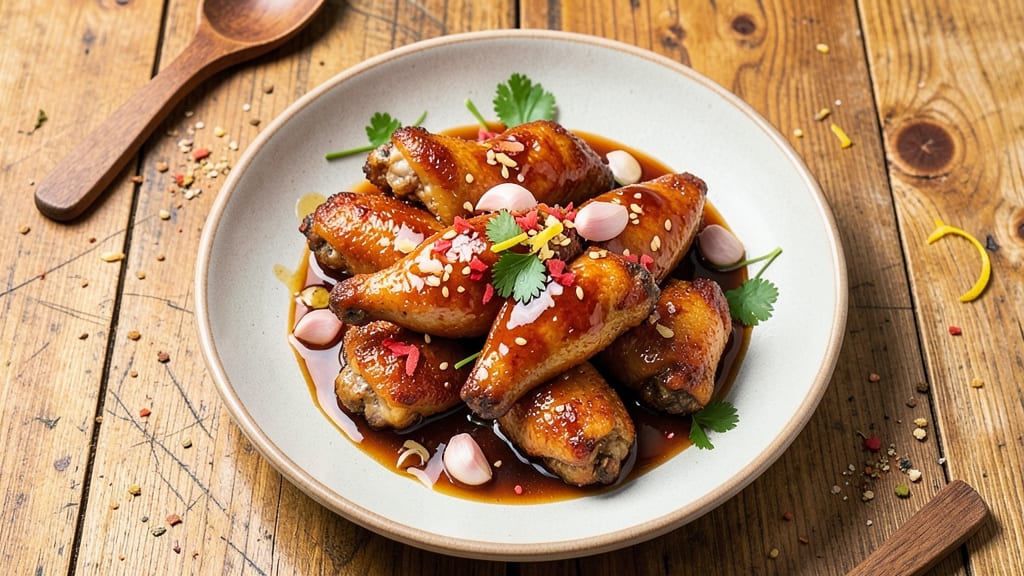
This Asian chicken wing sauce recipe delivers the perfect balance of sweet, tangy, and umami-packed flavors that transform ordinary wings into a restaurant-quality experience. The combination of soy sauce, honey, and fresh ginger creates depth, while garlic and chili add layers of complexity that linger on the palate.
I developed this sauce after years of experimenting with takeout-inspired flavors, and it never fails to impress—whether you're glazing wings, dipping fries, or drizzling over rice bowls.
The secret lies in simmering the sauce until it thickens slightly, creating a glossy glaze that clings beautifully to wings. Fresh ginger and garlic are key ingredients, providing that authentic Asian flavor profile without overwhelming the dish.
What sets this sauce apart is its versatility—it works equally well as a dry rub, wet glaze, or dipping sauce, making it a must-have in your recipe arsenal.
By the time you're done, you'll have a sauce that's rich, aromatic, and perfectly balanced—sweet enough to satisfy, tangy enough to intrigue, and spicy enough to excite.
The sauce keeps well in the refrigerator for up to 2 weeks, so you can make a big batch and enjoy it throughout the week. Whether you're hosting a game day gathering or craving takeout flavors at home, this sauce delivers every time.
Pair it with crispy baked wings, stir-fried vegetables, or even as a marinade for grilled meats. The possibilities are endless, and the flavor is undeniably addictive. Let's get started on creating this umami-packed glaze that will elevate your dishes to new heights.
Ingredients for asian chicken wing sauce
Eight simple ingredients transform into a restaurant-worthy sauce that clings perfectly to wings.
| Ingredient | Amount | Notes |
|---|---|---|
| Soy Sauce 🥢 | ½ cup | Light or dark variety preferred |
| Honey 🍯 | ¼ cup | Wildflower or clover preferred |
| Rice Vinegar 🍶 | ¼ cup | White or seasoned variety |
| Sesame Oil 🫒 | 1 tbsp | Toasted sesame oil for aroma |
| Fresh Ginger 🧄 | 2 tbsp | Finely grated, not minced |
| Garlic Cloves 🧄 | 4 cloves | Peeled and minced finely |
| Sriracha 🌶️ | 1 tbsp | Adjust for heat preference |
| Sesame Seeds 🌾 | 1 tbsp | Toasted for garnish |
| Cornstarch 🌾 | 1 tbsp | For thickening sauce |
| Water 💧 | ¼ cup | For cornstarch slurry |
The ginger and garlic are non-negotiable for that authentic Asian depth. Fresh ginger from the produce section (not the jarred kind) makes all the difference—it’s brighter and more aromatic. I grab mine at Whole Foods or the Asian market if I’m feeling fancy, but the regular grocery store works fine too. Look for plump, firm cloves of garlic and ginger with no soft spots. Toast your sesame seeds in a dry pan for 30 seconds before adding them to the sauce—they’ll release their nutty aroma and add texture. And trust me, toasted sesame oil is worth the splurge for that smoky flavor.
No sesame oil? Avocado oil or neutral oil will work, but you’ll miss that signature aroma. Short on honey? Maple syrup or agave nectar are solid swaps, though they’ll tweak the flavor slightly. The cornstarch slurry is key for that glossy finish—mix it well to avoid lumps. If you’re sensitive to heat, cut the Sriracha in half or use gochujang for a fermented kick. And if you’ve got leftover sauce, it’s perfect for drizzling over noodles or tofu stir-fries—just don’t tell anyone it started as a wing sauce.
This sauce keeps beautifully in the fridge for up to 2 weeks, sealed in an airtight container. For extra shelf life, pour a thin layer of oil on top before sealing to preserve freshness. It also freezes well for 3 months—just thaw in the fridge overnight. I like to make a big batch and portion it into small jars so I always have some on hand for game day or last-minute cravings. The flavor actually improves after a day or two as everything melds together—so don’t rush to use it all at once.
Why You'll Love This Recipe
- Pantry Magic: I swear by this sauce because it uses things I already have. No last-minute grocery runs—just soy sauce, honey, and a splash of rice vinegar. Honestly, that’s half the battle won before you even start.
- Sweet-Savory Balance: Between the honey’s stickiness and the ginger’s zing, every bite is a little flavor explosion. The sesame oil ties it all together—trust me, your taste buds will thank you.
- Game Day Ready: This sauce is my go-to for game nights or lazy Sundays. Drizzle it over wings, toss it with noodles, or even slather it on grilled chicken. It’s that adaptable.
- Leftovers? More Like Leftovers Loved: The sauce keeps for days in the fridge, and it only gets better as the flavors meld. I’ve made a double batch just to have it on hand—because why not? It’s cheap, easy, and always a hit.
Step-by-step instructions for Asian chicken wing sauce
This sauce delivers perfect balance—sweet, tangy, and packed with umami depth.
Prepare the Ginger-Garlic Base
In a small bowl, finely grate the 2 tablespoons of fresh ginger using a microplane or the smallest holes on a box grater. This ensures you extract maximum flavor without fibrous bits. In the same bowl, mince the 4 cloves of garlic into a fine paste using a sharp knife—you want it almost like a smooth texture rather than chunks.
Heat a small skillet over medium-low heat and add the 1 tablespoon of sesame oil. Once the oil shimmers (about 30 seconds), add the ginger and garlic mixture. Cook for 1-2 minutes until the garlic turns golden and the ginger loses its raw aroma. Be careful not to let it brown—this can make the sauce bitter. Remove from heat and set aside.
Combine Wet Ingredients
In a medium saucepan, combine the 0.5 cup soy sauce, 0.25 cup honey, and 0.25 cup rice vinegar. Stir well to dissolve the honey completely—it should look like a smooth, amber liquid. Add the cooked ginger-garlic mixture and the 1 tablespoon of Sriracha, stirring to incorporate all flavors evenly.
Bring the mixture to a gentle simmer over medium heat. Let it cook uncovered for 5-7 minutes, stirring occasionally, until it thickens slightly and the raw vinegar smell disappears. You're looking for a glossy, syrupy consistency—this is where the sauce's depth develops.
Thicken the Sauce
In a small bowl, whisk together the 1 tablespoon of cornstarch and 0.25 cup water until completely dissolved. This creates a smooth slurry that will thicken your sauce perfectly. Return the saucepan to medium heat and slowly pour in the cornstarch mixture while stirring constantly.
Keep stirring for 1-2 minutes until the sauce reaches a glossy, coatable consistency—it should thicken enough to lightly coat the back of a spoon. If it's still too thin, add another ½ teaspoon of cornstarch mixed with 1 teaspoon of water. Taste and adjust seasoning: if it needs more depth, add a splash of soy sauce; if it's too sharp, balance with a touch of honey.
Finish and Garnish
Remove the sauce from heat and let it cool slightly for 2-3 minutes. This resting period allows the flavors to meld completely. Once cooled, transfer the sauce to a bowl and stir in the 1 tablespoon of toasted sesame seeds—this adds both texture and nutty aroma. The seeds should be evenly distributed throughout.
For best results, use the sauce immediately on baked or fried chicken wings, tossing them in the warm glaze until fully coated. If storing, keep in an airtight container in the refrigerator for up to 5 days, or freeze for 3 months. Reheat gently in a saucepan over low heat, stirring occasionally, until warmed through.
Pro Tips For Making Asian Chicken Wing Sauce
- Simmer Ginger First: Peel and thinly slice that ginger—no need for julienne precision—then toss it straight into a cold pan with a splash of water. Turn the heat to medium and let it steam for 30 seconds before adding anything else. This softens the raw bite and releases the aroma without burning it, which makes a real difference when you’re balancing sweet, salty, and tangy flavors later.
- Balance Honey Slowly: Start with half the honey called for, let the sauce simmer for 2 minutes, then taste. The heat will make it seem thicker and sweeter than it is—add the rest gradually while stirring. I learned this the hard way: dumping all the honey at once turns your glossy glaze into a sticky mess that clumps when tossed with wings.
- Skip the Raw Vinegar: Mix the rice vinegar in last, right after the sauce comes off the heat. Vinegar cooks off fast and can turn harsh or even bitter if you let it sit too long. If you’re prepping ahead, add it just before tossing with the wings—this keeps that bright tang sharp and intentional, not sour.
- Toast Sesame Oil Separately: Heat ½ teaspoon of sesame oil in a dry pan over low heat until it just shimmers—about 10 seconds. Pour it into the sauce after everything else is off the heat. This keeps the aroma intact instead of letting it cook away in the sauce, where it’ll just smell like a faint afterthought. (Yes, it’s an extra step, but the difference is noticeable.)
Perfect pairings for this asian chicken wing sauce
Wing Pairings
This sauce transforms crispy baked wings into a restaurant-worthy dish. Toss 1 lb of wings in 1 tbsp cornstarch before baking at 400°F for 25-30 minutes, then glaze with warm sauce.
For extra crunch, serve with celery sticks and carrot sticks—the fresh crunch contrasts perfectly with the sticky glaze. 🌶️
Try it on fried wings too! After frying, toss wings in the sauce while still hot for a glossy finish. I love pairing it with warm naan bread to soak up any extra sauce—it’s like a mini Asian-inspired appetizer spread.
Rice Bowl Glaze
Use this sauce as a drizzle for steamed jasmine rice bowls. Spread ½ cup cooked rice on a plate, top with grilled chicken or tofu, and ladle 2 tbsp of sauce over it. Garnish with sliced green onions and sesame seeds for a quick, flavorful meal. 🍚
For extra depth, add steamed broccoli or snap peas to your bowl. The sauce’s sweetness balances the earthiness of the veggies beautifully. It’s my go-to for a fast, healthy lunch when I’m craving Asian flavors.
Dipping Sauce
Serve this sauce as a dipping sauce for spring rolls or dumplings. The glossy texture clings perfectly to fried foods, and the sweet-spicy balance makes every bite exciting. I like to keep a small bowl of the sauce on the table during game day—it disappears fast! 🏈
For a fun twist, mix 1 tbsp of the sauce with 1 tbsp of mayonnaise to create a creamy dipping sauce. It’s a crowd-pleaser that adds a tangy kick to fries or onion rings.
Marinade Magic
Use this sauce as a marinade for grilled meats like chicken thighs or pork chops. Let the meat marinate for at least 30 minutes (or up to 4 hours in the fridge) before grilling. The sauce caramelizes beautifully on the grill, creating a sticky, flavorful crust. 🔥
For extra flavor, brush the sauce on the meat during the last 5 minutes of grilling. The high heat intensifies the sweet and umami notes, making every bite irresistible.
Nutrition facts
Frequently asked questions
Can I make this sauce without sesame oil?
Yes, but you'll miss the signature aroma. Use 1 tbsp neutral oil like avocado or vegetable oil instead. For extra depth, add ½ tsp toasted sesame seeds directly to the sauce at the end. The flavor won't be identical, but it'll still taste delicious!
How do I adjust the heat level? Start by reducing the Sriracha to ½ tbsp for mild heat. For extra spice, add 1 tsp gochujang or ½ tsp cayenne pepper with the other ingredients.
Can I use this sauce on other proteins besides wings?
This sauce works perfectly on grilled chicken thighs, pork chops, or even tofu. For best results, marinate proteins for 30 minutes before cooking. The sauce also makes an amazing glaze for fish fillets like salmon or cod.
Why did my sauce turn out too thin?
This usually happens if you didn't simmer long enough or your cornstarch slurry wasn't thick enough. Next time, cook the sauce uncovered for 7-10 minutes and make sure your cornstarch is fully dissolved in the water. For a quick fix, mix 1 tsp cornstarch with 1 tbsp water and stir into the sauce while heating.
How can I make this sauce ahead of time?
This sauce actually tastes better after resting! Make it 1-2 days ahead and store in an airtight container in the fridge. The flavors meld beautifully. For longer storage, freeze in ice cube trays and transfer to a bag—perfect for portion control. Thaw overnight in the fridge before using.