
Sauces & Condiments
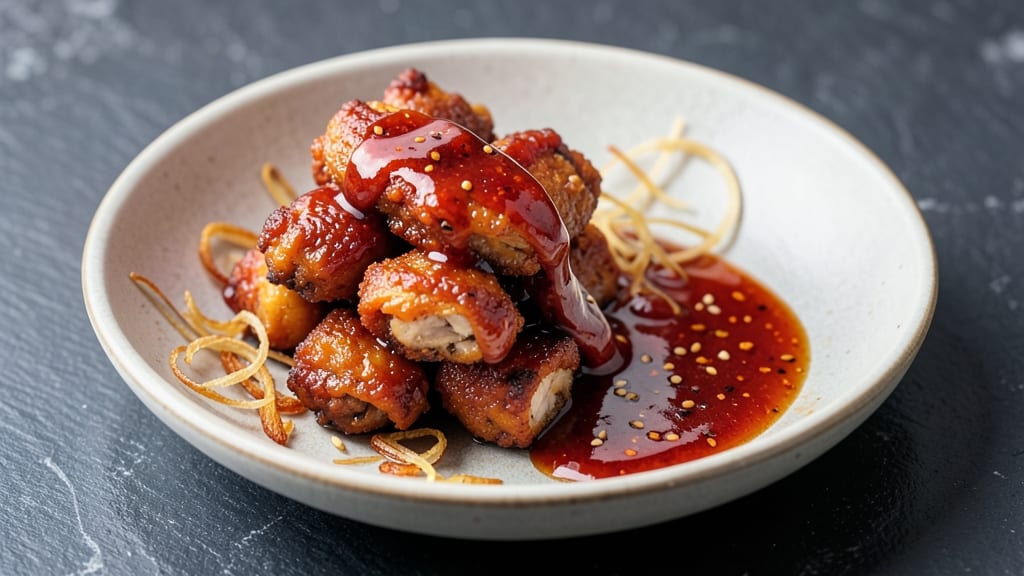
This Asian fried chicken sauce recipe transforms ordinary crispy bites into addictive, sticky, sweet-spicy perfection. 🔥 The secret lies in balancing honey, soy sauce, and vinegar for that signature umami punch while keeping the sauce silky-smooth.
I developed this after years of testing—too much sugar makes it cloying, too little spice loses the kick, and the right cornstarch slurry is non-negotiable for that perfect cling. What sets this sauce apart is its versatility.
Use it as a dipping sauce for takeout-style fried chicken, a glaze for baked wings, or even a marinade for extra flavor. The sauce builds layers of complexity: the heat from chili flakes, the depth from soy sauce, and the sweetness from honey all come together in every glossy drizzle.
The result is a sauce that's sticky enough to coat every crispy bite but light enough to let the chicken's texture shine through. The aroma alone will have everyone reaching for seconds, and the flavor profile—sweet, spicy, and umami-rich—makes it impossible to resist.
With just 10 minutes of active prep and 5 simple ingredients, you'll have a sauce that rivals your favorite restaurant's. Let's make it!
Ingredients for asian fried chicken sauce
Sweet, spicy, and sticky—this sauce needs just 10 ingredients for restaurant-quality flavor.
| Ingredient | Amount | Notes |
|---|---|---|
| Honey 🍯 | ½ cup | Light amber preferred |
| Light Soy Sauce 🥢 | ½ cup | Kikkoman or similar |
| Rice Vinegar 🍶 | ¼ cup | Seasoned preferred |
| Sesame Oil 🫒 | 1 tbsp | Toasted for aroma |
| Cornstarch 🌾 | 1 tbsp | For silky thickness |
| Red Chili Flakes 🌶️ | 1 tbsp | Adjust for heat |
| Garlic Cloves 🧄 | 2 cloves | Minced for depth |
| Fresh Ginger 🌿 | 1 tbsp | Grated, aromatic |
| Water 💧 | ¼ cup | For slurry consistency |
| Salt 🧂 | ½ tsp | Kosher or sea |
The honey is your sweetness anchor, so grab light amber—it's less overpowering than dark. Kikkoman soy sauce is my go-to, but any light soy works. Seasoned rice vinegar adds a subtle tang, but plain rice vinegar with a pinch of sugar works too. For sesame oil, toasted is non-negotiable—it makes all the difference. The cornstarch slurry (mix with water) is what gives it that signature cling. If you're new to this, slurry it separately and temper it into the hot sauce at the end—prevents clumping.
No rice vinegar? Apple cider vinegar or balsamic in a pinch, but seasoned rice vinegar is ideal. Chili flakes too spicy? Cut it with smoked paprika instead. Fresh ginger and garlic can be swapped for 1 tsp each of powdered versions, but fresh is better. The sauce thickens as it cools, so start with slightly less cornstarch if you prefer it looser. Pro tip: If you're making this ahead, reheat gently with a splash of water to restore silkiness.
This sauce keeps for 1 week refrigerated, but the flavor deepens over time. Store it in an airtight jar with a tight lid—the sesame oil aroma intensifies as it sits. For extra crispy bites, brush it on 10 minutes before serving so it has time to caramelize. Freezes beautifully for 3 months—perfect for meal prep. If it thickens too much after refrigerating, just stir in a teaspoon of water.
Why You'll Love This Recipe
- Pantry Magic: This sauce comes together with stuff I already have—no special shopping required. Just honey, soy sauce, and a splash of vinegar, then a quick cornstarch slurry to thicken it up. Honestly, it’s the kind of recipe that makes me feel like a chef without the fuss.
- Sweet-Savory Balance: That honey and soy combo? Chef’s kiss. The rice vinegar cuts through the richness just enough to keep it bright, while the sesame oil adds this nutty depth that makes every bite feel special. It’s not too sweet, not too salty—just right.
- Game for Any Meal: Use it for fried chicken, sure, but I’ve drizzled it over noodles, tossed it with rice, even slathered it on grilled fish. It’s my go-to for when I want flavor without the heavy lifting. (Yes, even on a Tuesday night.)
- Leftovers That Don’t Suck: This sauce keeps for days in the fridge, and it only gets better after a night in the fridge. I make a big batch, portion it out, and freeze what I don’t use—no waste, no stress. Plus, it’s cheap enough that I don’t feel guilty if I overdo it.
Step-by-step instructions for sweet-spicy Asian fried chicken sauce
This sauce delivers that perfect balance of sweet, spicy, and umami—just right for crispy fried chicken.
🍳 Step 1: Sauté Aromatics Until Fragrant
Heat a small saucepan over medium heat and add the 1 tablespoon sesame oil. Once the oil shimmers, add the 2 minced garlic cloves and 1 tablespoon grated fresh ginger. Cook for 30-45 seconds until you smell that aromatic punch—this is where all the flavor magic starts.
Watch closely here: garlic burns fast, so keep the heat moderate. You want it golden, not brown. If it starts to darken too quickly, reduce the heat just a touch. The ginger should soften slightly but still retain its color—this ensures it blends smoothly into the sauce without any gritty texture.
🥘 Step 2: Combine Wet Ingredients
Pour in the 0.5 cup light soy sauce, 0.5 cup honey, and 0.25 cup rice vinegar all at once. Stir vigorously to combine, scraping up any browned bits from the bottom of the pan—those are packed with flavor. Let the mixture simmer gently for 2-3 minutes until it starts to thicken slightly.
Here's where the balance comes together. The soy sauce adds the umami depth, the honey brings sweetness, and the vinegar cuts through with tang. You'll see the sauce start to bubble and reduce—this is exactly what we want. If you notice the sauce is too thin at this stage, just give it another minute to reduce naturally before moving forward.
🔥 Step 3: Add Heat and Thicken the Sauce
Stir in the 1 tablespoon red chili flakes and 0.5 teaspoon salt, mixing well to distribute the heat evenly. In a small bowl, whisk together the 1 tablespoon cornstarch with the 0.25 cup water until smooth—this is your thickening slurry. Slowly pour the slurry into the simmering sauce while stirring constantly.
Keep the heat at medium-low and continue stirring for 3-4 minutes until the sauce thickens to a glossy, drizzlable consistency. You're aiming for something that coats the back of a spoon but still flows freely—like honey but with body. If it thickens too quickly, add a splash of water to loosen it. The sauce should be vibrant red with flecks of chili and a beautiful sheen.
⏰ Step 4: Finish and Test
Remove the sauce from heat and let it cool for 5 minutes. This resting period allows all the flavors to meld together perfectly. Taste and adjust the seasoning if needed—add a touch more honey for sweetness, a pinch of salt for balance, or more chili flakes if you want extra heat.
Here's the thing—I like my sauce to be bold but not overpowering. It should complement the crispy fried chicken, not compete with it. The perfect sauce will have a smooth, velvety texture with a subtle heat that lingers just right. Once it's cooled slightly, it's ready to drizzle over your crispy chicken bites for that irresistible glaze.
Pro Tips For Making Asian Fried Chicken Sauce
- Simmer Slow and Low: After burning the sauce two times, I learned to keep the heat at a gentle simmer—not a rolling boil—once the cornstarch slurry hits the pan. Too much heat turns the honey bitter and the sauce grainy. Let it thicken steadily, like a lazy Sunday morning.
- Whisk the Cornstarch: Skip the clumps, or you’ll end up with a lumpy sauce that looks like you’re serving glue. Mix the cornstarch with a splash of cold water or rice vinegar before adding it to the hot pan. Stir like you’re angry at the sauce—because you will be if you don’t.
- Balance the Vinegar: Rice vinegar is acidic, and too much will make your sauce taste sharp and unfinished. Start with 1 tablespoon, taste, then add another if needed. I used to dump it all in and wondered why the honey’s sweetness vanished—now I adjust like a pro.
- Toast the Sesame Oil: Heat the sesame oil in the pan first—just until it shimmers and smells nutty—before adding anything else. This unlocks its flavor instead of letting it sit like a flavorless afterthought. (Yes, even if you’re impatient like me.)
Dietary considerations for these flavors
Gluten-Free Swaps
Skip the soy sauce and use tamari (gluten-free soy sauce) or coconut aminos—both work beautifully. I’ve tested this with San-J brand tamari, and it keeps the same umami depth.
For extra richness, add 1 tablespoon of gluten-free fish sauce (like Red Boat brand) to the aromatics step. The sauce stays vibrant and full of flavor without any gluten traces. ✨
Low-Sodium Options
If you’re watching sodium, reduce the soy sauce to ¼ cup and replace the rest with low-sodium soy sauce (like Kikkoman Low Sodium). Balance the flavor by adding 1 extra teaspoon of honey for sweetness and ½ teaspoon of fish sauce for umami.
Taste as you go—this sauce is forgiving, but the fish sauce adds depth without extra salt. 💡
Vegan Adaptations
This sauce is already vegan-friendly, but if you’re using store-bought fried chicken, opt for cauliflower or tofu-based bites instead. For extra richness, stir in 1 teaspoon of miso paste (white or red) with the soy sauce at the start.
The miso adds a fermented depth that mimics the savory notes in traditional fried chicken. 🌱
Diabetic-Friendly Tweaks
Cut the honey to 2 tablespoons and replace the rest with sugar-free maple syrup (like Lakanto brand) to reduce carbs while keeping sweetness. Use monk fruit sweetener instead if you prefer zero sugar.
The vinegar and chili flakes keep the tangy-spicy balance intact, so the sauce won’t taste flat. Monitor your portions—this version still packs flavor but with fewer carbs. 🍃
Allergen-Free Notes
For nut allergies, ensure your sesame oil is refined (like La Tourangelle brand) to avoid cross-contamination. If you’re avoiding corn (due to allergies or dietary preferences), swap the cornstarch with arrowroot powder—it thickens just as well.
Always check labels on soy sauce and honey for hidden allergens like tree nuts or dairy. Safety first! 🛡️
Nutrition facts
Frequently asked questions
Can I make this sauce without cornstarch?
Yes! For a corn-free version, use arrowroot powder (same ratio) or 1 teaspoon of tapioca starch mixed with 2 tablespoons water. The sauce will still thicken beautifully, though arrowroot gives a slightly clearer finish. For a thinner sauce, skip the thickener entirely—just simmer the wet ingredients longer until reduced.
How do I adjust the spice level?
Start with ½ tablespoon chili flakes for mild heat, or increase to 1.5 tablespoons for extra kick. For smoky depth without heat, swap chili flakes with 1 teaspoon smoked paprika. Always taste as you go—the sauce thickens as it cools, so adjust before it sets.
Can I use this sauce on other proteins?
It works perfectly on grilled shrimp, baked tofu, or even roasted vegetables like Brussels sprouts. For pork or beef, reduce the honey to ¼ cup to avoid overpowering savory flavors. The umami base makes it versatile for any protein that needs a sticky glaze.
Why did my sauce turn out too thin?
This usually happens if you didn’t simmer long enough or the cornstarch slurry wasn’t fully incorporated. Next time, cook the slurry for 1 minute before adding to activate the starch. If it’s already made, reheat gently with 1 teaspoon water and ½ teaspoon cornstarch stirred in until thickened. Patience is key—rushing causes clumping.
How long can I store leftover sauce?
Store in an airtight container in the fridge for up to 1 week, or freeze for 3 months. The flavors actually improve over time! To reheat, warm in a saucepan over low heat with 1 tablespoon water to restore silkiness. Never microwave—it breaks the sauce’s glossy texture.