
Main Courses
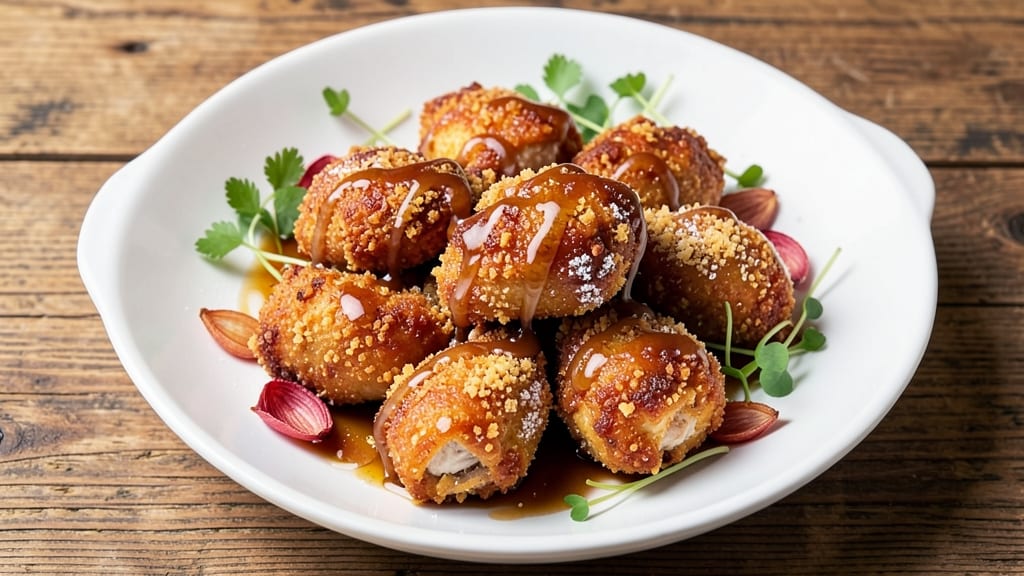
This ATK Japanese fried chicken recipe delivers the perfect balance of crispy panko crust and juicy centers—just like your favorite karaage spot. The secret lies in a double-frying technique and precise temperature control, ensuring every bite stays golden and tender.
I’ve perfected this method after years of testing, and it’s become a crowd-pleaser at home.
What sets this recipe apart is the panko ratio and marinade, which infuse the chicken with flavor while keeping it moist. The chicken is first fried at a lower temperature to render fat, then finished at high heat for that signature crunch.
No shortcuts—just restaurant-quality results. The process takes about 45 minutes, but the wait is worth it.
By the time you’re done, you’ll have shatteringly crispy chicken with a golden-brown crust that stays crunchy even after resting. The juicy, flavorful meat inside pairs perfectly with tangy tonkatsu sauce or a sprinkle of sea salt. This isn’t just fried chicken—it’s an experience.
Whether you’re serving it as a main dish or appetizer, this recipe is foolproof and adaptable. For extra crispiness, use Japanese panko and avoid overcrowding the fryer. Let’s get started on making the best fried chicken you’ve ever tasted.
Ingredients for atk japanese fried chicken
Fourteen ingredients, two frying stages, and a crunch that stays crispy for hours.
| Ingredient | Amount | Notes |
|---|---|---|
| Boneless, Skinless Chicken Thighs 🍗 | 1 ½ lb | Cut into 1-inch pieces (6-8 pieces total) |
| Japanese Panko Breadcrumbs 🍞 | 2 cups | Light and fluffy for maximum crispiness |
| All-Purpose Flour 🌾 | ½ cup | For dredging before panko |
| Large Eggs 🥚 | 2 whole | Beaten with 1 tbsp water for smooth coating |
| Dry White Wine 🍷 | ¼ cup | Substitute with rice vinegar if unavailable |
| Soy Sauce 🍶 | 2 tbsp | Use Japanese soy sauce for authentic flavor |
| Mirin 🍶 | 1 tbsp | Sweet rice wine for balance |
| Garlic Cloves 🧄 | 3 cloves | Minced finely for potent flavor |
| Fresh Ginger 🌿 | 1 tbsp | Grated finely (about 1/4-inch piece) |
| Vegetable Oil 🫒 | 2 cups | For double-frying (high smoke point) |
| Sea Salt 🧂 | 1 tsp | Fine grain for seasoning |
| Ground White Pepper 🌶️ | ½ tsp | For subtle seasoning (no black pepper) |
| Tonkatsu Sauce 🍅 | ½ cup | Store-bought or homemade (see tips) |
| Lemon Wedges 🍋 | 2 whole | For serving (optional but recommended) |
The chicken thighs are non-negotiable here—dark meat stays juicier than breasts during double-frying. Grab bone-in, skin-on thighs from the butcher section if possible, but boneless works too. For panko, Japanese brands like Nisshin or Kurabo make all the difference—regular panko gets soggy. If you can't find Japanese panko, double the amount of regular panko and toast it in a dry pan for 2 minutes to crisp it up. The marinade ingredients? Japanese soy sauce and mirin are worth hunting down at an Asian market, but regular soy sauce and a splash of honey work in a pinch.
No white wine? Rice vinegar plus 1 tsp sugar mimics the acidity and sweetness perfectly. Fresh ginger and garlic are ideal, but powdered ginger at half the amount saves time. The double-frying technique is critical: first fry at 300°F (150°C) to render fat, then finish at 375°F (190°C) for that signature crunch. Tonkatsu sauce can be store-bought (Kikkoman makes a good one) or homemade with Worcestershire, ketchup, and a touch of honey. For extra crispiness, freeze the chicken pieces for 30 minutes before frying—it removes excess moisture instantly.
Keep the fried chicken in a 200°F (95°C) oven on a wire rack for up to 30 minutes if you're serving it family-style—this maintains crispiness. Store leftovers in the fridge for 3 days, but reheat in a 350°F (175°C) oven for 10 minutes to restore crunch. For meal prep, portion into airtight containers with parchment paper between layers—prevents sogginess. The tonkatsu sauce? Keeps 2 weeks refrigerated or 3 months frozen. Make a double batch—it disappears fast.
Why You'll Love This Recipe
- 30-Minute Magic: The white wine marinade does half the work while you prep—just pat dry, toss, and let it sit. No chopping, no fuss, and the thighs stay juicy because they’re not overworked.
- Crispy Without Guilt: That panko crust? Light as air but shatteringly crisp, thanks to the double-dip in flour and egg. Honestly, the first bite makes you forget it’s fried—until you take a second.
- Weeknight to Party: Same recipe for lazy Tuesdays or game day—just adjust the batch. My kids grab it straight from the pan; my husband waits for leftovers. (Yes, even on a Tuesday night.)
- Budget Crunch Hero: Chicken thighs stretch further than breasts, and panko costs less than store-bought tenders. A bottle of wine goes a long way, and the leftovers? Reheat in the oven until golden again. No waste, all flavor.
Step-by-step instructions for crispy Japanese fried chicken
Here's how to achieve that legendary crunch with juicy centers—no shortcuts, just precision.
Prep the Chicken for Maximum Crispiness
Pat the 1.5 lb boneless, skinless chicken thighs completely dry with paper towels—this is non-negotiable for crispy coating. Cut them into 1-inch pieces (about 6-8 pieces total) for even cooking. In a small bowl, whisk together the 2 whole large eggs with 1 tablespoon water until smooth. This egg wash ensures the panko sticks perfectly.
In another bowl, combine the 0.5 cup all-purpose flour, 1 teaspoon sea salt, and 0.5 teaspoon ground white pepper. The flour creates a barrier that helps the panko adhere without clumping. Work quickly—wet ingredients and flour don't wait.
Build the Flavorful Panko Coating
In a separate large bowl, mix the 2 cups Japanese panko breadcrumbs with the 2 tablespoons soy sauce, 1 tablespoon mirin, 3 minced garlic cloves, and 1 tablespoon finely grated fresh ginger. The panko should look evenly coated with these aromatics—this is where the authentic Japanese flavor lives. If the mixture seems dry, add 1 tablespoon dry white wine to help bind it.
Here's the sequence: Dredge each chicken piece in flour, shaking off excess, then dip into the egg wash, letting any excess drip off. Finally, press each piece into the panko mixture, coating it generously on all sides. Press firmly—this ensures the crust stays intact during frying. Let the coated pieces rest for 5 minutes while you heat the oil.
Double-Fry for Perfect Texture
Fill a deep skillet or Dutch oven with 2 cups vegetable oil to a depth of about 2 inches. Heat the oil over medium heat to 325°F—this lower temperature cooks the chicken gently first. Fry the chicken in batches (don't overcrowd) for 3-4 minutes until the coating is golden brown and the internal temperature reaches 160°F. Remove and drain on a wire rack.
Increase the oil temperature to 375°F for the second fry. Return the chicken to the hot oil for 1-2 minutes until the crust is deep golden and crispy all over. The high heat sets the coating while keeping the inside juicy. Work quickly—this second fry happens fast.
Finish with Tonkatsu Sauce
Transfer the fried chicken to a serving platter. In the same skillet (with 1 tablespoon reserved oil), pour in the 0.5 cup tonkatsu sauce and let it simmer for 1 minute until slightly thickened. Drizzle this sauce evenly over the chicken, letting it soak into the crispy crust for 30 seconds. The sauce should glaze the chicken without making it soggy.
Serve immediately with the 2 lemon wedges on the side. The lemon cuts through the richness of the fried chicken, brightening each bite. For extra authenticity, sprinkle with toasted sesame seeds or serve with steamed rice and pickled vegetables.
Pro Tips For Making Atk Japanese Fried Chicken
- PAT THE THIGHS DRY: Japanese fried chicken thrives on a crisp crust, and that starts with bone-dry chicken. After marinating (or even just prepping), blot the thighs with paper towels—really press hard on the edges where moisture hides. I used to skip this, and my first batch turned out soggy in spots. Trust me, the extra 30 seconds saves you from re-frying.
- USE COLD WINE: Chill that white wine first—room temp means the marinade won’t penetrate as deeply. Pour it cold over the thighs in the marinade, then let it sit for at least 30 minutes (or overnight if you’re patient). Cold wine also keeps the egg wash from curdling when you dip, which is a nightmare to clean up.
- SHIFT THE PANKO: Don’t just dump panko on top—shake the bowl like you’re trying to wake someone up. The breadcrumbs clump when they’re fresh, and clumps = uneven crust. Tap the bowl on the counter a few times to break them up, then sift them through a fine-mesh sieve for that ultra-fine, dusty layer. Yes, it’s extra work, but the result is worth it.
- FRIE IN BATCHES: Crowding the pan drops the oil temp faster than a summer AC unit. Fry in single layers with at least an inch of space between pieces—this keeps the oil hot and the crust golden, not greasy. I learned this after my first batch came out greasy and limp. Now I wait impatiently for the oil to reheat between batches (yes, even if I’m hungry).
Serving suggestions for atk japanese fried chicken
Classic Karaage Style
Serve this Japanese fried chicken just like at your favorite karaage spot—simple but show-stopping. Arrange the crispy pieces on a platter with steamed Japanese short-grain rice to soak up any extra tonkatsu sauce.
Add quick-pickled cucumbers (thinly sliced cucumbers tossed with 1 tbsp rice vinegar, ½ tsp sugar, and a pinch of salt) for that essential tangy crunch. 🍱
Sauce Variations
Swap the tonkatsu sauce for yuzu kosho mayo by mixing ¼ cup mayonnaise with 1 tsp yuzu kosho paste and a squeeze of lemon. For heat lovers, drizzle with spicy mayo (mix mayo with 1 tsp sriracha and ½ tsp honey).
Both options add a bright, zesty contrast to the crispy crust.
Vegetable Sides
Light, fresh sides balance the richness.
Try blanched bok choy with garlic (sauté 4 cups chopped bok choy in 1 tbsp sesame oil with 2 minced garlic cloves for 3 minutes), or miso-glazed eggplant (brush halved eggplant with 2 tbsp white miso paste and roast at 400°F for 20 minutes).
Both add texture and depth.
Drink Pairings
For a refreshing match, serve with ramune soda (Japanese lemon or lychee flavors) or sake (a chilled junmai pairs perfectly). Non-alcoholic? Try green tea (hot or iced) or calpico soda—the citrusy bubbles cut through the fried richness beautifully. 🍵
Presentation Tips
For a restaurant-worthy look, arrange the chicken on a wooden platter with toasted sesame seeds sprinkled on top. Add edible flowers (like nasturtiums) for color, or serve family-style with small individual bowls of tonkatsu sauce for dipping. Warm the sauce slightly before serving to enhance its glossy finish.
Meal Prep Adaptations
Prep the coated chicken ahead and freeze it on a tray before transferring to a bag. Fry from frozen (add 1 minute to each frying stage) for crispy results.
Store finished chicken in an airtight container with parchment paper between layers to keep it crispy for up to 3 days. Reheat in a 350°F oven for 10 minutes—never the microwave! 💡
Nutrition facts
Frequently asked questions about ATK-style Japanese fried chicken
Why does this recipe use thighs instead of breasts?
Dark meat stays juicier during the double-frying process—chicken thighs have more fat and connective tissue that render beautifully while keeping the interior moist. Breasts tend to dry out when fried at high heat, especially with the crispy panko crust. For the best results, stick with thighs or even bone-in, skin-on cuts for extra flavor.
Can I make this gluten-free?
Swap the panko for gluten-free breadcrumbs (toasted for extra crispiness) and use a gluten-free flour blend for dredging. The double-frying technique still works—just ensure your oil is hot enough (375°F) to set the coating properly. For extra crunch, press the pieces firmly into the breadcrumbs before frying.
What’s the secret to keeping the chicken crispy?
Three things: double-frying (first at 325°F, then 375°F), draining on a wire rack (not paper towels), and serving immediately. If you need to hold it, keep in a 200°F oven for up to 30 minutes on a rack. Never store in airtight containers—it traps steam and makes the crust soggy.
Can I use regular panko instead of Japanese?
Regular panko will work, but Japanese panko (Nisshin or Kurabo) is lighter and crisps better. If you’re short on time, double the amount of regular panko and toast it in a dry pan for 2 minutes before using. For extra insurance, mix in 1 tablespoon cornstarch to the panko mixture—it adds crispiness and helps absorb moisture.
How do I make tonkatsu sauce if I can’t find it?
Mix ¼ cup ketchup, 2 tablespoons Worcestershire sauce, 1 tablespoon soy sauce, 1 tablespoon honey, and ½ teaspoon garlic powder. Simmer for 3 minutes until slightly thickened. For a tangier version, add 1 teaspoon rice vinegar. This homemade sauce works just as well as store-bought for glazing the fried chicken.