
Main Courses
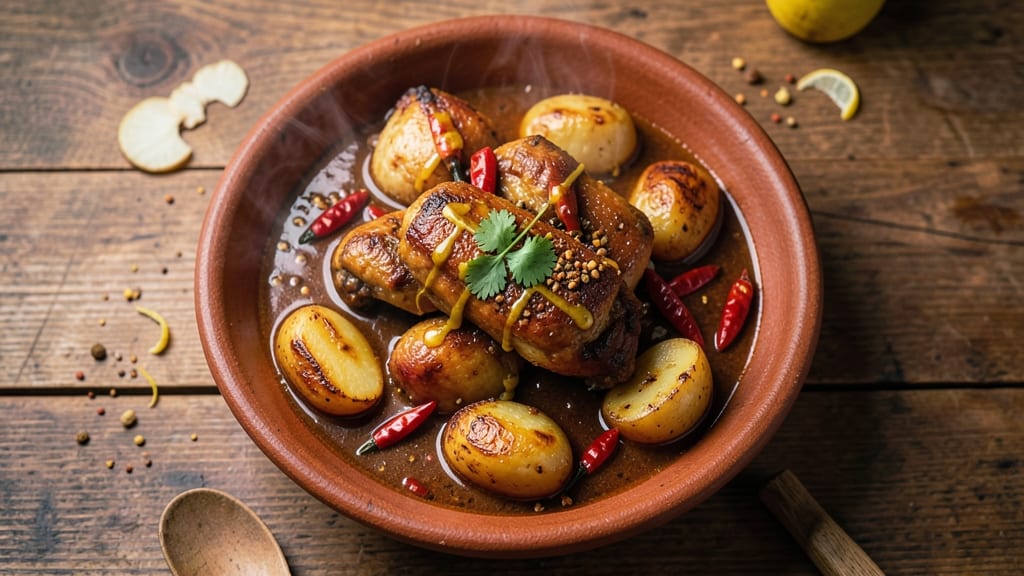
This authentic Bengali chicken curry recipe brings the soul of Kolkata to your kitchen—where mustard oil, panch phoron, and tender chicken slow-cook into a fragrant, spiced masterpiece. The secret lies in the mustard paste base and potato chunks that create a thick, velvety gravy, balancing heat and richness perfectly. I've simplified the process for modern kitchens while keeping the essence of Bengali home cooking alive.
What sets this curry apart is the mustard paste, made from whole mustard seeds and dried red chilies, which infuses the dish with a deep, nutty aroma. The chicken marinates overnight in yogurt and spices, ensuring tender meat that falls apart with every bite.
Potatoes add body to the curry, while panch phoron—a five-spice blend—gives it that unmistakable Bengali flavor profile.
By the time you serve it, you'll have a curry that's rich, aromatic, and perfectly balanced—neither too spicy nor too mild. The slow cooking melds all the flavors into harmony, creating a dish that pairs beautifully with steamed basmati rice or warm roti.
This is comfort food at its finest, a taste of home in every spoonful.
The best part? This recipe is adaptable—you can adjust the spice level to your taste while keeping the authenticity intact. Let's get cooking and bring a piece of Bengal to your table.
Ingredients for authentic bengali chicken curry
Mustard oil, panch phoron, and tender chicken—this curry needs just 17 ingredients for bold Bengali flavors.
| Ingredient | Amount | Notes |
|---|---|---|
| Chicken Thighs 🍗 | 1 ½ lb | Bone-in, skin-on preferred |
| Whole Potatoes 🥔 | 4 medium | Peeled, cut into 1-inch cubes |
| Mustard Seeds 🌶️ | ½ cup | Whole, yellow variety |
| Dried Red Chilies 🔥 | 4 whole | Adjust for spice preference |
| Panch Phoron 🌿 | 1 tbsp | Five-spice blend (mustard, fenugreek, fennel, cumin, nigella) |
| Fresh Ginger 🧄 | 2 tbsp | Grated, about 1-inch piece |
| Yellow Onion 🧅 | 1 whole | Finely chopped, about 1 cup |
| Plain Yogurt 🥛 | ½ cup | Full-fat for richness |
| Mustard Oil 🫒 | ½ cup | For authentic flavor |
| Fresh Green Chilies 🌶️ | 2 whole | Slit lengthwise, seeds removed |
| Medium Tomatoes 🍅 | 2 whole | Ripe, roughly chopped |
| Garlic Cloves 🧄 | 6 cloves | Minced, about 1 tbsp |
| Ground Cumin 🌿 | 1 tsp | Toasted for depth |
| Ground Turmeric 🌿 | ½ tsp | Freshly ground preferred |
| Ground Coriander 🌿 | 1 tsp | Freshly ground for brightness |
| Salt 🧂 | 1 ½ tsp | Adjust to taste |
| Fresh Cilantro 🌿 | ¼ cup | Chopped, for garnish |
The mustard seeds and panch phoron are non-negotiable for that authentic Bengali aroma. Whole mustard seeds toast beautifully in the oil—don't skip this step. For panch phoron, Indian grocery stores carry it pre-mixed, but you can blend the five spices yourself if you're ambitious. The chicken thighs are key—bone-in, skin-on stays juicier than breasts. Costco or local butchers often have great deals on whole thighs. If you can't find mustard oil, vegetable oil works in a pinch, but the flavor won't be quite the same.
No panch phoron? Mix 1/4 tsp each of mustard seeds, fenugreek, fennel seeds, cumin, and nigella—that's your DIY version. Fresh ginger and garlic can be swapped for powdered, but half the amount—fresh has way more punch. The tomatoes should be ripe but firm—Roma or vine-ripened hold up best to chopping. For extra richness, stir in 2 tbsp of coconut milk at the end. The yogurt marinade? Greek yogurt works too, just add a splash of water to thin it out.
This curry tastes even better the next day—make extra and freeze portions for up to 3 months. Store the marinade in the fridge for 24 hours max—the spices mellow over time. The potatoes can be prepped ahead and tossed with a little oil to prevent browning. Garnish with fresh cilantro right before serving—it wilts fast once chopped. Serve with basmati rice or warm naan for the full Bengali experience.
Why You'll Love This Recipe
- One-Pot Magic: I swear by this recipe—just toss everything into one pot, and the panch phoron does all the work. No chopping, no fuss, and the potatoes absorb that rich, spiced chicken flavor like a dream.
- Deep, Spiced Soul: That first crackle of mustard seeds and dried chilies? Pure magic. The panch phoron adds layers of warmth—nutty, floral, and just a hint of heat—that make this curry taste like home, even if I’m cooking in my tiny kitchen.
- Leftover Legend: Between us, this curry gets better the next day. The potatoes soften into perfect chunks, the chicken stays juicy, and reheating it takes two minutes. My freezer is packed with portions because I can’t resist making extra.
- Budget Feast: Chicken thighs and whole potatoes stretch this recipe into a full meal without breaking the bank. Honestly, it’s my go-to when I need to feed the family something hearty but simple—no fancy ingredients, just bold flavor.
Step-by-step instructions for authentic Bengali chicken curry
Here's how to create this rich, fragrant curry with its signature mustard paste and potato base.
Prepare the Mustard Paste and Spice Base
Heat the 0.5 cup mustard oil in a heavy-bottomed pan over medium-low heat. Add the 0.5 cup mustard seeds and let them splutter for 1-2 minutes until they begin to pop and turn golden. This is crucial—they should smell nutty and aromatic, not burnt.
Immediately add the 4 whole dried red chilies and 1 tbsp panch phoron, stirring constantly for 30 seconds. The spices will darken slightly and release their earthy fragrance. Remove from heat and let cool for 5 minutes—this prevents the oil from scorching when you add the wet ingredients later.
Cook the Potatoes and Chicken
In the same pan (no need to clean it—the spice residue adds flavor), add 2 tbsp fresh ginger and 1 whole yellow onion chopped. Sauté for 4-5 minutes until the onion turns translucent and the ginger loses its raw bite. Add the 4 medium whole potatoes cut into 1-inch cubes and cook for another 5 minutes, stirring occasionally.
Push the potatoes to one side and add the 1.5 lb chicken thighs skin-side down. Cook for 4 minutes until the skin becomes golden and crispy. Flip the chicken and cook for another 3 minutes, then add 0.5 cup plain yogurt and mix gently to coat everything. The yogurt will help tenderize the chicken and balance the spices.
Build the Curry Base
Add the 2 whole medium tomatoes chopped, 6 cloves garlic cloves minced, 2 whole fresh green chilies slit, 1 tsp ground cumin, 0.5 tsp ground turmeric, 1 tsp ground coriander, and 1.5 tsp salt. Stir well and cook for 5-6 minutes until the tomatoes soften and the mixture thickens slightly. The oil should separate slightly from the water content—this is normal and indicates the spices are releasing their flavors.
Pour in 1 cup water (enough to cover the potatoes halfway) and bring to a gentle simmer. Cover and cook for 15 minutes on low heat, stirring occasionally. The potatoes should be tender but not falling apart, and the chicken should be cooked through but still juicy. If the curry looks too dry, add 2-3 tablespoons water to maintain the right consistency.
Finish and Garnish
Once everything is tender, uncover the pan and let the curry reduce for 5 minutes on medium heat. This step intensifies the flavors and creates a thicker, more cohesive sauce. Taste and adjust the seasoning—Bengali curries should be balanced between spicy, tangy, and slightly sweet.
Garnish with 0.25 cup fresh cilantro chopped and serve hot with steamed rice or roti. The curry should have a rich, aromatic aroma with a perfect balance of spice, tang, and earthy notes. The mustard paste adds a unique depth that makes this curry truly authentic—don't skip this essential step!
Pro Tips For Making Authentic Bengali Chicken Curry
- Bloom the Panch Phoron: Toast the whole spices low and slow—about 30 seconds—until they smell like a Bengali kitchen should. I used to blast them on high and end up with bitter, burnt bits. The moment they sizzle, lower the heat and let them dance in the oil until fragrant.
- Parboil Potatoes First: Drop whole potatoes into boiling water for 5 minutes before adding them to the curry. This keeps them intact and prevents them from turning to mush—especially important if you’re using waxy varieties. (Yes, even if you’re impatient like me.)
- Salt the Chicken Early: Season the chicken thighs with salt right after cutting—let them sit 10 minutes before cooking. My grandmother swore by this, and she was right: the salt breaks down the fibers, so the meat stays juicy even after hours of simmering.
- Control the Mustard Oil: Let mustard seeds pop one at a time in the oil—if they burn, the whole dish tastes bitter. I learned this the hard way after ruining a batch. Keep the heat low until they’re all sizzling gently, then crank it up for the chilies.
Troubleshooting your authentic bengali chicken curry
Mustard Oil Scorching
If your mustard oil smells burnt or smoky, you’ve gone too far! Mustard seeds should splutter and pop for 1-2 minutes over medium-low heat—never let them turn dark brown. Remove from heat immediately if they start smoking.
For a second attempt, use fresh mustard oil and keep the heat lower. The oil should smell nutty and aromatic, not acrid. 🌶️
Chicken Too Dry
Overcooking chicken is the #1 culprit for dry curry. Remove thighs when they reach 165°F internal temperature—they’ll carry over cook. If your curry is too dry, add 2-3 tbsp water or coconut milk during the final 5-minute reduction.
For next time, reduce simmering time to 12-15 minutes instead of 15-20. The yogurt marinade helps, but don’t skip it!
Potatoes Mushy
Potatoes absorb liquid like sponges! If yours turn to mush, they were likely overcooked. Add potatoes after browning the chicken—this way, they cook in the residual heat and spices.
For firmer texture, reduce simmering time to 10 minutes and use smaller ½-inch cubes instead of 1-inch. The key is low and slow—never boil vigorously.
Lacking Depth
Flat flavor? Your mustard paste might be underdeveloped. Toast the mustard seeds and panch phoron for 30-45 seconds longer to deepen their aroma. For extra richness, add 1 tbsp yogurt at the end or stir in 2 tbsp coconut milk during the final reduction.
Fresh ginger and garlic are non-negotiable—powdered versions lack complexity. 💫
Spice Imbalance
Too spicy? Reduce dried red chilies to 2-3 next time. Too mild? Add 1 extra green chili or a pinch of cayenne. The secret balance comes from the mustard paste and panch phoron—don’t rush their toasting.
Taste as you go: Bengali curries should have a tangy, earthy, slightly sweet profile with heat in the background.
Oil Separation
Seeing oil pooling on top? This is normal and actually desirable! The oil separates from the water-based curry, creating a velvety texture. If it bothers you, stir gently before serving.
For a smoother finish, reduce heat to low during the final 5-minute reduction to let flavors meld. The oil adds richness—don’t drain it off! ⚡
Nutrition facts
Frequently asked questions
What makes this Bengali chicken curry different from other Indian curries?
This recipe uses mustard oil and panch phoron—key ingredients that give it that distinctive Bengali flavor. The mustard paste base creates a rich, nutty aroma, while potatoes add body instead of the creamier textures found in North Indian curries. The slow-cooked chicken stays tender, and the balance of spices creates a tangy, earthy profile rather than the heavy, creamy gravies you'd find in Punjabi dishes.
Can I substitute mustard oil with another oil?
While mustard oil is essential for authenticity, you can use vegetable or coconut oil in a pinch. However, the flavor won't be quite the same—the mustard oil adds a unique depth that's hard to replicate. If you're avoiding mustard oil due to its strong taste, try ghee for a richer alternative, but it will change the dish's character slightly.
How do I adjust the spice level for kids or sensitive eaters?
For milder heat, reduce the dried red chilies to 2-3 and remove seeds from the green chilies. If you still want spice but less heat, add 1 extra green chili instead of dried ones. The yogurt marinade also helps balance any spiciness. Always taste as you go—Bengali curries should be flavorful but not overwhelming.
What's the best way to store leftovers?
Store in an airtight container in the fridge for up to 3 days, or freeze for 3 months. The flavors actually improve overnight! Reheat gently on low heat with a splash of water to restore moisture. Avoid microwaving—it can make the curry greasy. For best results, reheat the curry and rice together to keep everything warm and aromatic.
Can I make this curry with chicken breasts instead of thighs?
You can try, but thighs are preferred because they stay juicier during slow cooking. If using breasts, cut them into smaller pieces and reduce cooking time to 10-12 minutes to prevent dryness. Marinate them for at least 4 hours (not overnight) to help tenderize the leaner meat. The texture will be slightly different, but the flavor will still be authentic.