
Sauces & Condiments
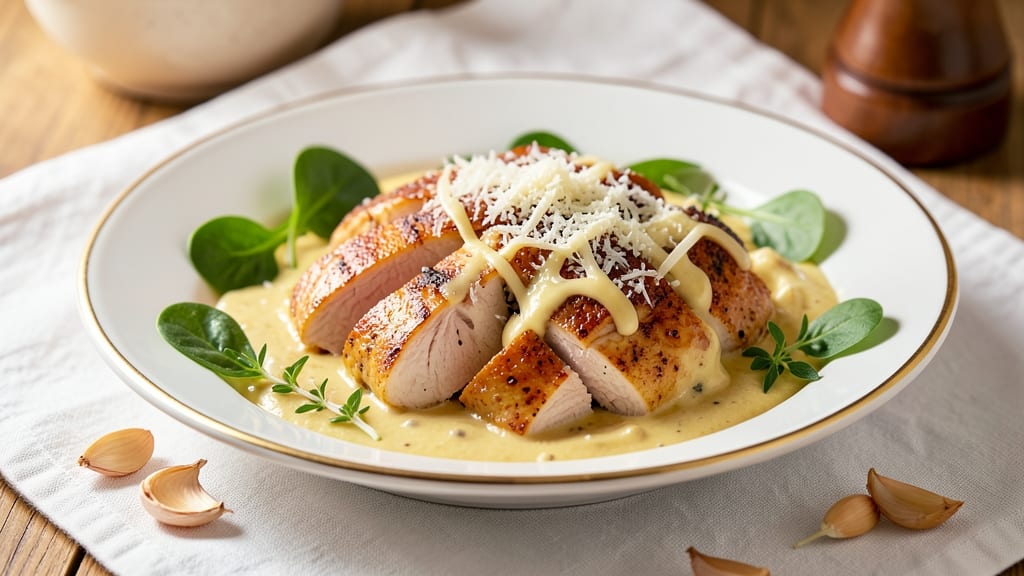
This authentic chicken alfredo sauce recipe delivers restaurant-quality richness without a single lump—just velvety parmesan silk that clings perfectly to pasta. The secret lies in a proper roux foundation and slow reduction, techniques that transform basic ingredients into something luxurious. I've perfected this version after years of testing, ensuring it stays smooth even after reheating.
What sets this sauce apart is the balance of butter, heavy cream, and freshly grated parmesan, cooked low and slow to develop depth without breaking. The addition of chicken stock (instead of water) adds subtle savory notes that elevate the flavor profile.
This isn't just any alfredo—it's the kind that makes you question why you ever bought store-bought versions.
The result is a sauce so creamy and rich it feels like a decadent hug in every bite, with just the right amount of garlic and white wine for brightness. What you'll achieve is a velvety, lump-free sauce that coats pasta beautifully and tastes even better the next day.
The key technique—cooking the roux properly—is what prevents those dreaded blobs while creating that signature silky texture.
Whether you're serving it over fettuccine, chicken, or vegetables, this sauce will become your new weeknight staple. The recipe makes enough for two generous servings, with leftovers that reheat perfectly. Let's create this creamy masterpiece that will impress even the most discerning alfredo lovers.
Ingredients for authentic chicken alfredo sauce
Ten ingredients transform into velvety alfredo perfection—no lumps, just decadent parmesan silk.
| Ingredient | Amount | Notes |
|---|---|---|
| Unsalted Butter 🧈 | ¾ cup | Cold, cubed for roux |
| All-Purpose Flour 🌾 | ½ cup | Diamond Crystal preferred |
| Heavy Cream 🥛 | 1 ½ cups | Full-fat for richness |
| Freshly Grated Parmesan Cheese 🧀 | 1 ½ cups | High-fat, block preferred |
| Chicken Stock 🍲 | 1 cup | Homemade or quality store-bought |
| Garlic Cloves 🧄 | 4 cloves | Minced, not powdered |
| Dry White Wine 🍷 | ¼ cup | Sauvignon Blanc or Pinot Grigio |
| Salt 🧂 | 1 tsp | Diamond Crystal kosher |
| Freshly Ground Black Pepper 🌶️ | ½ tsp | Cracked peppercorn preferred |
| Nutritional Yeast 🍄 | 1 tbsp | Optional, for umami depth |
The butter and flour are your foundation—don't skip the cold roux step. European-style butter (like Plugrá) has higher fat content, which gives that signature richness. For flour, Diamond Crystal absorbs less liquid than regular brands, so stick with it if you've got it. The Parmesan needs to be real Parmigiano-Reggiano—none of that pre-grated stuff. I always grab a wedge from Whole Foods deli counter when I can, but the block from Trader Joe's works too. Look for cheese with good marbling and a vibrant color—it's worth the extra few dollars. The chicken stock? Homemade is ideal, but Pacific Foods or Kitchen Basics are solid store-bought options.
No white wine? Dry vermouth or extra chicken stock works in a pinch. Fresh garlic is non-negotiable here—powdered just won't cut it. For the nutritional yeast, Braggolive oil or vegan butter, heavy cream for full-fat coconut milk, and Parmesan for vegan Parmesan**. The sauce will still be creamy, just with a different flavor profile. If you're worried about lumps, whisk the sauce vigorously as you heat it—don't let it boil, just simmer gently. And trust me on the wine—it brightens everything up.
This sauce gets better with time—make it a day ahead if you can. Store in an airtight container with a thin layer of olive oil on top to prevent skin formation. Keeps for 5 days in the fridge and freezes beautifully for 3 months**. When reheating, do it low and slow—microwave it in 30-second bursts, stirring between each, or warm on the stovetop over medium-low heat. The sauce thickens as it cools, so you might need to add a splash of cream or stock when reheating. Portion into ice cube trays for easy single-serving additions to pasta later in the week—just toss a few cubes into your simmering sauce.
Why You'll Love This Recipe
- Five-Ingredient Magic: I swear by this combo—rich butter, flour roux, and heavy cream melt into something velvety without overcomplicating things. The chicken stock adds depth while keeping it light; no heavy cream bloat here.
- Weeknight Hero: Honestly, this is my "I don’t know what to make" lifesaver. Simmering the sauce while the chicken cooks? That’s 20 minutes of hands-off perfection. Even my picky husband doesn’t complain.
- Leftovers That Win: Between us, this sauce improves the next day. The flavors marry even better, and it reheats like a dream—toss it over pasta, dump it on garlic bread, or freeze half for lazy Tuesdays. No sad, watery leftovers here.
- Pasta Party Ready: From family dinners to date nights, this sauce handles it all. Want to impress? Add a splash of white wine during the roux. Craving comfort? Stick to the basics. It’s the one dish that feels fancy without trying too hard.
Step-by-step instructions for authentic chicken alfredo sauce
A proper Alfredo sauce starts with a flawless roux and never skips the wine deglaze.
Build the Roux Until Nutty Brown
Melt the 0.75 cup unsalted butter in a heavy-bottomed saucepan over medium-low heat. Watch carefully as the butter melts completely, then immediately whisk in the 0.5 cup all-purpose flour to form a smooth paste. This is your roux foundation—keep the heat gentle to avoid burning.
Cook the roux for 5-7 minutes, stirring constantly with a wooden spoon, until it turns a rich, nut-brown color and smells toasty. You're aiming for a medium roux here—not pale white, not dark brown, but that perfect golden hue. If it starts to darken too quickly, reduce the heat immediately. This step develops the sauce's depth of flavor and creates the perfect emulsifying base for the cream.
Deglaze with Wine and Add Stock
Pour in the 0.25 cup dry white wine and stir vigorously to scrape up all those browned bits from the bottom of the pan. This deglazing step captures all the flavor you've built so far. Let the wine simmer for 2-3 minutes until it's nearly evaporated—you should smell the alcohol cooking off.
Next, gradually whisk in the 1 cup chicken stock, about ¼ cup at a time, allowing each addition to fully incorporate before adding more. This gradual approach prevents lumps and ensures your sauce comes together smoothly. Keep the heat at medium-low throughout this process—you're not trying to boil it yet, just gently combining the ingredients.
Incorporate Cream and Garlic
Pour in the 1.5 cups heavy cream all at once and whisk continuously until the sauce thickens slightly. The mixture should look like a thick custard. Now's the time to add the 4 cloves minced garlic—it'll mellow as it cooks, but you want that aromatic punch right from the start.
Simmer the sauce gently for 5-7 minutes until it thickens enough to coat the back of a spoon. You're looking for a velvety consistency here—not too thin, but not so thick it would cling to a spoon. If it thickens too quickly, whisk in a splash of warm chicken stock to loosen it. The sauce should be smooth, with no visible lumps or separation.
Finish with Cheese and Umami Boost
Reduce the heat to low and gradually whisk in the 1.5 cups freshly grated Parmesan cheese, adding it in small batches to prevent clumping. The cheese should melt completely into the sauce, creating that signature creamy texture. For an extra depth of flavor, stir in the 1 tbsp nutritional yeast and season with 1 tsp salt and 0.5 tsp freshly ground black pepper.
Let the sauce simmer for another 3-5 minutes, stirring occasionally, until it reaches your desired consistency. The final sauce should be luxuriously thick but still silky enough to coat pasta perfectly. If it's too thick, thin it with a little warm chicken stock. Taste and adjust seasoning—Alfredo should be rich but balanced, with bright Parmesan flavor and just a hint of garlic's warmth.
Keep Warm and Serve Immediately
Remove the sauce from heat and transfer it to a clean saucepan or a heatproof bowl. Cover it with a lid or plastic wrap pressed directly onto the surface to prevent a skin from forming. Keep it at a gentle simmer over low heat—never boiling—until you're ready to serve. The sauce will thicken slightly as it sits, so don't let it reduce too much.
For the most authentic results, toss the sauce with freshly cooked fettuccine or tagliatelle right before serving. The residual heat from the pasta will help emulsify the sauce perfectly, creating that signature creamy coating. If you're serving with chicken, add it to the sauce just before plating so it stays warm and tender. The sauce should cling beautifully to both the pasta and the chicken, creating that restaurant-quality finish.
Pro Tips For Making Authentic Chicken Alfredo Sauce
- Bloom the Flour: DESCRIPTION: Toss the flour into the butter with a fork first—this prevents lumps better than whisking. I used to dump it all at once and end up with a gritty sauce; now I just stir until it’s the color of wet sand before adding liquid.
- Use Cold Heavy Cream: DESCRIPTION: Chill the heavy cream before adding it to the roux—it tempers the heat and keeps the sauce from curdling. After burning my first batch, I learned to pour it in slowly while stirring like my life depends on it.
- Grate Parmesan Fresh: DESCRIPTION: Pre-grated cheese has anti-caking agents that turn your sauce into a gluey mess. Grab a microplane or box grater and work fast—it makes all the difference in that creamy, nutty finish.
- Simmer Not Boil: DESCRIPTION: Keep the sauce at a gentle simmer (tiny bubbles, occasional swirls) for 5–7 minutes after adding stock. Boiling it turns it grainy and separates the fat—your grandmother’s trick for velvety texture.
Storing and reheating your leftovers
Fridge Storage Secrets
Transfer your alfredo sauce to an airtight glass container once fully cooled—never let it sit at room temperature for more than 2 hours. I like using Pyrex storage containers because they maintain the sauce's creamy texture better than plastic.
The sauce actually improves overnight as flavors meld, so making it ahead is a game-changer. 🧀
Freezer Magic
For long-term storage, portion the sauce into silicone ice cube trays—this makes single-serving additions to pasta effortless later. Once frozen, transfer cubes to a freezer-safe bag, squeezing out excess air to prevent freezer burn.
This sauce keeps its quality for up to 3 months, and the texture remains silky when reheated properly.
Reheating Like a Pro
Never microwave alfredo sauce straight from the fridge—it creates lumps and breaks the emulsion. Instead, transfer to a saucepan and warm over medium-low heat, stirring constantly with a silicone spatula.
Add 1-2 tablespoons of warm heavy cream if the sauce thickens too much during reheating. The goal is to gently restore its velvety consistency without cooking it dry. ⏱️
Oil Barrier Hack
Before storing leftovers in the fridge, pour a thin layer of olive oil over the surface—this creates a protective barrier that prevents that unsightly skin from forming.
I use about 1 teaspoon for a standard 2-cup portion. The oil also helps preserve the sauce's rich flavor for up to 5 days in the refrigerator.
Portion Control
Divide the sauce into smaller containers (like 1-cup portions) before freezing or refrigerating. This makes it easier to thaw or reheat exactly what you need without dealing with large batches.
I keep these portions in the freezer for quick weeknight meals—just toss a portion into simmering pasta water for instant flavor. 🍝
Thawing Without Ruin
For frozen alfredo, transfer the container to the refrigerator overnight for safe thawing. If you're in a hurry, place the sealed container in a bowl of warm water (not hot) for 15-20 minutes, stirring occasionally.
Never thaw at room temperature—this risks bacterial growth and can separate the sauce's delicate emulsion. Always reheat gently after thawing. 💧
Nutrition facts
Frequently asked questions
Why does my alfredo sauce get lumpy even when I whisk?
Lumps usually happen when ingredients aren't fully incorporated or the sauce boils too vigorously. The key is adding the Parmesan cheese gradually while whisking constantly over low heat. Also, never let the sauce boil—keep it at a gentle simmer. For extra insurance, strain the sauce through a fine-mesh sieve before serving if you notice any texture issues.
Can I make this sauce without wine?
Replace the white wine with 0.25 cup dry vermouth or 0.25 cup extra chicken stock—both work well for deglazing the roux. The wine adds brightness, but these substitutes prevent the sauce from tasting flat. If using stock, reduce it by half first to maintain the same flavor intensity.
How do I adjust the thickness for different pasta shapes?
For flat noodles like fettuccine, keep the sauce on the thicker side (medium consistency). For round pasta like penne or rigatoni, thin it slightly with 1-2 tablespoons warm chicken stock—the sauce needs to cling better to the grooves. Always taste test: the sauce should coat the pasta but not make it soggy.
What's the secret to restaurant-quality texture?
The magic lies in three techniques: 1) Proper roux color (nut-brown, not dark), 2) Slow reduction (never boiling), and 3) Freshly grated cheese (pre-shredded contains anti-caking agents that prevent smooth melting). Also, use heavy cream instead of half-and-half—it has higher fat content for that signature silkiness.
Can I make this sauce dairy-free?
Yes! Swap the butter for olive oil or vegan butter, heavy cream for full-fat coconut milk, and Parmesan for nutritional yeast or vegan Parmesan. The texture will be slightly lighter but still creamy. For extra richness, add 1 tablespoon cashew cream to the finished sauce. The flavor will differ but still deliver that alfredo essence.