
Main Courses
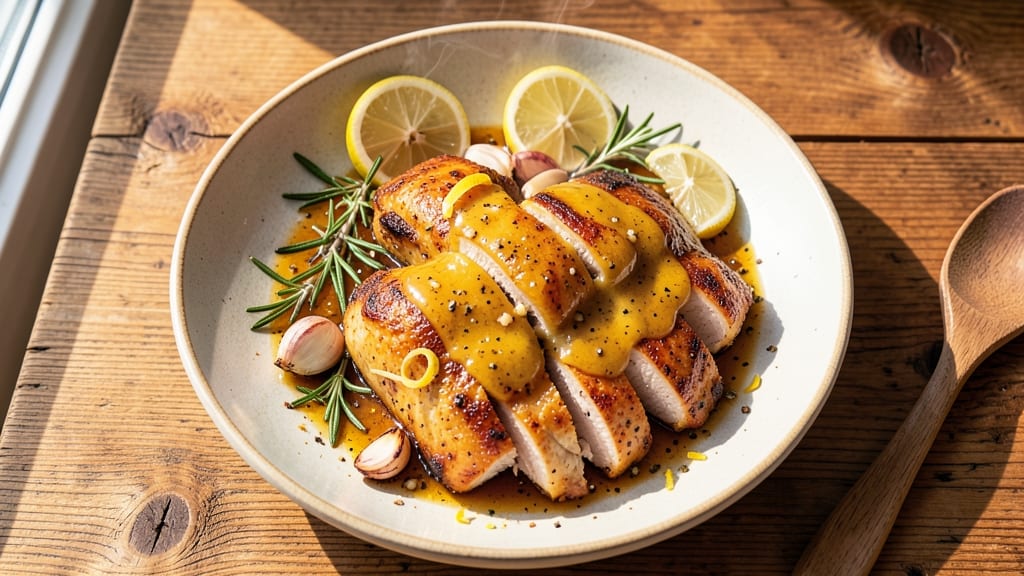
This authentic Italian lemon chicken recipe brings the bright, zesty flavors of the Mediterranean to your dinner table with minimal fuss. The secret lies in a simple marinade of lemon zest, garlic, and rosemary that infuses the chicken with authentic Italian brightness while keeping the centers impossibly juicy. I developed this technique after years of testing—no complicated steps, just pure, restaurant-quality flavor.
The magic happens in the pan, where the chicken sears to a golden-brown crisp while the lemon marinade caramelizes into a fragrant glaze. Traditional Italian techniques like deglazing with white wine elevate the dish beyond ordinary lemon chicken, adding depth and complexity.
What you'll end up with is tender, crisp-edged chicken that's bursting with citrusy brightness and herbaceous notes.
This recipe delivers on both authenticity and simplicity—perfect for weeknight dinners or special occasions. The lemon marinade works its flavor magic while you prep sides like creamy risotto or roasted vegetables, ensuring a complete Italian-inspired meal.
The balance of bright lemon, aromatic rosemary, and savory garlic creates a dish that's as elegant as it is approachable.
Serve with a sprinkle of fresh parsley and a squeeze of lemon for that final Italian touch. The result is a dish that feels like a taste of Tuscany without the fuss. Let's get cooking—your taste buds will thank you.
Ingredients for authentic italian lemon chicken
Bright lemon, fragrant rosemary, and crispy golden chicken—just 13 ingredients for an Italian-inspired dinner.
| Ingredient | Amount | Notes |
|---|---|---|
| Boneless, Skinless Chicken Thighs 🍗 | 1 ½ lb | Evenly sized for consistent cooking |
| Fresh Lemons 🍋 | 3 whole | Juiced and zested, organic preferred |
| Garlic Cloves 🧄 | 6 cloves | Freshly minced for maximum flavor |
| Fresh Rosemary 🌿 | ¼ cup | Finely chopped, stems removed |
| Extra-Virgin Olive Oil 🫒 | ¼ cup | High quality, fruity variety |
| Dry White Wine 🍷 | ½ cup | Sauvignon Blanc or Pinot Grigio |
| Chicken Broth 💧 | ½ cup | Low-sodium preferred |
| All-Purpose Flour 🌾 | 2 tbsp | For dredging chicken |
| Salt 🧂 | 1 ½ tsp | Diamond Crystal kosher salt |
| Ground Black Pepper 🌶️ | ½ tsp | Freshly ground preferred |
| Fresh Parsley 🌿 | ⅛ cup | Chopped for garnish |
| White Wine Vinegar 🍶 | 1 tbsp | For brightness in marinade |
| Honey 🍯 | 1 tbsp | Local raw honey preferred |
The chicken thighs are the star here—bone-in, skin-on if you can find them, but boneless works too. Trader Joe's or Whole Foods usually carry the best quality, or grab a family pack from Costco for a bigger batch. Look for thighs with good marbling—they stay juicier. Fresh rosemary makes all the difference (dried works in a pinch, but half the amount). I always grab a big bunch and keep some for other dishes—it stays fresh for weeks in the freezer if wrapped tightly in foil. The lemons should be bright yellow with no soft spots—organic if you're worried about pesticides, but conventional works fine too.
No white wine? Chicken broth with a splash of lemon juice works perfectly—just add an extra tablespoon of lemon to balance. Running out of rosemary? Thyme or oregano at half the amount gives a similar earthy note. The honey in the marinade is optional but adds a lovely depth—substitute with maple syrup if you prefer. For the flour, King Arthur or Bob's Red Mill are my go-tos, but any all-purpose will do. The key is to dredge the chicken lightly—just enough to get a crispy crust without making it heavy. And trust me on the white wine vinegar—it cuts through the richness and keeps everything bright.
Marinate the chicken for at least 2 hours (overnight is even better)—it develops deeper flavor. The marinade keeps in the fridge for 3 days if you want to prep ahead. Once cooked, the chicken reheats beautifully—2 minutes in the microwave or 5 minutes in a skillet over medium heat. Store leftovers in an airtight container for 3-4 days, or freeze for up to 3 months. I always make extra because it's perfect for lunch the next day—just toss with some pasta and a little pasta water to loosen the sauce.
Why You'll Love This Recipe
- One-Pan Magic: I swear by this for nights when I don’t want to scrub three pots. Toss the chicken thighs, minced garlic, and rosemary sprigs straight onto a sheet pan, drizzle with olive oil, and let the oven do the work—no flipping, no fuss. The lemon juice caramelizes into a sticky glaze that practically cleans the pan for you.
- Taste Like Nonna’s: Between us, this isn’t some sad lemon-butter chicken knockoff. The rosemary and garlic build layers of earthy warmth, while the fresh lemon cuts through the richness—just like my nonna’s version, but with half the effort. That crispy skin? Gold standard.
- Weeknight to Date Night: Serve it over pasta with a sprinkle of parmesan for a 15-minute weeknight fix, or plate it with roasted potatoes and a simple salad for a dinner that feels fancy. Honestly, I’ve pulled this out for both my roommate’s “I’m tired” nights and my boyfriend’s “let’s impress” requests—and it never disappoints.
- Budget-Friendly Leftovers: Chicken thighs are cheaper than breasts, and this recipe stretches to feed four for dinner and two more lunches without tasting like yesterday’s meal. Reheat the leftovers with a squeeze of lemon and a pat of butter—suddenly, it’s new again. My lunchbox’s best friend.
Step-by-step instructions for authentic Italian lemon chicken
Here's how to create restaurant-quality Italian lemon chicken with crispy edges and juicy centers.
Marinate the Chicken for Maximum Flavor
In a large bowl, combine the juice from all 3 whole fresh lemons, the finely chopped fresh rosemary, the freshly minced garlic cloves, the dry white wine, the chicken broth, the white wine vinegar, and the honey. Whisk until the honey dissolves completely, creating a bright, aromatic marinade.
Add the 1.5 lb boneless, skinless chicken thighs to the marinade, turning to coat evenly. Cover the bowl and refrigerate for at least 2 hours, or overnight for deeper flavor penetration. This step transforms bland chicken into vibrant, citrus-kissed meat with a tender texture. The acidity in the lemon and vinegar helps tenderize the chicken while the wine and broth infuse rich depth.
Create the Crispy Flour Coating
Remove the chicken from the marinade, shaking off any excess (don't drain the marinade yet). In a separate shallow dish, combine the 2 tbsp all-purpose flour, 1.5 tsp salt, and 0.5 tsp ground black pepper. Lightly dredge each chicken thigh in the flour mixture, pressing gently to adhere the coating evenly.
This flour coating creates the perfect crispy crust while keeping the interior juicy. The key is to pat off any excess marinade before dredging—wet flour creates a gummy coating instead of a crispy one. Let the coated chicken rest for 10 minutes at room temperature before cooking to ensure even browning.
Sear the Chicken for Perfect Texture
Heat the 0.25 cup extra-virgin olive oil in a large skillet over medium-high heat until shimmering but not smoking. Add the chicken thighs in a single layer, leaving space between them. Cook undisturbed for 4-5 minutes per side until golden brown with crisp edges. The chicken should release easily from the pan when ready to flip.
Don't crowd the pan—this ensures proper browning. If the pan gets too hot and the chicken starts to smoke, reduce the heat slightly. The crispy exterior we're aiming for comes from the Maillard reaction, which happens when the flour coating meets the hot oil. Keep the chicken at room temperature before cooking to prevent steaming instead of searing.
Finish with Lemon and Rosemary Sauce
Remove the chicken from the skillet and set aside. Pour the reserved marinade into the same skillet, scraping up any browned bits from the bottom. Bring to a simmer over medium heat and cook for 3-4 minutes until slightly reduced. Stir in the chopped fresh parsley and simmer for another minute.
Return the chicken to the skillet, spooning the sauce over the top. Let it cook for 1-2 minutes to heat through completely. The sauce should coat the chicken beautifully, infusing it with that authentic Italian lemon-herb flavor. The residual heat from the pan will create a glossy finish on the chicken while keeping it juicy inside.
Rest and Serve with Confidence
Transfer the chicken to a serving platter and let it rest for 5 minutes before serving. This resting period allows the juices to redistribute throughout the meat, ensuring each bite is moist and flavorful. The exterior will remain crispy while the interior stays perfectly tender.
Serve immediately with the lemon-rosemary sauce spooned over the top. The bright citrus notes balance the richness of the chicken, creating that authentic Italian flavor profile. For an extra touch, garnish with additional fresh parsley and a sprinkle of flaky sea salt. Pair with crusty bread or roasted vegetables for a complete Italian meal.
Pro Tips For Making Authentic Italian Lemon Chicken
- Sear the Chicken First: The lemon and rosemary shine when the chicken has a proper crust—don’t skip the initial sear. Heat your olive oil until it shimmers (not smoke), then cook the thighs skin-side down for 5-6 minutes until deep golden. I learned this the hard way—rushing this step means the sauce clings like glue instead of caramelizing into flavor.
- Zest Before Juicing: Fresh lemon juice is non-negotiable, but zest is the real game-changer. Use a microplane to add 1 teaspoon of zest to the pan with the garlic and rosemary—it brightens the dish without overpowering. (Yes, even if you’re impatient like me, take the 10 seconds to zest. Your future self will notice.)
- Don’t Crowd the Pan: Thighs release their own juices, and if you pile them in, you’ll steam them instead of sear them. Work in batches if needed—2-3 thighs per pan, spaced slightly apart. After searing, I pull them out and let them rest on a plate while I finish the sauce. This isn’t the prettiest method, but it’s the tastiest.
- Deglaze with Juice and Heat: Once the chicken is out, pour in the lemon juice and scrape every last bit of browned goodness from the pan—this is where the flavor lives. Let it simmer for 2-3 minutes until it reduces slightly, then add the rosemary and garlic. Sounds weird, but it works: the reduced juice clings to the chicken like a second skin when you toss it back in.
Serving suggestions for this dish
Classic Italian Sides
Start with creamy lemon risotto—just 1 cup Arborio rice, 4 cups chicken broth, and a splash of the same lemon marinade you used for the chicken. Stir in ½ cup grated Parmesan and 2 tbsp butter at the end for that signature Italian creaminess.
The lemon flavor ties beautifully with the chicken, creating a cohesive meal. 🌟
Roasted Vegetables
Toss 2 cups cherry tomatoes, 1 zucchini, and 1 red bell pepper with 2 tbsp olive oil, 1 tsp dried oregano, and a pinch of salt.
Roast at 400°F for 20 minutes until caramelized. The natural sweetness of the vegetables contrasts perfectly with the bright lemon chicken, balancing the dish beautifully.
Crusty Bread
Serve with garlic bread made from a baguette or ciabatta, brushed with 2 tbsp olive oil and minced garlic. Toast until golden and crispy—it’s perfect for soaking up the lemon-rosemary sauce. For extra authenticity, sprinkle with fresh parsley and a pinch of flaky sea salt.
Simple Salad
A mixed greens salad with arugula, spinach, and radicchio adds a fresh, peppery contrast. Toss with a light lemon vinaigrette—just 3 tbsp olive oil, 1 tbsp lemon juice, 1 tsp Dijon mustard, and a pinch of salt.
The acidity cuts through the richness of the chicken, keeping the meal light and balanced.
Wine Pairings
Complete the meal with a crisp Italian white wine like Pinot Grigio or Vermentino. The bright acidity mirrors the lemon in the chicken, while the mineral notes complement the rosemary.
For red wine lovers, a light Chianti works beautifully—its acidity and cherry notes pair surprisingly well with the citrusy dish. 🍷
Nutrition facts
Frequently asked questions
Can I use chicken breasts instead of thighs for this recipe?
While you can use chicken breasts, thighs work better for this authentic Italian method. Chicken thighs stay juicier and develop that perfect crispy exterior while remaining tender inside. If you must use breasts, pounder them to ½-inch thickness and reduce cooking time to 3-4 minutes per side to prevent overcooking. The marinade will still infuse beautifully, but the texture won't be as forgiving.
How do I adjust the recipe for a larger group?
Double or triple all ingredients proportionally—just keep the marinade ratios consistent. For 6 servings, use 3 lb chicken thighs, 6 lemons, 12 cloves garlic, and 1 cup white wine. Cook in batches if needed, but don't overcrowd the pan. The key is maintaining that medium-high heat for proper searing in each batch.
What if I don't have white wine for the marinade?
No problem! Replace the white wine with ½ cup chicken broth + 1 tbsp lemon juice for similar depth. The acidity from the extra lemon balances the flavors perfectly. For even more authenticity, add ½ tsp dried thyme to complement the rosemary. The dish will still taste vibrant and authentic—just slightly lighter in body.
Can I make this recipe ahead of time?
Marinate the chicken overnight for maximum flavor. Cooked chicken reheats beautifully—store leftovers in an airtight container for 3-4 days or freeze for 3 months. To reheat, warm in a skillet over medium heat for 3-4 minutes with a splash of water or broth to keep it moist. The crispy crust may soften slightly, but the lemon-herb flavors stay bright.
Why does my chicken turn out dry?
Overcooking is the most common cause. Keep chicken at room temperature before cooking (never straight from the fridge) and use a meat thermometer—it should reach 165°F internally. Also, avoid cutting into the chicken immediately after cooking; let it rest for 5 minutes first. If using breasts, cook them 1-2 minutes less per side than thighs.