
Main Courses
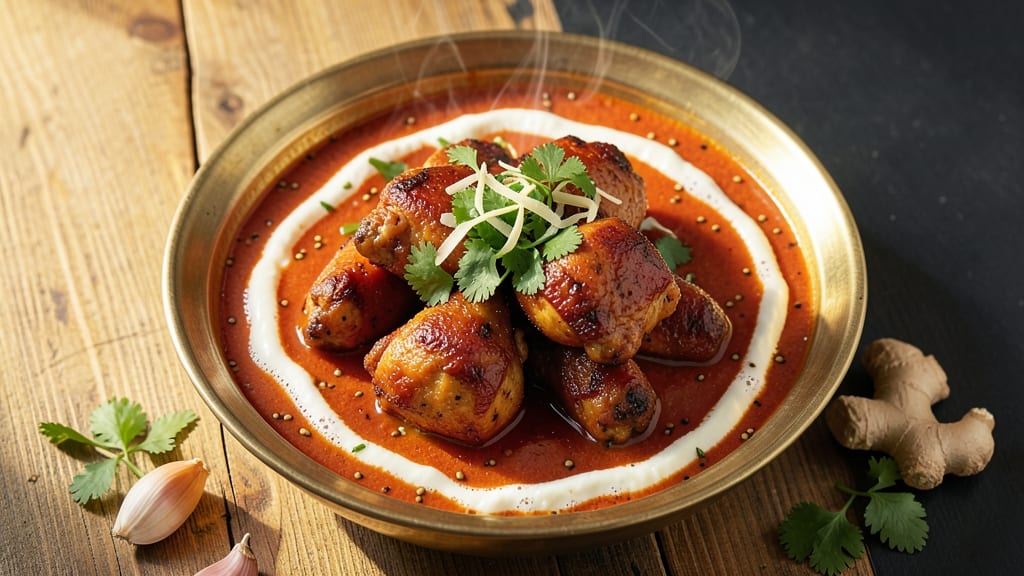
This authentic Punjabi chicken curry delivers the smoky, garlicky depth that defines regional Punjab cuisine—where tamarind and slow-cooked onions create a base that intensifies with every simmer. The secret lies in layering spices through tempering, a technique that releases their full aromatic potential while keeping the heat balanced.
I've perfected this recipe after years of studying family traditions, ensuring the flavors evolve from bright to complex as they meld together.
The process begins with marinating chicken in yogurt and a blend of whole spices, which tenderizes the meat and infuses it with warmth. As the curry simmers, the onion gravy develops a caramelized richness, while tamarind adds a subtle tang that cuts through the richness.
This isn't just a curry—it's a flavor journey that starts with garlic and ginger, deepens with spices, and finishes with fresh cilantro that brightens every bite.
What makes this dish truly authentic is the attention to detail: the slow cooking that develops depth, the precise tempering of spices, and the final garnish of fresh herbs.
The result is a curry that's rich yet balanced, with layers of smoky, garlicky, and slightly sweet flavors that come together perfectly. Serve it with warm naan or basmati rice to complete the experience—this is Punjabi comfort food at its finest.
For those new to regional Indian cooking, this recipe includes adjustments for spice levels while maintaining authenticity. The curry contains dairy (ghee) and can include gluten if using wheat flour for thickening, so be mindful of dietary needs.
Let's create a dish that captures the heart of Punjab in every spoonful.
Ingredients for authentic punjabi chicken curry
Authentic Punjabi flavors start with these carefully chosen ingredients—where smoky spices and tangy tamarind create a symphony of depth.
| Ingredient | Amount | Notes |
|---|---|---|
| Boneless Chicken Thighs 🍗 | 1 ½ lb | Skin-on preferred for flavor |
| Plain Yogurt 🥛 | 1 cup | Full-fat for creaminess |
| Garam Masala 🌶️ | 1 tbsp | Freshly ground for authenticity |
| Ground Cumin 🌿 | 1 tsp | Toasted for deeper aroma |
| Ground Coriander 🌿 | 1 tsp | Freshly ground preferred |
| Turmeric Powder 🧂 | ½ tsp | Bright yellow for color |
| Red Chili Powder 🌶️ | ½ tsp | Adjust for heat preference |
| Garlic Cloves 🧄 | 8 cloves | Peeled and minced finely |
| Fresh Ginger 🌿 | 1 tbsp | Grated, not powdered |
| Yellow Onions 🧅 | 2 whole | Thinly sliced for caramelization |
| Tamarind Paste 🍈 | 2 tbsp | High-quality, no pulp |
| Clarified Butter (Ghee) 🧈 | 3 tbsp | For authentic richness |
| Fresh Cilantro 🌿 | ¼ cup | Chopped, for garnish |
| Fresh Green Chilies 🌶️ | 2 whole | Slit lengthwise for heat |
| Salt 🧂 | 1 ½ tsp | Adjust to taste |
The chicken thighs are non-negotiable here—skin-on for that crispy, flavorful finish. Look for bone-in, skin-on thighs at your local Indian grocery or butcher shop, where the quality is superior. The garam masala is the soul of this dish, so buy it from a specialty spice shop like Spicewalla or Burlap & Barrel—pre-ground spices lose their punch quickly. Tamarind paste should be thick and pulpy-free; Fruit & Spice or Mezban brands are reliable. Fresh ginger and garlic are essential—powdered versions won't deliver the same complexity. Toast your cumin and coriander seeds before grinding for an extra layer of warmth.
No garam masala? Blend equal parts cumin, coriander, cinnamon, cardamom, and cloves for a DIY version. Short on tamarind? Lemon juice or vinegar at half the amount works in a pinch, though it won't replicate that authentic tang. The yogurt must be plain—flavored versions throw off the balance. For extra richness, add a splash of heavy cream at the end. If you're avoiding gluten, skip the flour and let the onions caramelize fully—they'll create a natural thickening. The green chilies can be omitted entirely for a milder heat, but the slit lengthwise lets you control the spice level perfectly.
This curry tastes even better the next day as the flavors meld. Store leftovers in an airtight container in the fridge for up to 4 days. For longer storage, freeze portions for 3 months. The ghee solidifies when chilled, so reheat gently over low heat to maintain its silky texture. Garnish with fresh cilantro just before serving—it brightens the dish and adds a pop of color. Serve with warm naan or basmati rice to soak up every last drop of that smoky, garlicky goodness.
Why You'll Love This Recipe
- Foolproof Marination: I swear by the yogurt marinade—just chicken, yogurt, and a pinch of cumin. Let it sit while you prep the rest, and the meat stays juicy. No fancy techniques, just time (and a little patience).
- Warmth in Every Bite: That garam masala and coriander blend? It’s the soul of the dish. Rich, earthy, with just enough spice to linger—like a hug in curry form.
- Leftovers That Beg for More: Between us, this curry tastes even better the next day. The flavors meld, the spices deepen, and I’ve reheated portions for lunch without a single complaint.
- Budget-Friendly Crowd-Pleaser: Chicken thighs stretch far, and pantry staples like garam masala and coriander cost pennies. Feed the whole family or freeze portions—no guilt, just great food.
Step-by-step instructions for authentic Punjabi chicken curry
This method delivers restaurant-quality depth with its signature smoky garlic-tamarind foundation.
Marinate the Chicken for Maximum Flavor
In a large bowl, combine the 1.5 lb boneless chicken thighs with the 1 cup plain yogurt, 1 tbsp garam masala, 1 tsp ground cumin, 1 tsp ground coriander, 0.5 tsp turmeric powder, 0.5 tsp red chili powder, 1.5 tsp salt, and 1 tbsp grated fresh ginger. Mix thoroughly until every piece of chicken is evenly coated in the marinade.
Cover the bowl and refrigerate for at least 4 hours or overnight. This long marinating time ensures the spices penetrate deeply and the yogurt tenderizes the meat. The marinade should look thick and cling to the chicken—if it's too thin, add a spoonful of yogurt to bind it. For best results, marinate overnight as this allows the flavors to meld completely.
Build the Smoky Garlic-Tamarind Base
Heat 3 tbsp clarified butter (ghee) in a heavy-bottomed pot over medium heat. Add the 2 whole yellow onions sliced thinly and cook for 8-10 minutes until they turn golden brown and caramelized. This step is crucial for developing the rich, sweet foundation of the curry.
Add the 8 cloves minced garlic and 2 slit green chilies to the pot. Cook for 2-3 minutes until the garlic turns golden and fragrant. Then stir in the 2 tbsp tamarind paste and cook for another 2 minutes until it dissolves completely. The tamarind adds that signature tangy depth that defines authentic Punjabi curries. Keep the heat at medium to prevent burning the spices.
Cook the Marinated Chicken Thoroughly
Remove the chicken from the marinade (reserve the marinade) and add it to the pot. Cook for 8-10 minutes on medium-high heat, stirring occasionally, until the chicken develops golden-brown spots. This searing step helps develop a rich crust that adds texture to the final dish.
Pour the reserved marinade over the chicken and stir well to combine. Reduce the heat to low and let the mixture simmer uncovered for 15 minutes. This slow cooking allows the chicken to absorb all the flavors while preventing the yogurt from curdling. The curry should begin to thicken slightly as it simmers, but don't rush this process—patience is key for authentic flavor development.
Simmer to Perfection and Finish with Fresh Herbs
Increase the heat to medium and bring the curry to a gentle boil. Reduce heat to low again and let it simmer uncovered for 20-25 minutes, stirring occasionally. The chicken is done when it's fork-tender and the sauce has thickened to a rich consistency. You'll know it's ready when the sauce coats the back of a spoon and the chicken easily pulls apart.
Stir in the 0.25 cup chopped fresh cilantro just before serving. This final step adds a bright, fresh contrast to the rich, smoky flavors of the curry. Taste and adjust the seasoning if needed—you may need to add a pinch more salt or a dash of red chili powder to achieve the perfect balance of flavors. Serve hot with steamed basmati rice or warm naan bread for the complete Punjabi experience.
Pro Tips For Making Authentic Punjabi Chicken Curry
- Marinate Chicken Overnight: Skip the rushed marinade—let those thighs soak in yogurt for at least 6 hours (or overnight if you can). I used to cut corners with a 2-hour marinade, and the chicken always tasted dry. The yogurt tenderizes better with time, and the spices penetrate deeper.
- Bloom Spices in Hot Oil: Heat your oil until it shimmers, then add cumin and coriander. Let them sizzle for 30 seconds before tossing in onions—this wakes up their flavor. I learned this the hard way when my curry tasted bland because I rushed this step.
- Avoid Overcrowding the Pan: Cook the chicken in batches if needed—packing the pan steams the meat instead of searing it. I once tried to rush this and ended up with soggy, unevenly cooked thighs. A little patience here makes all the difference.
- Finish with Fresh Garam Masala: Stir in garam masala off the heat for the last 30 seconds—this keeps its bright aroma from burning. I was skeptical until I tried it; now it’s non-negotiable for that authentic Punjabi depth.
Make-ahead tips for this authentic punjabi chicken curry
Marinade Prep Ahead
Prepare the chicken marinade up to 2 days in advance and store it in an airtight container in the fridge. The flavors deepen as the spices infuse, making the chicken more tender and aromatic. I like to marinate overnight, but even 4 hours makes a noticeable difference.
For extra convenience, pre-grate the ginger and mince the garlic ahead of time—store them in small containers with plastic wrap pressed directly on the surface to prevent browning. 🌿
Onion Gravy Shortcut
Caramelizing onions takes time, but you can speed it up by using pre-sliced onions from the produce section. For even faster prep, make the onion gravy base a day ahead and refrigerate it in an airtight container. Reheat gently over low heat with 1 tbsp ghee before adding the chicken.
This method preserves the sweetness and depth of the onions without overcooking them. Just add the garlic and tamarind fresh when ready to cook. 🧅
Slow Cooker Option
Transform this into a hands-off meal by using a 6-quart slow cooker. After searing the chicken and building the base, transfer everything to the slow cooker and cook on low for 4-5 hours or high for 2-3 hours.
The slow cooker maintains consistent heat, allowing the flavors to meld beautifully. Just stir in the cilantro at the end—it won't survive the long cook time. This method is perfect for busy weeknights when you want authentic flavors without constant attention. 🍲
Freezer-Friendly Strategy
Assemble the entire curry (except cilantro) up to 3 months ahead and freeze it in a quart-sized freezer bag. Leave 1 inch of headspace for expansion, and seal tightly to prevent freezer burn.
When ready to serve, thaw overnight in the fridge, then reheat gently over low heat with a splash of water or broth to restore moisture. The flavors actually improve after freezing, making this a great make-ahead option for gatherings. 🧊
Portion Control Tips
Divide the curry into individual 1-cup portions before freezing or refrigerating. This makes it easy to reheat just what you need without dealing with a large pot. Store portions in glass containers with tight-sealing lids—they reheat more evenly than plastic.
For quick lunches, reheat portions in a microwave-safe bowl on 50% power for 2-3 minutes, stirring halfway through. Always garnish with fresh cilantro after reheating to keep it vibrant. ✨
Flavor Boost Before Serving
Revive slightly flat flavors by adding a ½ tsp garam masala or a splash of warm water while reheating. For extra richness, stir in 1 tbsp ghee at the end. If the curry seems too thick after reheating, thin it with a little water or broth.
Always finish with fresh cilantro—it brightens the dish and makes it taste freshly made. This simple step can transform a reheated curry into something restaurant-worthy. 💡
Nutrition facts
Frequently asked questions
Why does this Punjabi chicken curry need such a long marinating time?
The extended 4-24 hour marinade is essential for two reasons: it tenderizes the chicken while allowing the garam masala and yogurt to deeply penetrate the meat. This creates that signature smoky, aromatic flavor profile that defines authentic Punjabi dishes. The yogurt also helps prevent the chicken from drying out during the long simmer.
Can I make this curry less spicy?
Reduce the red chili powder to ¼ tsp or omit the green chilies entirely. For a milder heat, add them only at the end and remove before serving. The tamarind and garam masala will still provide that authentic Punjabi tang and warmth without the spice. Always taste as you go—adjustments can be made at any stage.
What's the secret to getting that perfect caramelized onion base?
Patience is key! Cook the onions on medium heat for 8-10 minutes until they're golden brown, not burnt. Stir occasionally to prevent sticking. The slow caramelization develops natural sweetness that forms the rich foundation of the curry. If they darken too quickly, reduce the heat immediately.
How do I know when the chicken is fully cooked?
The chicken is done when it reaches an internal temperature of 165°F and easily pulls apart with a fork. The sauce should also thicken to a rich consistency that coats the back of a spoon. If using a meat thermometer, insert it into the thickest part of the thigh—this ensures perfect doneness every time.
Can I substitute yogurt with something else?
For authenticity, yogurt is ideal as it tenderizes the meat and adds creaminess. In a pinch, you could use sour cream or even coconut yogurt**, but the flavor will differ slightly. Never use sweetened yogurt—the sugar will alter the balance of flavors in this traditional dish.