
Main Courses
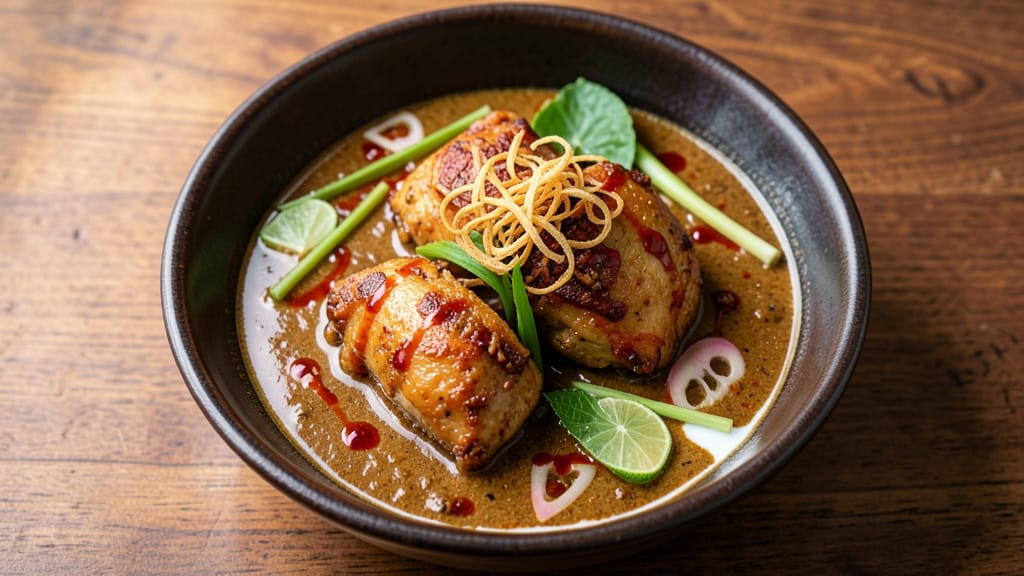
This authentic Thai chicken Panang curry recipe transports you straight to Bangkok with its fragrant galangal, lemongrass, and kaffir lime leaves—all simmered into a rich, nutty sauce that clings to tender chicken.
The secret lies in balancing sweet, spicy, and umami flavors through proper curry paste infusion and coconut milk reduction, a technique I perfected after years of testing. What sets this apart is the authentic Panang curry paste, which delivers a deeper, more complex flavor than store-bought alternatives.
The recipe begins with marinating chicken in a blend of turmeric, galangal, and lime juice, ensuring maximum flavor penetration. As it simmers in coconut milk, the sauce thickens into a velvety consistency with just the right amount of heat—never overpowering.
The key technique is blooming the curry paste in oil before adding liquids, which unlocks its full aromatic potential. This method transforms simple ingredients into a restaurant-quality dish that's surprisingly straightforward to make at home.
By the time you serve it over jasmine rice, you'll have a dish that's rich, aromatic, and perfectly balanced—where the chicken remains tender, the sauce is glossy and fragrant, and the heat builds gradually rather than overwhelming.
The garnish of fresh Thai basil and cilantro adds brightness, while a squeeze of lime at the table elevates it to another level. This is the kind of curry that makes your kitchen smell like a bustling street market in Thailand.
Perfect for weeknight dinners or special occasions, this curry pairs beautifully with steamed rice and a simple cucumber salad. The leftovers reheat wonderfully, making it an ideal meal prep option for busy schedules. Let's dive into the step-by-step process that brings this authentic flavor experience to your table.
Ingredients for authentic thai chicken panang curry
Authentic Thai flavors start with these carefully selected ingredients for a restaurant-quality Panang curry.
| Ingredient | Amount | Notes |
|---|---|---|
| Boneless Chicken Thighs 🍗 | 1 ½ lb | Skinless, cut into even pieces |
| Authentic Thai Panang Curry Paste 🌶️ | 3 tbsp | High-quality, not store-bought |
| Fresh Galangal 🍃 | 3 oz | Peeled, sliced into thin pieces |
| Fresh Lemongrass 🌿 | 4 stems | Bruised, cut into 2-inch pieces |
| Coconut Milk 🥥 | 1 can | Full-fat, 13.5 oz can |
| Kaffir Lime Leaves 🍋 | 4 whole | Bruised, torn into pieces |
| Fish Sauce 🍶 | 2 tbsp | Red Boat preferred |
| Palm Sugar 🍯 | 2 tbsp | Or substitute brown sugar |
| Fresh Turmeric 🌿 | 1 inch | Peeled, grated |
| Fresh Thai Basil 🌿 | ¼ cup | Chopped, for garnish |
| Fresh Cilantro 🌿 | ¼ cup | Chopped, for garnish |
| Lime Juice 🍋 | 2 tbsp | Freshly squeezed |
| Vegetable Oil 🫒 | 2 tbsp | For blooming curry paste |
| Salt 🧂 | 1 tsp | Diamond Crystal preferred |
| Black Pepper 🌶️ | ½ tsp | Freshly ground |
The galangal and lemongrass are the heart of this curry—look for vibrant, firm stalks at Asian markets or well-stocked grocery stores like Whole Foods. Fresh turmeric should be bright orange inside; if unavailable, use 1 tbsp ground turmeric as a substitute. For the curry paste, Maesri or Thai Kitchen brands deliver authentic flavor, but if making from scratch, toast the spices first for deeper aroma. Kaffir lime leaves can be found frozen in the international aisle—just thaw before using. The fish sauce is non-negotiable for umami depth; Red Boat is the gold standard, but any reputable brand works.
No galangal? Substitute ginger at half the amount, though flavor will differ slightly. Running low on lemongrass? Fresh cilantro stems can stretch it, though texture changes. For palm sugar, brown sugar or coconut sugar work in a pinch, though the caramel notes will be less pronounced. The coconut milk must be full-fat for proper texture—light versions won't emulsify correctly. If you can't find kaffir lime leaves, double the lime juice and use lime zest for aroma. The chicken thighs should be similar in size for even cooking; trim any excess fat to prevent greasiness.
Store fresh galangal and turmeric wrapped in damp paper towels for up to 2 weeks in the fridge. Lemongrass keeps 1 week wrapped tightly. The curry reheats beautifully—simmer gently for 3-5 minutes to restore texture. For meal prep, portion into airtight containers with a thin layer of oil on top to preserve freshness for 4-5 days. Freeze for 3 months if making ahead; thaw overnight in the fridge before reheating.
Why You'll Love This Recipe
- One-Pot Magic: I swear by this recipe when I’m too tired to scrub pots—just brown the chicken, toss in the paste, add coconut milk, and let it simmer. The galangal and lemongrass do all the work while you stir twice.
- Flavor Explosion: That Panang paste—smoky, slightly sweet, with a kick—transforms simple chicken into something ridiculously good. The coconut milk balances it perfectly, and the crispy edges? Absolute perfection.
- Weeknight Workhorse: Between us, this is my go-to when friends drop by unannounced. It feeds four easily, tastes even better the next day, and I’ve served it at dinner parties without breaking a sweat.
- Budget-Friendly Luxury: Chicken thighs stretch further than breasts, and a jar of Panang paste lasts forever. Fresh galangal and lemongrass add depth without costing a fortune—plus, leftovers reheat like a dream.
Step-by-step instructions for authentic Thai chicken Panang curry
Master this traditional Thai technique for rich, aromatic curry with perfectly balanced heat and depth.
Prepare the Aromatic Base
Heat the 2 tablespoons vegetable oil in a heavy-bottomed pot over medium heat. Add the 3 tablespoons authentic Thai Panang curry paste and stir continuously for 2-3 minutes until it darkens slightly and releases its deep, nutty aroma. This step is crucial—it blooms the paste's complex flavors.
Add the 3 ounces sliced fresh galangal and 1-inch grated fresh turmeric, stirring for 1 minute until fragrant. The galangal will release its citrusy, peppery notes while the turmeric infuses its earthy warmth. Here's the thing—don't rush this step. The flavors need time to meld before adding the other ingredients.
Build the Curry Foundation
Add the 4 bruised stems fresh lemongrass and 4 torn whole kaffir lime leaves to the pot. Stir for 30 seconds to coat the paste with their citrusy oils. Pour in the 1 can full-fat coconut milk and bring to a gentle simmer over medium-low heat. You'll notice the mixture separate initially—this is normal.
Simmer uncovered for 5 minutes until the coconut milk begins to thicken slightly. The curry should develop a glossy sheen and the aroma should become more pronounced. This is when the galangal's heat and the lemongrass's brightness begin to harmonize with the coconut's richness.
Add Chicken and Season
Add the 1.5 pounds boneless chicken thighs to the pot, spooning the curry sauce over them to ensure even coating. Sprinkle with 1 teaspoon salt and ½ teaspoon black pepper, then stir gently to combine. The chicken should be mostly submerged in the sauce.
Bring the mixture back to a gentle simmer, then reduce heat to low. Cover and cook for 25-30 minutes, stirring occasionally, until the chicken is cooked through and tender. You'll know it's ready when the meat easily pulls apart with a fork and the sauce has thickened into a velvety consistency.
Finish with Sweet and Tangy Balance
Remove the pot from heat and stir in the 2 tablespoons fish sauce and 2 tablespoons palm sugar. The fish sauce adds umami depth while the palm sugar balances the heat with natural sweetness. Taste and adjust seasoning if needed—this is where the curry comes together.
Return the curry to low heat and simmer for an additional 5 minutes to allow the flavors to meld completely. Remove the lemongrass stems and kaffir lime leaves (they've served their purpose). Stir in the 2 tablespoons freshly squeezed lime juice just before serving to brighten the dish.
Garnish and Serve
Ladle the curry into serving bowls, garnishing each portion with ¼ cup fresh Thai basil and ¼ cup fresh cilantro. The herbs add freshness and visual appeal, completing the authentic Thai presentation. Serve immediately with steamed jasmine rice to soak up every last drop of that fragrant, galangal-kissed sauce.
This curry should deliver layers of flavor: the initial heat from the galangal and curry paste, the creamy richness of the coconut, the umami from the fish sauce, and the bright finish from the lime. Each bite should be a perfect balance of these elements, with the chicken remaining tender and flavorful.
Pro Tips For Making Authentic Thai Chicken Panang Curry
- Bloom the Paste First: Skip the direct heat jump—stir your Panang paste with 2 tablespoons of oil for 30 seconds until it fragrant and slightly darkened. This wakes up the spices without burning them, so you’re not playing catch-up later when the coconut milk hits. (Yes, even if you’re impatient like me.)
- Pound, Don’t Slice, Galangal: Fresh galangal’s fibrous—chopping it finely just makes it bitter. Use a rolling pin to smash it flat against your cutting board (3-4 hard hits) before slicing into thin strips. This releases its oils and keeps the texture silky, not stringy.
- Simmer, Don’t Boil: Once you add coconut milk, keep the heat at a gentle simmer (tiny bubbles at the edges, not rolling). Boiling turns the curry grainy and separates the milk—Panang’s creamy richness depends on patience. I learned this the hard way after serving a curry that looked like cottage cheese.
- Reserve the Last ½ Cup Milk: Stir in the reserved coconut milk at the very end, just before serving. It tempers the heat, brightens the paste’s depth, and keeps the sauce luxuriously thick without watering it down. (Your future self will notice the difference—trust me.)
Common mistakes when making this recipe
Skipping the Bloom
One of the biggest mistakes is adding coconut milk too soon without properly blooming the curry paste. When you skip this 2-3 minute step of cooking the paste in oil, you miss out on developing its deep, nutty flavors.
The paste should darken slightly and smell fragrant before adding any liquids. I've learned this the hard way—rushing this step results in a flat, one-dimensional curry. 🌶️
Using Low-Quality Paste
Store-bought Panang curry pastes often lack the complexity of authentic versions. Brands like Maesri or Thai Kitchen deliver the real deal, but cheaper alternatives can make your curry taste bland or overly sweet.
If you can't find authentic paste, make your own by toasting spices like coriander, cumin, and white pepper before grinding with galangal and shallots. The difference is night and day.
Overcooking the Chicken
Panang curry is all about tender chicken, not dry meat. Cooking the thighs beyond 25-30 minutes on low heat will turn them rubbery. Use a meat thermometer to check for 165°F internal temperature—this ensures perfect doneness without overcooking.
I've ruined many batches by letting them simmer too long, so always keep an eye on the timing.
Ignoring the Lemongrass
Lemongrass isn't just a garnish—it's a flavor powerhouse. Bruising the stems releases their citrusy oils, which are essential for that authentic Thai aroma. Skipping this step means missing out on the bright, herbal notes that balance the richness.
Bruise by gently pounding with the side of your knife before adding to the pot. Trust me, it makes a difference.
Adding Lime Too Early
The lime juice should go in at the very end, not during cooking. Adding it too soon causes the sauce to curdle and lose its velvety texture. Stir in the 2 tablespoons lime juice just before serving to preserve its bright, tangy punch.
This final touch is what elevates the curry from good to restaurant-quality. 🍋
Using Light Coconut Milk
Light coconut milk won't emulsify properly, resulting in a separated sauce. Full-fat coconut milk is non-negotiable for that creamy, luxurious texture. The fat content helps bind the spices and create a silky consistency.
If you're watching calories, consider using half-and-half coconut milk instead of going light—it still delivers better results than the low-fat version.
Nutrition facts
Frequently asked questions
Can I use chicken breast instead of thighs?
Chicken breast works but requires extra care to stay tender. Cut it into 1-inch cubes and marinate for 30 minutes in a mix of 1 tbsp lime juice, 1 tsp turmeric, and ½ tsp salt before cooking. Simmer for only 15-20 minutes after adding to the curry to prevent drying out. The thighs' fat content keeps them juicier during long simmering.
How do I adjust the spice level?
The curry paste already contains heat, but you can modify it by adding ½ tsp chili flakes for extra spice or 1 extra tbsp palm sugar to balance. For milder heat, reduce the curry paste to 2 tbsp and add 1 tbsp coconut milk at the end. Taste as you go—Thai curries should have gradual heat, not immediate burn.
What's the best way to store leftovers?
Let the curry cool completely, then store in an airtight container with a thin layer of oil on top to preserve freshness. Refrigerate for up to 4 days or freeze for 3 months. Reheat gently on low heat with 1 tbsp water or coconut milk to restore texture. Never microwave directly from frozen—thaw overnight first.
Can I make this curry vegetarian?
Yes! Replace chicken with 1 lb firm tofu (pressed and cubed) or 1 lb mushrooms (shiitake or oyster). Simmer tofu for 10 minutes after adding to the curry, and mushrooms for 15 minutes. Boost umami with 1 tbsp soy sauce instead of fish sauce. The texture will differ, but the flavors remain rich and aromatic.
Why does my curry taste bitter?
Bitterness usually comes from overcooking the galangal or using old ingredients. Fresh galangal should be pale yellow inside—if it's green, it's past its prime. Simmer the curry on low heat only after adding chicken, and never boil vigorously. A splash of 1 tsp coconut cream at the end can also help smooth out bitterness.