
Main Courses
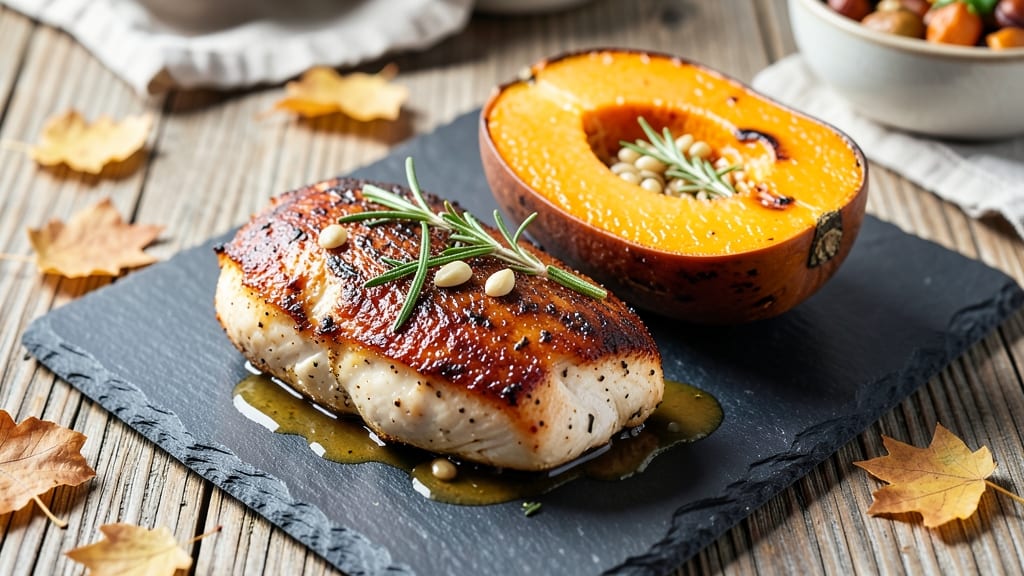
This baked chicken breast and acorn squash recipe transforms weeknight dinner into a restaurant-worthy feast with minimal effort. The secret lies in foil-sealing the chicken to lock in juices while roasting alongside caramelized acorn squash—sweet, savory, and perfectly balanced.
I've perfected this dish over years of testing, ensuring tender chicken and tender-crisp squash that harmonize beautifully.
The technique is simpler than it sounds: season the chicken with herbs and garlic, then seal it in foil with butter and broth before roasting alongside cubed acorn squash. The foil creates a self-basting effect, while the squash roasts until its natural sugars caramelize into a golden, tender texture.
No complicated steps—just one pan, one oven, and 45 minutes to dinner.
What you'll end up with is golden-brown chicken breast that stays moist and flavorful, paired with squash that's tender on the inside and slightly crisp at the edges.
The aromas alone—herbaceous, caramelized, and savory—will have everyone gathering at the table. This dish is elegant enough for company but simple enough for any night of the week.
Serve with a sprinkle of fresh herbs and a drizzle of honey if you like, or keep it classic with a simple green salad. The foil-sealed method ensures you won't end up with dry chicken, while the squash's natural sweetness complements the savory chicken perfectly.
Ready to impress with this foolproof combination?
Ingredients for baked chicken breast and acorn squash
Pantry staples meet seasonal squash for a weeknight dinner that feels like a celebration.
| Ingredient | Amount | Notes |
|---|---|---|
| Boneless, Skinless Chicken Breast 🍗 | 1 ½ lb | Pounded to even thickness |
| Acorn Squash 🎃 | 1 whole | Cut into 1-inch cubes |
| Unsalted Butter 🧈 | ½ cup | Melted for basting |
| Chicken Broth 💧 | ½ cup | Low-sodium preferred |
| Garlic Cloves 🧄 | 4 cloves | Minced for seasoning |
| Fresh Rosemary 🌿 | ¼ cup | Chopped, stems removed |
| Fresh Thyme 🌿 | ¼ cup | Leaves only, chopped |
| Extra-Virgin Olive Oil 🫒 | 2 tbsp | For drizzling |
| Kosher Salt 🧂 | 1 ½ tsp | Diamond Crystal preferred |
| Ground Black Pepper 🌶️ | ½ tsp | Freshly cracked |
| Honey 🍯 | 1 tbsp | Optional drizzle |
| Fresh Parsley 🌿 | 0.2 cup | Chopped for garnish |
| Heavy Cream 🥛 | ¼ cup | Optional for sauce |
The chicken breast is the star here, so don't skimp on quality. Look for plump, even-sized breasts at the grocery store—Costco or Whole Foods usually have the best selection. Pounding them to even thickness ensures they cook perfectly. For the acorn squash, pick one that's firm and heavy for its size—the heavier, the sweeter. I grab mine at the farmers market in fall, but the grocery store variety works too. The key is to cut it into even 1-inch cubes so it roasts uniformly. Fresh herbs are worth the extra trip—they make all the difference in flavor.
No fresh rosemary or thyme? Dried works at one-third the amount, but honestly, it's not the same. Short on chicken broth? Water plus a bouillon cube gets you close, but you'll taste the difference. The honey drizzle is optional but adds a lovely touch—Manuka honey if you're feeling fancy, regular honey if you're keeping it simple. For the butter, unsalted is best so you can control the seasoning, but salted works if that's what you've got. The heavy cream is just for a quick sauce at the end—skip it if you're keeping this dairy-free.
This roasts beautifully ahead of time—just reheat covered with foil for 10-15 minutes at 375°F. The squash keeps well for 3-4 days in the fridge, while the chicken stays fresh for 2 days. I always make extra squash because it reheats even better than the chicken. Store components separately in airtight containers, and you've got a stress-free dinner ready for days. The foil-sealed method means minimal cleanup too—just one baking sheet to wash.
Why You'll Love This Recipe
- One-Pan Magic: I swear by this for lazy nights—just toss the chicken, halved squash, and garlic onto a sheet pan, drizzle with butter and broth, and walk away. No pots, no pans, no stress. The squash caramelizes while the chicken bakes, and honestly? That’s my kind of dinner.
- Buttery-Garlic Bliss: The moment the squash’s natural sweetness meets that melted butter and roasted garlic? Pure satisfaction. The chicken stays juicy, the squash gets tender, and the whole thing has this cozy, savory depth that makes it feel like a hug in a dish.
- Meal Prep MVP: Between us, this is my go-to for lunches all week. The chicken shreds perfectly, and the squash holds up beautifully—just reheat with a splash of broth, and it’s like you made it fresh. (Yes, even on a Tuesday night.)
- Budget-Friendly Feast: Chicken breast and acorn squash stretch further than you’d think, especially with the broth boosting flavor. I’ve fed four people for under $15, and everyone’s left happy—no sad leftovers staring back at me. That’s a win.
Step-by-step instructions for baked chicken breast and acorn squash
Here's how to create a perfectly balanced dish with tender chicken and caramelized squash.
Prep the Chicken and Squash for Maximum Flavor
Start by pounding the 1.5 lb boneless, skinless chicken breast to an even ½-inch thickness between two sheets of plastic wrap. This ensures even cooking and prevents dryness. While you're working with the chicken, cut the 1 whole acorn squash in half lengthwise and scoop out the seeds with a spoon. Then, cut each half into 1-inch cubes—this size gives you the perfect balance of caramelization and tenderness.
Real talk: Don't skip the pounding step. Uneven thickness leads to some parts being overcooked while others stay raw. And when cutting the squash, leave the skin on for structure—it'll crisp up beautifully in the oven. Arrange the squash cubes on a baking sheet and set aside while you prep the seasoning mixture.
Create the Herb Butter Baste and Season the Chicken
In a small bowl, combine the 0.5 cup unsalted butter, 0.25 cup chopped fresh rosemary, 0.25 cup chopped fresh thyme, 4 minced garlic cloves, 1.5 tsp kosher salt, and 0.5 tsp ground black pepper. Melt the butter in a small saucepan over low heat until just liquid, then stir in the herbs and garlic. Let it cool slightly—you want it warm but not hot when you brush it on the chicken.
Spread the herb butter mixture evenly over both sides of the pounded chicken breast. The butter will create a flavorful crust while keeping the meat moist. While the butter is cooling, toss the acorn squash cubes with the 2 tbsp extra-virgin olive oil and 1 tbsp honey—this gives them that perfect caramelized glaze we're after.
Roast the Chicken and Squash Together
Preheat your oven to 400°F and position a rack in the middle position. Place the seasoned chicken breast on a parchment-lined baking sheet, then arrange the honey-oil squash cubes around it. Roast for 20 minutes—this gets everything hot and ready for the foil sealing.
Here's the thing—after 20 minutes, the chicken will be mostly cooked through but still tender. Remove the baking sheet from the oven and pour the 0.5 cup chicken broth over the chicken and squash. Then, tightly wrap the entire baking sheet in heavy-duty aluminum foil, sealing all edges completely. This creates a steam lock that keeps the chicken juicy and the squash tender.
Finish in the Oven for Perfect Texture
Return the foil-wrapped baking sheet to the oven and continue roasting for 15-20 minutes until the chicken reaches an internal temperature of 165°F. The foil trap works magic here—the chicken stays moist while the squash soaks up all those herb-infused juices. You'll know it's done when the chicken is no longer pink in the center and the squash is fork-tender with slightly caramelized edges.
Let the chicken rest for 5 minutes before serving—this is crucial for juicy slices. While it rests, drizzle any pan juices over the squash and sprinkle with 0.2 cup chopped fresh parsley. The squash should be sweet, tender, and slightly crispy at the edges, while the chicken stays juicy and flavorful.
Optional Creamy Sauce (If Using Heavy Cream)
For an extra touch, you can make a quick sauce by combining the 0.25 cup heavy cream with a splash of the pan juices and a pinch of salt. Warm it gently in a small saucepan over low heat until slightly thickened, then drizzle over the chicken and squash before serving. This adds a luxurious finish that ties everything together.
The result should be a perfectly balanced dish where the sweet acorn squash complements the savory, herb-infused chicken. Each bite delivers that sweet-savory harmony we're after, with no dry chicken or mushy squash in sight.
Pro Tips For Making Baked Chicken Breast And Acorn Squash
- BRINE THE CHICKEN FIRST: Toss your chicken breasts in a mix of ¼ cup kosher salt per 4 cups cold water for 30 minutes before baking—even skinless breasts stay juicier this way. I learned this the hard way after serving dry chicken to guests (who politely lied and said it was "fine").
- PEEL THE SQUASH SMART: Cut the squash in half first, then microwave it cut-side down for 2 minutes to soften the skin—it peels like a dream after. Skipping this step means wrestling with stubborn fibers while your oven heats up.
- DON’T SKIP THE BROTH BATH: Pour the chicken broth into the baking dish before adding the squash—it keeps everything moist and adds depth without extra effort. I used to bake them dry, and the squash always turned out like sad, overcooked cardboard.
- USE GARLIC LIKE A GARLIC PRESS: Mince the garlic cloves finely (or pulse in a press) so it melts into the butter instead of sitting as chunks. Whole cloves just sit there looking pretty while the flavor hides—no one wants that.
Troubleshooting your baked chicken breast and acorn squash
Chicken Overcooking
If your chicken breast turns out dry or rubbery, it's likely overcooked. The key is using a meat thermometer to check for an internal temperature of 165°F—never guess by appearance. I've found that 1.5 lb breasts cooked at 400°F typically take 35-40 minutes total with the foil-sealing method.
If you're worried about drying out, reduce the oven temperature to 375°F and add 5-10 minutes to the cook time. 🌡️
Squash Too Soft
Acorn squash can turn mushy if over-roasted or cut too small. Stick to 1-inch cubes and roast at 400°F for no more than 30-35 minutes total (including the foil-sealed phase). For extra protection, place the baking sheet on a lower oven rack where it's slightly warmer.
If your squash is still firm after the full time, it needs more roasting—just uncover and continue for 5-10 minutes until tender.
Uneven Cooking
Uneven cooking usually means your chicken wasn't pounded to even thickness or the oven temperature fluctuated. Always pound the breasts to ½-inch thickness using plastic wrap for protection. For temperature consistency, place a baking rack in the middle of your oven and avoid opening the door during cooking.
If you notice uneven doneness, tent the chicken with foil and continue cooking until the coldest part reaches 165°F. A ThermoWorks Smoke thermometer makes this foolproof.
Foil Not Sealing
If your foil isn't creating a proper steam lock, the chicken will dry out. Use heavy-duty aluminum foil and press it tightly against the baking sheet edges, overlapping by 1-2 inches. For extra security, double-wrap the foil around the edges.
I also recommend crimping the foil edges with a fork to create an airtight seal. If you notice steam escaping during cooking, simply reseal the foil immediately. This technique is what keeps the chicken juicy and the squash tender.
Lack of Flavor
If your dish tastes bland, it's likely from using dried herbs instead of fresh or insufficient seasoning. Always use fresh rosemary and thyme for maximum flavor—dried herbs just can't compare. For extra depth, add 1 tsp lemon zest to the herb butter mixture.
Taste your seasoning before roasting: if it needs more salt, add it now. A final sprinkle of flaky sea salt and fresh parsley before serving elevates the dish every time. 💫
Sticky Pan Cleanup
To prevent a messy baking sheet, always line it with parchment paper before adding ingredients. If you forget, use a spray bottle with hot water to loosen stuck-on bits before scraping. For stubborn residue, soak the sheet in warm, soapy water for 10 minutes before scrubbing.
I keep a dedicated baking sheet just for this recipe—it's worth the investment for easy cleanup. The foil-sealing method creates extra juices, so plan for some stickiness if you skip the parchment.
Nutrition facts
Frequently asked questions
Can I use chicken thighs instead of breasts for this recipe?
Chicken thighs work beautifully and stay juicier than breasts. Use 1.5 lb bone-in, skin-on thighs and increase the oven temperature to 425°F. Skip the pounding step and reduce roasting time to 30-35 minutes total (including foil-sealing). The skin will crisp up nicely, adding extra flavor.
How do I store leftovers to keep them fresh?
Store the chicken and squash separately in airtight containers in the fridge for up to 3 days. Reheat covered with foil at 350°F for 10-15 minutes—the squash reheats better than the chicken. For longer storage, freeze components for up to 3 months. Thaw overnight in the fridge before reheating.
What if I don't have acorn squash?
Butternut or kabocha squash make excellent substitutes! Cut into 1-inch cubes and follow the same roasting instructions. For a different flavor profile, try sweet potatoes—toss them with 1 tsp cinnamon and 1 tbsp maple syrup before roasting. The honey glaze works well on all winter squashes.
Can I make this recipe ahead of time?
Yes! Prep everything up to the foil-sealing step, then refrigerate uncovered for 2 hours before baking. Alternatively, assemble the dish completely (including foil sealing) and refrigerate for 8 hours or overnight. Add 5-10 minutes to the cook time if starting from cold. The flavors develop beautifully when made ahead.
Why does the recipe call for foil sealing?
The foil creates a steam lock that keeps the chicken moist and prevents drying out. Without it, chicken breasts can turn rubbery at high temperatures. The squash benefits too—it absorbs the herb-infused juices from the chicken, creating a cohesive flavor. Think of it as a self-basting technique that works perfectly for both components.