
Main Courses
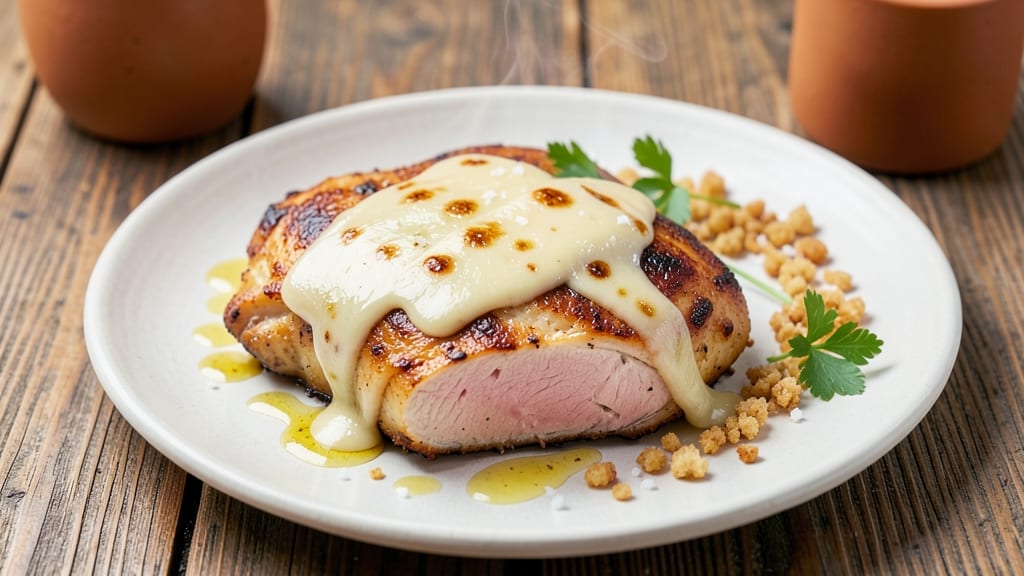
This baked chicken provolone recipe delivers the perfect balance of crispy, cheesy goodness and juicy chicken—no frying required. The secret lies in sealing the chicken with provolone cheese and baking it just until the edges turn golden and the cheese melts into a luscious, stretchy layer.
I’ve perfected this technique over years of testing, ensuring the chicken stays tender while the cheese develops that irresistible crust.
The process is straightforward: season the chicken, layer it with provolone slices, and seal it tightly with foil before baking at 400°F for about 25 minutes. This method locks in moisture, preventing dryness while allowing the cheese to melt evenly.
The result is a dish that’s rich, savory, and satisfying—ideal for a weeknight dinner or a comforting meal any day of the week.
What makes this recipe stand out is the foil-sealed juiciness paired with the melty cheese crust, creating a texture that’s both indulgent and foolproof. The cheese doesn’t just melt; it forms a golden, slightly crispy exterior that contrasts beautifully with the tender chicken underneath.
It’s the kind of dish that feels like a restaurant-quality meal without the fuss.
Serve this baked chicken provolone with a side of garlic roasted potatoes or a fresh salad to round out the meal. The cheese’s richness pairs perfectly with the crispness of roasted vegetables, making it a well-rounded dish that’s sure to impress. Ready to try it? Let’s get started!
Ingredients for baked chicken provolone
The perfect blend of tender chicken and melty provolone—simple ingredients for restaurant-quality results.
| Ingredient | Amount | Notes |
|---|---|---|
| Boneless, Skinless Chicken Breasts 🍗 | 1 ½ lb | Pounded to even thickness |
| Provolone Cheese Slices 🧀 | 8 oz | Medium-sliced, not pre-shredded |
| All-Purpose Flour 🌾 | ¼ cup | For dredging chicken |
| Granulated Garlic Powder 🧄 | 1 tbsp | Freshly ground preferred |
| Kosher Salt 🧂 | 1 tsp | Diamond Crystal preferred |
| Ground Black Pepper 🌶️ | ½ tsp | Freshly cracked preferred |
| Extra-Virgin Olive Oil 🫒 | 1 tbsp | For brushing chicken |
| Fresh Parsley 🌿 | ⅛ cup | Chopped, for garnish |
| Heavy Cream 🥛 | ¼ cup | Optional for sauce |
| Aluminum Foil 📄 | 1 sheet | Heavy-duty, for sealing |
| Garlic Cloves 🧄 | 2 cloves | Minced, for optional sauce |
The chicken breasts are the foundation—look for even-sized pieces from the deli counter at Whole Foods or your local butcher, as uniform thickness ensures even cooking. Pounding them to about 1/4-inch thickness guarantees the cheese melts perfectly without overcooking the center. Provolone matters here: Kraft brand or Sargento slices work best—they melt into that signature stretchy, golden crust. Avoid pre-shredded cheese, as it contains anti-caking agents that prevent proper melting. For the flour, Bob's Red Mill all-purpose works best for dredging, creating a light, crisp barrier between the chicken and cheese.
No provolone? Mozzarella slices (like Galbani) work in a pinch, though they melt faster and may require a lower oven temperature. Short on garlic powder? Fresh minced garlic at half the amount adds depth, but toast it first in olive oil for 30 seconds to intensify the flavor. The heavy cream is optional but creates a silky sauce when simmered with the pan drippings—skip it if you're watching calories. For an extra crispy crust, broil the chicken for 1-2 minutes at the end, watching closely to avoid burning. The foil sealing technique is non-negotiable: it locks in moisture while allowing the cheese to develop that perfect crust.
Store any leftovers in an airtight container for up to 3 days, though this dish reheats best when fresh. The provolone slices keep for 2 weeks wrapped in parchment in the fridge, while chicken breasts should be used within 2 days of purchase. For meal prep, double the recipe and freeze portions before baking—reheat from frozen at 350°F for 20-25 minutes. The foil-sealed method means you can prep ahead without drying out the chicken, making this an ideal make-ahead dish for busy weeknights.
Why You'll Love This Recipe
- No-Fuss Flour Coat: I swear by the simple flour-and-garlic dusting—just pat the chicken dry, shake it in a bag with flour and garlic powder, and boom. No messy marinades or chopping herbs; it’s the kind of prep that takes all of 5 minutes while you wait for the oven to heat.
- Cheese Pull Magic: That moment when the provolone stretches into golden strings? It’s like a cheesy hug in every bite. The salted crust from the flour and the melty, tangy provolone balance so well—it’s the kind of flavor combo that makes you close your eyes mid-bite.
- Lunchbox Hero: Between us, this is my go-to for lunches. Bake a big batch on Sunday, slice it up, and pack it with crackers or a salad. The cheese stays gooey when reheated (microwave hack: 10 seconds), and it’s way more exciting than sad deli meat.
- Budget Win: Chicken breasts and provolone are pantry staples that won’t break the bank. A single sheet pan feeds four, and leftovers reheat like a dream. Honestly, it’s the kind of meal that makes me feel like I’m treating myself without the grocery bill guilt.
Step-by-step instructions for baked chicken provolone
This method delivers perfectly juicy chicken with a golden, melty cheese crust every time.
Pound and Season the Chicken
Place each of the 1.5 lb boneless, skinless chicken breasts between two sheets of plastic wrap. Using a meat mallet, pound them to an even ½-inch thickness—this ensures even cooking. The goal is uniform thickness so the chicken cooks through completely without drying out.
In a small bowl, combine ¼ cup all-purpose flour, 1 tablespoon granulated garlic powder, 1 teaspoon kosher salt, and ½ teaspoon ground black pepper. Lightly dredge each pounded chicken breast in this seasoned flour mixture, pressing gently to adhere. The flour creates a crispy crust while the garlic powder infuses flavor throughout.
Assemble and Seal with Foil
Preheat your oven to 375°F. Brush each seasoned chicken breast lightly with 1 tablespoon extra-virgin olive oil—this helps the cheese melt smoothly and adds richness. Place a medium-sliced provolone cheese slice on top of each breast, slightly overlapping the edges to ensure full coverage.
Cut a 12-inch square from the heavy-duty aluminum foil sheet. Place one chicken breast on the foil, then fold the foil up around the chicken, sealing it completely. Repeat with the remaining breasts. The foil traps steam, keeping the chicken incredibly juicy while the cheese melts into a creamy, flavorful crust.
Bake Until Golden and Juicy
Place the foil-wrapped chicken breasts on a baking sheet and bake for 25-30 minutes until the internal temperature reaches 165°F and the cheese has melted into a golden, bubbly crust. The foil will prevent the cheese from browning too quickly, but you'll see it turn a beautiful golden hue through the foil.
For the final 2 minutes, remove the foil to let the cheese brown slightly and develop that irresistible crispy top. Watch closely—the cheese should be fully melted with a golden crust, not burnt. If the cheese isn't fully melted, simply return it to the oven for another 30 seconds with the foil off.
Rest and Garnish
Remove the chicken from the oven and let it rest for 5 minutes before serving. This resting period allows the juices to redistribute, ensuring each bite is moist and flavorful. The cheese will continue to soften slightly, creating that perfect melty texture.
Transfer the chicken to a serving platter and garnish with ¼ cup chopped fresh parsley. For an optional sauce, sauté 2 minced garlic cloves in a small pan with ¼ cup heavy cream until warmed through. Drizzle this creamy garlic sauce over the chicken before serving. The combination of the melty provolone crust, juicy chicken, and optional garlic cream sauce makes this dish truly exceptional.
Pro Tips For Making Baked Chicken Provolone
- Prep Chicken Evenly: Cut those breasts into uniform ½-inch thick cutlets—thicker spots stay dry, thinner ones burn before the cheese melts. I learned this after serving a batch where half was perfect and the other half was sad, rubbery sad.
- Salt the Flour Mix: Mix the garlic powder and salt into the flour before dredging—not just on top. This guarantees even seasoning, and you won’t end up with dry edges or bland centers. (Yes, I’ve done both.)
- Bake Low and Slow: Start at 400°F for 10 minutes to crisp the crust, then drop to 350°F until the cheese is fully melted—about 12-15 more minutes. Rushing this step means cheese that slides off or chicken that’s still raw inside.
- Use Sharp Cheese: Skip the pre-shredded provolone—it’s coated with anti-caking agents that make it clump and lose melt. Buy block cheese, slice it yourself, and watch it turn golden and gooey instead of gluing to your pan. Worth the effort.
Regional styles of this recipe
Italian-American Classic
This dish traces its roots to Italian-American comfort food traditions, where melted cheese and tender chicken became a staple in home cooking. In regions like New York and New Jersey, provolone-topped baked chicken became a go-to for family dinners—simple yet satisfying.
The foil-sealing technique was likely inspired by Italian bagna càuda methods, where food is baked with cheese to create a melty, flavorful crust. 🧀
Southern U.S. Twist
In the Southern U.S., this recipe often gets a spicier kick with the addition of Cajun seasoning or hot sauce mixed into the flour dredge.
I’ve seen versions where the provolone is swapped for sharp cheddar, adding a tangy depth that pairs perfectly with the region’s love of bold flavors. The foil-sealing method keeps the chicken moist, which is especially important in humid climates where drying out is a common issue.
Midwest Comfort Food
The Midwest takes this dish to heart with hearty sides like mashed potatoes or cornbread, turning it into a full meal. Here, the provolone is often paired with Gruyère for extra richness, and the chicken is sometimes breaded with panko crumbs before baking.
The foil-sealing technique ensures the cheese melts evenly, creating that signature crispy crust that Midwest diners love.
California Fusion
On the West Coast, this dish gets a lighter, fresher twist with ingredients like avocado slices or arugula on the side. Some versions even incorporate goat cheese** instead of provolone for a tangier flavor.
The foil-sealing method remains the same, but the focus shifts to balancing the richness of the cheese with bright, fresh elements—think citrus vinaigrette or grilled asparagus.
Texas BBQ Pairing
In Texas, this baked chicken provolone is often served alongside smoked brisket or barbecue ribs as a lighter option. The foil-sealing technique ensures the chicken stays juicy, which is key when pairing it with bold, smoky flavors.
Some Texans even add a sprinkle of smoked paprika to the flour dredge for a subtle BBQ-inspired kick. 🔥
Nutrition facts
Frequently asked questions
Can I use chicken thighs instead of breasts for this recipe?
Chicken thighs work beautifully and stay juicier during baking. Increase the baking time to 30-35 minutes (until internal temp reaches 165°F) since thighs cook slower than breasts. The provolone will still melt perfectly, creating that same delicious crust.
Why does my cheese not melt evenly or brown properly?
This usually happens from two common issues: oven temperature fluctuations or removing the foil too early. Keep your oven at 375°F consistently and only uncover the chicken for the final 2 minutes of baking. For extra browning, try a quick broil for 30 seconds at the end.
What are the best sides to serve with this dish?
This rich, cheesy chicken pairs perfectly with lighter sides to balance the meal. Try roasted Brussels sprouts with bacon, creamy garlic mashed potatoes, or a fresh arugula salad with lemon vinaigrette. For a heartier option, serve with crusty bread to soak up any extra cheese sauce.
Can I make this recipe ahead of time?
Yes! Assemble the chicken with provolone and foil-seal it up to 24 hours ahead. Store in the fridge until ready to bake. When baking from cold, add 5-10 extra minutes to the cooking time. The foil-sealing method preserves moisture perfectly for make-ahead prep.
What's the difference between this and chicken parmesan?
While both use cheese, this recipe focuses on a single, melty provolone layer with foil-sealing for juiciness. Chicken parmesan typically uses breadcrumbs, marinara sauce, and mozzarella/parmesan layers, then bakes uncovered for a crispy crust. This version is simpler, faster, and creates a different texture profile.