
Sauces & Condiments
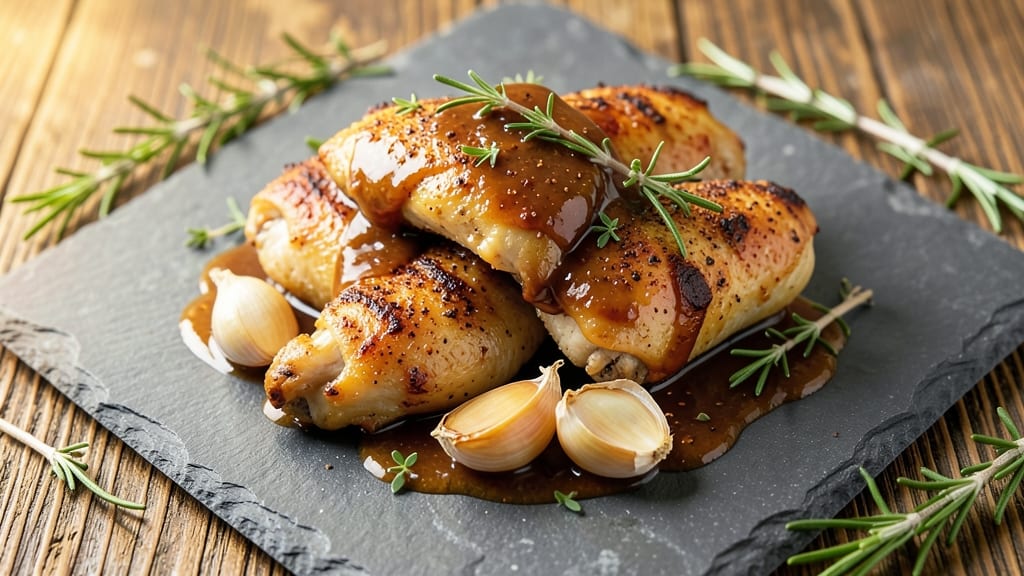
Transforming your baked chicken thighs into a restaurant-worthy meal starts with this smoky garlic-herb pan sauce—a game-changer that takes just 15 minutes to make.
The secret lies in deglazing the pan with white wine and chicken broth, creating a rich, velvety sauce infused with roasted garlic, fresh herbs, and a touch of smoked paprika.
This isn’t just a finishing sauce; it’s the star that elevates simple chicken into something unforgettable, with deep, layered flavors that cling to every bite.
What sets this sauce apart is its foolproof simplicity—no fancy techniques, no expensive ingredients, just a few pantry staples and a little patience. The garlic and herbs caramelize gently in the pan while the sauce reduces, developing a complex, aromatic depth that balances smoky heat with bright acidity.
The best part? It’s make-ahead friendly, so you can focus on roasting the chicken while the sauce simmers away, ready to be poured over perfectly golden thighs.
By the time you’re done, you’ll have a sauce that’s silky, flavorful, and packed with umami—the kind that makes your guests ask for the recipe. It works equally well with crispy-skinned thighs or tender, juicy cuts, and pairs beautifully with roasted vegetables or crusty bread.
The versatility doesn’t stop there; a splash of lemon juice brightens it up, while a pinch of cayenne adds a subtle kick for those who love a little heat.
Store leftovers in the fridge for up to 5 days or freeze for 3 months, making this the ultimate shortcut for busy weeknights. Whether you’re serving a crowd or treating yourself to a special dinner, this sauce delivers restaurant-quality results with minimal effort.
Let’s get started—your chicken thighs deserve this kind of love.
Ingredients for baked chicken thigh sauce
Nine simple ingredients transform into a velvety, restaurant-worthy sauce that elevates chicken thighs instantly.
| Ingredient | Amount | Notes |
|---|---|---|
| Roasted Garlic Cloves 🧄 | 6 cloves | Charred for deep flavor |
| Fresh Rosemary 🌿 | ¼ cup | Finely chopped, stems removed |
| Fresh Thyme Leaves 🌿 | ¼ cup | Packed, stems discarded |
| Smoked Paprika 🌶️ | 1 tbsp | High-quality for smokiness |
| Dry White Wine 🍷 | ½ cup | Sauvignon Blanc preferred |
| Chicken Broth 💧 | ½ cup | Low-sodium preferred |
| Extra-Virgin Olive Oil 🫒 | ¼ cup | For richness and balance |
| Fresh Lemon Juice 🍋 | 1 tbsp | Brightens the sauce |
| Cayenne Pepper 🔥 | ¼ tsp | Adjust for heat preference |
| Diamond Crystal Kosher Salt 🧂 | ½ tsp | For seasoning balance |
The roasted garlic and fresh herbs are the heart of this sauce—charred garlic adds depth, while rosemary and thyme bring aromatic brightness. For the best flavor, roast the garlic whole in the oven (400°F for 20-25 minutes) until soft and golden. Whole Foods or local markets often carry high-quality fresh herbs with vibrant color, which is key. Smoked paprika from Penzeys or a trusted spice shop adds that signature smoky note without overpowering. The white wine should be dry and crisp—Sauvignon Blanc works perfectly, but any white will do in a pinch.
No white wine? Chicken broth plus a splash of apple cider vinegar mimics the acidity and depth. Fresh herbs wilting? Dried rosemary and thyme at half the amount work, though texture suffers slightly. The smoked paprika can be swapped for liquid smoke at one-quarter teaspoon, but fresh roasted garlic is non-negotiable—it’s the star. For extra richness, add a splash of heavy cream at the end, though the olive oil keeps it naturally velvety. The sauce thickens as it reduces, so if it looks too thin, let it simmer uncovered for another minute or two.
This sauce reheats beautifully—simply warm it on the stove with a splash of broth or water to loosen. It keeps in the fridge for 5 days, though flavor peaks within the first 24 hours. For longer storage, freeze in ice cube trays—perfect for single-use portions. The roasted garlic can be prepped ahead and stored in the fridge for 3 days or frozen for 1 month. Double the batch; it disappears fast, especially when drizzled over crispy chicken thighs or roasted vegetables.
Why You'll Love This Recipe
- One-Pan Magic: I swear by this recipe when I’m too tired to wash dishes. Toss the thighs with roasted garlic, rosemary, and smoked paprika, then let the oven do the work while I sip my wine—no flipping, no fuss, just golden, juicy chicken with a sauce that practically falls off the spoon.
- Wine-Infused Depth: That splash of dry white wine in the sauce? It’s the secret weapon. The alcohol cooks off, leaving behind layers of brightness that cut through the richness of the chicken while the rosemary and thyme add an earthy, aromatic punch—like a fancy bistro dish without the pretension.
- Leftovers for Days: Between us, this recipe makes way more than I can eat in one sitting. The sauce thickens beautifully when reheated, and the chicken stays tender—perfect for packing lunches or freezing for those nights when takeout feels like too much effort. (Yes, even on a Tuesday night.)
- Budget-Friendly Luxury: Chicken thighs are forgiving and affordable, and this recipe uses ingredients you probably already have. Fresh herbs might seem fancy, but a few sprigs go a long way, and that roasted garlic? It’s just cloves baked in olive oil—no fancy tools, no wasted money. Flavor that feels special without breaking the bank.
Step-by-step instructions for smoky garlic-herb pan sauce
This rich, aromatic sauce comes together in minutes using your roasted chicken juices.
Deglaze the Pan with White Wine
After removing your baked chicken thighs, place the pan on the stovetop over medium-high heat. Pour in the 0.5 cup dry white wine immediately, scraping up all the browned bits from the bottom with a wooden spoon. These caramelized bits hold incredible flavor that will form the base of your sauce.
Let the wine simmer for 3-4 minutes until reduced by about half and slightly thickened. You'll notice the aroma intensify as the alcohol cooks off—this is when the sauce starts building depth. Keep an eye on it to prevent burning, as wine reduces quickly.
Build the Herb and Spice Base
Add the 6 cloves roasted garlic cloves (smashed slightly to release their flavor), 0.25 cup fresh rosemary, 0.25 cup fresh thyme leaves, and 1 tbsp smoked paprika to the pan. Stir everything together and cook for 1-2 minutes until the herbs release their aromatic oils and the garlic becomes fragrant.
Here's where the sauce begins to transform. The roasted garlic adds sweet depth, while the fresh herbs bring bright, herbal notes. The smoked paprika introduces subtle warmth that will carry through the entire dish. Don't let the herbs burn—just until they're fragrant and slightly wilted.
Incorporate the Liquid Components
Pour in the 0.5 cup chicken broth and 0.25 cup extra-virgin olive oil, stirring constantly to combine. The olive oil helps emulsify the sauce, creating a silky texture while adding richness. Bring the mixture to a gentle simmer and let it cook for 3-4 minutes until slightly thickened.
This is when the sauce starts taking shape. You'll see the liquid reduce and the flavors meld together. The olive oil creates that luxurious mouthfeel that makes this sauce so special. If the sauce becomes too thick before it's fully combined, add 1-2 tablespoons of water to reach your desired consistency.
Finish with Bright Acid and Seasoning
Reduce the heat to low and stir in the 1 tbsp fresh lemon juice, 0.25 tsp cayenne pepper, and 0.5 tsp diamond crystal kosher salt. The lemon juice cuts through the richness, brightening the entire sauce, while the cayenne adds a subtle kick. Taste and adjust the seasoning—you might need a bit more salt depending on your chicken's seasoning.
Let the sauce simmer gently for another 2 minutes to allow all the flavors to fully integrate. The final sauce should coat the back of a spoon with a velvety texture, balancing smoky, herby, and slightly spicy notes. If you're serving immediately, you can proceed to the next step. For best results, let it rest for 5 minutes to thicken slightly before serving.
Serve Over Chicken or Pasta
Return the baked chicken thighs to the pan and spoon the sauce generously over them, letting it coat the meat evenly. The residual heat will warm the sauce slightly, creating a perfect marriage of flavors. For an extra touch, garnish with additional fresh thyme leaves or a sprinkle of flaky sea salt.
This sauce works beautifully over roasted chicken thighs, but it also elevates simple pasta dishes or grilled vegetables. The key is in the balance—smoky from the paprika and roasted garlic, herby from the fresh rosemary and thyme, and bright from the lemon juice. Each bite should deliver a harmonious blend of these complementary flavors.
Pro Tips For Making Baked Chicken Thigh Sauce
- ROAST GARLIC FIRST: I learned this the hard way—raw garlic cloves in your sauce will taste bitter and underwhelming. Roast them whole in the oven (400°F for 20-25 minutes) until soft and caramelized, then squeeze them straight into the pan. That’s where the flavor magic happens.
- SALT THE CHICKEN BEFORE SEARING: Don’t skip this—season the thighs generously with salt (and a pinch of pepper) at least 30 minutes before baking. It helps the skin crisp properly and keeps the meat juicy. (Yes, even if you’re impatient like me.)
- DEGLAZE WITH WINE IMMEDIATELY: As soon as you pull the chicken from the oven, pour in that dry white wine right away while the pan is still hot. Let it bubble for 30 seconds before scraping up those browned bits—this builds the sauce’s depth. Ignore this, and you’ll end up with a thin, flavorless glaze.
- STRAIN HERBS AT THE END: Tossing whole rosemary and thyme sprigs into the sauce early works, but for a smoother finish, strain them out before serving. The leaves will release their oils, but the stems just turn to mush. (I know, it’s a pain—just do it for the last 5 minutes.)
Pro cooking tips for baked chicken thigh sauce
Pan Sauce Mastery
Start with a hot pan right after removing your baked chicken thighs—this ensures the wine deglazes instantly and captures all those flavorful browned bits. I use a 12-inch cast iron skillet for even heat distribution, but a heavy stainless steel pan works too.
The key is to work quickly: pour in the white wine immediately and scrape vigorously with a wooden spoon to lift every last bit of fond from the bottom. 🔥
Wine Reduction Secrets
Don’t rush the wine reduction—this is where the magic happens. Simmer for 3-4 minutes until the liquid reduces by about half and the alcohol cooks off completely. You’ll know it’s ready when the aroma shifts from sharp to rich and complex.
I like to use Sauvignon Blanc for its crisp acidity, but any dry white wine will work. For a non-alcoholic version, substitute with chicken broth plus 1 tbsp apple cider vinegar to mimic the acidity.
Herb Infusion Timing
Add your roasted garlic, rosemary, and thyme only after the wine has reduced—this prevents them from wilting too quickly and losing their vibrant flavors. Cook them for just 1-2 minutes until fragrant, then immediately add the broth and olive oil.
The olive oil acts as an emulsifier, creating that luxurious, velvety texture. If your herbs are particularly fresh, you might want to finely chop them slightly to release their oils faster.
Sauce Consistency Control
If your sauce thickens too quickly, don’t panic—just add 1-2 tablespoons of water or broth to loosen it up. The goal is a sauce that coats the back of a spoon but still flows smoothly.
For extra richness, stir in 1 tablespoon of heavy cream at the end, but the olive oil should give you plenty of body on its own. Taste as you go: the sauce should balance smoky, herby, and slightly tangy notes perfectly.
Finishing Touches
Brighten the sauce with lemon juice and a pinch of cayenne right at the end—this cuts through the richness and adds a subtle kick. Let it rest for 5 minutes off the heat before serving; this allows the flavors to meld completely.
For a restaurant-worthy presentation, garnish with a sprinkle of flaky sea salt or extra fresh thyme. The sauce will thicken slightly as it rests, so don’t worry if it looks a little thin right after cooking.
Make-Ahead Magic
This sauce reheats beautifully—simply warm it on the stovetop over low heat with a splash of broth or water. For meal prep, store leftovers in an airtight container in the fridge for up to 5 days or freeze in ice cube trays for single-use portions.
The flavors actually improve overnight as the herbs and spices meld together. Double the batch; it disappears fast, especially when drizzled over crispy chicken thighs or roasted vegetables. ✨
Nutrition facts
Frequently asked questions
Can I make this sauce without white wine?
For a non-alcoholic version, use 0.5 cup chicken broth plus 1 tablespoon apple cider vinegar to mimic the wine's acidity and depth. The sauce will still develop rich, complex flavors—just with a slightly different profile. The vinegar adds brightness that complements the roasted garlic beautifully.
How do I prevent the sauce from getting too thick?
If your sauce thickens too quickly, simply add 1-2 tablespoons of water or chicken broth while it simmers. The goal is a velvety consistency that coats the back of a spoon but still flows smoothly. For extra insurance, let the sauce rest for 5 minutes off the heat before serving—it will thicken slightly as it cools.
Can I use dried herbs instead of fresh?
Yes, but use only half the amount of dried herbs (about 1.5 teaspoons each for rosemary and thyme). Fresh herbs release their aromatic oils more dramatically, but dried will still work well. For best results, crush the dried herbs between your fingers before adding to release their flavors. The sauce will be slightly less vibrant but still delicious.
What's the best way to store leftovers?
Store the sauce in an airtight container in the fridge for up to 5 days. The flavors actually improve overnight as the herbs and spices meld together. For longer storage, freeze in ice cube trays—perfect for single-use portions. To reheat, warm gently on the stove with a splash of broth or water to restore its silky texture.
Can I make this sauce ahead of time?
This sauce is perfect for meal prep! Make it up to 2 days in advance and store in the fridge. The flavors deepen over time, making it even more complex. For best results, reheat gently on the stove with a splash of broth or water. You can even freeze the sauce for up to 3 months—just thaw overnight in the fridge before using.