
Main Courses
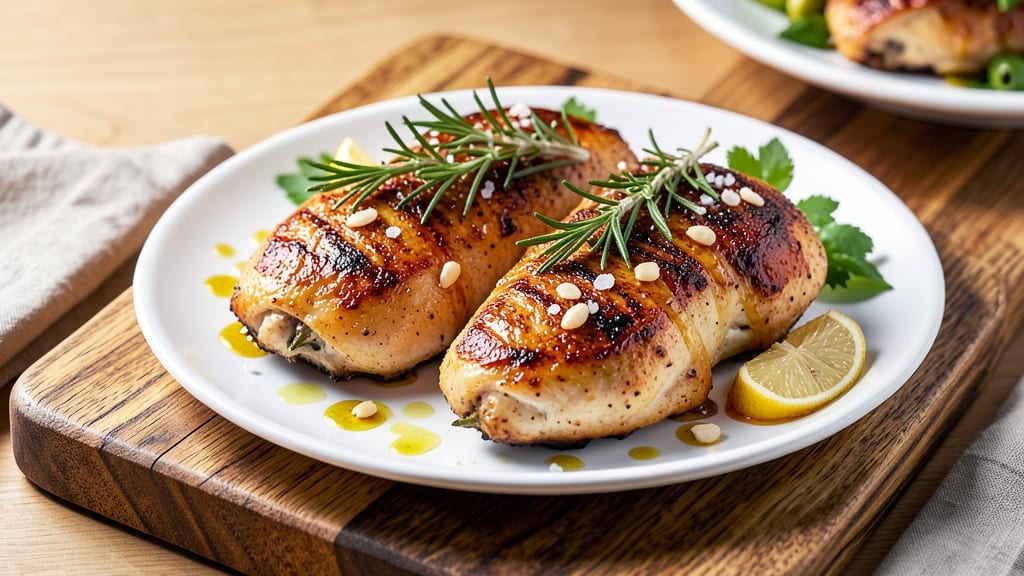
This baked lemon rosemary chicken recipe delivers juicy centers with a fragrant herb crust that transforms ordinary weeknight dinners into restaurant-worthy meals. The bright citrus and earthy rosemary create a perfect balance—tangy yet aromatic—that elevates simple chicken into something extraordinary.
I've perfected this technique over years of testing, ensuring tender meat and crispy skin every time.
The secret lies in marinating the chicken first, allowing the lemon and rosemary to penetrate deeply while the oven does the rest. With just 45 minutes of hands-off baking at 400°F, you'll achieve golden-brown skin and moist, flavorful meat without drying it out.
The lemon keeps the dish vibrant, while the rosemary adds a sophisticated herbal note that pairs beautifully with roasted vegetables or a fresh salad.
What makes this recipe truly special is how effortlessly it comes together—no complicated techniques required. The marinade doubles as a basting sauce, locking in moisture and flavor as the chicken bakes.
By the time it emerges from the oven, your kitchen will smell like a Mediterranean bistro, and every bite will be packed with bright, herby goodness.
Serve with lemon wedges for squeezing over the top and a side of garlic roasted potatoes or steamed green beans to complete the meal. The acidity of the lemon cuts through the richness of the chicken, creating a harmonious balance that's impossible to resist.
Let's get started—your taste buds will thank you.
Ingredients for baked lemon rosemary chicken
Juicy chicken meets bright lemon and fragrant rosemary in this effortless weeknight dish.
| Ingredient | Amount | Notes |
|---|---|---|
| Boneless, Skinless Chicken Breast 🍗 | 2 whole | Even thickness, 6-8 oz each |
| Fresh Lemon Juice 🍋 | ½ cup | Freshly squeezed, seeds removed |
| Fresh Rosemary Sprigs 🌿 | ¼ cup | Finely chopped, stems removed |
| Extra-Virgin Olive Oil 🫒 | 3 tbsp | High quality, fruity flavor |
| Garlic Cloves 🧄 | 4 cloves | Minced, fresh preferred |
| Salt 🧂 | 1 ½ tsp | Kosher or sea salt |
| Black Pepper 🌶️ | ½ tsp | Freshly ground preferred |
| All-Purpose Flour 🌾 | 2 tbsp | For dredging, light coating |
| Lemon Zest 🍋 | 1 tbsp | From 1 large lemon, finely grated |
| Fresh Thyme Leaves 🌿 | 1 tsp | Chopped, optional for depth |
| Honey 🍯 | 1 tsp | Lightly coats chicken |
The chicken breasts are the foundation—even thickness ensures they cook perfectly. Grab the plumper, juicier cuts from the meat department, not the skinless, boneless ones that look like they've been processed. Whole Foods or your local butcher usually have the best quality, but any grocery store works. Look for breasts that are pale pink with good marbling. If yours are uneven, pound them gently between plastic wrap to even thickness—this prevents overcooking. The rosemary should be fresh and fragrant—if it smells like hay, skip it. For the lemon, organic is best since you'll be zesting it, but any fresh lemon will do.
No fresh rosemary? Dried works at half the amount, but it won't have the same depth of flavor. Subbing out the honey? Maple syrup is a 1:1 swap—it adds a subtle earthiness that pairs well. The olive oil matters here—avoid the cheap stuff. A good extra-virgin oil like California Gold or Bertolli makes all the difference. The garlic can be roasted ahead of time for a sweeter flavor—just toss whole cloves on a baking sheet at 400°F for 10 minutes. If you're short on thyme, dried oregano at one-third the amount works in a pinch. And if you've got extra lemon, zest more—it brightens up the crust beautifully.
Marinate the chicken for at least 30 minutes (overnight is even better). The marinade keeps 3 days in the fridge, so make extra for quick meals. Fresh herbs like rosemary and thyme stay fresh 5-7 days wrapped in damp paper towels. The baked chicken reheats well—just pop it in a 350°F oven for 10-15 minutes with a splash of water or broth to keep it moist. Store leftovers in an airtight container for up to 4 days. Freeze portions for 3 months—thaw overnight in the fridge before reheating.
Why You'll Love This Recipe
- Zero-Mess Prep: I swear by this one—just slice the chicken, toss it in a bowl, and let the oven do the work. No chopping boards stuck with garlic paste, no sticky pans. Honestly, the only "mess" is the lemon zest stuck to my fingers, and that’s worth it.
- Taste Like a Restaurant: That crispy skin (even though it’s boneless!) meets the bright pop of lemon and earthy rosemary—it’s the kind of flavor combo that makes you pause mid-bite. The garlic? Oh, it’s there, but it doesn’t overpower. It’s just right.
- Weeknight to Potluck: Make a double batch on Sunday and reheat it all week—it stays juicy, not dry. Or bring it to a picnic, a BBQ, or even a fancy dinner (no one will guess it’s 20 minutes of work). Between us, it’s my go-to for "I don’t want to cook but need to impress" moments.
- Budget-Friendly Hero: Chicken breast gets a bad rap for being expensive, but this recipe stretches it—every bite is packed with flavor, so you’ll use less to feel full longer. Plus, rosemary and lemon are cheap staples that make even the simplest meal feel special. (Yes, even on a Tuesday night.)
Step-by-step instructions for baked lemon rosemary chicken
Here's how to create tender, fragrant chicken with a perfect herb crust every time.
Prepare the Chicken for Maximum Flavor
Start by patting the two boneless, skinless chicken breasts completely dry with paper towels. This step is crucial—it helps the marinade adhere better and creates a crispy crust. Place each breast between two sheets of plastic wrap and gently pound to an even ½-inch thickness using a meat mallet. This ensures even cooking throughout.
In a small bowl, whisk together the 0.5 cup fresh lemon juice, 1 tbsp lemon zest, 1 tsp honey, 3 tbsp extra-virgin olive oil, 1.5 tsp salt, and 0.5 tsp black pepper. The lemon juice will tenderize the chicken while the honey adds subtle sweetness that balances the acidity. Pour this marinade into a shallow dish and add the chicken breasts, turning to coat evenly. Let them marinate for at least 30 minutes, or up to 2 hours in the refrigerator for deeper flavor.
Create the Herb Crust Mixture
In a separate small bowl, combine the 0.25 cup finely chopped fresh rosemary sprigs, 1 tsp fresh thyme leaves, 4 minced garlic cloves, and 2 tbsp all-purpose flour. This mixture will form the fragrant crust that encases your chicken. Use your fingers to gently mix everything together—the rosemary should be finely distributed throughout the flour for even coverage.
Real talk: Don't skip the flour here. It acts as a binder for the herbs and helps create that beautiful crust. If you're worried about the chicken getting dry, don't be—the marinade and baking method keep it juicy inside while giving you that perfect crispy exterior.
Coat and Bake to Juicy Perfection
Preheat your oven to 375°F. Remove the chicken from the marinade (reserve the marinade for later) and pat dry again with paper towels. This second drying helps the herb crust adhere better. Working quickly, press the herb mixture firmly onto both sides of each chicken breast. You'll see the herbs cling to the surface—this is what creates that gorgeous, fragrant crust.
Place the coated chicken breasts in a single layer in a baking dish just large enough to hold them. Pour the reserved marinade around the chicken (not directly on top) and cover the dish tightly with aluminum foil. Bake for 25 minutes. Here's the thing—covering with foil traps steam, which keeps the chicken incredibly juicy while it cooks.
Finish with a Golden Crust
After 25 minutes, remove the foil and increase the oven temperature to 400°F. Return the chicken to the oven uncovered for 10-12 minutes until the crust is golden brown and the internal temperature reaches 165°F when measured with an instant-read thermometer. You'll know it's ready when the crust looks beautifully crispy and the juices run clear when you pierce the thickest part.
Let the chicken rest for 5 minutes before slicing—this resting time allows the juices to redistribute throughout the meat. Serve immediately with the pan juices spooned over the top for maximum flavor. Each bite should deliver tender, juicy chicken with that perfect balance of lemon, rosemary, and garlic flavors.
Pro Tips For Making Baked Lemon Rosemary Chicken
- USE A MEAT THERMOMETER: I learned this the hard way—chicken breast is forgiving until it’s not. Pull it at 160°F (not 165°F, which is overkill for this cut). The second that needle hits, it’s done, and you’ll avoid dry, sad chicken that’s been baking too long while the crust burns.
- SALT THE CHICKEN FIRST: This isn’t just seasoning—it’s the thing that matters most for juiciness. Generously salt both sides of the chicken breasts at least 30 minutes before baking (or overnight if you’re planning ahead). The salt breaks down proteins, ensuring the meat stays tender even when baked.
- SMASH THE GARLIC: Whole garlic cloves? Skip it. Mince or crush the cloves into a paste before mixing with olive oil and lemon juice—this way, the flavor actually infuses instead of sitting in a few stubborn pockets. I was skeptical until I tried it; now I never go back.
- BAKE AT 375°F, NOT HIGHER: I used to blast these at 400°F for a quick cook, but the outside would burn before the center hit safe temps. 375°F is the sweet spot: it browns nicely without rushing, and the rosemary stays aromatic instead of bitter. Patience here saves the dish.
Common mistakes when making perfect results
Skipping the Marinade
Don't rush the marinating step—this is where the magic happens! I've seen many cooks skip it or only let the chicken sit for 10 minutes, thinking it's not necessary.
But marinating for at least 30 minutes (or overnight) allows the lemon and rosemary to penetrate deeply, ensuring maximum flavor in every bite. The acidity in the lemon also helps tenderize the chicken, so you're not just adding flavor—you're improving the texture.
Trust me, that extra time makes all the difference. 💫
Uneven Thickness
If your chicken breasts aren't the same thickness, they'll cook at different rates, leading to some pieces being dry while others are undercooked. I recommend pounding them to an even ½-inch thickness using a meat mallet wrapped in plastic wrap.
This ensures they all cook through simultaneously. If you're short on time, look for pre-pounded chicken breasts at your grocery store—they're usually labeled as "even thickness."
Overcrowding the Pan
Placing chicken breasts too close together in the baking dish causes them to steam instead of brown. This leads to a soggy crust rather than the crispy, golden finish you want. Always arrange them in a single layer with at least ½ inch of space between each piece.
If needed, bake in batches—your oven's capacity will thank you. A well-organized pan also allows for better air circulation, which is key for that perfect crust. 🌡️
Skipping the Resting Time
I can't stress this enough: Never slice into the chicken immediately after baking. The juices need time to redistribute throughout the meat, which happens during that crucial 5-minute rest. If you cut into it too soon, all those delicious juices will spill out, leaving you with dry chicken.
This is especially important for boneless, skinless breasts—they're prone to drying out, so that rest time is your best friend for keeping them tender.
Using Dried Herbs Instead
Fresh herbs make a world of difference in this recipe. While dried rosemary and thyme can be used in a pinch, they lack the vibrant flavor and aroma of fresh herbs.
If you must substitute, use half the amount of dried herbs, but be prepared for a less intense flavor profile. For the best results, always opt for fresh rosemary and thyme.
If you're worried about freshness, store your herbs properly in the fridge—wrap them in a damp paper towel and place them in an airtight container to keep them fresh for up to 7 days.
Ignoring the Pan Juices
Those pan juices are liquid gold—don't pour them down the drain! They're packed with all the flavors from the marinade and chicken, and they elevate the dish when spooned over the top. I always save them and drizzle them generously over the sliced chicken before serving.
If you're feeling fancy, you can even reduce them slightly on the stovetop to create a quick pan sauce. This simple step takes your dish from good to exceptional with almost no extra effort. 💡
Nutrition facts
Frequently asked questions
Can I use chicken thighs instead of breasts?
Chicken thighs work beautifully and stay juicier during baking. Increase the baking time to 35-40 minutes (covered) + 15-20 minutes uncovered at 400°F until the internal temperature reaches 175°F. The skin will crisp up perfectly with the herb crust, and the meat stays tender. Just reduce the marinating time to 20 minutes to avoid over-tenderizing.
How do I store leftovers?
Store baked chicken in an airtight container in the fridge for up to 4 days. To reheat, place slices in a skillet over medium-low heat with a splash of water or broth for 3-5 minutes until warmed through. For freezing, wrap individual portions tightly and freeze for up to 3 months. Thaw overnight in the fridge before reheating.
What sides pair best with this dish?
This lemon rosemary chicken shines with bright, fresh sides like garlic roasted potatoes, lemony asparagus, or a crisp green salad. For heartier meals, try creamy polenta or couscous. The acidity in the chicken balances rich sides perfectly—avoid heavy sauces that might overpower the delicate herb flavors.
Can I make this recipe ahead of time?
Yes! Marinate the chicken overnight for maximum flavor. Assemble the herb crust up to 24 hours ahead and refrigerate uncovered. Bake straight from the fridge, adding 5-10 minutes to the cooking time. The flavors develop even better when prepped ahead—just ensure the chicken reaches 165°F internally before serving.
Why did my crust turn out crumbly?
Crumbly crusts usually happen when the herb mixture isn't pressed firmly enough or the chicken isn't patted dry before coating. Press the herb-flour mix firmly onto the chicken and ensure the marinade is fully absorbed before applying. Also, avoid overbaking—the crust should be golden, not dry and brittle.