
Main Courses
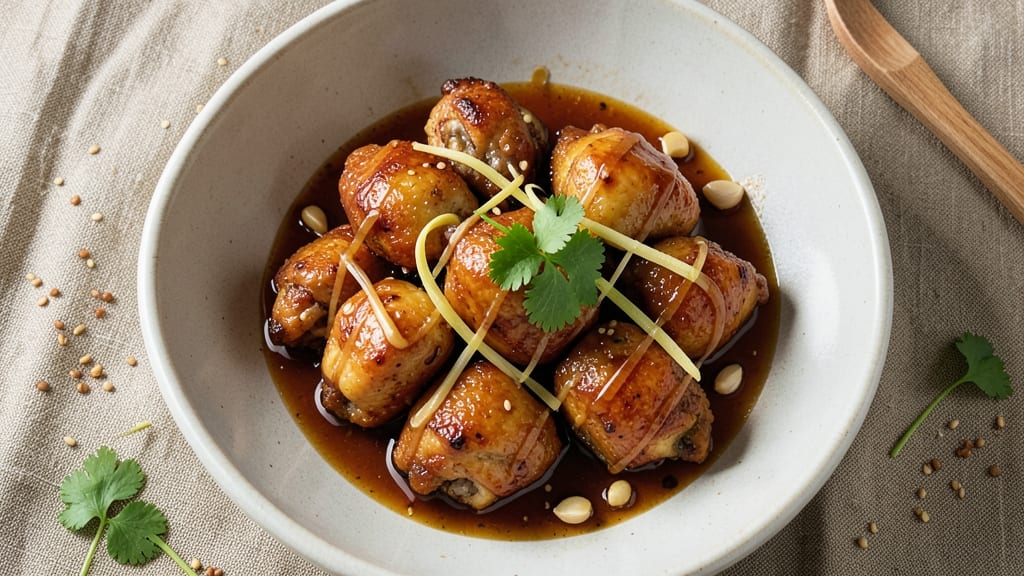
This baked sticky chicken recipe delivers restaurant-quality results with a honey-soy glaze that caramelizes into a rich, glossy finish. The secret lies in balancing sweet and savory flavors while achieving that signature sticky texture through careful basting and high-heat baking.
I've perfected this technique over years of testing, ensuring tender meat with a glossy, caramelized crust that clings to every bite.
The process begins with a simple marinade of honey, soy sauce, garlic, and ginger—ingredients that work together to tenderize the chicken while building deep umami and sweetness.
After baking, the real magic happens when you baste the chicken repeatedly with the reserved marinade, allowing it to caramelize into a sticky, glossy glaze. This method transforms ordinary chicken into something extraordinary, with each bite offering a perfect balance of tenderness and bold flavor.
What you'll achieve is succulent, golden-brown chicken pieces coated in a glossy, caramelized glaze that's impossible to resist. The sauce clings to the meat, creating that signature sticky texture that makes every bite irresistible.
This recipe is designed to impress, whether you're serving it for a special dinner or a casual family meal.
Pair it with steamed jasmine rice to soak up every last bit of that delicious sauce, or serve with roasted vegetables for a complete, well-rounded meal. The versatility of this dish makes it perfect for any occasion—easy to prepare yet sophisticated enough to feel like a restaurant-worthy creation.
Let's get started on making this sticky chicken masterpiece.
Ingredients for baked sticky chicken
Restaurant-quality sticky chicken starts with these carefully balanced ingredients for a perfect sweet-savory glaze.
| Ingredient | Amount | Notes |
|---|---|---|
| Boneless, Skinless Chicken Thighs 🍗 | 1 ½ lb | Cut into even 1-inch pieces |
| Honey 🍯 | ½ cup | Raw, unprocessed preferred |
| Soy Sauce 🥄 | ½ cup | Low-sodium preferred for balance |
| Fresh Garlic Cloves 🧄 | 6 cloves | Minced for marinade |
| Fresh Ginger Root 🌿 | 2 tbsp | Grated, for depth of flavor |
| Olive Oil 🫒 | 2 tbsp | Extra-virgin for richness |
| Brown Sugar 🍚 | 2 tbsp | Light or dark variety |
| Sesame Oil 🌱 | 1 tbsp | Toasted, for aroma |
| Diamond Crystal Kosher Salt 🧂 | 1 ½ tsp | For seasoning and balance |
| Freshly Ground Black Pepper 🌶️ | ½ tsp | For subtle heat |
| Cornstarch 🌾 | 1 tbsp | For glaze thickening |
| Jasmine Rice 🍚 | 1 ½ cups | Uncooked, for serving |
| Water 💧 | 3 cups | For rice cooking |
The chicken thighs are non-negotiable here—boneless, skinless cuts ensure even cooking and maximum surface area for the glaze to cling. Whole Foods or local butchers often carry high-quality thighs with good marbling, which keeps the meat juicy during baking. If using breasts, pound them to even thickness to prevent overcooking. The honey should be raw and unprocessed like Madhava or local apiary brands—it caramelizes better and adds depth. Soy sauce matters too: Kikkoman or Tamari provide that authentic umami punch without excess sodium if you opt for low-sodium. Fresh garlic and ginger should be vibrant and firm—no shriveled cloves or moldy roots. Whole Foods or Asian markets often carry superior quality for these aromatics.
No raw honey? Substitute with agave nectar at the same ratio, though the flavor will differ slightly. Running low on soy sauce? Coconut aminos work in a pinch, though they lack the depth. The sesame oil can be swapped for toasted peanut oil if unavailable, but the aroma will change. For a thicker glaze, add an extra 0.5 tbsp cornstarch—it's the secret to that signature sticky texture. If you're prepping ahead, marinate the chicken overnight for maximum tenderness, but even 30 minutes makes a difference. The rice? Jasmine rice is ideal, but basmati or short-grain white will work too—just adjust water ratios according to package instructions.
This recipe reheats beautifully—cover with foil and bake at 350°F for 10 minutes to restore moisture. The glaze thickens as it cools, so serve immediately for that restaurant-quality stickiness. Store leftovers in an airtight container for up to 4 days, though the flavor improves overnight as the glaze sets. For meal prep, portion the chicken and rice separately—reheat chicken first, then mix with rice to prevent sogginess. The glaze freezes well for up to 3 months if stored in a sealed container, though texture may slightly alter upon thawing.
Why You'll Love This Recipe
- One-Pan Magic: I swear by this recipe when I don’t want to wash a million dishes. Toss the chicken thighs, honey-soy glaze, and minced garlic right on a sheet pan—no bowls, no mess. The ginger caramelizes into sweet little pockets of flavor while everything bakes, and honestly? That’s my kind of effortless dinner.
- Sticky-Sweet Obsession: The balance here is chef’s kiss—honey’s natural sweetness cuts through the umami punch of soy sauce, while fresh ginger adds that bright, zesty kick. Every bite has that irresistible crispy edge with a sticky, saucy center that’s dangerously addictive. (Yes, even on a Tuesday night.)
- Meal Prep MVP: Between us, this is my go-to for lunches. The leftovers reheat like a dream—just a quick microwave zap keeps the sauce glossy and the chicken juicy. Pack it in containers for work or school, and you’ve got a flavor bomb that’ll make you the office hero. (My daughter’s favorite, and she’s a picky eater.)
- Budget-Friendly Protein: Chicken thighs are the unsung heroes of affordable meals, and this recipe makes them shine without breaking the bank. A few cloves of garlic, a knob of ginger, and a splash of honey stretch your dollar while delivering restaurant-quality flavor. Not the prettiest, but the taste makes up for it every time.
Step-by-step instructions for baked sticky chicken with honey-soy glaze
Master this technique and you'll achieve that signature sticky, caramelized glaze every time.
Marinate the Chicken for Maximum Flavor
In a large bowl, combine the 1.5 lb boneless, skinless chicken thighs (cut into even 1-inch pieces), 0.5 cup soy sauce, 0.5 cup honey, 2 tbsp olive oil, 2 tbsp brown sugar, 6 cloves minced garlic, 2 tbsp grated ginger, 1.5 tsp kosher salt, and 0.5 tsp freshly ground black pepper. The chicken should be fully coated in the marinade.
Transfer the bowl to the refrigerator and let the chicken marinate for at least 30 minutes, though I prefer 2 hours for deeper flavor penetration. This step ensures the chicken absorbs all the aromatic compounds and develops that sweet-savory balance that defines sticky chicken. The longer it marinates, the more tender and flavorful the final result.
Prepare the Glaze and Preheat the Oven
In a small saucepan, combine the 1 tbsp cornstarch, 1 tbsp sesame oil, and 2 tbsp water. Whisk vigorously until smooth, then add 0.25 cup honey (reserve the remaining 0.25 cup for later) and 0.25 cup soy sauce. Cook over medium heat, stirring constantly, until the mixture thickens to a glossy, syrupy consistency—this should take about 3-4 minutes.
While the glaze thickens, preheat your oven to 375°F. Line a baking sheet with parchment paper and arrange a wire rack on top. This elevated setup ensures the chicken bakes evenly and develops that coveted crispy skin. The glaze should coat the back of a spoon when ready—this is your signal that it's thick enough to cling beautifully to the chicken.
Bake the Chicken Until Caramelized
Remove the chicken from the marinade (reserve the marinade for later) and pat it dry with paper towels. Arrange the chicken pieces in a single layer on the prepared baking rack. Pour the thickened glaze evenly over the chicken, making sure each piece is well-coated. Transfer the baking sheet to the preheated oven.
Bake for 20 minutes, then carefully flip each piece of chicken and baste with the pan juices and reserved marinade. Return to the oven and bake for another 15-20 minutes until the chicken reaches an internal temperature of 165°F and the glaze has thickened into a glossy, sticky coating. You'll know it's ready when the edges are deeply caramelized and the chicken releases easily from the rack.
Cook the Jasmine Rice
While the chicken bakes, rinse the 1.5 cups jasmine rice under cold water until the water runs clear. This removes excess starch and prevents the rice from becoming gummy. In a medium saucepan, combine the rice with 3 cups water and bring to a boil over high heat. Once boiling, reduce heat to low, cover with a tight-fitting lid, and simmer for 15 minutes.
Remove the saucepan from heat and let the rice steam, undisturbed, for another 10 minutes. The rice should be tender and the liquid completely absorbed. Fluff the rice gently with a fork before serving. The rice should be light and fluffy, with each grain distinct and separate—this is the hallmark of perfectly cooked jasmine rice.
Serve with Sticky Glaze and Fresh Garnishes
Transfer the baked chicken to a serving platter and drizzle any remaining glaze from the baking sheet over the top. Garnish with thinly sliced green onions or sesame seeds for added texture and visual appeal. Serve the chicken immediately over the steamed jasmine rice, allowing guests to spoon up that rich, sticky glaze with every bite.
The chicken should be tender with a crispy exterior, and the glaze should be thick enough to coat the rice slightly when spooned. Each bite should deliver a perfect balance of sweet, savory, and umami flavors, with the honey and soy sauce creating that signature sticky texture. This dish is best served fresh, while the glaze is still warm and gooey.
Pro Tips For Making Baked Sticky Chicken
- Marinate Chicken Overnight: I used to toss the thighs in sauce right before baking, but they stayed bland. The ginger and garlic need time to tenderize—let them soak in the honey-soy mix for at least 4 hours (overnight if you can). The chicken absorbs flavor deeper, and the sticky glaze caramelizes better.
- Pat Dry First: Wet chicken thighs? That’s a recipe for steam instead of caramel. After marinating, blot them dry with paper towels—really dry. The sauce will cling better, and you’ll get that glossy, sticky crust instead of a sad, watery glaze.
- Bake at 375°F, Not Higher: I burned my first batch by cranking the oven to 425°F—honey burns fast. Stick to 375°F for even cooking. If the sauce thickens too soon, tent the pan with foil for the last 10 minutes to keep it glossy.
- Use a Mix of Light and Dark Honey: Pure honey is great, but a 50/50 blend with a mild molasses or maple syrup adds depth. The darker honey prevents the sauce from crystallizing too fast, keeping that gooey, sticky texture you’re after. (Yes, even if you’re impatient like me.)
Serving suggestions for this dish
Rice Pairings
Jasmine rice is my go-to pairing because its delicate floral notes complement the rich, caramelized glaze without overpowering it. Use 1.5 cups uncooked jasmine rice with 3 cups water for perfectly fluffy grains that soak up every bit of that sticky sauce.
For a quicker option, try microwaveable jasmine rice—just add 1 cup rice to 1.5 cups water and cook for 10 minutes on high. 🍚
Vegetable Sides
Roasted broccoli with a sprinkle of toasted sesame seeds adds a satisfying crunch and balances the dish's sweetness. Toss 1 head broccoli in 1 tbsp olive oil, ½ tsp kosher salt, and roast at 425°F for 15 minutes until crispy.
Steamed bok choy with a splash of rice vinegar also works beautifully—its mild bitterness contrasts the glaze's richness. For extra flavor, drizzle with 1 tsp chili oil before serving.
Protein Variations
Want to switch it up? Swap chicken thighs for pork tenderloin cut into 1-inch cubes—the pork absorbs the glaze even better, creating a deeper sticky texture. For a seafood twist, try salmon fillets marinated in the same sauce, then baked at 375°F for 12-15 minutes until flaky.
Both alternatives keep the dish's signature stickiness while offering new flavor profiles. 🍣
Garnish Ideas
Fresh thinly sliced green onions add a pop of color and brightness, while toasted sesame seeds bring nutty depth. For a smoky touch, sprinkle ½ tsp smoked paprika over the chicken before serving.
If you love heat, drizzle with 1 tsp sriracha or chili crisp—just a few drops add a fiery kick that cuts through the sweetness. These garnishes elevate the dish from homemade to restaurant-worthy.
Sauce Enhancements
Add a splash of 1 tbsp rice vinegar to the glaze for brightness, or stir in 1 tsp grated fresh ginger for a zesty kick. For extra richness, whisk in 1 tbsp melted butter at the end—it creates a velvety finish.
If you prefer tanginess, mix 1 tsp lime juice into the reserved marinade before basting. These tweaks let you customize the glaze to your taste while keeping that signature sticky texture. 💫
Presentation Tips
Serve the chicken over rice in individual bowls for easy scooping, or arrange it on a platter with rice piled high for a dramatic presentation. Drizzle extra glaze in a zigzag pattern over the top for visual appeal.
For a modern touch, use black rice or wild rice blends—their deep colors contrast beautifully with the golden-brown chicken. Don’t forget to garnish each serving with a sprinkle of sesame seeds or green onions for a polished finish.
Nutrition facts
Frequently asked questions
Why does the glaze need to be thickened with cornstarch?
The cornstarch creates that signature sticky texture by converting the liquid glaze into a glossy, caramelized coating. Without it, the sauce would remain too thin and runny. The 1 tbsp cornstarch mixed with 1 tbsp sesame oil and water creates a slurry that thickens beautifully when cooked—this is what gives the dish its restaurant-quality stickiness.
Can I use chicken breasts instead of thighs?
Yes, but with caution—chicken breasts cook faster and can dry out. Pound them to ½-inch thickness and reduce baking time to 12-15 minutes total. For extra moisture, marinate for 4+ hours or add 1 tbsp honey to the glaze. Use a meat thermometer to check for 165°F internal temp.
How do I fix undercooked or overcooked chicken?
For undercooked chicken, return to 375°F oven for 5-10 minutes with extra glaze. Overcooked chicken can't be reversed, but save it by shredding and using in tacos or sandwiches. Always use a meat thermometer to avoid this—165°F is non-negotiable for safety.
What if I don't have sesame oil?
Don't worry—substitute with 1 tbsp neutral oil (like avocado or vegetable) plus ½ tsp toasted sesame seeds for aroma. For deeper flavor, add ½ tsp toasted sesame paste to the glaze. The dish will still be delicious, just with slightly different notes.
Can I make this recipe ahead of time?
Cook the chicken and rice separately, then refrigerate in airtight containers for up to 4 days. Reheat chicken in the oven at 350°F for 10 minutes with a splash of water to restore moisture. The glaze may thicken further—add 1 tsp water** and reheat if needed.