
Sauces & Condiments
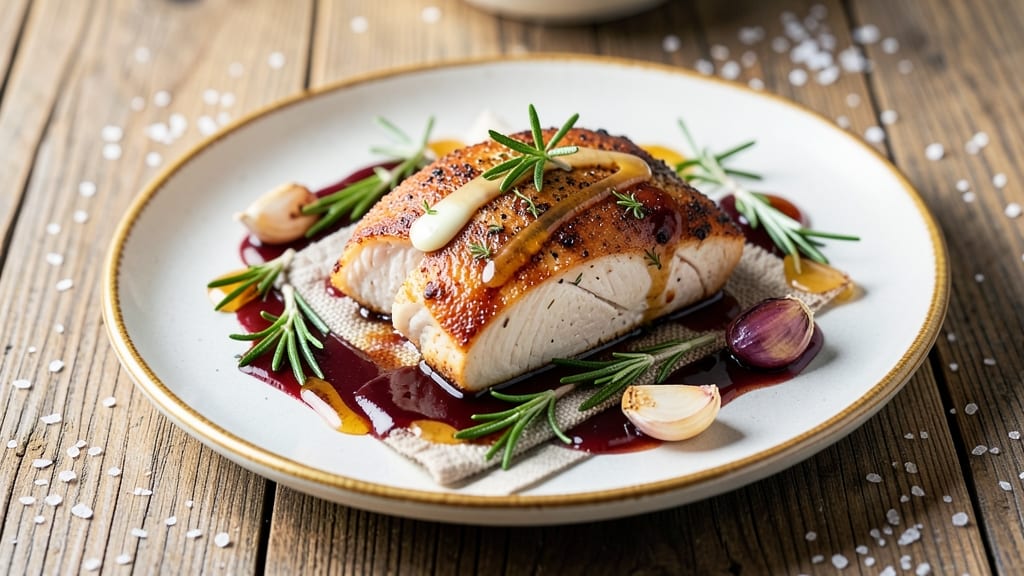
This balsamic chicken sauce recipe transforms ordinary chicken into a restaurant-worthy centerpiece with just a few pantry staples. The magic lies in balancing rich balsamic vinegar with honey and garlic, creating a glaze that's both sweet and tangy with deep caramelized notes.
I've perfected this sauce over years of testing, and it elevates everything from grilled chicken to roasted vegetables—without requiring any fancy techniques.
The secret to this sauce's complexity is slow reduction, which concentrates the flavors into a velvety glaze that clings beautifully to protein. You'll start with simple ingredients—balsamic vinegar, honey, garlic, and a touch of butter—but the transformation happens through patience and heat.
This isn't just a sauce; it's a flavor multiplier that turns simple meals into showstoppers.
What makes this recipe truly professional is its versatility. Use it as a finishing sauce for grilled chicken, a drizzle over pasta, or even a glaze for roasted vegetables.
The sauce keeps well in the refrigerator for up to a week, so you can make a big batch and use it throughout the week. The balance of sweet, tangy, and savory notes makes it irresistible.
Once you taste this sauce, you'll never go back to store-bought versions. The caramelized depth comes from reducing the sauce until it thickens slightly, creating a glossy finish that adds visual appeal.
Whether you're serving it at a dinner party or simply elevating weeknight meals, this sauce delivers restaurant-quality results with minimal effort.
Ingredients for balsamic chicken sauce
Eight pantry staples transform into a velvety glaze that elevates chicken to restaurant quality.
| Ingredient | Amount | Notes |
|---|---|---|
| Balsamic Vinegar 🍷 | ½ cup | High-quality aged balsamic preferred |
| Honey 🍯 | ¼ cup | Wildflower or clover for floral notes |
| Garlic Cloves 🧄 | 4 cloves | Minced for even distribution |
| Unsalted Butter 🧈 | 2 tbsp | Full-fat for richness (trust me on this) |
| Fresh Rosemary 🌿 | ¼ cup | Chopped, stems removed |
| Dijon Mustard 🥫 | 1 tbsp | For depth and tang |
| Salt 🧂 | ½ tsp | Diamond Crystal preferred |
| Black Pepper 🌶️ | ¼ tsp | Freshly ground for aroma |
The balsamic vinegar makes or breaks this sauce. Grab a bottle labeled 'aged' or 'extra-aged'—those cheap grocery store versions won't cut it. I always stock up on Balsamic Traditions from the Italian section, but any quality brand works. The honey should be liquid at room temperature—if it's crystallized, pop it in a warm water bath for 30 seconds. Fresh rosemary is ideal, but dried works at one-third the amount if you're in a pinch. For the garlic, I use Elephant brand from the Asian market—they're huge and easy to peel.
No balsamic vinegar? Red wine vinegar plus 1 tbsp maple syrup gets you close. Honey too thick? Swap for agave nectar. The Dijon mustard can be omitted if you're sensitive to tang, but I wouldn't skip it—it's what gives this sauce its professional depth. Short on rosemary? Thyme works beautifully (same amount). The butter is non-negotiable though—vegan butter won't give you that same velvety finish, but if you're vegan, use coconut oil instead. For extra richness, add a splash of heavy cream at the end.
This sauce keeps beautifully in a sealed jar in the fridge for 1 week. For longer storage, portion into ice cube trays and freeze for up to 6 months. The flavor actually improves after 24 hours as the ingredients meld. I always make a double batch—one for immediate use and one to freeze. When reheating, warm gently on the stove (no microwaving!) and stir in a pat of butter at the end for that restaurant-quality shine.
Why You'll Love This Recipe
- Foolproof Simplicity: I swear by this sauce because it’s the kind of recipe that forgives mistakes. Melt butter, toss in garlic and rosemary, simmer with balsamic and honey—no fancy techniques, just 15 minutes of hands-off magic while you chop veggies or set the table. Honestly, I’ve burned the garlic once and still ended up with a sauce that tasted like a hug.
- Sweet-Savory Balance: The honey and balsamic create this perfect contrast—tangy with a touch of caramelized richness, and the garlic? It’s like a warm, aromatic punch. Between us, this sauce makes even plain grilled chicken feel like a restaurant dish. (Yes, even on a Tuesday night.)
- Leftovers That Shine: This sauce actually improves the next day—thicker, deeper, and even better for dipping crusty bread or tossing with pasta. I keep a jar in the fridge for emergencies, and it’s the reason my freezer’s not full of sad, forgotten takeout containers.
- Budget-Friendly Luxury: You’re using pantry staples here—vinegar, honey, butter—and the rosemary adds that fresh touch without breaking the bank. I’ve made this for date nights, potlucks, and lazy Sundays, and it always feels special without costing a fortune. (My wallet and taste buds agree.)
Step-by-step instructions for balsamic chicken sauce
Here's how to create a rich, balanced glaze that marries sweetness and acidity with aromatic depth.
Create the Base with Butter and Rosemary
In a medium saucepan over medium heat, melt the 2 tablespoons unsalted butter until it foams and smells nutty. Add the 0.25 cup chopped fresh rosemary and cook for 1-2 minutes until fragrant but not browned—just enough to release its piney aroma. This step builds the herbal foundation that will carry through your sauce.
Watch the butter carefully—it should bubble gently but not turn golden. If it starts to brown too quickly, reduce the heat slightly. The rosemary should infuse the butter with its earthy notes without becoming bitter. I like to use a wooden spoon here to stir gently and prevent any potential burning at the bottom of the pan.
Add Garlic and Mustard for Depth
Immediately add the 4 minced garlic cloves and 1 tablespoon Dijon mustard to the pan. Stir constantly for 30 seconds until the garlic becomes fragrant but doesn't brown. The mustard will help emulsify the sauce later, creating that silky texture we're after.
Here's the thing—garlic burns faster than you think. Don't walk away. You'll know it's ready when the raw garlic smell transforms into something sweet and toasty. The mustard adds a subtle tang that balances the sweetness we'll introduce next. If your garlic starts to color too quickly, remove the pan from heat for 10 seconds to cool it down before continuing.
Simmer Vinegar and Honey Together
Pour in the 0.5 cup balsamic vinegar and 0.25 cup honey, stirring to combine. Increase heat to medium-high and bring the mixture to a boil. Once boiling, reduce heat to medium-low and let it simmer uncovered for 8-10 minutes until it thickens noticeably.
You're looking for a reduction where the sauce coats the back of a spoon. The balsamic will darken as it cooks, developing complex caramelized notes that cut through the sweetness. Stir occasionally to prevent sticking, but don't over-stir—this can cause sugar crystallization. If the sauce reduces too quickly, you can add 1-2 tablespoons water to maintain the proper consistency.
Season and Finish the Glaze
Remove the pan from heat and stir in the 0.5 teaspoon salt and 0.25 teaspoon black pepper. Taste the sauce and adjust seasoning if needed—you might want to add a touch more salt or a splash of vinegar if it's too sweet. Let it cool slightly for 5 minutes while you prepare your chicken.
This cooling period allows the flavors to meld and the sauce to thicken further. The glaze should be glossy with a syrupy consistency that clings beautifully to chicken. If it's too thick, whisk in 1 teaspoon water at a time until it reaches your desired consistency. The perfect glaze should be smooth, balanced between sweet and tangy, with a rich herbal depth from the rosemary.
Pro Tips For Making Balsamic Chicken Sauce
- Simmer the Vinegar: Start by cooking down the balsamic vinegar over medium-high heat for 3-4 minutes before adding anything else—this burns off the harsh acidity and concentrates the flavor. I used to skip this and wondered why my sauce always tasted sharp and underdeveloped.
- Mince the Garlic Fine: Use a microplane or knife to mince the garlic into a paste—this distributes it evenly and prevents clumps in your sauce. After burning three batches with uneven garlic distribution, I finally broke out the microplane and never looked back.
- Balance Sweet and Acid: Add the honey gradually, tasting as you go, and adjust the ratio until the sauce has a smooth sweet-tart profile—aim for roughly equal parts honey to reduced vinegar. I was skeptical until I tried it; now I can’t imagine a balsamic sauce without this balance.
- Infuse the Butter Slowly: Melt the unsalted butter into the sauce off the heat, then stir in the fresh rosemary and let it steep for 5 minutes before serving—this keeps the butter from burning and lets the rosemary perfume the sauce. Sounds weird, but it works: the butter stays rich, and the rosemary shines without overpowering.
Dietary considerations for these flavors
Gluten-Free Adaptations
This sauce is naturally gluten-free, but always double-check your ingredients—some balsamic vinegars and Dijon mustards contain hidden gluten. I recommend Annie's Organic gluten-free Dijon or Maille gluten-free mustard if you're avoiding gluten. The rosemary and honey are also safe, but watch for cross-contamination if using shared utensils or equipment. 🌱
Low-Sugar Options
If you're watching sugar intake, reduce the honey to 2 tablespoons and add 1 tablespoon maple syrup for a slightly lower glycemic impact. For even less sugar, swap the honey entirely for 1 tablespoon erythritol or monk fruit sweetener, though the flavor will be subtly different.
The balsamic vinegar's natural sweetness will still shine through.
Dairy-Free Version
To make this sauce vegan, replace the butter with 2 tablespoons coconut oil or olive oil. The texture will be slightly lighter, but the sauce will still cling beautifully to chicken or vegetables.
For extra richness, stir in 1 tablespoon nutritional yeast at the end—it adds a cheesy, umami note that complements the balsamic perfectly. 🥥
Nut-Free Considerations
This recipe is already nut-free, but if you're avoiding nuts entirely, ensure your honey isn't processed in facilities that handle tree nuts. Some brands add nut extracts or process honey in shared equipment.
I always check the label or opt for local, raw honey from a trusted source to avoid any cross-contamination risks.
Allergen-Friendly Adjustments
For those with rosemary allergies, substitute with thyme or basil (use the same amount). If mustard is an issue, omit it entirely—the sauce will still be flavorful, though slightly less complex.
For a deeper flavor without allergens, add 1 teaspoon smoked paprika instead. Always taste as you go to balance the sweet and tangy notes.
Keto-Friendly Tweaks
To make this sauce keto-friendly, reduce the honey to 1 tablespoon and add 1 tablespoon sugar-free sweetener like Swerve. The balsamic vinegar and Dijon mustard are already keto-approved, and the butter adds healthy fats.
This version keeps the sauce's richness while fitting into low-carb diets. Pair it with grilled chicken or cauliflower for a keto-friendly meal. 💪
Nutrition facts
Frequently asked questions
Can I use this sauce on other proteins besides chicken?
This balsamic glaze works beautifully on pork tenderloin, beef tenderloin, or even tofu for a vegetarian option. The key is to adjust cooking times—thinner proteins like shrimp or scallops only need 2-3 minutes in the sauce, while beef may require 5-8 minutes to absorb the flavors fully.
How do I prevent the sauce from crystallizing while reducing?
Crystallization happens when sugar concentrates too quickly. To avoid it, stir occasionally but gently, and if you see sugar crystals forming, whisk in 1 teaspoon water to dissolve them. Also, keep the heat at medium-low—too high causes rapid reduction and crystallization. A splash of vinegar helps too!
What's the best way to store leftovers?
Store in an airtight container in the fridge for 1 week. For longer storage, freeze in ice cube trays for up to 6 months. Thaw overnight in the fridge and reheat gently on the stove, adding a pat of butter at the end to restore its glossy finish. Never microwave—it destroys the sauce's delicate texture!
Can I make this sauce without honey?
Yes! Swap the honey for 2 tablespoons maple syrup or 1 tablespoon agave nectar for a similar sweetness level. For a savory-only version, reduce the honey to 1 tablespoon and add 1 teaspoon balsamic glaze (the thick, syrupy kind) for extra depth. The sauce will be less sweet but still rich and complex.
How do I make this sauce thicker for drizzling?
For a thicker glaze, reduce the sauce uncovered for an extra 5-10 minutes until it reaches a syrup-like consistency. If it's too thick, whisk in 1 teaspoon water at a time. For instant thickening, mix 1 teaspoon cornstarch with 1 tablespoon cold water, stir into the sauce, and simmer for 1-2 minutes until it reaches your desired thickness.