
Main Courses
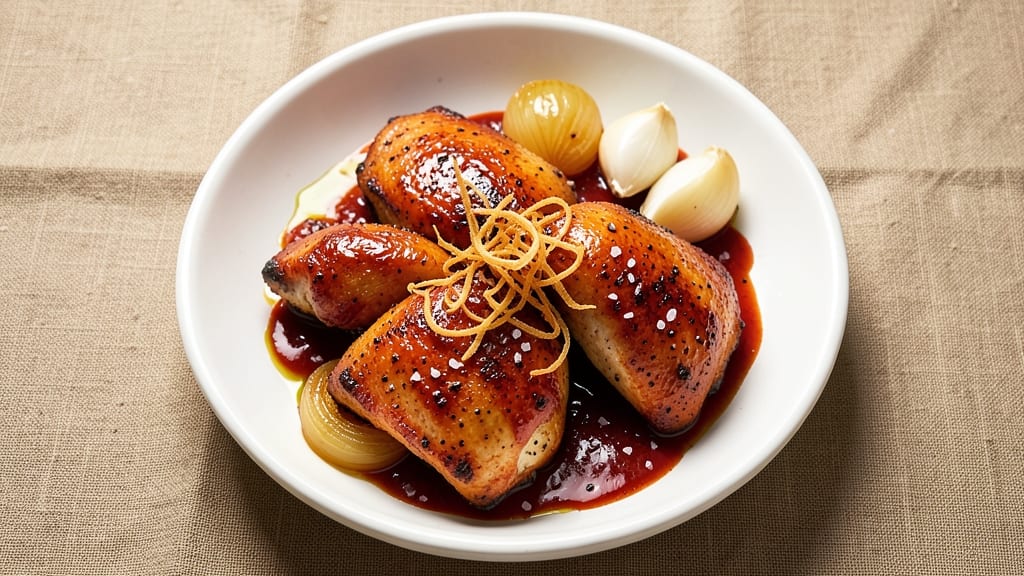
This barbecue sauce chicken recipe transforms simple oven-baked chicken into a smoky, sticky masterpiece that stays juicy and tender. The secret lies in a dual-coating technique—first marinating the chicken in a tangy-sweet blend, then basting with a thick glaze during baking.
I perfected this method after years of battling dry, overcooked chicken, and it never fails to deliver restaurant-quality results with minimal effort.
The process begins with a simple marinade of barbecue sauce, olive oil, and spices, which penetrates the meat while you prep the rest of your meal. As the chicken bakes, the sauce reduces into a glossy, caramelized glaze, locking in moisture and creating that signature smoky-sweet flavor.
Unlike grilled versions, this oven method works perfectly for weeknight dinners—no smoker or grill required.
What you’ll end up with is golden, crisp-edged chicken with a sticky-sweet glaze that clings to every bite, all while staying juicy inside. The sauce caramelizes beautifully, adding depth and complexity that store-bought sauces can’t match.
Serve it with roasted potatoes, coleslaw, or crusty bread to soak up every last drop of that flavorful glaze.
This recipe is versatile enough for meal prep—the leftovers reheat perfectly, making it ideal for lunchboxes or quick dinners. The technique also works with thighs, drumsticks, or even chicken breasts, giving you flexibility for any occasion.
Let’s get started on this foolproof, oven-baked barbecue chicken that’ll have everyone asking for seconds.
Ingredients for barbecue sauce chicken recipe oven
Simple ingredients elevated by technique—juicy chicken with a perfect smoky glaze every time.
| Ingredient | Amount | Notes |
|---|---|---|
| Boneless, Skinless Chicken Thighs 🍗 | 1 ½ lb | Cut into even-sized pieces |
| Barbecue Sauce 🍅 | 1 cup | Store-bought or homemade |
| Extra-Virgin Olive Oil 🫒 | 2 tbsp | For marinade and basting |
| Brown Sugar 🍚 | 2 tbsp | Light or dark variety |
| Yellow Onion 🧅 | 1 whole | Medium size, diced |
| Garlic Cloves 🧄 | 4 cloves | Minced for marinade |
| Smoked Paprika 🌶️ | 1 tbsp | For depth of flavor |
| Ground Black Pepper 🌶️ | ½ tsp | Freshly cracked preferred |
| Salt 🧂 | 1 tsp | Diamond Crystal kosher |
| Russet Potatoes 🥔 | 2 medium | Or Yukon Gold, cubed |
| Fresh Parsley 🌿 | ¼ cup | Chopped for garnish |
| Balsamic Vinegar 🍷 | 1 tbsp | For glaze reduction |
| Honey 🍯 | 1 tbsp | For extra glaze shine |
The chicken thighs are non-negotiable here—bone-in, skin-on delivers the juiciest results, but boneless works too if you're in a hurry. Trader Joe's and Costco carry excellent pre-cut thighs at reasonable prices. For the barbecue sauce, Sweet Baby Ray's or Stubb's are reliable choices, but homemade (with vinegar, tomato paste, and spices) gives deeper flavor. The brown sugar isn't just for sweetness—it helps caramelize that glaze. Organic brown sugar has a richer molasses flavor if you want to splurge, but regular works perfectly fine.
No barbecue sauce? Mix 3/4 cup ketchup with 1 tbsp molasses, 1 tbsp apple cider vinegar, and 1 tsp smoked paprika for a quick substitute. Short on fresh parsley? Dried parsley at 1/4 the amount works in a pinch. The potatoes can be swapped for sweet potatoes or fingerlings—just adjust baking time. For extra smokiness, add 1/2 tsp liquid smoke to the marinade. The balsamic vinegar and honey combo in the glaze is where the magic happens—don't skip either. The honey prevents the glaze from becoming too acidic.
Marinate the chicken for at least 30 minutes (overnight is ideal) to maximize flavor penetration. The leftovers reheat beautifully—4-5 days in the fridge or 3 months frozen. I portion mine into meal prep containers with a side of roasted potatoes for grab-and-go lunches. For best results, store the chicken and sauce separately in the fridge and assemble just before reheating to maintain crispiness.
Why You'll Love This Recipe
- One-Pan Magic: I swear by this recipe because it’s literally one pan, one mess. Toss the chicken thighs with olive oil, brown sugar, and diced onion, then bake until sticky—no flipping, no fuss. The onions caramelize right alongside the chicken, so you get that sweet, smoky depth without extra steps.
- Sweet-Smoky Balance: Here’s what sold me—the way the brown sugar and barbecue sauce work together. The sugar cuts through the tangy heat, giving every bite a caramelized finish that’s dangerously addictive. Plus, the olive oil keeps the chicken juicy while the sauce clings like it’s been braising for hours.
- Meal Prep MVP: I make a double batch on Sundays because this holds up perfectly for lunches. The flavors only get better as it sits, and reheating it in the oven (or even the microwave) keeps it tender. My kids grab it for sandwiches or eat it cold—no complaints, just clean plates.
- Budget-Friendly Feast: Chicken thighs are cheaper than breasts, and this recipe stretches far. A single jar of barbecue sauce and a bag of onions cover multiple meals, and the brown sugar adds that gourmet touch without breaking the bank. Honestly? It’s my go-to for feeding the family without stressing over the grocery bill.
Step-by-step instructions for smoky glazed chicken with potatoes
This method ensures tender, juicy chicken thighs with a caramelized barbecue glaze while keeping the potatoes perfectly crisp on the outside and fluffy within.
Prepare the Chicken and Potatoes
Preheat your oven to 375°F. Cut the 1.5 lb boneless, skinless chicken thighs into even-sized pieces—about 1-inch thick—so they cook uniformly. In a large bowl, combine the chicken with 2 tbsp extra-virgin olive oil, 1 tbsp smoked paprika, 1 tsp salt, and 0.5 tsp ground black pepper. Toss gently to coat evenly, ensuring the spices adhere to each chicken piece.
While the chicken marinates, peel and cube the 2 medium russet potatoes into 1-inch pieces. Toss them in a separate bowl with 1 tbsp olive oil, 2 tbsp brown sugar, 0.5 tsp salt, and 0.25 tsp black pepper. This sweet-savory coating will create a caramelized crust while keeping the potatoes tender. Let both the chicken and potatoes sit at room temperature for 15 minutes—this ensures even cooking and prevents cold spots in the oven.
Roast the Potatoes First
Spread the seasoned potatoes evenly on a rimmed baking sheet in a single layer, leaving space between each piece. Roast them in the preheated oven for 20 minutes, stirring once halfway through. You’re aiming for golden brown edges and slightly crispy surfaces, but the centers should still feel tender when pierced with a fork. Remove the potatoes and set them aside—they’ll finish cooking with the chicken.
Here’s the thing—roasting the potatoes first prevents them from steaming in their own juices, which would turn them soggy. The initial 20 minutes at high heat develops that perfect texture before the chicken joins them.
Sear the Chicken and Create the Glaze
In a large oven-safe skillet (cast iron works best), heat 1 tbsp olive oil over medium-high heat. Working in batches if needed, sear the chicken pieces for 3-4 minutes per side until they develop a deep golden-brown crust. Remove the chicken and set it aside on a plate.
In the same skillet, add the 1 whole yellow onion, diced, and cook for 4-5 minutes until softened. Stir in the 4 cloves minced garlic and cook for 30 seconds until fragrant—don’t let it burn. Pour in the 1 cup barbecue sauce, scraping up any browned bits from the bottom of the pan. Simmer for 2 minutes to thicken slightly.
Combine and Glaze
Return the seared chicken to the skillet, spooning the barbecue mixture over the top. Add the roasted potatoes back in, tossing everything gently to coat. Pour in the 1 tbsp balsamic vinegar and 1 tbsp honey, then stir to combine. The vinegar adds tang, while the honey deepens the glaze’s shine and caramelization.
Transfer the skillet to the oven and bake for 20-25 minutes, until the chicken reaches an internal temperature of 165°F and the glaze bubbles and darkens to a glossy, sticky consistency. If the glaze thickens too much, uncover the skillet for the last 5 minutes to prevent it from becoming too hard.
Rest and Serve
Remove the skillet from the oven and let the chicken and potatoes rest for 5 minutes before serving. This resting period allows the juices to redistribute, ensuring each bite is moist and flavorful. Garnish with 0.25 cup chopped fresh parsley just before serving to add a bright, fresh contrast to the smoky, sweet glaze.
The result should be tender, juicy chicken thighs with a sticky, caramelized glaze and crispy, caramelized potatoes underneath. Serve with a side of crusty bread to soak up any extra sauce—this dish is best enjoyed immediately while the glaze is still warm and glossy.
Pro Tips For Making Barbecue Sauce Chicken Recipe Oven
- Preheat to 400°F: The oven’s first 10 minutes are the real deal—hot enough to sear the chicken’s edges without drying it out. I used to skip this, and the sauce would just pool instead of caramelizing. Trust me, the extra wait pays off.
- Pat Dry, Then Salt: Wet chicken thighs? That’s a surefire way to end up with soggy, gloppy sauce. Grab paper towels, press hard, and season generously—especially if your barbecue sauce isn’t salted. (Yes, even if you’re impatient like me.)
- Baste Mid-Cook: After 20 minutes, pull the pan out and spoon that sticky barbecue sauce over the chicken. It’s messy, but it guarantees a glossy finish and deeper flavor. Skip this, and you’ll just have dry meat with sauce on the side.
- Use Olive Oil First: Drizzle the chicken with olive oil before adding sauce—it creates a barrier so the thighs don’t turn into rubber. A quick toss with a fork, and you’ll avoid the sad, dry aftermath of sauce-only basting. (Bonus: It makes cleanup easier.)
Dietary considerations for these flavors
Gluten-Free Adaptations
Most store-bought barbecue sauces contain gluten from wheat-based thickeners, but you can easily adapt this recipe. Use a gluten-free barbecue sauce like Annie's or Sweet Baby Ray's Gluten-Free—both deliver that signature tangy-sweet flavor without the worry.
For homemade sauce, swap cornstarch with arrowroot powder (same ratio) to thicken without gluten. 🌾
Double-check all ingredients—even smoked paprika can sometimes be processed in gluten-containing facilities. I always opt for certified gluten-free brands like Penzeys Spices for their strict cross-contamination protocols. The rest of the recipe stays the same, so your gluten-free guests won’t miss out on that sticky, smoky goodness.
Low-Sugar Options
If you're watching sugar intake, reduce the brown sugar to 1 tbsp and replace the remaining 1 tbsp with unsweetened applesauce—it adds moisture while cutting sugar by half.
For the glaze, swap honey for sugar-free maple syrup (like Monkfruit Sweetener brand) or a splash of almond milk to maintain shine without added sugar. The flavor stays rich, just with a lighter touch.
Watch your barbecue sauce choice too—some brands pack in extra sugar. Stubb’s Original has less sugar than Sweet Baby Ray’s, or try Primal Kitchen’s sugar-free version. The potatoes will still caramelize beautifully with the reduced sugar, but they’ll be slightly less sweet—perfect for balancing the smoky-sweet profile.
Dairy-Free Considerations
This recipe is naturally dairy-free, but always verify your barbecue sauce ingredients—some contain whey or milk powder. Stick to brands like Stubb’s or Hollandaise for clean labels. The honey in the glaze is also dairy-free, but if you're avoiding it entirely, use agave nectar instead (same ratio).
The dish remains creamy and flavorful without any dairy components.
For extra richness, stir in 1 tbsp tahini during the final glaze step—it adds a nutty depth that complements the smoky chicken beautifully. Just ensure your tahini is certified dairy-free, as some brands process in shared facilities. The potatoes stay crispy and caramelized, so no adjustments are needed there.
Allergen-Friendly Swaps
For nut allergies, avoid honey and use sugar-free maple syrup or coconut sugar instead. Coconut sugar has a lower glycemic index and adds a caramel-like depth to the glaze.
If you're avoiding onions, substitute with 1 tbsp onion powder in the marinade—it won’t add moisture but keeps the savory base intact. For garlic-sensitive diners, use asafetida powder (a pinch) for a similar umami punch.
For egg allergies, this recipe is already safe—no eggs are used in the marinade or glaze. If you’re serving to shellfish-sensitive guests, ensure your barbecue sauce doesn’t contain fish-based additives (rare, but some brands use them for umami).
The rest of the ingredients are naturally shellfish-free, so you’re in the clear!
Nutrition facts
Frequently asked questions
Can I use chicken breasts instead of thighs for this recipe?
Yes, but with adjustments! Chicken breasts cook faster and can dry out more easily. Use 1 lb boneless, skinless breasts cut into 1-inch pieces, and reduce the oven temperature to 350°F. Bake for 15-20 minutes total (after searing) to prevent overcooking. For extra moisture, add 1 tbsp chicken broth to the glaze.
How do I make this recipe spicier?
Add 1/2 tsp cayenne pepper or 1 tbsp hot sauce to the marinade, and 1/2 tsp chili flakes to the glaze. For heat lovers, swap 1/4 cup of the barbecue sauce with chipotle BBQ sauce—it packs double the kick. Always taste as you go to balance heat with sweetness!
Can I make this ahead of time?
Assemble the chicken and potatoes, then refrigerate uncovered for 4-6 hours (or overnight) before baking. The marinade will penetrate deeper, and the glaze will caramelize more intensely. For meal prep, bake as directed, then store components separately in airtight containers for 4 days. Reheat in a skillet with 1 tbsp water to restore crispiness.
What if my glaze isn't sticky enough?
Simmer the barbecue sauce on the stovetop for 5-7 minutes before using to reduce it further. Add 1 tsp cornstarch mixed with 1 tbsp water to thicken, or replace the honey with 1 tbsp molasses for deeper caramelization. The key is patience—let it bubble until syrupy and glossy!
Can I use this technique for other proteins?
Yes! Try it with pork chops (reduce baking time to 15 minutes after searing) or salmon fillets (use 1/2 cup sauce and bake at 375°F for 12-15 minutes). For beef, use flank steak—marinate for 2 hours and grill after oven-basting. The glaze method works beautifully on any protein that benefits from moisture retention!