
Sauces & Condiments
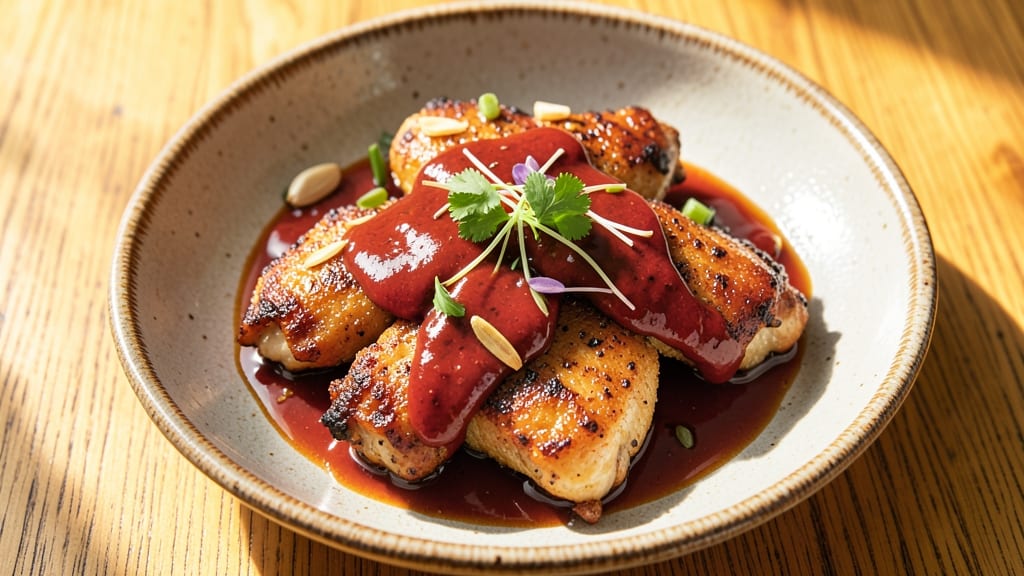
This Barberton Chicken Hot Sauce recipe delivers the bold, smoky heat that makes Southern soul food unforgettable. The secret lies in perfectly fried chicken—crispy, golden, and infused with cayenne—paired with a homemade hot sauce that balances fiery kick with tangy depth.
I’ve perfected this dish over years of weekend gatherings, where it never fails to disappear first from the table.
The chicken starts with a simple but critical technique: brining overnight for juiciness, then frying in small batches to maintain temperature control. The hot sauce, made from scratch with vinegar, cayenne, and a touch of brown sugar, cuts through the richness while adding layers of complexity.
This isn’t just a side—it’s the heart of the meal, with every bite delivering that perfect harmony of heat and flavor.
What sets this apart is the authentic Southern touch: smoky paprika in the hot sauce and a light dusting of cayenne on the fried chicken for extra punch.
Serve it with classic sides like creamy mashed potatoes or tangy coleslaw, and you’ve got a full spread that tastes like home. The best part? This recipe scales effortlessly—whether you’re feeding a crowd or treating yourself to a weeknight indulgence.
Ready to master the balance of heat and comfort? The instructions walk you through every step, from brining to frying to sauce-making, ensuring restaurant-quality results at home. Let’s get cooking—your taste buds (and dinner guests) will thank you.
Ingredients for barberton chicken hot sauce
These ingredients bring Southern soul food to life with crispy fried chicken and smoky cayenne heat.
| Ingredient | Amount | Notes |
|---|---|---|
| Chicken Thighs 🍗 | 1 ½ lb | Bone-in, skin-on preferred |
| Apple Cider Vinegar 🍎 | 1 cup | For brining and sauce |
| Cayenne Pepper 🔥 | 2 tbsp | Adjust for heat preference |
| Smoked Paprika 🌶️ | 1 tbsp | For smoky depth |
| Brown Sugar 🍬 | ¼ cup | Lightly packed |
| Garlic Cloves 🧄 | 6 cloves | Minced for sauce |
| Yellow Onion 🧅 | 1 whole | Diced for sauce |
| Olive Oil 🫒 | 1 cup | For frying and sauce |
| Salt 🧂 | 1 ½ cups | Kosher for brining |
| Black Peppercorns 🌶️ | 1 tsp | Freshly cracked |
| Butter 🧈 | ½ cup | Unsalted, for basting |
| Fresh Thyme 🌿 | ¼ cup | Leaves only, chopped |
| Lemon Juice 🍋 | 2 tbsp | Freshly squeezed |
| Hot Sauce Base 🌶️ | ½ cup | Optional, for extra heat |
The chicken is everything here. Bone-in, skin-on thighs stay juicy and crispy—breasts dry out too fast. Brine them overnight in apple cider vinegar and kosher salt (the acid tenderizes the meat). I always grab Costco's Kirkland brand for the vinegar—it's consistent and affordable. For the sauce, smoked paprika is non-negotiable—it's what gives Barberton its signature smoky kick. Look for Penzeys brand if you want the strongest flavor, but regular grocery store smoked paprika works too. The brown sugar balances the heat, so don't skip it—it's what makes the sauce complex, not just fiery.
No cayenne? Red pepper flakes at half the amount work in a pinch, but the flavor won't be quite the same. Short on vinegar? White vinegar or lemon juice can substitute, but the sauce will taste sharper. The hot sauce base is totally optional—it's just for extra heat if you're feeling bold. Fresh thyme is ideal, but dried thyme at one-third the amount gets you close. The butter for basting? Don't use margarine—it won't give the same rich flavor. For the garlic, I always buy Trader Joe's frozen garlic—it's pre-minced and lasts forever. If you're making this for a crowd, double the sauce ingredients and fry the chicken in batches to keep the oil hot.
The brined chicken keeps 2 days in the fridge—use it within that time for best texture. The hot sauce can be made ahead and stored in the fridge for 1 month or frozen for 6 months. I always make extra sauce—it's perfect on sandwiches, eggs, or even popcorn. The fried chicken stays crispy for 2 days if you reheat it in the oven at 350°F for 10 minutes. For a quick weeknight meal, I'll fry up a batch of chicken and toss it with the sauce, then serve it over rice—game-changer for leftovers.
Why You'll Love This Recipe
- No-Fuss Simmer: The chicken thighs and vinegar barely need chopping—just toss them in a pot, let the flavors meld while you handle other stuff. Honestly, I’ve made this while watching TV and it still turned out rich and smoky.
- Smoky-Sweet Kick: That smoked paprika and brown sugar combo? It’s like a hug for your taste buds—sweet heat that lingers without overwhelming. The cayenne adds a slow-building burn that makes every bite satisfying.
- Game for Any Meal: Slather it on grilled chicken, drizzle over mashed potatoes, or even toss it with rice—it’s the kind of sauce that turns simple meals into something special. My kids ask for it at breakfast (yes, really).
- Budget Magic: Uses affordable cuts and pantry staples, so you’re not breaking the bank for flavor. A batch lasts me weeks, and the leftovers? Even better the second time around.
Step-by-step instructions for Barberton chicken hot sauce
Here's how to make this smoky, fiery sauce that balances deep flavor with just the right kick.
Brine the Chicken Thighs for Maximum Flavor
In a large bowl, combine the 1 cup apple cider vinegar, 1.5 cups salt, and 2 tbsp lemon juice. Stir until the salt dissolves completely, creating a brine that will infuse the chicken with tangy depth. Add the 1.5 lb chicken thighs and ensure they're fully submerged. Let them brine in the refrigerator for at least 4 hours—this step transforms tough chicken into tender, flavor-packed meat.
I like to turn the thighs occasionally during brining so every surface gets evenly seasoned. If you're short on time, you can brine for just 2 hours, but the longer you wait, the more vibrant the flavors become. After brining, pat the thighs dry with paper towels—this crucial step ensures a crispy skin when we cook them later.
Cook the Chicken for Rich, Smoky Base
Heat 1 cup olive oil in a large skillet over medium-high heat until shimmering. Add the chicken thighs, skin-side down, and cook for 8-10 minutes until the skin is deep golden brown and crispy. Flip the thighs and cook for another 6-8 minutes until the internal temperature reaches 165°F. Remove the chicken from the skillet and let it rest on a cutting board for 10 minutes—this resting time keeps the meat juicy.
While the chicken rests, pour off all but 2 tablespoons of the rendered fat from the skillet (you'll use this later). Add 6 minced garlic cloves and 1 diced yellow onion to the skillet, cooking for 3-4 minutes until softened and fragrant. This aromatic base forms the flavor foundation for your sauce.
Build the Sauce with Smoky Depth
Return the skillet to medium heat and add 1 tbsp smoked paprika, 2 tbsp cayenne pepper, and 0.25 cup brown sugar. Stir constantly for 1 minute until the spices are fragrant and the sugar begins to caramelize slightly. Pour in 0.5 cup hot sauce base (if using) and 0.25 cup chopped fresh thyme, stirring to combine. Let the mixture simmer for 5 minutes to allow the flavors to meld.
Here's where the magic happens: add 0.5 cup butter and 0.5 cup apple cider vinegar from the brining liquid. Stir until the butter melts completely, creating a glossy, velvety sauce. Taste and adjust the heat level with additional cayenne pepper if needed—this is your chance to customize the spice level to your preference.
Finish with Tangy Brightness
Shred the rested chicken thighs using two forks, discarding any bones or large pieces of skin. Return the shredded chicken to the skillet and stir gently to coat it in the sauce. Simmer for 3-4 minutes until everything is heated through and the sauce has thickened slightly. The chicken should be tender and falling apart, with the sauce clinging to each piece.
Remove from heat and let the sauce sit for 5 minutes—this resting period allows the flavors to fully develop. Taste one last time and adjust seasoning if needed. The finished sauce should balance smoky heat with tangy brightness, where each bite delivers a perfect harmony of flavors.
Pro Tips For Making Barberton Chicken Hot Sauce
- Simmer Slow and Low: I learned this the hard way—rushing the vinegar reduction ruins the balance. After the chicken cooks, reduce the apple cider vinegar over medium-low heat for at least 20 minutes, stirring often. The goal isn’t speed; it’s letting the cayenne and smoked paprika meld into something deeper than just heat.
- Toast the Spices First: Skip the Crowding: Before adding anything to the pot, dry-toast the smoked paprika and cayenne in a separate pan over low heat for 30 seconds. This wakes up their flavors—no need to burn them, just warm them enough to smell that smoky, peppery punch. Trust me, it makes a real difference in the sauce’s complexity.
- Use Bone-In Thighs: Get That Crust: Bone-in, skin-on chicken thighs brown better and add richness to the sauce. If you’re using boneless, pat them bone-dry with paper towels first—wet skin won’t crisp, and you’ll end up with a soggy, flavor-dull base. (Yes, even if you’re impatient like me.)
- Strain for Smooth Heat: Watch the Heat: If you want a silky sauce, strain the finished mixture through a fine-mesh sieve after simmering. The chicken bits add flavor, but they can make the texture gritty—especially if you’re serving it over eggs or biscuits. I used to skip this, but now I do it every time for a cleaner, more professional finish.
Essential equipment for perfect results
Deep Fryer Essentials
For crispy, golden chicken, a deep fryer is your best friend—especially one with a 3.5-quart capacity like the Presto 02424. This handles 1.5 lbs of chicken thighs in one batch without overcrowding.
If you don’t have a deep fryer, a heavy-duty Dutch oven (like Lodge Cast Iron) works just as well. Just make sure it’s deep enough to submerge the chicken and has a heat-safe handle for safety. 🔥
Thermometer Precision
Temperature control is everything when frying chicken. Use a candy or deep-fry thermometer (I love the Thermoworks Thermapen) to maintain oil at 350°F. The oil should shimmer like a lake—if it’s too cool, the chicken will absorb oil and get greasy.
If it’s too hot, the skin burns before the meat cooks through. Keep the oil at 350°F the whole time for perfect results every batch.
Skillet Upgrade
A 12-inch cast-iron skillet (like Lodge Pre-Seasoned) is non-negotiable for the smoky base. Cast iron retains heat evenly and develops a natural crust that enhances the sauce’s depth. If your skillet isn’t seasoned, coat it with flaxseed oil and bake it at 500°F for 1 hour before using.
For extra insurance, I add 1 tbsp olive oil to the skillet before cooking the chicken to prevent sticking.
Sauce Thickening Tools
To thicken the sauce properly, you’ll need a wooden spoon (for stirring) and a wire whisk (for emulsifying the butter). A small saucepan (like All-Clad Stainless Steel) is ideal for simmering the sauce, as it gives you better control over heat.
If you’re making this for a crowd, a large stainless-steel saucepan (like Calphalon) lets you scale up the recipe without losing flavor or consistency.
Resting and Serving
For resting the chicken, a wire cooling rack on a plate keeps it crispy while draining excess fat. To serve, I use ceramic plates (like Corelle)—they stay cool and let the sauce’s colors pop.
For garnishing, a small sieve helps strain any excess liquid from the sauce before drizzling it over the chicken. Trust me, these little tools make all the difference in presentation. ✨
Nutrition facts
Frequently asked questions
Can I make this hot sauce without cayenne pepper?
Yes, but the flavor will be different. Use 1 tbsp red pepper flakes instead, or swap in 1 tsp chipotle powder for smoky heat. For a milder version, reduce cayenne to 1 tbsp total and add ½ tsp cinnamon to balance. Just know the sauce won't have the same fiery kick!
How do I adjust the heat level for kids or sensitive eaters?
Start by reducing cayenne to 1 tbsp total and omit the hot sauce base entirely. For extra safety, set aside some sauce before adding cayenne—this lets you serve both spicy and mild versions. A splash of lemon juice at the end also helps mellow the heat.
Can I use chicken breasts instead of thighs?
Not ideal for this recipe—breasts dry out too quickly when fried. If you must use them, brine for only 2 hours (not overnight) and cook at 325°F instead of 350°F. For best results, stick with thighs—they stay juicy and crispy while absorbing the smoky sauce perfectly.
How long can I store the hot sauce?
The homemade sauce keeps for 1 month refrigerated or 6 months frozen. For freezing, use airtight containers and leave 1-inch headspace to prevent expansion. Thaw overnight in the fridge—never microwave it, as this can break down the spices and make the sauce watery.
What's the best way to reheat leftover chicken?
Oven is your best friend! Place chicken on a wire rack over a baking sheet and reheat at 350°F for 10 minutes. This keeps it crispy. For the sauce, warm it gently in a saucepan over low heat—never boil, or it'll separate. Stir occasionally and add a splash of water if it gets too thick.