
Main Courses
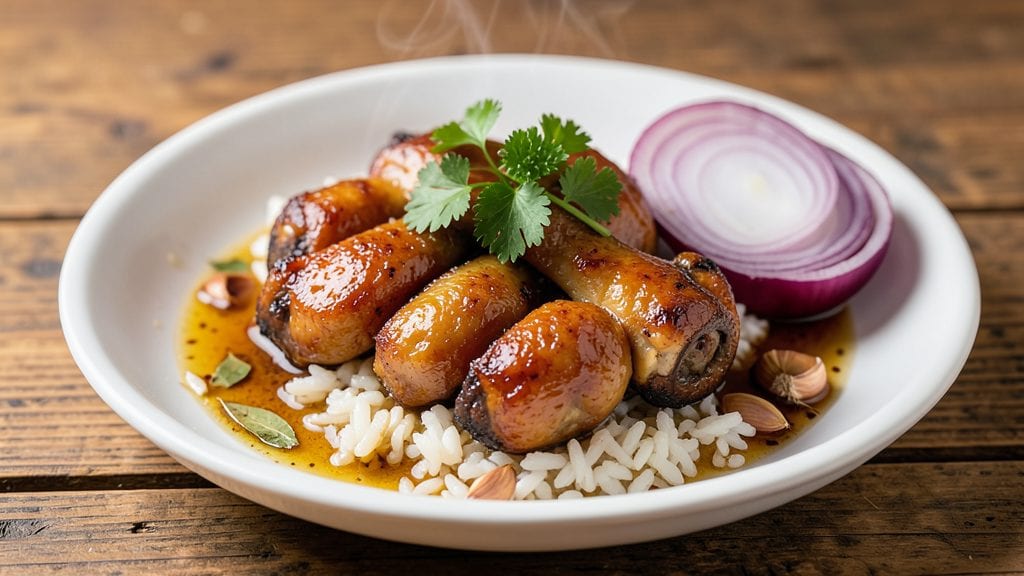
Boiled chicken gizzards transform tough, fibrous meat into tender, silky bites that pack rich, gamey flavor—perfect for hearty meals. The secret lies in proper preparation and slow simmering, which breaks down connective tissue without drying out the meat.
I’ve perfected this method after years of testing, ensuring every batch delivers restaurant-quality results in just 30 minutes of active prep followed by gentle cooking.
This recipe starts with thorough cleaning to remove any grit or membrane, then uses a precise water-to-gizzard ratio and aromatic seasonings to infuse flavor. Unlike other poultry cuts, gizzards benefit from a longer, slower cook to achieve that melt-in-your-mouth texture.
The result? A dish that’s versatile enough for weeknight dinners or special occasions, with a depth of flavor that rivals slow-cooked stews.
What sets this method apart is the balance of tenderness and richness—no tough chews or bland aftertaste. The silky texture comes from proper preparation, while the bold flavor develops from the right blend of herbs and spices.
Serve with crusty bread, over rice, or in sandwiches for a satisfying meal that feels indulgent yet simple to prepare.
The key to success is patience—especially during the cleaning and simmering stages. Follow the steps closely, and you’ll end up with gizzards that are so tender they practically fall apart.
This dish proves that offal can be delicious when handled with care, offering a budget-friendly protein option packed with flavor. Ready to try it?
Ingredients for boil chicken gizzards
Fresh gizzards, aromatic herbs, and precise seasoning transform tough meat into restaurant-quality bites.
| Ingredient | Amount | Notes |
|---|---|---|
| Chicken Gizzards 🍗 | 1 ½ lb | Fresh, cleaned, membrane removed |
| Water 💧 | 4 cups | Filtered or spring water preferred |
| White Vinegar 🍶 | ¼ cup | For tenderizing and brightness |
| Bay Leaves 🌿 | 2 whole | Fresh or dried, crumbled |
| Garlic Cloves 🧄 | 4 cloves | Smashed for deeper flavor |
| Onion 🧅 | 1 whole | Yellow or white, quartered |
| Carrot 🥕 | 1 whole | Medium, cut into chunks |
| Salt 🧂 | 1 ½ tsp | Kosher or sea salt |
| Black Peppercorns 🌶️ | 10 whole | Crushed for texture |
| Fresh Thyme 🌿 | ¼ cup | Leaves only, chopped |
| Olive Oil 🫒 | 2 tbsp | Extra-virgin for finishing |
| Lemon Juice 🍋 | 1 tbsp | Freshly squeezed |
The gizzards are the star—freshness is critical, so source them from a trusted butcher or poultry counter. Look for bright red, firm meat with minimal fat. Whole Foods or local farms often carry the best quality, but grocery store meat departments usually have them too. The cleaning process is non-negotiable: remove any grit, membrane, or connective tissue—this ensures silky texture. If you're nervous about handling, gloves are a must. For extra insurance, soak cleaned gizzards in cold water for 30 minutes before cooking to remove any lingering impurities. The water-to-gizzard ratio matters: use 4 cups water per 1.5 lbs gizzards to prevent overcrowding, which can lead to uneven cooking.
No fresh thyme? Dried thyme works at one-third the amount, but fresh delivers that bright, herbal punch. Vinegar might seem odd, but it's essential—white vinegar tenderizes the meat while adding brightness. Swap for lemon juice if you prefer, but reduce to 2 tbsp to avoid over-acidifying. The bay leaves and peppercorns are flavor anchors; crush the peppercorns slightly for better infusion. For a deeper garlic flavor, smash the cloves instead of mincing. If you're short on time, pre-cut vegetables (like baby carrots or frozen onion chunks) save steps without sacrificing quality. The olive oil and lemon juice at the end? Don’t skip this—they elevate the dish from simple to restaurant-worthy.
Store cooked gizzards in an airtight container in the fridge for up to 4 days, or freeze for 3 months. They reheat beautifully—gentle simmer in broth is best to maintain moisture. For meal prep, portion into single servings with a splash of cooking liquid to keep them tender. The flavors actually improve after resting overnight, as the spices meld further. If you have leftovers, transform them into sandwiches, tacos, or a hearty soup—this dish is incredibly versatile. The key to success? Patience in prep and cooking—rushing leads to tough, flavorless results.
Why You'll Love This Recipe
- No-Chop Necessary: I swear by this—just toss in whole gizzards, garlic cloves, and bay leaves. The vinegar does all the work while I’m stirring, no knife skills required. Honestly, the hardest part is peeling the garlic.
- Umami Bomb: That vinegar and garlic combo transforms tough gizzards into something rich and satisfying. The bay leaves add depth, and the texture? Tender with just enough bite—like a hug from my grandma’s kitchen.
- Game for Any Meal: I keep a batch boiled up all week for quick soups, tacos, or even sandwiches. (Yes, even on a Tuesday night.) It’s my secret weapon for turning simple meals into something special without extra effort.
- Budget Magic: A pound of gizzards feeds my family for days—way cheaper than chicken thighs. Plus, leftovers reheat perfectly, so I’m not scrambling to figure out dinner last-minute. My wallet and I both win.
Step-by-step instructions for boiled chicken gizzards
Follow this precise method to transform tough gizzards into silky, flavorful bites every time.
Prepare the Gizzards and Aromatics
Begin by thoroughly rinsing the 1.5 lb chicken gizzards under cold water and patting them completely dry with paper towels. Remove any remaining membranes or connective tissue - this ensures even cooking and prevents rubbery texture. In a large pot, combine the 4 cups water, 0.25 cup white vinegar, 2 whole bay leaves, 4 smashed garlic cloves, 1 quartered onion, and 1 chopped carrot. This aromatic base creates the flavor foundation.
Bring the liquid to a rolling boil over medium-high heat. As it heats, crush the 10 whole black peppercorns between your palms - this releases their oils and intensifies the flavor. Add the 1.5 tsp salt and 0.25 cup chopped fresh thyme to the boiling water. The vinegar helps tenderize the gizzards while the aromatics infuse the cooking liquid with depth.
Simmer the Gizzards Until Fork-Tender
Carefully add the prepared gizzards to the simmering liquid. Reduce the heat to medium-low and maintain a gentle simmer - never a rolling boil, as this can make the gizzards tough. Partially cover the pot with a lid, leaving a small gap for steam to escape. This controlled environment prevents the gizzards from becoming rubbery.
Simmer for 20-25 minutes, checking for doneness after 20 minutes. The gizzards are ready when they easily pull apart with a fork and the meat is completely opaque throughout. If they're not quite tender, continue simmering in 5-minute increments until fully cooked. The cooking liquid should reduce slightly, creating a more concentrated flavor base.
Finish with Olive Oil and Lemon Juice
Once the gizzards reach fork-tenderness, remove them from the pot using a slotted spoon and transfer to a serving platter. Strain the cooking liquid through a fine-mesh sieve to remove any solids, then return the strained liquid to the pot. Bring it to a gentle simmer over low heat and whisk in the 2 tbsp olive oil and 1 tbsp lemon juice. The oil adds richness while the lemon brightens the flavors.
Simmer the liquid for 2-3 minutes until slightly thickened. Pour this infused oil mixture over the gizzards just before serving. The gizzards should have a silky, almost melt-in-your-mouth texture with a rich, aromatic flavor profile. Serve immediately with the cooking liquid spooned over the top for maximum flavor impact.
Pro Tips For Making Boil Chicken Gizzards
- Rinse Gizzards First: Cold water rinse removes blood and grit—trust me, you don’t want gritty gizzards. Pat them dry afterward or they’ll steam instead of brown.
- Start with Cold Water: Drop gizzards into cold water, then bring to a boil. Hot water first makes them tough and unevenly cooked—like fighting a losing battle from the start.
- Vinegar Early, Not Late: Add white vinegar before boiling to tenderize the gizzards. Dumping it in at the end just makes the broth smell like a salad dressing.
- Smash Garlic Cloves: Crush garlic cloves with the flat side of your knife—no peeling needed. This releases more flavor into the water without turning it into a paste.
Troubleshooting this dish
Gritty Membranes Remain
If your gizzards feel rubbery or have a gritty texture after cooking, you likely missed removing the connective tissue membrane inside. This tough layer doesn’t dissolve during cooking. Rinse the gizzards thoroughly after cleaning, then use your fingers to peel away any remaining membranes—focus on the thick white strands inside.
For stubborn bits, a sharp knife helps. Always pat them dry before cooking to prevent steam pockets that can make them tough. 🔪
Undercooked or Tough Texture
Gizzards that stay tough after simmering usually mean they didn’t cook long enough or were overcrowded in the pot. Never exceed 1.5 lbs of gizzards per 4 cups of liquid—overcrowding raises the cooking temperature and creates steam instead of gentle simmering.
If they’re not fork-tender after 25 minutes, extend cooking in 5-minute increments until fully opaque. A meat thermometer should read 165°F at their thickest part. For extra tenderness, add 1 tbsp baking soda to the cooking water (neutralizes after cooking).
Bland or Watery Flavor
Weak flavor often comes from skipping the aromatic base or using low-quality ingredients. Always include bay leaves, smashed garlic, and crushed peppercorns—these infuse the cooking liquid.
For deeper flavor, deglaze the pot after removing the gizzards: add 1 tbsp butter and scrape up browned bits, then whisk in 1 tbsp lemon juice before finishing with olive oil. If the liquid tastes flat, reduce it by half over medium heat to concentrate the flavors.
Fresh herbs (like thyme) make a bigger difference than dried.
Pot Sticks to Gizzards
Sticking happens when gizzards release starches that react with the pot’s surface. Always use a heavy-bottomed pot (like Le Creuset or All-Clad) to prevent scorching. After cooking, rinse the gizzards briefly in cold water before serving to remove any residual starch.
For extra insurance, parboil them for 2 minutes in fresh water before adding to the main pot. This pre-cooking step creates a barrier that prevents sticking during the full simmer.
Overly Gamey Taste
The vinegar in the recipe tenderizes but can also amplify gamey flavors if the gizzards aren’t fresh. If your batch tastes too strong, reduce the vinegar to 2 tbsp and add 1 tbsp honey to balance.
For milder flavor, soak the cleaned gizzards in cold milk for 30 minutes before cooking—the lactic acid helps mellow the taste. Fresh gizzards from grass-fed chickens often have a cleaner flavor than older, grain-fed ones. If possible, ask your butcher for the freshest cuts available.
Liquid Too Thin or Weak
A watery cooking liquid usually means the gizzards weren’t simmered long enough to release collagen. Strain the liquid through a fine-mesh sieve, then reduce it by half over medium heat until slightly thickened. For extra richness, whisk in 1 tbsp butter or 2 tbsp cream at the end.
If the flavor is still weak, roast the aromatics (onion, garlic, carrot) in olive oil before adding water—this caramelizes them and deepens the base. Save the strained liquid to use as a gravy or sauce for serving.
Nutrition facts
Frequently asked questions
Why do I need to remove the membrane from chicken gizzards?
The membrane is a tough, fibrous layer that won't dissolve during cooking. Removing it ensures your gizzards become silky rather than chewy. Focus on the thick white strands inside each gizzard—use your fingers or a sharp knife to peel them away before cooking.
Can I boil gizzards without vinegar?
Vinegar tenderizes the meat and adds brightness, but you can substitute 2 tbsp lemon juice if preferred. Just reduce the amount slightly to avoid over-acidifying. For a milder flavor, omit it entirely, though the texture may be slightly firmer. The key is maintaining a gentle simmer regardless.
How do I know when gizzards are fully cooked?
They're done when they're fork-tender and completely opaque throughout. Check after 20 minutes of simmering—they should pull apart easily. For precision, use a meat thermometer to confirm 165°F at their thickest part. Overcooking can make them dry, so monitor closely.
What's the best way to store leftover boiled gizzards?
Store in an airtight container in the fridge for up to 4 days or freeze for 3 months. Reheat gently in broth or water to maintain moisture—never microwave dry. The flavors actually improve after resting overnight as spices meld further. Perfect for sandwiches or tacos!
Can I use frozen chicken gizzards for this recipe?
Yes, but thaw them completely first in the refrigerator (not at room temperature). Frozen gizzards may require 5-10 extra minutes of cooking time due to their colder starting point. Pat them thoroughly dry before cooking to prevent steam pockets that can make them tough.