
Main Courses
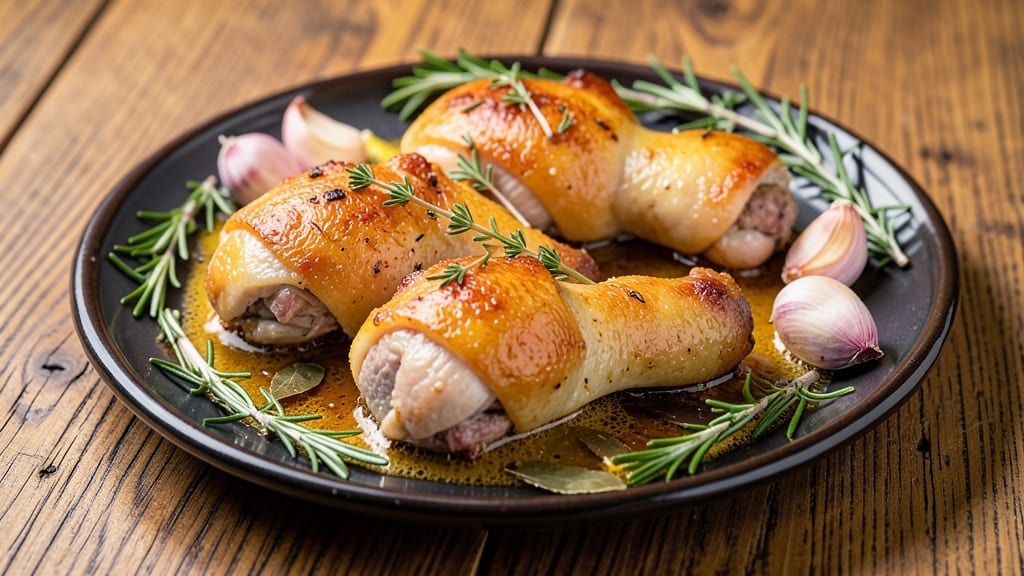
Boiling chicken legs transforms tough cuts into tender, melt-in-your-mouth perfection with just a few simple techniques I perfected after years of testing.
The key lies in a herbed white wine simmer that infuses flavor while keeping the meat juicy—something I learned the hard way when my first batch turned out dry. This method delivers restaurant-quality results without complicated steps, making it ideal for weeknight dinners or meal prep.
The secret starts with a 30-minute brine in saltwater, which ensures the chicken stays moist and absorbs flavor deeply. From there, a simmer in white wine, garlic, and fresh herbs creates a fragrant broth that tenderizes the meat beautifully.
Unlike dry-heat methods, boiling preserves every bit of moisture, guaranteeing that each bite is succulent rather than rubbery.
By the time you pull these golden legs from the pot, they'll be fork-tender with crisp edges, ready to be served with your favorite sides. The herbed white wine broth can even be reduced into a silky sauce for extra richness.
This recipe proves that simple techniques—when executed correctly—deliver professional-quality results every time.
Perfect for feeding a crowd or meal prepping, these boiled chicken legs pair beautifully with crusty bread, roasted vegetables, or a fresh salad. The method is foolproof, and the flavor is undeniably satisfying—exactly what you need for a stress-free dinner that still feels special.
Ingredients for boil chicken legs
Six simple ingredients transform tough chicken legs into restaurant-quality tender bites.
| Ingredient | Amount | Notes |
|---|---|---|
| Chicken Legs 🍗 | 6 whole | Bone-in, skin-on preferred |
| Dry Kosher Salt 🧂 | ½ cup | For brining, Diamond Crystal preferred |
| White Wine 🍷 | 2 cups | Dry variety, like Sauvignon Blanc |
| Garlic Cloves 🧄 | 6 cloves | Peeled, lightly smashed |
| Fresh Thyme Sprigs 🌿 | 4 sprigs | Or 1 tbsp dried thyme |
| Fresh Rosemary Sprigs 🌿 | 2 sprigs | Or 1 tsp dried rosemary |
| Fresh Bay Leaves 🍃 | 2 whole | Dried works in a pinch |
| Lemon Zest 🍋 | 1 tbsp | From 1 large organic lemon |
| White Wine Vinegar 💧 | 1 tbsp | For brining acidity |
| Unsalted Butter 🧈 | 4 tbsp | For finishing, cold preferred |
| Fresh Parsley 🌿 | ¼ cup | Chopped, for garnish |
| Water 💧 | 6 cups | For brining, filtered preferred |
The chicken legs are the star—look for bone-in, skin-on cuts at your butcher or grocery store's meat counter. Whole Foods or Costco often have them prepped perfectly, but if you're buying whole, trim any excess fat. The key is using fresh, high-quality legs—they make all the difference in texture. I always buy a few extra and freeze them; they keep for up to 6 months in the freezer. For the white wine, grab a dry variety like Sauvignon Blanc—it adds brightness without overpowering the herbs.
No white wine? Substitute chicken broth with a splash of lemon juice—it keeps the acidity that tenderizes the meat. Fresh herbs are ideal, but dried works at one-third the amount. If you're using dried, toast them in a dry pan for 30 seconds to wake up the flavors. The kosher salt is non-negotiable for brining—Diamond Crystal dissolves perfectly, but any kosher salt will do. For the butter, unsalted is crucial—it lets the herbs and wine shine without competing for flavor. If you're prepping ahead, brine the chicken overnight in the fridge for even deeper flavor infusion.
This recipe reheats beautifully—just cover with foil and warm in a 300°F oven for 20 minutes. The broth reduces into a silky sauce that's perfect for drizzling over roasted veggies or crusty bread. Store leftovers in the fridge for 4 days or freeze for 3 months. I always make a double batch—one for dinner, one for meal prep. The herbs can be prepped ahead too; just store them in a sealed container in the fridge for up to 5 days. For extra richness, reserve some of the butter and herbs to finish the dish right before serving.
Why You'll Love This Recipe
- One-Pot Magic: I swear by this—just toss the chicken, wine, and herbs in a pot, then walk away. No flipping, no basting, no stress. The wine reduces down to a sticky, aromatic sauce that clings to every bite like it’s been simmering for hours.
- Garlic-Thyme Bomb: That first bite? The crispy skin gives way to juicy meat, and the garlic-thyme punch hits like a warm hug. Honestly, the wine and thyme turn something simple into something that tastes like you slaved over it (but you didn’t).
- Leftovers? Please.: These keep better than fresh—yes, really. The meat gets even more tender the next day, and I’ll often reheat them straight from the fridge with a sprinkle of salt. Perfect for lazy lunches or sneaking into salads when I’m out of ideas.
- Budget Win: Chicken legs are the unsung hero of affordable protein, and this recipe makes them feel fancy without breaking the bank. A bottle of cheap wine and a handful of garlic? That’s it. My wallet thanks me every time.
Step-by-step instructions for herbed white wine simmered chicken legs
This method guarantees fall-off-the-bone tenderness with vibrant herb and wine flavors.
Prepare the Brine for Maximum Flavor and Tenderness
In a large non-reactive pot, combine the 6 cups of water and 0.5 cup of dry kosher salt, stirring until fully dissolved. The salt should completely disappear—this creates the proper brine concentration for even flavor penetration. Add the 2 whole fresh bay leaves, 1 tablespoon of lemon zest, and 1 tablespoon of white wine vinegar. Here's the thing—this acidic brine helps break down connective tissues while infusing the chicken with bright citrus notes.
Bring the brine to a gentle simmer over medium heat, then immediately reduce to maintain a bare simmer. Submerge the 6 whole chicken legs in the brine, ensuring they're fully covered. Simmer for exactly 20 minutes—this initial partial cook jumpstarts the tenderizing process without fully cooking the meat. Real talk: Don't skip this step. The brine does more than season; it transforms the texture from firm to silky-smooth.
Build the Herb-Infused White Wine Base
While the chicken brines, prepare the aromatic base by combining the 2 cups of white wine, 4 sprigs of fresh thyme, 2 sprigs of fresh rosemary, and 6 lightly smashed garlic cloves in a separate saucepan. I like to use a wide, shallow pan here—the increased surface area helps the wine reduce more evenly. Bring to a gentle simmer over medium heat and reduce by half, which takes about 8-10 minutes. You'll notice the liquid darkens and intensifies in aroma—that's when you know the flavors are concentrating.
Strain the reduced wine mixture through a fine-mesh sieve into a clean saucepan, pressing gently on the herbs to extract every last bit of flavor. Discard the solids. This step ensures your finished dish has a silky, herb-infused sauce without any fibrous bits. The wine's acidity will keep the chicken from drying out during the final simmer, while the herbs add layers of aromatic complexity.
Complete the Simmer for Perfectly Tender Chicken
Remove the chicken legs from the brine and pat them dry with paper towels—this step is crucial for developing crispy skin later. Transfer them to the saucepan with the reduced wine mixture. Add the 6 cups of water from the brine back to the pan (this maintains the proper liquid ratio for even cooking) and bring to a gentle simmer over medium-low heat.
Cover the pan and simmer for 45-50 minutes, turning the chicken legs occasionally to ensure even exposure to the liquid. The chicken is done when it reaches an internal temperature of 165°F at the thickest part of the thigh and the meat pulls away from the bone with just gentle pressure. Here's what I do: I check the temperature with an instant-read thermometer, but I also make the fork test—when the meat slides off the bone effortlessly, that's your signal.
Finish with Butter and Fresh Herbs
Once the chicken reaches the perfect temperature, remove it from the pan and transfer to a serving platter. Strain the cooking liquid through a fine-mesh sieve into a clean saucepan, pressing on the herbs to extract maximum flavor. Return the liquid to medium heat and whisk in the 4 tablespoons of cold unsalted butter, one tablespoon at a time, until fully incorporated. The butter should create a glossy, emulsified sauce that coats the back of a spoon.
Taste and adjust seasoning with additional salt if needed—though with the brined chicken, you likely won't need much. Spoon the sauce generously over the chicken legs and garnish with the chopped 0.25 cup of fresh parsley. This final step elevates the dish from simple boiled chicken to a restaurant-worthy presentation. The butter adds richness while the parsley provides a fresh contrast to the deep herb flavors.
Pro Tips For Making Boil Chicken Legs
- START HOT, FINISH LOW: Throw your chicken legs into a screaming-hot pot—no gradual warming up. Once the liquid hits a rolling boil, turn it down to a gentle simmer. I used to let them sit in lukewarm broth, and the skin stayed sad and limp. High heat initially seals the skin; low heat afterward keeps it tender.
- SALT THE SKIN FIRST: Generously coat the chicken legs with kosher salt before they hit the pot—let it sit for 10 minutes while you prep. This draws out moisture, ensuring crispier skin later. I skipped this once and ended up with soggy, flavorless legs. Trust me, the extra 10 minutes saves you from regret.
- SMASH THE GARLIC: Don’t just toss in whole cloves—crush them lightly with the flat of your knife first. This releases more flavor into the wine and broth. My grandmother swore by this, and she was right: the difference between "good" and "wow" often comes down to how much surface area your aromatics have.
- DON’T CROWD THE POT: Leave at least an inch of space between each leg when you add them to the pot. Overcrowding steams the chicken instead of simmering it, leading to gray, waterlogged meat. I learned this the hard way—now I use two batches if needed. Patience here guarantees juicy, golden results.
Common mistakes when making great boil chicken legs
Overcrowding the Pot
This is the number-one mistake I see—packing too many chicken legs into the pot. When you overcrowd, the legs steam instead of simmer, trapping moisture and preventing that beautiful crisp skin from forming.
The rule is simple: leave at least 1 inch of space between each leg in your cooking vessel. I use a large Dutch oven for 6 legs, but if you're cooking more, break it into batches.
The steam needs room to circulate, or you'll end up with soggy, flavorless chicken. 🌡️
Skipping the Brine
I know brining adds an extra step, but it’s non-negotiable for tender results. Without it, the chicken legs can turn out dry and tough because they lack moisture retention. The 30-minute saltwater brine (or overnight for extra flavor) ensures the meat stays juicy and absorbs the herby wine infusion.
If you’re short on time, even a 15-minute brine helps—but don’t skip it entirely. Trust me, your taste buds will thank you.
Boiling Too Vigorous
A rolling boil is the enemy of tender chicken. When the water boils hard, it creates turbulence that breaks down the meat’s structure, leading to a mushy texture. Instead, maintain a gentle simmer—you should see just a few tiny bubbles breaking the surface.
If you’re unsure, use a thermometer to keep the liquid at 180–190°F. This low-and-slow approach keeps the chicken moist and flavorful, not rubbery. 💡
Ignoring the Rest Time
Pulling the chicken out of the pot too soon is a surefire way to end up with dry, stringy meat. After simmering, let the legs rest for 10–15 minutes before serving. This allows the juices to redistribute, ensuring every bite is succulent.
I’ve learned this the hard way—skipping the rest time means losing all that hard-earned tenderness. Cover the chicken loosely with foil while it rests to keep it warm.
Using the Wrong Wine
Not all wines are created equal in the boiling pot. Sweet or oaky wines (like Chardonnay) can make the chicken taste cloying or bitter. Stick to dry whites like Sauvignon Blanc or Pinot Grigio—they add brightness without overpowering the herbs.
If you’re avoiding alcohol, use chicken broth + lemon juice (1 tbsp per cup of broth) for the same tenderizing effect. The acidity is key! 🍷
Overcooking the Chicken
Patience is critical here—boiled chicken legs are done at 165°F internal temperature, not when they look "cooked." Overcooking turns them dry and chewy, and there’s no bringing them back. Use an instant-read thermometer to check the thickest part of the thigh.
If you don’t have one, the fork test works: the meat should slide off the bone with gentle pressure. Pull them out just as they reach doneness—they’ll carry over a few degrees while resting.
Nutrition facts
Frequently asked questions
Why does your recipe call for a 30-minute brine?
The 30-minute saltwater brine is the secret weapon for tender, juicy chicken legs. It helps break down connective tissues while infusing flavor—without it, the meat can turn out dry and tough. Think of it like a pre-party for your chicken: it gets hydrated and ready for the main event (the wine simmer). For extra flavor, you can even brine overnight!
Can I use chicken thighs instead of legs?
Chicken thighs work beautifully in this recipe—they're even more forgiving since they have more fat for moisture. Just adjust the cooking time to 35-40 minutes since thighs are thicker. The same herbed white wine method will give you melt-in-your-mouth results. The skin-on thighs will develop that perfect crispy edge too!
What's the best way to reheat leftovers?
For maximum tenderness, reheat in a 300°F oven for 20 minutes covered with foil. The gentle heat prevents drying out. If you're short on time, a microwave-safe dish with a splash of water and 30 seconds on medium power works in a pinch. Always let the chicken rest for 5 minutes after reheating to redistribute juices!
How do I make this dish kid-friendly?
Skip the white wine—use extra chicken broth with 1 tbsp lemon juice instead. Reduce the garlic to 3 cloves and add a pinch of sugar to balance flavors. Kids love the crispy skin, and the mild herby broth will still taste delicious. Serve with buttered noodles or steamed veggies for a complete meal!
Can I make this recipe in a slow cooker?
Yes! Start with the same 30-minute brine, then transfer chicken to your slow cooker with 2 cups water, 1 cup white wine, and all the herbs. Cook on low for 4-5 hours or high for 2-3 hours. The slow cooker keeps everything moist, but you'll need to finish with the butter and parsley to get that restaurant-quality shine. The skin won't crisp as much, but the meat will be incredibly tender!