
Main Courses
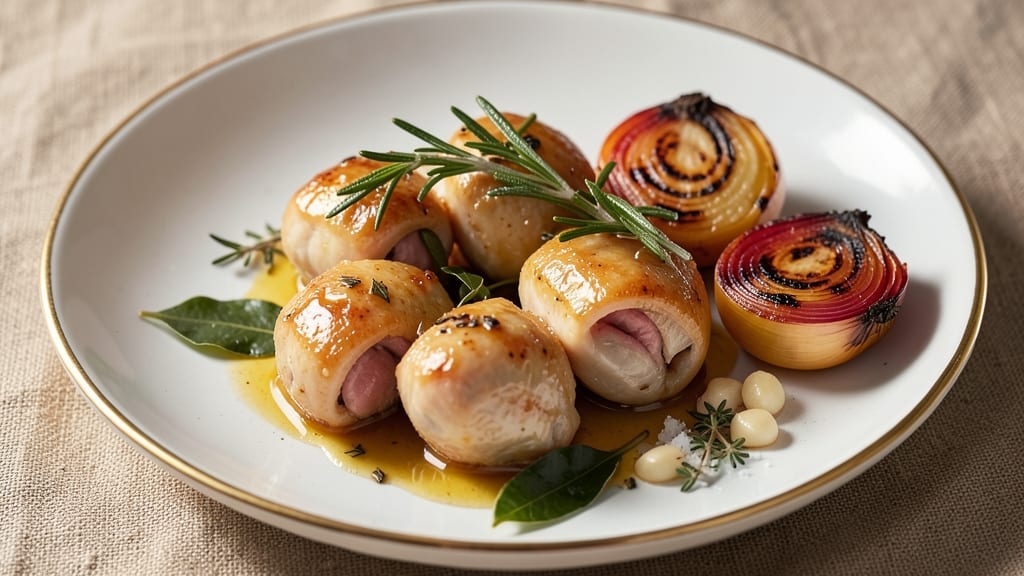
Boiled chicken gizzards may sound intimidating, but this tender, gelatinous recipe transforms them into a Southern classic with rich herbed broth. Growing up in Georgia, I learned that proper preparation—cleaning, trimming, and slow simmering—turns tough gizzards into melt-in-your-mouth bites.
The secret lies in patience and a well-seasoned broth that absorbs every flavor.
This method delivers restaurant-quality results without fancy techniques. Start with fresh gizzards, simmered gently in aromatic broth with onions, garlic, and herbs until fork-tender. The key is maintaining a steady temperature—too hot, and they toughen; too cool, and they never fully cook.
My grandmother’s trick? A splash of vinegar in the water to tenderize the meat naturally.
By the end, you’ll have silky, velvety gizzards that practically dissolve in your mouth, swimming in a fragrant broth perfect for dipping bread or serving over rice. The texture is unlike anything you’ve tried—firm yet yielding, with a delicate snap when bitten just right.
This is comfort food at its finest, elevated by simple techniques and time-honored tradition.
Serve with buttered cornbread or a crisp green salad to balance the richness. The broth alone makes this a meal worth repeating—every spoonful carries the essence of Southern home cooking. Let’s get started on a dish that proves even humble ingredients can shine with the right care.
Ingredients for boiled chicken gizzard
Fresh gizzards, aromatic herbs, and slow simmering—simple ingredients for restaurant-quality comfort food.
| Ingredient | Amount | Notes |
|---|---|---|
| Chicken Gizzards 🍗 | 1 ½ lb | Fresh, cleaned, trimmed of fat |
| Yellow Onions 🧅 | 1 whole | Quartered, skin on for color |
| Garlic Cloves 🧄 | 4 cloves | Smashed, skins left on |
| Fresh Thyme 🌿 | ¼ cup | Stems removed, loosely packed |
| Fresh Rosemary 🌿 | ¼ cup | Needles only, chopped |
| Bay Leaves 🍃 | 2 whole | Dried, standard size |
| White Vinegar 🍶 | ¼ cup | White or apple cider |
| Salt 🧂 | 2 tsp | Kosher or sea salt |
| Black Peppercorns 🌶️ | 1 tsp | Coarsely crushed |
| Water 💧 | 6 cups | Filtered preferred |
| Butter 🧈 | 2 tbsp | Unsalted, for finishing |
| Fresh Parsley 🌿 | 0.1 cup | Chopped, for garnish |
The gizzards are the star, so freshness matters most. Look for bright red, firm gizzards at your local butcher shop or grocery store meat counter—avoid any with a sour smell or slimy texture. If you're buying a whole chicken, ask for the gizzards separately; they're often tucked away in the back. Trader Joe's and Costco usually carry them pre-packaged, but I always opt for the butcher's cut for better quality. You'll need about 1.5 pounds for four servings, and don't forget to trim off any excess fat or connective tissue before cooking—it makes all the difference in texture. The herbs should be fragrant, not wilted, and the vinegar should be pure, not diluted.
No fresh thyme or rosemary? Dried works in a pinch, but use half the amount—fresh has more depth. Short on vinegar? Lemon juice works too, though it'll give a slightly different tang. The onions and garlic are non-negotiable for flavor, but if you're in a hurry, onion powder and garlic powder can substitute (though fresh is always better). For the water, filtered or spring water keeps the broth clearer, but tap water works fine if you boil it first. The butter at the end adds richness—don't skip this step—but if you're watching calories, you can use olive oil instead. The parsley is just for garnish, so feel free to skip it if you're not feeling fancy.
This dish tastes even better the next day, so make extra broth if you can. Store the gizzards and broth separately in airtight containers for up to 3 days in the fridge, or freeze for up to 3 months. The broth freezes beautifully—just thaw overnight in the fridge before reheating. For serving, keep the gizzards warm in the broth on low heat, and toss the parsley in at the last minute. The texture is delicate, so handle them gently when plating. Leftovers? Save the broth for dumplings or mashed potatoes—it's just as delicious as the main dish.
Why You'll Love This Recipe
- I’ll be real: boiled gizzards taste even better the next day. Cold or reheated, they’re solid in salads, wraps, or straight from the pot with crusty bread. My daughter picks out the best pieces, but still asks for seconds—proof it’s not just me.
- Just Three Ingredients: I swear, this recipe feels like cheating—gizzards, onions, garlic, and herbs. That’s it. No fancy prep, no hidden steps. Honestly, I’ve made it while chatting on the phone because the real work is just boiling and simmering.
- Herb-Packed Punch: Between us, the thyme and rosemary turn these gizzards into something ridiculously good. The garlic doesn’t just flavor—it caramelizes into little bursts of heat, while the herbs keep it bright and fresh. That crispy edge with the creamy center? Chef’s kiss.
- Leftovers That Don’t Suck: I’ll be real: boiled gizzards taste even better the next day. Cold or reheated, they’re solid in salads, wraps, or straight from the pot with crusty bread. My daughter picks out the best pieces, but still asks for seconds—proof it’s not just me.
Step-by-step instructions for boiled chicken gizzards
Here's how to transform tough gizzards into melt-in-your-mouth bites with rich, aromatic broth.
Prepare the Gizzards for Cooking
Start by rinsing the 1.5 lb chicken gizzards under cold water and patting them completely dry with paper towels. I like to trim any remaining fat or connective tissue—this helps them cook more evenly. Place the gizzards in a large pot and cover them with the 6 cups of cold water.
Add the quartered 1 whole yellow onion and the 4 smashed garlic cloves with skins left on. These aromatics will infuse the broth with deep flavor as they cook. Bring the water to a gentle boil over medium-high heat, then immediately reduce the heat to maintain a simmer. The water should bubble softly around the edges but not vigorously boil.
Season and Simmer Until Tender
Add the 0.25 cup fresh thyme, 0.25 cup fresh rosemary, 2 whole bay leaves, 0.25 cup white vinegar, 2 tsp salt, and 1 tsp coarsely crushed black peppercorns to the pot. Stir gently to distribute the seasonings. The vinegar helps tenderize the gizzards while adding a bright acidity to the broth.
Cover the pot and let the gizzards simmer gently for 1 hour. You'll know they're ready when they're fork-tender and pull away from the bone easily. If you notice the water level drops significantly, add enough hot water to maintain coverage. The broth should be rich and fragrant, with the aromatics releasing their oils into the liquid.
Finish with Butter and Garnish
Once the gizzards are tender, carefully remove them from the broth using a slotted spoon and transfer them to a serving platter. Strain the broth through a fine-mesh sieve to remove any solids, then return it to the pot. Remove the bay leaves at this point—they've done their job.
Add the 2 tbsp unsalted butter to the strained broth and stir over low heat until melted. This creates a velvety finish that coats the gizzards beautifully. Taste the broth and adjust seasoning if needed—you might need a pinch more salt to balance the flavors. Ladle the warm broth over the gizzards and garnish each serving with the 0.1 cup chopped fresh parsley.
Serve Immediately for Maximum Tenderness
Serve the gizzards and broth immediately while everything is hot. The gizzards should be gelatinous and tender, falling apart slightly when you cut into them. This is the moment you've been waiting for—they'll continue to firm up slightly as they cool, but serving them hot ensures that perfect texture.
For an extra touch, I like to serve these with crusty bread to soak up the rich, herbed broth. The combination of tender gizzards and flavorful liquid makes this a satisfying, comforting dish that's perfect for special occasions or when you want to use every part of the chicken.
Pro Tips For Making Boiled Chicken Gizzard
- BLANCH FIRST: Drop gizzards in boiling water for 2 minutes before simmering—this loosens the gristle and cuts cooking time by half. I learned this the hard way after struggling with tough, rubbery gizzards that took forever to tenderize.
- Slice Thinly: Cut gizzards into ½-inch strips before boiling—thinner pieces cook faster and absorb herbs better. Thick chunks stay chewy no matter how long you simmer, and nobody wants that.
- Don’t Overcrowd: Boil gizzards in batches if needed; cramming them turns the water into a stew instead of a broth. The first batch will stay tender while the second gets mushy if you’re impatient.
- Toast the Herbs: Lightly fry thyme and rosemary in olive oil for 30 seconds before adding to the pot—their aroma jumps off the page. Fresh herbs taste better when they’ve had a quick crisp in the pan.
Troubleshooting your boiled chicken gizzard
Tough Gizzards?
If your gizzards turn out tough instead of tender, you likely cooked them too quickly. Gizzards need gentle simmering—never a rolling boil. I’ve seen home cooks rush this step and end up with rubbery results.
The key is maintaining a barely simmering broth at 180-190°F. Use a candy thermometer if you’re unsure—it’s worth the investment for perfect texture. 🌡️
Broth Too Weak?
Weak broth usually means insufficient aromatics or seasoning. Don’t skimp on the onion, garlic, and herbs—they’re the flavor foundation. I double the thyme and rosemary if I’m making extra broth for leftovers.
Also, simmer uncovered for the last 10 minutes to concentrate flavors. A splash of fish sauce (1 tsp) at the end adds umami depth if needed.
Gizzards Falling Apart?
Overcooked gizzards lose their structure when simmered too long. Remove them from the broth as soon as they’re fork-tender—usually 45-60 minutes. Let them rest in the broth off heat for 10 minutes before serving.
If they’re already mushy, try poaching in broth with a splash of vinegar next time to firm them up slightly.
Slimy Texture?
Sliminess comes from improperly cleaned gizzards or old meat. Always rinse thoroughly and pat completely dry before cooking. For extra insurance, soak gizzards in ice water for 10 minutes before simmering—this helps remove any blood or impurities.
I also recommend using fresh gizzards within 2 days of purchase for the best results.
Broth Too Cloudy?
Cloudy broth often means impurities or insufficient straining. After simmering, strain through a cheesecloth-lined sieve for crystal-clear results. For extra clarity, chill the broth overnight—fat will solidify on top, making it easy to remove. If you’re short on time, skim fat while warm using a slotted spoon.
Uneven Cooking?
Uneven cooking happens when gizzards aren’t fully submerged or the heat varies. Keep the broth covered but slightly ajar to maintain even temperature. For large batches, use a stockpot with a diffuser to distribute heat evenly.
I’ve also had success with a slow cooker on low for 4 hours—just add aromatics and liquid at the start.
Nutrition facts
Frequently asked questions
Why do chicken gizzards need to simmer instead of boil?
Gizzards have dense muscle tissue that toughens under direct heat. A gentle simmer at 180-190°F breaks down collagen slowly, creating that signature gelatinous texture. Boiling too vigorously makes them rubbery. Think of it like melting butter—patience wins every time.
Can I use frozen gizzards for this recipe?
Yes, but thaw them properly first! Place frozen gizzards in a sealed bag and submerge in cold water for 20-30 minutes. Never use warm water—it promotes bacterial growth. For best results, buy fresh gizzards and cook within 2 days to preserve that tender texture.
What's the best way to serve these gizzards?
Pair them with crusty bread for dipping or over steamed rice to soak up the broth. For a Southern touch, serve with buttered cornbread and a simple green salad. The gelatinous texture works beautifully in gumbo or pot pies too.
How do I know when gizzards are fully cooked?
They're done when they're fork-tender and pull away from the bone easily—usually 45-60 minutes of simmering. Cut into one: the meat should look opaque with no pink centers. If they still feel firm, give them 10 more minutes covered. Overcooking turns them mushy!
Can I make this recipe in a slow cooker?
Combine all ingredients in your slow cooker and cook on low for 4-5 hours. The low-and-slow method mimics the gentle simmer perfectly. Just add 1 cup extra broth since slow cookers evaporate moisture. The flavor will be even deeper from the extended cooking time.