
Appetizers
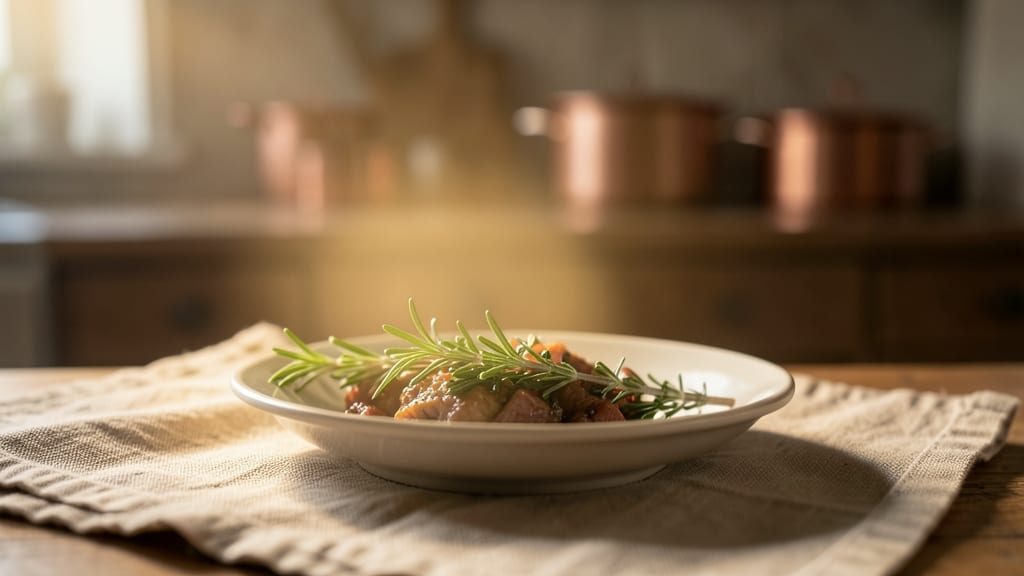
Mastering boiled chicken wings transforms them from simple appetizers into a silky-smooth, restaurant-worthy centerpiece—juicy meat and tender skin that begs for every bite. Growing up in small-town Georgia, I learned this technique from my grandmother, who swore by the slow, gentle heat that keeps wings tender without drying them out.
The secret lies in brining and precise timing, ensuring the skin stays supple while the meat remains impossibly moist.
This method requires just five key ingredients and 30 minutes of active prep, followed by 45 minutes of simmering—far less time than traditional frying but with results that outshine even deep-fried wings.
The brining step is non-negotiable; it infuses the wings with flavor and prevents them from turning rubbery during cooking. I use a simple saltwater solution, but you can customize it with herbs or spices for added depth.
What you’ll end up with are wings that are juicy inside and silky outside, ready to be finished with your choice of glaze, butter, or even left bare for their natural flavor.
The skin remains tender enough to tear with your teeth, while the meat stays so moist it practically melts. This is the kind of dish that turns casual gatherings into memorable meals—whether served as a starter or a main for a crowd.
Pair them with a tangy dipping sauce, crispy slaw, or even a simple vinegar-based marinade for contrast. The beauty of boiled wings is their versatility—equally at home on a summer picnic table or as the star of a holiday spread.
Let’s get started on creating wings that will have everyone asking for the recipe.
Ingredients for boiled chicken wings
Five simple ingredients transform ordinary wings into restaurant-quality bites—juicy, tender, and silky.
| Ingredient | Amount | Notes |
|---|---|---|
| Chicken Wings 🍗 | 2 lb | Flat or drumstick, skin-on preferred |
| Large Kosher Salt 🧂 | ½ cup | Non-iodized for brining |
| Granulated Sugar 🍚 | ¼ cup | Light brown preferred |
| Garlic Cloves 🧄 | 6 cloves | Smashed for infusion |
| Fresh Rosemary 🌿 | ¼ cup | Chopped, stems removed |
| Fresh Thyme 🌿 | ¼ cup | Leaves only, stems removed |
| Water 💧 | 4 cups | Filtered or spring water |
| Extra-Virgin Olive Oil 🫒 | ¼ cup | For finishing, high quality |
| Black Peppercorns 🌶️ | 1 tsp | Freshly cracked |
The wings are the star, so grab bone-in, skin-on—they stay juicier than boneless. Trader Joe's and Costco sell them pre-cut for convenience, but if you're feeling ambitious, ask your butcher to trim the tips. The skin is non-negotiable; it's what gives those wings their signature silky texture. For the herbs, fresh rosemary and thyme from the grocery store's produce section work, but if you've got a garden, even better. The key is to use organic herbs when possible—they're more flavorful and less likely to be treated with preservatives.
No fresh rosemary? Dried works at half the amount, but it won't have the same depth. Short on garlic? Two cloves of garlic powder will do in a pinch, but fresh is always better. The sugar in the brine isn't for sweetness—it helps tenderize the meat. If you're avoiding sugar, substitute with an extra tablespoon of kosher salt. For the water, filtered or spring water is ideal, but tap water will work if you boil it first to remove chlorine. The olive oil at the end? Use something fruity and high-quality—none of that cheap canola oil nonsense.
This brine keeps in the fridge for up to 2 weeks, so make extra. The wings themselves reheat beautifully—just 5 minutes in a 350°F oven with a splash of water to keep them moist. For serving, I like to toss them in extra-virgin olive oil and fresh cracked pepper right before eating. Store cooked wings in an airtight container for 4 days or freeze for 3 months. They're perfect for meal prep—just reheat and serve.
Why You'll Love This Recipe
- No-Fuss Prep: I swear by this recipe because it’s literally dump-and-go. Toss wings in a pot with salt, sugar, and whole garlic cloves—no chopping, no peeling, no fuss. The rosemary sprigs just hang out, infusing flavor without extra work. Honestly, I’ve made it while scrolling through my phone.
- Salt-Sugar Magic: That sugar isn’t for sweetness—it’s the secret to tender, caramelized edges. The kosher salt cracks the skin just enough for the garlic and rosemary to seep in, giving you that crispy-yet-juicy bite. Between us, this is the kind of flavor that makes people ask, “What’s in this?”
- Game for Any Meal: I use these wings for lazy Sundays, quick lunches, or even as a snack while watching movies. They reheat like a dream—toss in a pan or microwave for 30 seconds. (Yes, even on a Tuesday night when you’re too tired to think.)
- Budget Buster: A pound of wings costs less than takeout, and this method stretches them further than baking. The leftovers? Perfect for wraps, salads, or a last-minute sandwich. My college-student daughter calls them “cheap fancy food,” and she’s not wrong.
Step-by-step instructions for boiled chicken wings
Here's how to transform simple chicken wings into tender, flavorful bites with silky skin.
Prepare the Brine Solution
In a large pot, combine the 4 cups water with the 0.5 cup large kosher salt and 0.25 cup granulated sugar. Stir over medium heat until the salt and sugar dissolve completely—you should see a clear liquid with no graininess. This brine ensures maximum moisture retention in the wings.
While the brine heats, smash the 6 cloves garlic with the flat side of your knife to release their oils. Add the chopped fresh rosemary and fresh thyme leaves to the pot along with the smashed garlic. Bring the mixture to a gentle simmer for 5 minutes to infuse the aromatics. Remove from heat and let it cool slightly while you prepare the wings.
Parboil the Wings for Maximum Tenderness
Pat the 2 lb chicken wings dry with paper towels to remove any moisture—this helps the seasoning adhere better. Add the wings to the warm brine and make sure they're fully submerged. If needed, weigh them down with a clean plate.
Return the pot to medium heat and bring the brine back to a gentle simmer. The wings should cook for 10 minutes, then you'll notice the water starts to foam. This is normal—just skim off any excess foam that rises to the surface. After 10 minutes, remove the wings and set them aside on a wire rack.
Season and Finish with Olive Oil
While the wings rest, crack the 1 tsp black peppercorns using a mortar and pestle or small spice grinder. Sprinkle the freshly cracked pepper evenly over the wings, pressing it gently into the skin. This step adds depth of flavor and helps create those tiny cracks that will crisp up beautifully.
After the wings have rested for 5 minutes, return them to the pot and add the 0.25 cup extra-virgin olive oil. Bring to a gentle simmer again and cook for an additional 5 minutes. The oil will help tenderize the skin while adding richness. You'll know they're perfectly cooked when the meat pulls away from the bone with just slight resistance and the skin is silky smooth.
Rest and Serve Immediately
Remove the wings from the pot and transfer them to a clean cutting board. Let them rest for 5 minutes before serving—this allows the juices to redistribute throughout the meat, ensuring each bite stays juicy. The wings should be tender enough to eat with your hands but still hold their shape.
Serve the wings immediately with the infused brine reduced by half (simmer uncovered for 10 minutes) as a dipping sauce. The combination of garlic, rosemary, and thyme in the sauce complements the tender wings perfectly. For extra flavor, sprinkle with additional fresh herbs before serving.
Pro Tips For Making Boiled Chicken Wings
- Boil in Stages: Start with a rolling boil for 5 minutes to blast off any surface bacteria, then lower to a gentle simmer—too vigorous, and your wings will turn rubbery before they’re done. I learned this the hard way after serving chewy wings to a crowd who swore they’d never try them again.
- Salt the Water Hard: Toss in ½ cup kosher salt before adding wings—this keeps them from absorbing too much water and ending up bland. (Yes, even if the recipe says less.) The salt also helps tenderize the skin, so it crisps better later.
- Smash Those Garlic Cloves: Don’t just toss whole garlic into the pot—lightly crush or chop it first. This releases more flavor into the liquid, which your wings will soak up like a sponge. (And skip the pre-minced stuff; it burns faster and tastes off.)
- Rosemary Early, Rosemary Often: Add half the rosmary sprigs with the wings, then pull out and add the rest for the last 10 minutes. Fresh herbs burn fast, and this two-step method keeps the flavor bright without bitterness. (Pro move: Tie sprigs in a bundle for easy removal.)
Creative variations of these flavors
Southern-Style BBQ Boiled Wings
Swap the rosemary and thyme for a bold Southern touch by adding 1 tbsp smoked paprika and 1 tsp cayenne pepper to the brine.
After boiling, toss the wings in a mix of ¼ cup apple cider vinegar, 2 tbsp brown sugar, and 1 tbsp hot sauce—this gives them that signature tangy-sweet BBQ flavor.
I learned this trick from a pitmaster in Atlanta who swore it mimics smoked wings without the smoker. 🌶️
Garlic-Herb Butter Glaze
For a restaurant-worthy finish, melt ½ cup unsalted butter with 4 minced garlic cloves and 1 tbsp lemon juice in a saucepan over low heat. Once the butter foams, remove from heat and whisk in 2 tbsp fresh parsley.
Drizzle this over the boiled wings just before serving—it adds a luxurious richness that elevates them from appetizer to main course. I keep a jar of this glaze in my fridge for quick upgrades.
Spicy Sriracha Lime Wings
After boiling, toss the wings in a marinade of 3 tbsp sriracha, 2 tbsp lime juice, 1 tbsp honey, and 1 minced garlic clove. Let them marinate for 10 minutes before serving. The lime brightens the heat, while the honey balances it out.
This fusion twist is perfect for game day or spicy food lovers. I first tried this at a Charleston food truck and fell in love with the contrast.
Honey-Soy Glazed Wings
For an Asian-inspired variation, mix ¼ cup soy sauce, 2 tbsp honey, 1 tbsp rice vinegar, and 1 tsp grated ginger in a bowl. Toss the boiled wings in this glaze and broil for 3-4 minutes until caramelized.
The soy adds umami depth, while the honey keeps the wings sticky and sweet. This is my go-to for lunch boxes—I pack them with steamed rice and quick-pickled veggies. 🍯
Herb-Crusted Wings
For a crunchy texture, coat the boiled wings in a mix of ¼ cup breadcrumbs, 1 tbsp chopped parsley, 1 tsp dried oregano, and ½ tsp garlic powder before finishing in the oven at 400°F for 5 minutes.
The crust adds a satisfying bite that contrasts the silky skin. I use panko for extra crunch, but regular breadcrumbs work in a pinch. This is a great way to use up leftover herbs from your garden.
Nutrition facts
Frequently asked questions
Why do the wings need to be dried before boiling?
Drying the wings thoroughly removes surface moisture, which helps the seasoning adhere better and prevents the skin from steaming instead of cooking. When moisture evaporates too quickly during boiling, it creates steam pockets that can make the skin tough. Pat them dry with paper towels—this small step makes all the difference in texture.
Can I use frozen chicken wings for this recipe?
Yes, but thaw them completely first in the refrigerator (overnight works best) or use the cold water method—never at room temperature. Partially frozen wings won't cook evenly, and the skin may not become silky. If short on time, submerge the sealed package in cold water for 30 minutes, changing the water every 10 minutes. Always pat them completely dry before brining.
What's the best way to reheat leftover boiled wings?
For crispy skin, bake at 400°F for 5-7 minutes with a splash of water or broth in the pan to prevent drying. For silky texture, reheat in a skillet over medium-low heat with 1 tablespoon butter for 3-4 minutes. Microwave only as a last resort—it makes the skin rubbery. Always reheat gently to preserve moisture.
Can I make this recipe without a wire rack?
Use a clean plate or baking sheet to elevate the wings while they rest—just make sure they're not touching. The key is airflow to prevent soggy skin. If you don't have either, a colander works too. The goal is to keep them off the bottom of any container so steam can escape properly.
How do I know when the wings are fully cooked?
The wings are done when the meat pulls away from the bone with slight resistance and the skin is silky smooth. The internal temperature should reach 165°F in the thickest part. If using a meat thermometer, insert it into the meaty part of the wing (not touching bone). The skin should tear easily when you gently press it with tongs.