
Main Courses
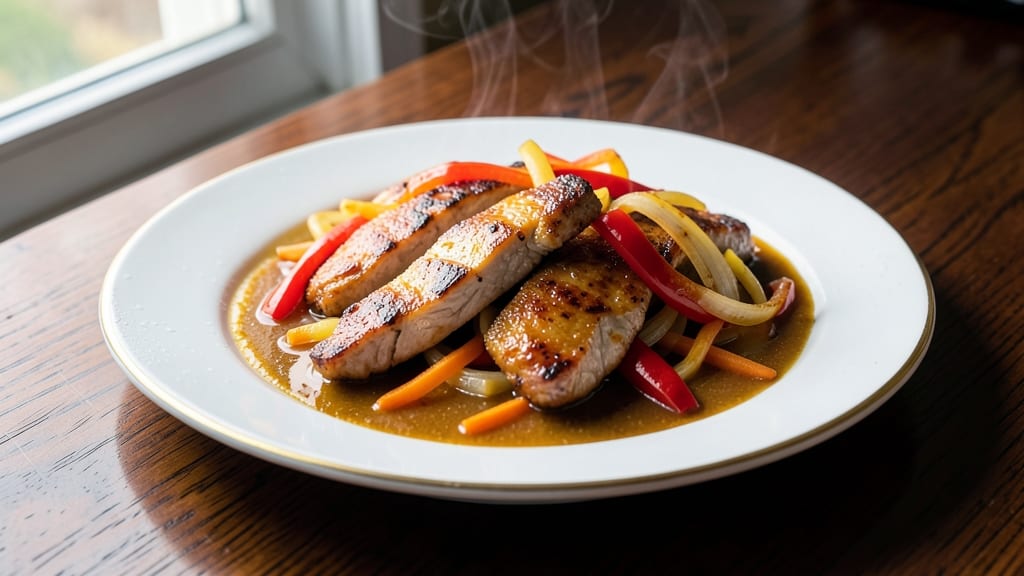
Transforming a pantry staple like Campbell's soup into a quick one-pan chicken stir fry proves that restaurant-quality meals don't require complicated techniques or hours in the kitchen.
This recipe leverages the rich, savory base of Campbell's chicken broth to create a deeply flavorful dish with minimal effort—perfect for busy weeknights when you still want something satisfying. The secret lies in balancing the broth's depth with fresh vegetables and protein, all cooked together for maximum flavor infusion.
What makes this stir fry particularly impressive is how it delivers restaurant-quality texture and taste in under 30 minutes using just one pan. The high-heat stir-fry method ensures tender chicken and crisp-tender vegetables, while the Campbell's broth adds a natural umami richness that reduces the need for additional seasoning.
This method also minimizes cleanup, making it ideal for anyone looking to streamline their dinner routine without sacrificing flavor.
By the end, you'll have a protein-packed meal with perfectly balanced flavors—savory, slightly sweet, and rich—all while maintaining the simplicity of a one-pan approach. The dish is hearty enough to stand alone but versatile enough to pair with rice or noodles if you prefer a more substantial serving.
The best part? Every bite carries that deep, comforting flavor that makes it feel like a home-cooked masterpiece, not just another quick meal.
This recipe works particularly well when you're short on time but still want to serve something impressive—whether it's for a weeknight dinner or a last-minute gathering. The technique is straightforward, but the result is anything but basic. Let's get started with a method that delivers professional results with minimal fuss.
Ingredients for campbell's chicken stir fry
Pantry staples meet fresh produce for a restaurant-quality stir fry in one pan.
| Ingredient | Amount | Notes |
|---|---|---|
| Campbell's Chicken Broth 🍲 | 1 ½ cups | Low-sodium preferred for balance |
| Boneless Chicken Breast 🍗 | 1 ½ lb | Cut into 1-inch strips |
| Red Bell Pepper 🌶️ | 1 whole | Sliced into 1-inch strips |
| Carrots 🥕 | 2 medium | Julienned into matchsticks |
| Carrots 🥕 | 2 pieces | Julienned into matchsticks |
| Yellow Onion 🧅 | 1 whole | Thinly sliced |
| Garlic Cloves 🧄 | 4 cloves | Minced finely |
| Extra-Virgin Olive Oil 🫒 | 2 tbsp | High smoke point preferred |
| Soy Sauce 🍶 | 2 tbsp | Low-sodium preferred |
| Honey 🍯 | 1 tbsp | For subtle sweetness |
| Fresh Ginger 🌿 | 1 tbsp | Grated finely |
| Sesame Oil 🫒 | 1 tsp | For aroma |
| Green Onions 🧅 | 3 whole | Sliced for garnish |
| Diamond Crystal Kosher Salt 🧂 | ½ tsp | For seasoning |
| Ground Black Pepper 🌶️ | ¼ tsp | Freshly cracked |
The Campbell's chicken broth serves as the flavor foundation here, so opt for the low-sodium version to maintain balance without overpowering the dish. For the chicken, boneless, skinless breast ensures tender results when sliced into even strips—no thicker than 1 inch. The red bell pepper and carrots should be uniformly cut to matchstick size for even cooking; a mandoline makes this step efficient. Fresh ginger and garlic are non-negotiable for authentic depth—buy organic when possible to avoid peeling. Whole Foods or local markets often carry high-quality ginger with vibrant color, a key indicator of freshness.
No soy sauce? Coconut aminos or tamari work equally well, though the flavor profile will differ slightly. Substituting honey with maple syrup or agave maintains sweetness but adds a distinct earthiness. The sesame oil is purely for aroma—skip it if you dislike its flavor, but add it last to preserve its delicate notes. For those with dietary restrictions, swap chicken for tofu or shrimp while adjusting cooking times accordingly. The green onions are purely decorative but add a fresh contrast—frozen works in a pinch, though fresh is preferable for presentation.
This stir fry reheats beautifully—store leftovers in an airtight container for up to 4 days. For best texture, reheat in a skillet with a splash of broth over medium heat. The broth and honey-based sauce can be prepped ahead and stored separately for up to 5 days in the fridge. Freezing isn't recommended due to texture changes in the vegetables. To streamline prep, chop all vegetables and store in a sealed container until ready to cook—this saves critical minutes during weeknight dinners.
Why You'll Love This Recipe
- Here’s what sold me: this reheats like a dream. Pack it in containers for work, and it’s still juicy and warm by noon. My kids even ask for it in their lunches—yes, even on a Tuesday.
- One-Pan Magic: Honestly, I swear by this recipe for nights when I’m too tired to scrub pots. The chicken cooks right in the same pan as the veggies—no extra bowls, no mess. Just slice, stir, and let Campbell’s broth do the heavy lifting while you sip your wine.
- Umami Bomb: That chicken broth isn’t just flavor—it’s the secret weapon. The moment the carrots soften and the bell pepper gets that slight char, the whole dish tastes richer than takeout. Between us, I’ve had stir-fries that tasted bland, but this one? It’s dangerously addictive.
- Lunchbox Hero: Here’s what sold me: this reheats like a dream. Pack it in containers for work, and it’s still juicy and warm by noon. My kids even ask for it in their lunches—yes, even on a Tuesday.
Step-by-step instructions for Campbell's chicken stir fry
This one-pan method delivers a restaurant-quality stir fry in under 30 minutes.
Prepare the Chicken and Vegetables
Begin by cutting the 1.5 lb boneless chicken breast into 1-inch strips—this size ensures even cooking and quick absorption of flavors. Pat them dry with paper towels to promote a better sear. While the chicken rests, slice the 1 whole red bell pepper into 1-inch strips, julienne the 2 medium carrots and 2 pieces carrots into matchsticks, and thinly slice the 1 whole yellow onion. Finely mince the 4 cloves garlic and grate the 1 tbsp fresh ginger—these aromatics form the flavor foundation.
Here's the thing—precise cutting matters. The carrots should be uniform matchsticks so they cook at the same rate as the chicken. If you're short on time, use a mandoline for even slices. Keep all prepped ingredients in separate bowls until ready to cook, a technique called mise en place—it keeps your workflow organized and prevents overcrowding in the pan.
Sear the Chicken and Sauté Aromatics
Heat a large skillet or wok over medium-high heat until it's hot enough to see a slight shimmer. Add 2 tbsp extra-virgin olive oil and swirl to coat the pan. Working in batches if needed, add the chicken strips and sear for 3-4 minutes until they develop a golden-brown crust on all sides. Remove the chicken and set it aside on a plate—this prevents overcooking while you build the sauce.
In the same pan, add the thinly sliced yellow onion and cook for 2 minutes until softened. Add the minced garlic and grated ginger, stirring constantly for 30 seconds until fragrant—this prevents burning. Here's where it gets fun: toss in the red bell pepper strips and julienned carrots, cooking for 4-5 minutes until the vegetables begin to soften but still retain a slight crispness. You want them tender-crisp, not mushy.
Build the Flavorful Sauce
Pour in the 2 tbsp soy sauce, 1 tbsp honey, and 1.5 cups Campbell's chicken broth. Stir well to deglaze the pan, scraping up any browned bits from the bottom—these contain concentrated flavor. Add the 0.5 tsp diamond crystal kosher salt and 0.25 tsp ground black pepper, then bring the mixture to a gentle simmer. Let it reduce by half, about 3-4 minutes, until the sauce thickens slightly and coats the back of a spoon.
Return the seared chicken to the pan, stirring to combine. The residual heat will finish cooking the chicken through while allowing it to absorb the rich, savory-sweet sauce. Taste and adjust seasoning—if the sauce needs more depth, add another ½ tbsp soy sauce or ½ tbsp honey. The balance should be harmonious: salty from the soy, sweet from the honey, and umami from the broth.
Finish and Serve
Drizzle in the 1 tsp sesame oil and stir gently to incorporate. The sesame oil adds a delicate aroma and subtle richness that elevates the dish. Cook for an additional 2 minutes to allow the flavors to meld. Garnish with 3 whole green onions, sliced thinly, for a pop of freshness and color.
Serve immediately over steamed rice or noodles to soak up every bit of that flavorful sauce. The dish should be vibrant, with tender chicken, crisp-tender vegetables, and a glossy, well-balanced sauce. If you're serving a crowd, double the recipe—this stir fry scales effortlessly while maintaining its quick, one-pan convenience.
Pro Tips For Making Campbell'S Chicken Stir Fry
- CUT CHICKEN SMALLER THAN YOU THINK: The Campbell’s broth recipe calls for "chicken breast," but I learned the hard way—thick strips stay chewy while tiny cubes cook through perfectly. Aim for ½-inch pieces or smaller, or you’ll end up with dry, overworked meat. (Yes, it’s tedious, but your stir-fry deserves it.)
- SWEAT VEGETABLES FIRST: Don’t toss everything in raw—start by cooking carrots and bell peppers in a splash of broth (or water) for 3–4 minutes until just tender. This keeps them from turning to mush later, especially since Campbell’s broth is salty and can make veggies limp if added too soon.
- USE COLD CHICKEN, NOT ROOM-TEMP: I used to pull chicken straight from the fridge, but it releases too much moisture and steams instead of searing. Pat it dry, then let it sit in the fridge for 15–20 minutes before cooking. The difference in texture? Night and day—crisp edges, juicy inside.
- SAVE TIME WITH FROZEN CARROTS: Fresh carrots take forever to slice, and half the time they end up uneven. Frozen shredded carrots (thawed) cook just as fast, add sweetness, and won’t turn to mush. Just drain them well—no one wants a soggy stir-fry. (I keep a bag on hand for lazy nights.)
Storing and reheating this campbell's chicken stir fry
Refrigerator Storage
Let your stir fry cool to room temperature for no more than 2 hours before storing. Transfer to an airtight container—I prefer glass with a tight-sealing lid—to maintain freshness.
Store in the fridge at 40°F or below for up to 4 days. The sauce and vegetables will continue melding flavors, making each reheated bite even richer. 💫
Freezer-Friendly Sauce
The sauce component reheats beautifully when stored separately. Combine the Campbell's broth, soy sauce, honey, and sesame oil in a freezer-safe container, leaving ½ inch headspace for expansion.
Freeze for up to 3 months—thaw overnight in the fridge before using. This trick saves time on busy nights when you're short on prep.
Skillet Reheating
For best texture, reheat the stir fry in a clean skillet over medium heat. Add 1-2 tbsp water or broth to prevent sticking and deglaze the pan. Cook for 5-7 minutes, stirring occasionally, until heated through.
The residual moisture keeps the vegetables from drying out. Taste and adjust seasoning—rehated dishes often need a pinch of salt or extra soy sauce. 🔥
Microwave Shortcut
When time is tight, cover the stir fry with a damp paper towel and microwave on 70% power for 2-3 minutes. Stir halfway through to ensure even heating. Add a splash of water if the sauce looks too thick.
While not as crisp as skillet reheating, this method restores the dish's warmth in under 5 minutes—perfect for last-minute lunches.
Rice Pairing Prep
Cook a batch of rice or noodles ahead of time and store separately in the fridge. Reheat in the microwave for 1-2 minutes with a splash of water, then assemble with the stir fry.
This two-step approach keeps both components at optimal temperatures simultaneously. I keep pre-cooked rice in glass Pyrex containers with a tight lid for easy reheating.
Garnish Refresh
Before serving reheated stir fry, brighten it with fresh garnishes. Slice green onions or add a sprinkle of toasted sesame seeds for texture. A drizzle of extra sesame oil or a squeeze of lime juice can revive the dish's vibrancy.
These final touches make reheated meals feel as fresh as the original. ✨
Nutrition facts
Frequently asked questions
Can I substitute Campbell's chicken broth with another brand?
Yes, you can use any good-quality chicken broth, but Campbell's works particularly well because of its balanced seasoning. Look for low-sodium options to avoid over-salting the dish. For extra depth, try adding a pinch of MSG-free chicken bouillon or a splash of fish sauce (about ½ teaspoon) to mimic the umami profile.
What if I don't have a wok? Can I still make this stir fry?
A heavy-bottomed skillet or even a large non-stick frying pan works perfectly. The key is to use medium-high heat and avoid overcrowding the pan. If your pan isn't wide enough, cook the chicken in batches and set it aside while you prep the vegetables. A 12-inch cast iron skillet is ideal for this recipe.
How do I adjust the recipe for spicier flavors?
Add ½ teaspoon red pepper flakes or 1 teaspoon sriracha to the sauce when combining the broth, soy sauce, and honey. For extra heat, stir in 1 minced jalapeño with the aromatics. If you love bold flavors, try adding ½ teaspoon cayenne pepper to the sauce mixture. Always taste as you go—you can adjust to your preferred spice level!
Can I make this stir fry ahead of time for meal prep?
Yes, but with a few adjustments. Cook the stir fry completely, then let it cool to room temperature before storing in an airtight container for up to 4 days. For best results, reheat in a skillet with a splash of water or broth to restore moisture. The sauce may thicken slightly when refrigerated—add a little water when reheating if needed.
What's the best way to serve this stir fry if I don't want rice?
Try serving it over cauliflower rice for a low-carb option, or pair it with quinoa or zucchini noodles for extra nutrients. For a heartier meal, serve it with steamed bok choy or a side of garlic green beans. The stir fry also works well as a filling for lettuce wraps or low-carb tortillas for a quick handheld meal.