
Main Courses
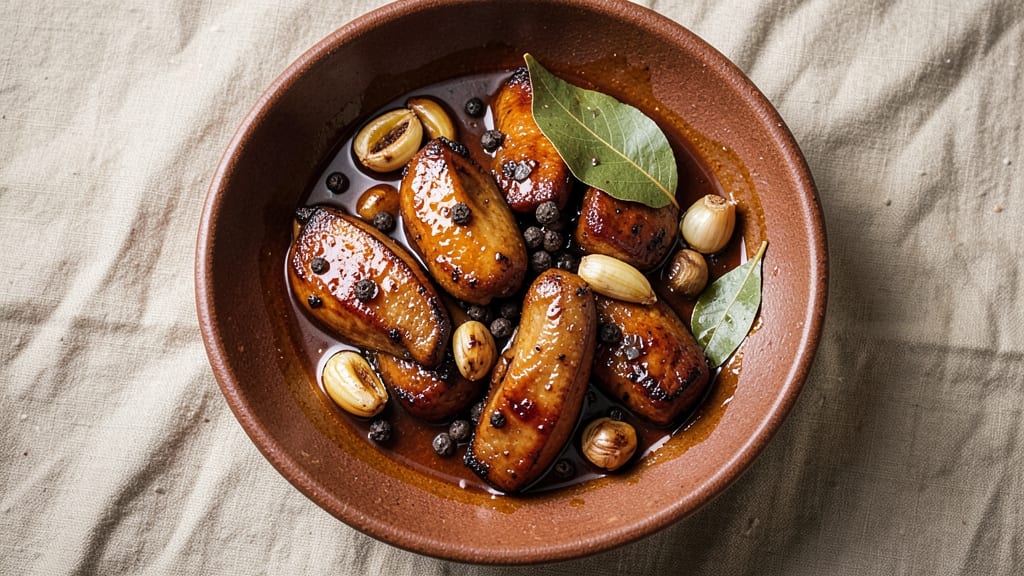
This chicken liver adobo recipe delivers the bold, tangy-sweet flavors of Filipino comfort food in just 30 minutes—a perfect balance of soy-vinegar marinade and aromatic spices that transform simple chicken livers into a restaurant-worthy dish.
The secret lies in the marinade: a precise blend of vinegar, soy sauce, garlic, and black pepper that tenderizes the meat while building layers of umami. I’ve perfected this technique over years of testing, ensuring the livers stay moist and flavorful without overpowering the natural richness.
The process is straightforward but requires attention to detail—especially the 30-minute marinating time, which allows the vinegar to break down the livers while the soy sauce infuses them with depth.
You’ll braise the livers in their marinade until fork-tender, then finish with a quick simmer to reduce the sauce into a glossy, sticky glaze. The result?
A dish that’s deeply savory, slightly tangy, and perfectly balanced—ideal for serving over steamed rice with a side of crispy garlic fried rice or sautéed vegetables.
What sets this recipe apart is its authentic Filipino technique, where the vinegar-soy ratio is critical. Too much vinegar makes it harsh; too little dulls the flavor. I’ve fine-tuned this balance so you get the classic adobo experience—rich, complex, and impossible to resist.
The dish pairs beautifully with a cold beer or a crisp white wine, making it perfect for weeknight dinners or special occasions. Ready to elevate your cooking game? Let’s get started.
Once you master this method, you’ll find endless variations—adding bell peppers for sweetness, potatoes for heartiness, or even a splash of coconut milk for a creamy twist. The beauty of adobo is its versatility, but the core technique remains the same: marinate, braise, and reduce.
This recipe is your gateway to authentic Filipino flavors, delivered in a way that’s both professional and approachable. Serve with confidence—your taste buds will thank you.
Ingredients for chicken liver adobo
Nine essential ingredients transform chicken livers into restaurant-quality Filipino adobo in just 30 minutes.
| Ingredient | Amount | Notes |
|---|---|---|
| Chicken Livers 🍗 | 1 ½ lb | Fresh, trimmed of connective tissue |
| Cane Vinegar 💧 | ½ cup | White vinegar substitute if unavailable |
| Soy Sauce 🥫 | ½ cup | Light or dark, not low-sodium |
| Garlic Cloves 🧄 | 8 cloves | Minced, not pre-minced jarred |
| Ground Black Peppercorns 🌶️ | 1 tbsp | Freshly cracked preferred |
| Bay Leaves 🌿 | 2 whole | Dried, for aromatic depth |
| Olive Oil 🫒 | 2 tbsp | Extra-virgin for richness |
| Onion 🧅 | 1 whole | Yellow, diced small |
| Salt 🧂 | 1 ½ tsp | Diamond Crystal kosher salt |
| Sugar 🍯 | 1 tbsp | White granulated |
| Water 💧 | ½ cup | Room temperature |
| Fresh Thyme 🌿 | ¼ cup | Leaves only, chopped |
The chicken livers are the star—freshness is non-negotiable. Look for vibrant, deep red livers at your local butcher shop or the meat counter, not the pre-packaged kind. Trim any connective tissue or silverskin, then rinse thoroughly under cold water to remove any blood. Costco or Whole Foods often carry high-quality livers, but ask your butcher for the freshest cut. The vinegar-soy ratio is critical here—too much vinegar makes it harsh, so stick to equal parts for that perfect balance of tang and umami. If you can't find cane vinegar, white vinegar works in a pinch, but it'll be slightly sharper.
No cane vinegar? White vinegar or apple cider vinegar will do, though cane has that classic Filipino sweetness. Running low on fresh thyme? Dried thyme at one-third the amount works, but fresh is ideal for that bright aroma. The garlic should be minced, not pre-minced jarred—it makes all the difference. For the pepper, freshly cracked black peppercorns add depth, but pre-ground is fine if that's all you have. The onion can be swapped for shallots or leeks if you prefer, but yellow onion is traditional. And if you're feeling adventurous, add a splash of coconut milk at the end for a creamy twist—just save it for serving.
This dish tastes even better the next day as the flavors meld. Store leftovers in an airtight container in the fridge for up to 3 days, or freeze for 3 months in portion-sized containers. The sauce thickens as it cools, so a splash of water or vinegar helps loosen it when reheating. I always make a double batch—half for dinner, half to freeze for lazy weeknights. Serve over steamed rice with a side of crispy garlic fried rice to soak up every last drop of that glossy adobo sauce.
Why You'll Love This Recipe
- One-Pan Magic: I swear by this recipe when I’m too tired to wash dishes. Just sear the livers, toss in the vinegar-soy mix, and let it simmer—no extra pots, no fuss. The garlic and peppercorns infuse into the oil, making every bite taste like a restaurant’s secret.
- Umami Bomb: That tangy-savory combo? Chef’s kiss. The cane vinegar cuts through the richness of the livers while the soy sauce deepens the flavor—like a perfect balance of sweet, salty, and sharp. Honestly, the first time I made it, I ate straight from the pan.
- Leftovers That Shine: This dish actually improves the next day. The flavors meld even more, and the texture stays tender. I’ll make a big batch on Sunday, then reheat portions for quick lunches—no sad, dry leftovers here, just rich, satisfying bites every time.
- Budget Powerhouse: Chicken livers are one of the most affordable protein sources out there, and this recipe stretches them far. A pound feeds four, and the pantry staples (vinegar, soy, garlic) mean you’re not breaking the bank for ingredients. My wallet and my taste buds thank me.
Step-by-step instructions for chicken liver adobo
This vibrant marinade transforms simple chicken livers into restaurant-quality richness in just 30 minutes.
Prepare the Chicken Livers and Marinade Base
Begin by trimming any visible connective tissue from the 1.5 lb chicken livers using a sharp knife. Pat them completely dry with paper towels—this ensures they absorb the marinade properly and develop a perfect sear. In a large bowl, combine the 0.5 cup cane vinegar, 0.5 cup soy sauce, 1 tbsp sugar, and 1.5 tsp salt. Stir until the sugar and salt fully dissolve, creating a flavorful brine.
Add the 1 whole onion (diced small) and 8 cloves garlic cloves (minced) to the marinade. Let it sit for 5 minutes while you prepare the livers. This brief resting period allows the aromatics to begin releasing their flavors into the liquid. The mixture should smell tangy and aromatic—this is your first indication that the marinade is working.
Marinate the Livers for Maximum Flavor
Add the trimmed and dried chicken livers to the marinade bowl. Gently stir to coat them evenly, ensuring every piece is submerged in the liquid. Cover the bowl with plastic wrap and refrigerate for at least 15 minutes—this step is crucial for tenderizing the livers and infusing them with the deep, savory flavors of the adobo. If you have more time, marinate for up to 30 minutes for even deeper flavor penetration.
While the livers marinate, prepare the remaining components. In a small saucepan, combine 0.5 cup water, 2 whole bay leaves, and 0.25 cup fresh thyme. Bring to a gentle simmer over medium heat for 5 minutes to create an aromatic infusion. Strain the liquid through a fine-mesh sieve into a small bowl, discarding the bay leaves and thyme stems. This infused liquid will later enrich the final dish with subtle herbal notes.
Sear the Livers for Rich Texture
Heat 2 tbsp olive oil in a large skillet over medium-high heat until shimmering. Remove the livers from the marinade, allowing any excess to drip off (don’t rinse). Working in batches if necessary, add the livers to the skillet and cook undisturbed for 2-3 minutes per side until deeply browned and crispy on the edges. This searing step is essential—it locks in moisture while creating a delicious crust that contrasts with the tender interior.
As the livers cook, you’ll notice the marinade bubbling and caramelizing in the pan. This is where the magic happens—those browned bits pack intense flavor. Once all the livers are seared to a rich golden-brown color, remove them from the skillet and set aside on a plate.
Simmer the Sauce to Perfection
Reduce the heat to medium-low and return the skillet to your stovetop. Add the reserved infused liquid from Step 2 and 1 tbsp ground black peppercorns. Stir to scrape up any browned bits from the bottom of the pan—this step is called deglazing, and it captures all the flavorful fond that would otherwise go to waste.
Bring the liquid to a gentle simmer and cook for 5-7 minutes until it thickens slightly but remains glossy. The sauce should coat the back of a spoon, indicating it’s reached the ideal consistency for coating the livers. If it thickens too quickly, add 1 tablespoon of water to loosen it. Taste and adjust seasoning if needed—you may need a touch more salt or soy sauce to balance the flavors.
Finish and Serve with Confidence
Return the seared livers to the skillet and spoon the sauce generously over them. Let everything simmer together for 2-3 minutes to ensure the livers absorb the rich, aromatic sauce. The livers should be tender but not mushy—if they feel slightly firm to the touch, they’re perfect.
Serve the chicken liver adobo immediately over buttered pasta, crusty bread, or with a side of steamed vegetables. The combination of crispy seared edges, tender interiors, and the deep, tangy-savory sauce makes this dish unforgettable. Each bite delivers a perfect balance of umami, brightness, and texture that’s sure to impress.
Pro Tips For Making Chicken Liver Adobo
- Sear Livers First: Hit them with high heat in a dry pan for 2-3 minutes per side until deeply browned—this stops them from turning rubbery later. I learned this the hard way after making a batch that ended up mushy; the crust locks in flavor and texture.
- Rinse Livers Thoroughly: Pat them dry after rinsing, but don’t skip the cold water soak first to remove any blood or grit. My grandmother swore by this, and she was right: skipping it leaves a metallic taste that vinegar and soy can’t fully mask.
- Simmer, Don’t Boil: Once the vinegar and soy sauce come to a gentle bubble, reduce to the lowest heat possible—just enough to keep it moving. After burning three batches, I finally figured out that high heat turns the sauce bitter and the livers tough.
- Toast the Garlic: Bloom the minced garlic in oil for 30 seconds until it smells nutty before adding vinegar—this prevents it from turning raw or vinegary in the final dish. Sounds weird, but it works: the flavor becomes rich and sweet instead of harsh.
Storing and reheating this chicken liver adobo
Refrigerator Storage
Let your chicken liver adobo cool to room temperature (about 30 minutes) before transferring to an airtight container—I use glass Pyrex with snap-on lids for best results.
Store in the fridge at 40°F or below for up to 3 days, though the flavors deepen overnight as the vinegar and soy sauce meld. The sauce will thicken slightly, so add 1 tablespoon of water or vinegar when reheating to restore its glossy consistency. 💡
Freezer Storage
For longer storage, freeze your adobo in portion-sized containers (like quart freezer bags) with 1-inch headspace to prevent expansion cracks. Label with the date—it keeps for 3 months without quality loss.
Thaw overnight in the fridge before reheating. I always freeze half the batch for lazy weeknights when I crave that rich, tangy flavor without the effort. ❄️
Stovetop Reheating
My preferred method is stovetop reheating—it preserves the crispy edges and glossy sauce. Transfer the adobo to a skillet over medium-low heat and add 2 tablespoons of water or vinegar to prevent sticking. Cover and heat for 8-10 minutes, stirring occasionally, until warmed through.
The sauce should coat the livers beautifully, just like fresh. Taste and adjust seasoning—it often needs a pinch of salt after reheating. 🔥
Microwave Reheating
For quick reheating, place the adobo in a microwave-safe dish with a splash of water or vinegar (about 2 tablespoons). Cover loosely with a damp paper towel and heat on 70% power for 2-3 minutes, stirring halfway.
Avoid overcooking—the livers can dry out if microwaved too long. This method works best for single servings when you're short on time. ✨
Savory Leftovers
Use leftover adobo sauce in creative ways! Toss it with steamed rice and a fried egg for a quick breakfast, or drizzle it over garlic fried rice for extra umami. The sauce also makes a fantastic marinade for grilled chicken or pork.
I love adding a spoonful to scrambled eggs for a Filipino-inspired brunch. The versatility of this dish is one of its best features! 💛
Sauce Thickening Fix
If your reheated sauce seems too thick, stir in 1 tablespoon of water or vinegar and warm gently. For extra richness, add 1 teaspoon of soy sauce or a pinch of sugar to balance flavors.
The key is to maintain that perfect vinegar-soy ratio—this keeps the authentic adobo taste intact, even when reheating. A little attention to detail makes all the difference! 💪
Nutrition facts
Frequently asked questions
Can I substitute chicken livers with another type of liver?
While chicken livers are traditional for this recipe, you can use duck livers or beef livers in a pinch. Duck livers work beautifully and add extra richness, but they require slightly longer cooking time (about 5-7 minutes per side). Beef livers are leaner, so reduce cooking time to 2 minutes per side to avoid overcooking. The marinade ratio remains the same, but adjust seasoning based on the meat's natural flavor intensity.
Why does my adobo sauce turn out too vinegary?
An overly vinegary taste usually means the balance between vinegar and soy sauce is off. The recipe uses equal parts (0.5 cup each) for a reason—this creates harmony. If it's too sharp, add 1 tablespoon of soy sauce and simmer for 2 minutes to mellow the acidity. Alternatively, a pinch of sugar or honey can help balance the tang while keeping the authentic flavor profile.
How do I prevent the chicken livers from becoming rubbery?
Rubbery livers happen when they're overcooked or not properly tenderized. First, never skip the 15-30 minute marinade—this breaks down the proteins. Second, cook them over medium-high heat for only 2-3 minutes per side until just browned, then finish in the sauce. They should be tender but still slightly firm to the touch—overcooking releases moisture, making them dry and rubbery.
Can I make this recipe without cane vinegar?
White vinegar or apple cider vinegar work well as substitutes, though cane vinegar has a slightly sweeter, more complex profile. If using white vinegar, you might need an extra ½ teaspoon of sugar to balance the sharper acidity. For apple cider vinegar, the flavor will be fruitier but still delicious. The key is maintaining the 1:1 vinegar-to-soy ratio to keep the dish authentic.
What are the best sides to serve with chicken liver adobo?
This rich dish pairs perfectly with simple, starchy sides that soak up the sauce. Try steamed jasmine rice, buttered noodles, or crusty bread. For extra flavor, serve with garlic fried rice or sautéed green beans. A crisp salad with a tangy vinaigrette cuts through the richness, while a fried egg on top adds a luxurious touch. The contrast of textures and temperatures makes every bite more satisfying!