
Main Courses
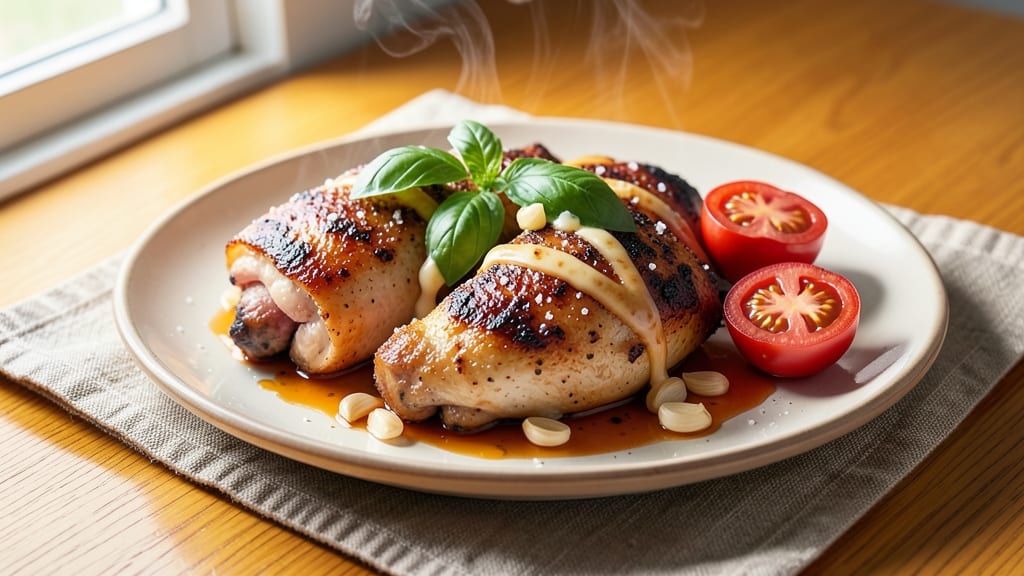
This one-pan chicken thighs with canned tomatoes recipe transforms simple ingredients into a deeply flavorful, restaurant-worthy dish in under 60 minutes. The secret lies in balancing the acidity of canned tomatoes with sweetness and herbs, creating a sauce that clings to tender, juicy chicken.
After years of perfecting this method, I can confidently say it delivers results that rival hours-long braises—without the fuss.
The beauty of this recipe is its adaptability: you can prepare it on the stovetop, in the oven, or even in a slow cooker, making it ideal for busy weeknights or meal prep.
The chicken thighs develop a caramelized crust while staying fork-tender, and the sauce reduces into a rich, velvety consistency that coats every bite. Deglazing the pan after browning the chicken unlocks layers of flavor that store-bought spices can't match.
What you'll end up with is a dish that's comforting yet elegant—perfect for family dinners, potlucks, or when you crave something hearty but don't want to slave over it all day.
The tomatoes soften into a luscious, slightly sweet sauce, while garlic, herbs, and a touch of sugar round out the flavors. Serve it over polenta, with crusty bread, or alongside roasted vegetables for a complete meal.
This recipe also works beautifully as a base for leftovers—reheat gently and adjust seasoning if needed. Whether you're feeding a crowd or cooking for two, the one-pan approach means minimal cleanup and maximum flavor. Let's get started on creating this effortless, deeply satisfying dish.
Ingredients for chicken thighs canned tomatoes
Simple pantry staples elevate to restaurant-quality richness in one pan.
| Ingredient | Amount | Notes |
|---|---|---|
| Bone-In Chicken Thighs 🍗 | 1 ½ lb | Skin-on for crispiness, trimmed excess fat |
| Canned San Marzano Tomatoes 🍅 | 2 cans | 28 oz each, crushed by hand |
| Garlic Cloves 🧄 | 6 cloves | Minced, skin removed for purity |
| Extra-Virgin Olive Oil 🫒 | ¼ cup | High-quality, fruity variety |
| Dry White Wine 🍷 | ½ cup | Sauvignon Blanc preferred |
| Chicken Stock 💧 | ½ cup | Homemade or quality low-sodium |
| Fresh Rosemary 🌿 | ¼ cup | Finely chopped, stems removed |
| Fresh Thyme 🌿 | ¼ cup | Leaves only, no woody stems |
| Granulated Sugar 🍚 | 1 tbsp | Balances tomato acidity |
| Diamond Crystal Kosher Salt 🧂 | 1 ½ tsp | Adjust to taste after cooking |
| Freshly Ground Black Pepper 🌶️ | ½ tsp | Cracked peppercorns preferred |
| Red Wine Vinegar 🍋 | 1 tbsp | For brightness, optional |
| Fresh Parsley 🌿 | 0.1 cup | Chopped, for garnish only |
The San Marzano tomatoes are non-negotiable for this dish—their natural sweetness and low acidity create the perfect balance. Whole Foods and Trader Joe's carry them year-round, or opt for high-quality crushed tomatoes in their absence. The bone-in, skin-on chicken thighs deliver unmatched flavor and texture; avoid pre-cut thighs from the deli counter, as they often contain preservatives. For the wine, Sauvignon Blanc works best due to its crisp acidity, but a dry Pinot Grigio suffices in a pinch. Fresh herbs should be vibrant—wilting rosemary or thyme indicates age and diminished flavor. The Diamond Crystal kosher salt is preferred for its coarse texture, which dissolves more easily during cooking.
No white wine? Substitute an equal amount of chicken stock, though the sauce will lack complexity. Fresh herbs unavailable? Dried rosemary and thyme at one-third the amount work, but toast them first in a dry pan for 30 seconds to intensify their flavor. Prefer a sweeter sauce? Increase the sugar to 1.5 tablespoons or add 1 tablespoon of honey. The red wine vinegar can be omitted entirely if you dislike tang, but it brightens the dish beautifully. For a deeper color, add 1 teaspoon of tomato paste along with the crushed tomatoes. The chicken thighs can be replaced with bone-in pork chops or duck legs for a richer variation, though cooking times will differ.
This dish reheats exceptionally well—simply cover and warm on low heat for 5-7 minutes, stirring occasionally. Store leftovers in an airtight container in the refrigerator for up to 5 days, though the flavor continues to develop over time. For longer storage, freeze portions in single-serving containers for up to 3 months. The sauce thickens as it cools, so a splash of chicken stock can restore its original consistency when reheating. Garnish with fresh parsley just before serving to maintain its vibrant color and fresh aroma. The caramelized crust on the chicken is best enjoyed immediately, so plan to serve this dish fresh off the pan.
Why You'll Love This Recipe
- Same recipe, different vibes: toss it with pasta for a quick weeknight, or serve it over polenta for a fancy-ish dinner. The wine and tomatoes make it feel special without trying too hard.
- One-Pan Magic: I swear by this recipe when I’m too tired to wash dishes. The thighs brown right in the same pan as the tomatoes reduce, and that wine deglaze? Pure flavor with zero extra bowls.
- Tomatoes Shine Bright: San Marzano tomatoes change everything—they’re sweet, not acidic, and their natural depth pairs with garlic and olive oil like a dream. (Yes, even when you burn the garlic a little.)
- Weeknight to Dinner Party: Same recipe, different vibes: toss it with pasta for a quick weeknight, or serve it over polenta for a fancy-ish dinner. The wine and tomatoes make it feel special without trying too hard.
Step-by-step instructions for chicken thighs with canned tomatoes
This one-pan method delivers deeply flavorful, tender chicken with a rich tomato-braised sauce.
Prepare the Chicken and Aromatics
Pat the 1.5 lb bone-in chicken thighs dry with paper towels, removing any excess fat from the skin. This step is critical for achieving crispy skin later. Place them skin-side up in a large Dutch oven or heavy skillet.
Heat the 0.25 cup extra-virgin olive oil over medium-high heat until shimmering. Season the chicken generously with 1.5 tsp diamond crystal kosher salt and 0.5 tsp freshly ground black pepper, pressing the seasoning into the meat. Cook undisturbed for 5-6 minutes until the skin is golden brown and crispy. Flip and cook another 3-4 minutes until the internal temperature reaches 165°F at the thickest part. Remove and set aside on a plate.
Develop the Tomato-Braised Base
In the same Dutch oven, reduce heat to medium and add the 6 cloves minced garlic cloves, cooking for 30 seconds until fragrant. Add the 0.25 cup finely chopped fresh rosemary and 0.25 cup fresh thyme leaves, stirring for 1 minute to release their essential oils.
Pour in the 0.5 cup dry white wine, scraping up any browned bits from the bottom. Let it simmer for 2 minutes until reduced by half. Add the 2 cans crushed canned San Marzano tomatoes, 1 tbsp granulated sugar, and 1 tbsp red wine vinegar, stirring well. The sugar balances the acidity while the vinegar adds brightness.
Braise the Chicken to Perfection
Return the chicken to the Dutch oven, skin-side up. Pour in the 0.5 cup chicken stock, ensuring the chicken is partially submerged. Bring to a gentle simmer, then reduce heat to low, cover, and let it braise for 30-35 minutes. This slow cooking ensures the chicken becomes fork-tender while absorbing the rich tomato sauce.
Check for doneness by piercing the thickest part of a thigh—it should slide in easily. If the sauce reduces too much, add a splash of water or stock to maintain moisture. The chicken is ready when it's tender and the sauce has thickened slightly, coating the back of a spoon.
Finish and Garnish
Remove the lid and increase heat to medium-high to reduce the sauce for 5-7 minutes until it reaches your desired consistency. Taste and adjust seasoning with additional diamond crystal kosher salt or freshly ground black pepper as needed.
Sprinkle with the 0.1 cup chopped fresh parsley just before serving. The parsley adds a fresh contrast to the deep, savory flavors of the braise. Serve immediately over polenta, crusty bread, or mashed potatoes to soak up every bit of the luscious sauce.
Pro Tips For Making Chicken Thighs Canned Tomatoes
- CRISP THE SKIN FIRST: Pat the bone-in thighs bone-dry with paper towels, then sear skin-side down in a cold pan over medium heat—no oil yet. Let them sit undisturbed for 8-10 minutes until deep golden. I used to rush this, and the skin stayed sad and limp. The Maillard reaction here is your flavor foundation.
- SAUTE GARLIC IN OIL: After removing the thighs, use that same rendered fat to cook the garlic—whole cloves, unpeeled, until just fragrant (2-3 minutes). Smash them lightly with a spoon to release flavor without burning. Peeling after cooking saves mess, and whole cloves resist bitterness.
- DEGLAZE WITH WINE: Pour in the white wine immediately after removing the garlic, letting it bubble for 30 seconds to lift browned bits. Don’t skip this—it’s the difference between a flat sauce and one with depth. If you’re lazy, use a splash of chicken stock instead, but the wine’s acidity cuts through the tomatoes better.
- TOMATO PULP, NOT CHUNKS: Drain the San Marzano tomatoes but save the pulp—blend it with a splash of wine if needed to make a smooth base. Chunky tomatoes work, but pulped sauce clings to the chicken and thickens more evenly. I learned this after sloppy batches where the sauce slid off the thighs.
Common mistakes when making this dish
Overcooking the Chicken
One of the biggest mistakes is letting the chicken thighs dry out during the braising process. I’ve seen many people walk away and forget about their dish, only to return to rubbery, overcooked chicken. The key is to maintain a gentle simmer—never a rolling boil—after the initial sear.
Use a meat thermometer to check the internal temperature at 165°F; if it reaches 185°F, the chicken will turn tough. Once the thighs hit 165°F during the initial sear, reduce heat to low and cover the pan to trap moisture. 🌡️
Skipping the Deglaze
Many home cooks rush through the deglazing step, which is where the magic happens. That browned crust on the chicken and pan contains deep, caramelized flavors that dissolve into the sauce when you add wine. If you skip this step, your sauce will taste flat and one-dimensional.
After removing the chicken, immediately add the white wine and scrape up every last bit with a wooden spoon. Let it reduce by half before adding tomatoes—this builds layers of flavor you can’t replicate otherwise.
Ignoring Acid Balance
Canned tomatoes can be overly acidic, especially if they’re not high-quality. I’ve ruined dishes by not balancing the acidity with sweetness or fat. The 1 tbsp granulated sugar and 1 tbsp red wine vinegar in this recipe are non-negotiable—they round out the sharpness of the tomatoes.
If your sauce tastes too tart, add a pinch more sugar or a splash of heavy cream to mellow it out. Taste as you go! 🍯
Using Low-Quality Tomatoes
Not all canned tomatoes are created equal. Cheap, watery brands will turn your sauce into a thin, insipid liquid. Invest in San Marzano tomatoes—their natural sweetness and thick texture are worth the splurge.
If you’re using a different brand, crush them by hand to break up the pulp and remove excess liquid. Drain them in a colander for 5-10 minutes before adding to the pan to concentrate their flavor. This simple step transforms a mediocre sauce into something rich and velvety.
Overcrowding the Pan
If you’re cooking more than 1.5 lbs of chicken thighs in a single pan, you’re asking for trouble. Overcrowding lowers the cooking temperature, leading to steamed (not seared) chicken and a watery sauce.
Cook in batches if needed—sear the first batch, remove it, then sear the second batch in the same pan. This ensures each piece gets the crispy skin and flavorful crust it deserves. A 12-inch cast-iron skillet or Dutch oven is ideal for this recipe; avoid nonstick pans for browning.
Not Resting the Chicken
After braising, many people slice into the chicken immediately, causing juices to spill out and leaving the meat dry. Let the thighs rest for 5-10 minutes before serving—this allows the juices to redistribute. I like to tent them loosely with foil while they rest.
If you’re serving this dish to guests, use this time to reduce the sauce and garnish with fresh parsley. Patience here makes all the difference in texture and presentation. ⏳
Nutrition facts
Frequently asked questions
Can I use boneless, skinless chicken thighs instead?
The recipe works best with bone-in, skin-on thighs for maximum flavor and texture, but you can substitute boneless, skinless thighs if needed. Reduce the cooking time to 25-30 minutes during braising, and add 1 tablespoon of olive oil to the pan to prevent drying. The sauce will still be delicious, though slightly less rich.
How do I adjust this recipe for a slow cooker?
Transfer the seared chicken and deglazed aromatics to a slow cooker, then add all remaining ingredients except the parsley. Cook on low for 4-5 hours or high for 2-3 hours, stirring occasionally. The sauce will thicken more than stovetop method, so add 2-3 tablespoons of chicken stock if needed before serving. Perfect for hands-off cooking!
What are the best sides to serve with this dish?
This rich tomato-braised chicken pairs beautifully with creamy polenta, crusty sourdough bread, or roasted root vegetables like carrots and parsnips. For a lighter option, try quinoa or farro salad to balance the richness. A simple arugula salad with lemon vinaigrette adds freshness to cut through the sauce.
Can I make this recipe ahead of time?
Yes! This dish tastes even better the next day. Store leftovers in an airtight container in the refrigerator for up to 5 days. Reheat gently on low heat, adding a splash of chicken stock if the sauce thickens too much. The flavors meld beautifully overnight, making it ideal for meal prep. Freeze portions for up to 3 months for future meals.
Why did my sauce turn out too acidic?
Canned tomatoes vary in acidity, and skipping the sugar or vinegar can make the sauce taste sharp. To fix it, stir in 1 teaspoon of sugar or 1 tablespoon of heavy cream while reheating. For future batches, taste the sauce after adding tomatoes and adjust immediately. High-quality tomatoes like San Marzano help balance acidity naturally.