
Main Courses
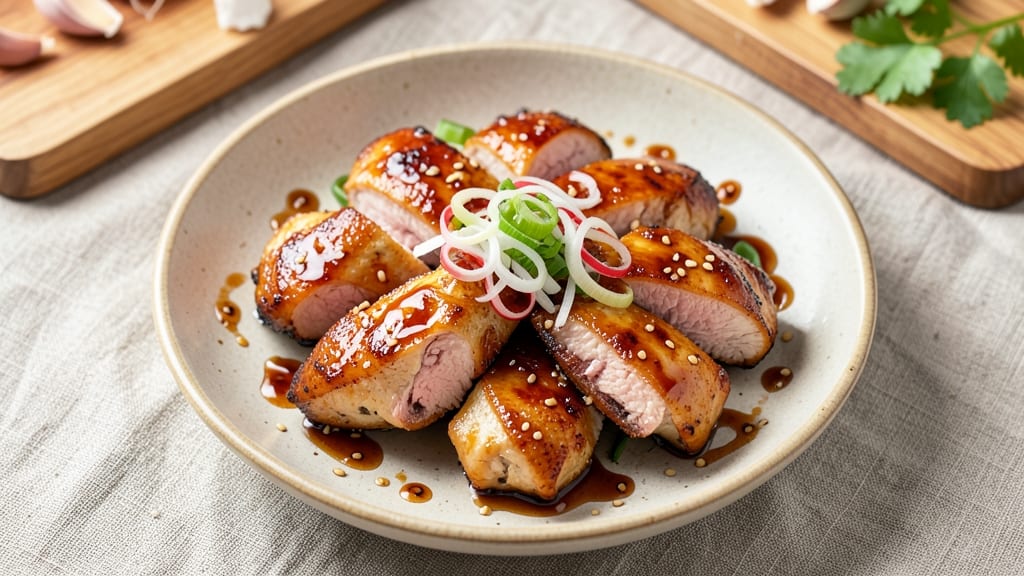
This copycat teriyaki chicken recipe delivers the same restaurant-quality results you crave at home—glazed crispy edges and juicy bites that disappear faster than you can say "takeout." The secret lies in a precise marinade blend and a foolproof cooking technique that balances caramelization with tender meat.
I've perfected this over countless batches, ensuring every piece comes out with that signature sticky glaze and perfect texture.
What sets this recipe apart is the two-step glazing process, where you baste the chicken during cooking to build layers of flavor and caramelization. No shortcuts here—just a method that guarantees restaurant-quality results without the wait.
The marinade simmers for 10 minutes to develop depth, while the chicken cooks to an internal temperature of 165°F for safe, juicy perfection.
By the end, you'll have golden-brown chicken with a glossy, caramelized glaze that clings to every bite, paired with tender meat inside. The aroma alone will have everyone gathering around the table, and the taste?
Well, let's just say your guests won't suspect it's homemade. Serve with steamed rice and stir-fried vegetables for the full experience.
This recipe is designed for weeknight dinners but works just as well for meal prep or entertaining. The leftovers reheat beautifully, making it a versatile addition to your cooking routine. Let's get started on recreating that restaurant magic at home.
Ingredients for copycat teriyaki chicken
Pantry staples and a few fresh additions transform into restaurant-style teriyaki chicken.
| Ingredient | Amount | Notes |
|---|---|---|
| Boneless, Skinless Chicken Thighs 🍗 | 1 ½ lb | Cut into 1-inch pieces |
| Extra-Firgin Olive Oil 🫒 | 2 tbsp | For marinating and searing |
| Soy Sauce 🍶 | ½ cup | Low-sodium preferred |
| Honey 🍯 | ⅓ cup | Wildflower for depth |
| Rice Vinegar 🍶 | ¼ cup | White vinegar substitute |
| Fresh Garlic Cloves 🧄 | 5 cloves | Minced for marinade |
| Fresh Ginger Root 🌿 | 1 ½ tbsp | Finely grated |
| Sesame Oil 🫒 | 1 tbsp | Toasted sesame for aroma |
| Brown Sugar 🍚 | ¼ cup | Packed for sweetness |
| Diamond Crystal Kosher Salt 🧂 | 1 tsp | For seasoning |
| Ground Black Pepper 🌶️ | ½ tsp | Freshly cracked |
| Sesame Seeds 🌾 | 1 tbsp | Toasted for garnish |
| Cornstarch 🍚 | 1 tbsp | For glaze thickening |
The chicken thighs are non-negotiable here—they stay juicy while the edges crisp up beautifully. Trader Joe's or Costco often have pre-cut, bone-in thighs at a better price, but boneless works too if you're in a hurry. Look for pieces with good marbling—those little white streaks mean more flavor. The garlic and ginger should be vibrant, not woody or dried out. If your ginger root has sprouted, it's still fine, just peel it extra carefully. Sesame oil is the secret to that authentic aroma—Kadoya or La Choy are reliable brands, but any toasted sesame oil will work.
No sesame oil? Toasted peanut oil adds a different but still delicious depth. The soy sauce can be swapped for coconut aminos if you're avoiding sodium, but the color and flavor will differ slightly. Honey substitutes? Maple syrup or agave work in a pinch, though maple has a more pronounced flavor. For the glaze, if you're making it ahead, store it in the fridge for up to 2 weeks—just reheat gently before using. The cornstarch is key for that glossy finish, but if you're out, arrowroot powder works too at the same ratio.
Marinate the chicken for at least 30 minutes, but overnight is ideal for maximum flavor. The leftovers reheat beautifully—just warm in a skillet with a splash of water to keep them moist. Store in an airtight container for 3-4 days in the fridge or freeze for 3 months. For meal prep, portion into containers with rice and veggies for grab-and-go lunches. The glaze thickens as it cools, so if it seems too runny after cooking, simmer it for another minute to adjust.
Why You'll Love This Recipe
- One-Pan Magic: I swear by this—just toss the chicken thighs in a single pan, drizzle with olive oil, and let the soy, honey, and vinegar work their magic while you sip your coffee. No messy sauces to strain or bowls to wash.
- Sweet-Savory Balance: That sticky glaze? It’s the honey cutting through the soy’s saltiness while the vinegar keeps it bright—not cloying, not bland, but ridiculously good. The thighs stay juicy, and the crust? Addictive.
- Meal Prep Hero: Between us, this is my go-to for lunches. Cook a big batch on Sunday, slice it up, and toss it into rice bowls all week. The flavor actually improves the next day—yes, really.
- Budget-Friendly Feast: Chicken thighs are cheap, and this recipe stretches easily. Double the batch, freeze half, and you’ve got a weeknight savior that won’t break the bank. Plus, the leftovers taste better than takeout.
Step-by-step instructions for copycat teriyaki chicken
Here's how to create that signature restaurant-style balance of crispy edges and tender, juicy chicken.
Prepare the Chicken and Marinade
Cut the 1.5 lb boneless, skinless chicken thighs into 1-inch pieces for even cooking. In a large bowl, whisk together the 0.5 cup soy sauce, 0.33 cup honey, 0.25 cup rice vinegar, 0.25 cup brown sugar, 1 tbsp sesame oil, 1 tsp diamond crystal kosher salt, and 0.5 tsp ground black pepper. This marinade forms the flavor foundation—don't skip the sugar or salt, as they're essential for that perfect balance of sweet and umami.
Add the chicken pieces to the marinade and toss to coat completely. Cover the bowl and refrigerate for at least 30 minutes (I prefer 2 hours for maximum flavor penetration). The longer it marinates, the more tender and flavorful the chicken becomes. If you're short on time, even 15 minutes will work, but you'll miss out on some depth of flavor.
Sear the Chicken for Crispy Texture
Remove the chicken from the marinade (reserve the marinade for later) and pat the pieces dry with paper towels. This step is crucial for achieving crispy edges—any moisture left on the chicken will prevent proper browning. Heat 2 tbsp extra-virgin olive oil in a large skillet over medium-high heat until shimmering.
Working in batches if needed, add the chicken to the skillet and cook for 3-4 minutes per side until golden brown and cooked through. You'll know it's ready when the edges are crispy and the internal temperature reaches 165°F. Don't overcrowd the pan—this ensures even browning. Transfer the seared chicken to a plate and tent loosely with foil to keep warm.
Build the Glaze and Finish the Chicken
Return the reserved marinade to the skillet and bring to a simmer over medium heat. Add the 5 cloves minced fresh garlic cloves and 1.5 tbsp finely grated fresh ginger root, stirring constantly for 1-2 minutes until fragrant. This is where the aromatic flavors really develop—don't rush this step or you'll miss out on that restaurant-quality depth.
In a small bowl, whisk together the 1 tbsp cornstarch with 2 tablespoons water to create a slurry. Slowly pour this into the simmering marinade while stirring continuously. The glaze will thicken almost immediately—simmer for another 2-3 minutes until it coats the back of a spoon. If it's too thick, add 1-2 tablespoons water to reach your desired consistency.
Coat and Garnish the Chicken
Return the seared chicken to the skillet and spoon the glaze over each piece, making sure they're fully coated. Cook for an additional 1-2 minutes to let the chicken absorb the glaze and develop that signature sticky-sweet exterior. The chicken should be glossy and well-coated—this is what makes it look (and taste) like it came straight from your favorite Asian restaurant.
Transfer the chicken to a serving platter and sprinkle with 1 tbsp toasted sesame seeds for texture and aroma. Serve immediately while the glaze is still warm and sticky. The contrast of crispy edges and tender, juicy chicken with that perfect sweet-savory glaze is what makes this dish so irresistible. Pair with steamed rice and steamed vegetables for a complete meal.
Pro Tips For Making Copycat Teriyaki Chicken
- Brown the Chicken First: Skip the pale, rubbery disaster—sear those thighs in olive oil over medium-high heat until golden on both sides. I used to rush this, and the sauce just sat on top instead of sticking like glue. Two minutes per side, no crowding the pan, or you’ll steam instead of brown.
- Balance the Vinegar: Rice vinegar adds brightness, but too much turns your teriyaki into a tangy mess. Start with 1 tablespoon per ½ cup soy sauce, then adjust after tasting. I learned this the hard way—once I ruined a batch because I doubled it without testing first.
- Simmer, Don’t Boil: Reduce the sauce on low heat until it thickens enough to coat the back of a spoon. Boiling it turns it gluey and dull. After 10 minutes, check the consistency—if it’s still watery, let it cook uncovered for another 5. Patience here makes all the difference.
- Marinate Overnight (Or Skip): If you’re short on time, skip the marinade—just toss the thighs in a mix of 2 tablespoons soy sauce and 1 tablespoon honey before cooking. But if you have 4+ hours, let them soak in the full sauce. The flavor penetrates deeper, and the chicken stays juicier. (Yes, even if you’re impatient like me.)
Best sauces and condiments for these flavors
Classic Teriyaki Glaze
The foundation of this dish is the homemade teriyaki glaze, which balances sweet, salty, and umami flavors perfectly. The recipe uses soy sauce (0.5 cup), honey (0.33 cup), and brown sugar (0.25 cup) for that signature caramelized depth.
I recommend simmering the glaze for 10 minutes to develop its rich, complex flavor—this step is non-negotiable for restaurant-quality results. 🌟
Sesame Oil Boost
For that authentic aroma, 1 tablespoon toasted sesame oil is essential. It adds a nutty depth that store-bought sauces often miss. If you're out, toasted peanut oil works in a pinch, though the flavor will differ slightly.
Add it to the marinade along with fresh garlic (5 cloves) and ginger (1.5 tbsp) for maximum impact. The oil should be lightly toasted—just warm it in the skillet for 30 seconds before adding to the marinade.
Cornstarch Thickener
A cornstarch slurry (1 tbsp cornstarch + 2 tbsp water) is the secret to that glossy, clingy glaze. Whisk it into the simmering marinade at the end and cook for 2-3 minutes until it coats the back of a spoon.
This creates a sticky, lacquer-like finish that’s impossible to achieve with just sugar. If the glaze thickens too quickly, add 1-2 tbsp water to adjust the consistency.
Umami Enhancers
For extra depth, I like to add 1 teaspoon fish sauce or 1 tablespoon Worcestershire sauce to the marinade. These ingredients amplify the umami without overpowering the sweetness. If you're avoiding fish sauce, extra soy sauce (1 tbsp) will work, though the flavor profile will be slightly different.
The key is balancing these elements—too much salt or umami can make the dish taste flat.
Sweet-Savory Balance
The ratio of honey to brown sugar (1:0.75) is critical for that perfect sweet-savory harmony. If you prefer a less sweet glaze, reduce the honey to 0.25 cup and add 1 tbsp rice vinegar for brightness.
For a richer glaze, increase the brown sugar to 0.33 cup and add 1 tsp molasses for depth. Taste as you go—adjustments are key to personalizing the flavor.
Garnish Like a Pro
Finish with toasted sesame seeds (1 tbsp) for texture and aroma. Toast them in a dry skillet over medium heat for 1-2 minutes until fragrant—this step makes a huge difference. For extra flair, add thinly sliced green onions or crushed red pepper flakes for a touch of heat.
A drizzle of extra glaze before serving ensures every bite is glossy and delicious. 💫
Nutrition facts
Frequently asked questions
Can I use chicken breast instead of thighs?
Chicken breast works, but thighs are ideal for this recipe. Thighs stay juicier with crispy edges, while breasts can dry out during the long cooking time. If using breasts, cut them into 1-inch pieces and reduce cooking time to 2-3 minutes per side to avoid overcooking. For best results, marinate for 1-2 hours instead of overnight.
How do I make the glaze less sweet?
Reduce the honey to 0.25 cup and add 1 tbsp rice vinegar for tang. For extra umami without sweetness, increase soy sauce to 0.6 cup and add 1 tsp fish sauce. Always taste as you go—adjustments are key! The glaze should coat the back of a spoon but remain pourable.
Why did my chicken turn out dry?
Overcooking or skipping the marinade time are common culprits. Use a meat thermometer—chicken should reach 165°F internally. For breasts, cut pieces 1-inch thick and cook 2-3 minutes per side. Always marinate for at least 30 minutes (overnight is best) to keep meat tender. Pat dry before searing!
Can I grill this recipe instead of pan-frying?
Preheat grill to medium-high heat and oil grates well. Grill chicken for 4-5 minutes per side until golden. Brush with reserved marinade during grilling, then finish with the glaze indoors. For extra smokiness, add 1 tsp smoked paprika to the marinade. Just watch for flare-ups—keep a spray bottle handy!
How do I reheat leftovers without drying them out?
Reheat in a skillet over medium-low heat with 1 tbsp water or chicken broth for 2-3 minutes until warmed through. Microwaving works too—cover with a damp paper towel and heat in 30-second bursts. For crispy edges, broil for 1-2 minutes at the end. Store leftovers in an airtight container for 3-4 days.