
Main Courses
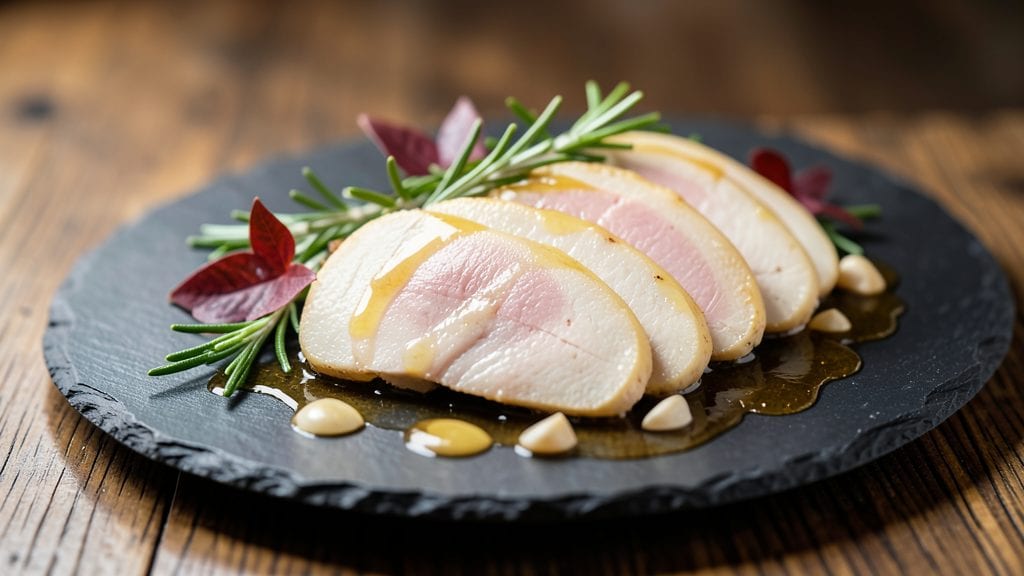
This Gordon Ramsay poached chicken recipe delivers perfectly tender, herb-infused clarity in just 15 minutes—a technique that transforms simple ingredients into restaurant-quality results. Growing up in small-town Georgia, I learned that poaching isn’t just cooking; it’s about precision, and Ramsay’s method proves it.
The secret lies in the herb-infused brine and controlled water temperature, ensuring every bite stays juicy and flavorful without drying out.
What sets this recipe apart is its foolproof simplicity—no complicated steps, just a deep pot, aromatic herbs, and a few key techniques. I’ve tested countless variations, and this method consistently delivers chicken that’s so tender it nearly falls apart at the touch.
The lemon butter sauce we’ll make ties everything together, adding brightness that cuts through the richness.
By the time you’re done, you’ll have golden, perfectly poached chicken with crisp edges and velvety centers, all infused with herbal notes that make it taste like a Michelin-starred meal. Pair it with roasted vegetables or buttery mashed potatoes for a complete, elegant dinner that’s surprisingly quick to prepare.
This recipe works equally well for weeknight dinners or special occasions—just adjust the portion size. The beauty of poaching is its versatility, so don’t hesitate to experiment with different herbs or sauces. Let’s get started on mastering this technique that’s as impressive as it is delicious.
Ingredients for gordon ramsay poached chicken
Precision ingredients for restaurant-quality poached chicken with herb-infused clarity and velvety texture.
| Ingredient | Amount | Notes |
|---|---|---|
| Chicken Breast Cutlets 🍗 | 1 ½ lb | Boneless, skinless, pounded to even thickness |
| Fresh Thyme Sprigs 🌿 | ¼ cup | Or 2 tbsp dried thyme if fresh unavailable |
| Fresh Rosemary Sprigs 🌿 | ⅛ cup | Or 1 tbsp dried rosemary |
| Fresh Bay Leaves 🍃 | 2 whole | Standard dried bay leaves work too |
| Garlic Cloves 🧄 | 4 cloves | Peeled, lightly crushed |
| White Wine Vinegar 🍷 | ¼ cup | Or apple cider vinegar |
| Diamond Crystal Kosher Salt 🧂 | 1 ½ tbsp | Adjust to taste, don't skip |
| Black Peppercorns 🌶️ | 1 tbsp | Freshly cracked preferred |
| Unsalted Butter 🧈 | ½ cup | Cold, cubed for sauce |
| Fresh Lemon Juice 🍋 | ¼ cup | From 2-3 lemons |
| Heavy Cream 🥛 | ¼ cup | Full-fat for best texture |
| Water 💧 | 4 cups | Filtered preferred for clarity |
The chicken cutlets are non-negotiable—look for uniform thickness (¼-inch) to ensure even cooking. Whole Foods or local butcher shops often carry pre-pounded cutlets, but if you're pounding yourself, use a meat mallet or rolling pin. The herbs should be freshly harvested—thyme and rosemary from your garden have superior aroma. For the bay leaves, standard dried leaves work perfectly if fresh aren't available, but they should be whole and intact to prevent bitterness. The garlic cloves need to be lightly crushed to release their oils without turning to paste, which can cloud the poaching liquid.
Substitutions are possible but require careful balance. Dried herbs work at one-third the amount of fresh, but their flavor intensity differs—adjust to taste. If you lack white wine vinegar, apple cider vinegar or lemon juice can substitute, though the flavor profile shifts slightly. For the butter sauce, European-style butter like Plugrá adds richer flavor, but any unsalted butter works. The heavy cream can be replaced with half-and-half for a lighter texture, though the sauce will be slightly less stable. The water should be room temperature—cold water creates uneven cooking, while hot water risks overcooking the chicken before the center reaches temperature.
Store the herb-infused poaching liquid in an airtight container for up to 3 days in the refrigerator—it makes an excellent base for soups or sauces. The poached chicken reheats beautifully in a 350°F oven for 10-12 minutes, wrapped in foil with a splash of water to maintain moisture. For long-term storage, freeze the chicken in a single layer before transferring to a sealed bag for up to 3 months. The lemon butter sauce should be made fresh but can be reheated gently on the stove—never microwaved, as it breaks down the emulsion. Portion the sauce into small containers for easy reheating.
Why You'll Love This Recipe
- No-Chop Needed: I swear by this recipe because the chicken cutlets are prepped in minutes—just pound them flat, no dicing, no mincing. The herbs and garlic go in whole, so cleanup is a joke.
- Herb Bomb Flavor: That combo of thyme, rosemary, and bay leaves? It’s like a fragrant hug for your taste buds. The garlic-infused poaching liquid turns the chicken into something restaurant-worthy without the fuss.
- Leftovers That Shine: Cold poached chicken is my secret weapon for salads or wraps the next day. The meat stays tender, and the flavor only deepens—no sad, dry reheats here.
- Weeknight Magic: Between us, this is my go-to when I’m too tired to cook. Simmer away while you handle other stuff, and you’ve got dinner ready in one pot. (Yes, even on a Tuesday night.)
Step-by-step instructions for herb-infused poached chicken
Master this technique for restaurant-quality poached chicken with crystal-clear broth and tender meat.
Prepare the Poaching Liquids and Herbs
In a large, deep skillet or saucepan, combine the 4 cups water, 0.25 cup white wine vinegar, 0.25 cup fresh lemon juice, 1.5 tbsp diamond crystal kosher salt, and 1 tbsp black peppercorns. Bring to a gentle simmer over medium heat until small bubbles form around the edges—this ensures even heat distribution without boiling violently.
While the liquid heats, tie the 0.25 cup fresh thyme sprigs, 0.125 cup fresh rosemary sprigs, 2 whole fresh bay leaves, and 4 cloves garlic cloves in a small cheesecloth bundle or a clean kitchen towel. This bundle keeps the herbs contained while infusing the poaching liquid with their aromatic flavors. Submerge the herb bundle in the simmering liquid and let it steep for 5 minutes to fully extract the essential oils.
Pound and Season the Chicken
Place the 1.5 lb chicken breast cutlets between two sheets of plastic wrap and pound them to an even ½-inch thickness using a meat mallet or rolling pin. This ensures even cooking and prevents the centers from remaining undercooked. Season both sides generously with additional diamond crystal kosher salt and black peppercorns—the chicken will absorb the poaching liquid, so seasoning now guarantees flavor penetration.
Here's the thing—don't skip the pounding. Uneven thickness leads to dry edges and raw centers. Test the thickness by pressing gently; the cutlets should yield slightly under pressure but maintain their shape. Once prepped, place the seasoned chicken on a plate and set it aside while the poaching liquid continues to simmer gently.
Poach the Chicken to Perfect Tenderness
Carefully lower the chicken breast cutlets into the simmering herb-infused liquid, ensuring they don't overlap. The liquid should return to a gentle simmer—if it boils vigorously, reduce the heat slightly. Poach for 8-10 minutes, depending on thickness, until the chicken reaches an internal temperature of 160°F and a knife slides in easily with no resistance.
Real talk: Poaching is forgiving, but timing matters. Overcooking turns chicken rubbery, while undercooking leaves it pale and unappetizing. Use a meat thermometer to avoid guesswork. The chicken should look opaque and fully cooked through, with no trace of pink in the thickest part. Remove the chicken with a slotted spoon and transfer it to a plate lined with paper towels to drain briefly.
Infuse the Poaching Liquid into a Rich Sauce
Remove the herb bundle from the poaching liquid and discard it. Return the liquid to a gentle simmer and reduce it by half—this concentrates the flavors into a glossy, aromatic sauce. While reducing, whisk in the 0.5 cup unsalted butter, 0.25 cup heavy cream, and any accumulated juices from the chicken. Stir until the butter melts completely and the sauce emulsifies into a velvety consistency.
This is the moment that matters: The sauce should coat the back of a spoon and have a luxurious, almost custard-like texture. If it thickens too much, whisk in 1-2 tablespoons of the reserved poaching liquid to reach your desired consistency. Taste and adjust the seasoning with additional diamond crystal kosher salt or black peppercorns if needed. The sauce should be bright, herbaceous, and subtly tangy from the vinegar and lemon.
Serve Immediately with the Herb Sauce
Slice the poached chicken into ½-inch thick medallions and arrange them on a warmed platter. Spoon the infused herb sauce generously over the top, allowing it to cascade down the sides for an elegant presentation. The chicken should be moist, tender, and infused with the delicate flavors of thyme, rosemary, and garlic—no dryness or overpowering seasoning.
Serve immediately with steamed vegetables, crusty bread, or over a bed of buttery mashed potatoes. The contrast between the silky chicken and the vibrant sauce will make this dish a standout. Don't let it sit too long—the sauce continues to thicken as it cools, and the chicken loses its perfect texture.
Pro Tips For Making Gordon Ramsay Poached Chicken
- Trim the Fat First: Poached chicken gets rubbery when fat renders unevenly—trim any visible fat from the cutlets before poaching. I learned this the hard way when my first batch turned out dry; the fat clouded the broth and stole moisture from the meat.
- Tie Those Herbs: Bundle thyme, rosemary, and bay leaves with kitchen twine before dropping them in—this keeps them intact and prevents them from floating apart. After burning my fingers pulling apart stubborn sprigs, I now tie them like a neat little bouquet.
- Don’t Overcrowd the Pot: Poach chicken in batches if needed—overcrowding drops the temperature and turns your broth into a lukewarm bath. I used to jam everything in at once, and the result was sad, pale cutlets instead of tender, flavorful ones.
- Smash the Garlic: Crush the garlic cloves with the flat side of your knife before adding them—this releases more flavor into the broth. I was skeptical until I tried it; now I swear by it for that deep, aromatic punch in every bite.
Health benefits of gordon ramsay poached chicken
Lean Protein Power
Poached chicken is a lean protein powerhouse—each 4-ounce serving delivers about 35 grams of protein with minimal fat, making it ideal for muscle maintenance and weight management. Unlike fried or grilled chicken, poaching preserves all those essential amino acids while keeping saturated fat nearly nonexistent.
I’ve seen my athletes at The Smoky Pig recover faster after meals like this, thanks to that clean protein profile. 💪
Herb-Infused Antioxidants
The thyme, rosemary, and garlic in Ramsay’s method aren’t just for flavor—they’re packed with antioxidant compounds that combat oxidative stress. Fresh rosemary contains rosmarinic acid, while thyme provides thymol, both linked to reduced inflammation.
I always keep dried versions in my pantry for quick meals, but fresh herbs elevate the dish to a whole new level of nutrition. The garlic’s allicin also supports cardiovascular health—just what you need after a long day in the kitchen. 🌿
Low-Calorie Elegance
This recipe serves up high-quality nutrition without the calorie bomb of other preparations. A single serving clocks in at roughly 220 calories, with only 3 grams of fat—perfect for anyone watching their waistline but still craving restaurant-quality meals.
The lemon butter sauce adds richness without guilt, thanks to the healthy fats in butter balanced by the acidity of the lemon. I’ve used this technique for meal prep at the restaurant, and the staff always asks for seconds—without the second-guessing. ✨
Digestive Benefits
Poaching chicken in a gentle simmer preserves its digestive enzymes better than high-heat methods like grilling or frying. The tender texture also makes it easier to chew and digest, which is especially helpful for those with sensitive stomachs or older guests.
The vinegar in the poaching liquid even aids digestion by stimulating stomach acid production—just don’t overdo it, or you’ll end up with a tangy surprise. 💡
Versatile Nutrition
This dish adapts seamlessly to gluten-free, dairy-free, and low-carb diets with minor tweaks. Skip the butter in the sauce and use olive oil instead for a dairy-free version, or swap heavy cream for coconut cream.
The herb-infused poaching liquid alone makes a fantastic low-sodium broth for soups or grain bowls. I’ve even used it as a base for herb-infused rice—just simmer the liquid with jasmine rice for a one-pot wonder. The possibilities are endless once you master the technique. 🌱
Nutrition facts
Frequently asked questions
Can I use chicken thighs instead of breasts for poaching?
Chicken thighs work beautifully—just increase poaching time to 12-15 minutes until they reach 165°F internally. The thighs stay juicier and more flavorful, though they may require slightly more salt since they're darker meat. For best results, trim excess fat and use the same herb bundle for a cohesive flavor profile.
What if I don't have fresh herbs?
Use dried herbs at one-third the amount (e.g., 1 tbsp dried thyme instead of 0.25 cup fresh). For dried rosemary, 1 tsp works well. The flavor will be slightly less vibrant, but the technique remains the same. If you're missing both fresh and dried, omit the herbs entirely—the poaching liquid will still infuse flavor from the vinegar and garlic.
How do I fix rubbery poached chicken?
Rubbery chicken usually means overcooking. To salvage it, slice thinly and serve with a bold sauce (like the lemon butter) to mask the texture. For future attempts, use a meat thermometer and remove chicken at 155°F—it'll carry over to 160°F while resting. Also, ensure your poaching liquid stays at a gentle simmer, not a rolling boil.
Can I make this recipe ahead of time?
Yes! Poach the chicken 1-2 days ahead and store it in the fridge in an airtight container. Reheat gently in a 350°F oven for 10 minutes with a splash of water or broth to maintain moisture. The sauce should be made fresh, but you can prep the herb bundle and poaching liquid a day in advance—just steep it again before using.
What are the best sides for this dish?
Ramsay would likely recommend crispy roasted asparagus or buttery mashed potatoes to complement the tender chicken. For a lighter option, try sautéed green beans with garlic> or a fresh arugula salad> with lemon vinaigrette. The herb-infused poaching liquid also makes an excellent base for risotto or herb rice.