
Main Courses
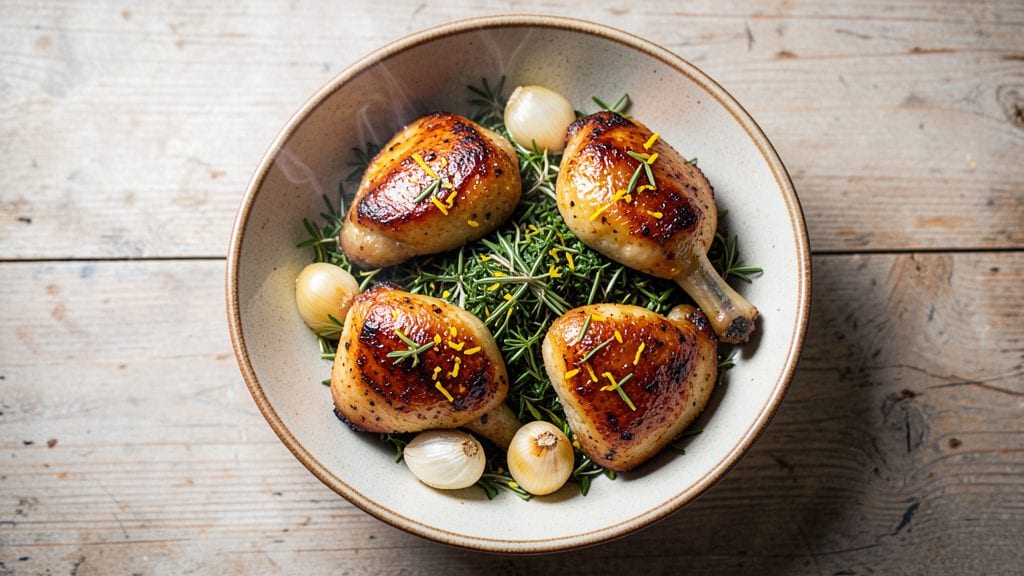
Ina Garten's chicken thighs recipe delivers perfectly juicy meat with crisp skin that's impossible to resist—this is the dish I return to whenever I want restaurant-quality results at home.
Growing up in small-town Georgia, I learned how simple techniques could transform ordinary ingredients into something extraordinary, and this recipe embodies that philosophy.
The secret lies in a herb-infused marinade that tenderizes while building flavor, paired with a precise roasting method that ensures every bite is moist inside and golden outside.
What sets this recipe apart is its balance of simplicity and sophistication—no complicated techniques, just fresh herbs, a touch of lemon, and the right temperature control. I've adapted Ina's method to work with standard home ovens, so you don't need specialized equipment.
The thighs develop rich, aromatic flavors from the marinade while maintaining their natural juiciness, unlike many recipes that leave the meat dry. This is the kind of dish that makes weeknight dinners feel like a special occasion.
By the time your chicken emerges from the oven, you'll have tender meat that practically falls apart at the touch, encased in skin so crisp it shatters with each bite. The herb-infused aromas fill your kitchen, creating an atmosphere that's equal parts comforting and elegant.
Serve with a simple salad or roasted vegetables to let the chicken take center stage—this is the recipe that will have your guests asking for seconds before they even sit down.
Perfect for family dinners, holiday gatherings, or when you want to impress without stressing. The method scales easily, so you can adjust quantities without compromising quality. Here's how to achieve Ina Garten's signature results in your own kitchen—foolproof and worthy of any table.
Ingredients for ina garten chicken thigh
Fresh herbs and simple pantry staples transform ordinary chicken thighs into restaurant-quality perfection.
| Ingredient | Amount | Notes |
|---|---|---|
| Chicken Thighs, Bone-In 🍗 | 1 ½ lb | Skin-on, even thickness preferred |
| Extra-Virgin Olive Oil 🫒 | ½ cup | High-quality, fruity variety |
| Fresh Rosemary 🌿 | ¼ cup | Finely chopped, stems removed |
| Fresh Thyme 🌿 | ¼ cup | Leaves only, stems discarded |
| Garlic Cloves 🧄 | 6 cloves | Peeled, roughly chopped |
| Lemon Zest 🍋 | 1 tbsp | From 1 organic lemon |
| Lemon Juice 🍋 | 2 tbsp | Freshly squeezed |
| Diamond Crystal Kosher Salt 🧂 | 1 ½ tsp | Fine grain preferred |
| Freshly Ground Black Pepper 🌶️ | ½ tsp | Coarsely ground |
| All-Purpose Flour 🌾 | ½ cup | For dredging |
| Unsalted Butter 🧈 | ¼ cup | Cold, cubed |
| Fresh Parsley 🌿 | ⅛ cup | Chopped, for garnish |
The chicken thighs make all the difference here—bone-in, skin-on is non-negotiable for that signature crisp skin and juicy meat. I always grab free-range thighs from Whole Foods when possible, but the regular supermarket variety works fine if you can't find them. Look for thighs with a good layer of fat and vibrant pink meat—avoid any with yellowing skin or strong odors. If you're buying a whole package, trim any excess fat from the top for even cooking. The thighs should be roughly the same size so they cook uniformly. For best results, let them sit at room temperature for about 30 minutes before cooking—this ensures even doneness.
No fresh rosemary or thyme? Dried works in a pinch, but use half the amount since they're more concentrated. The lemon zest can be swapped for 1 tbsp of bottled lemon zest if you're in a hurry, though fresh is always better. For the olive oil, avoid the cheap stuff—look for brands like California Olive Ranch or Bertolli for that fruity punch. The butter should be cold when you cube it—pop it in the freezer for 15 minutes if it's too soft. As for the flour, King Arthur or Gold Medal are my go-tos for consistent texture. And if you're short on parsley, cilantro or basil will work just as well for garnish.
The herbs lose their potency quickly, so store them in damp paper towels wrapped in plastic in the fridge—they'll stay fresh for about 5 days. The chicken thighs can be marinated for up to 24 hours, but I recommend doing it for at least 4 hours for maximum flavor. The cooked chicken reheats beautifully—warm in a 350°F oven for 10-15 minutes with a splash of water or broth to keep it moist. Leftovers keep for 3-4 days in the fridge or can be frozen for up to 3 months. I always make a double batch because it disappears so fast—perfect for meal prep or entertaining.
Why You'll Love This Recipe
- Five-Ingredient Magic: I swear by this combo—bone-in thighs, olive oil, and those fresh herbs. No fancy prep, just sear, season, and let the oven do the work. That’s it. Honestly, I’ve made it while scrolling through emails.
- Crispy-Creamy Perfection: The skin gets golden and shatteringly crisp while the inside stays juicy—thanks to those bone-in thighs. Between us, that’s the holy grail of chicken. The rosemary and thyme? They turn it from good to ridiculously good.
- Leftovers That Don’t Suck: This recipe actually tastes better the second day. I’ll pack it in lunches, toss it into salads, or reheat it with a sprinkle of lemon. No sad, dry chicken here—just flavor that sticks around.
- Weeknight Hero: No brining, no marinating, no stress. Sear the thighs, add garlic and herbs, and you’re done in under 40 minutes. I’ve served it for dinner parties and lazy Sundays—it’s my go-to when I don’t want to overthink it.
Step-by-step instructions for herb-infused roast chicken thighs
Here's how to achieve Ina Garten's signature juicy, crisp-skinned chicken thighs with aromatic herbs.
Prepare the Herb Marinade and Season the Chicken
In a small bowl, combine the 0.25 cup fresh rosemary, 0.25 cup fresh thyme, 6 cloves garlic cloves, 1 tablespoon lemon zest, and 2 tablespoons lemon juice. Mince the garlic and herbs finely with a chef's knife—you want them to release their oils fully. This bright, aromatic blend will infuse the chicken with layers of flavor while keeping it moist.
Pat the 1.5 lb chicken thighs, bone-in completely dry with paper towels, pressing firmly to remove any moisture. Season both sides generously with 1.5 teaspoons diamond crystal kosher salt and 0.5 teaspoon freshly ground black pepper. The salt will draw out moisture initially, but this is essential for developing that signature crisp skin. Place the seasoned chicken in a single layer on a plate and let it sit at room temperature for 30 minutes while you prepare the marinade.
Create the Flour Coating and Brown the Chicken
In a shallow dish, combine the 0.5 cup all-purpose flour with an additional 0.5 teaspoon diamond crystal kosher salt and 0.25 teaspoon freshly ground black pepper. This light dredge will create a delicate crust that browns beautifully in the oven. After the chicken has rested, dip each thigh into the flour mixture, shaking off any excess. The coating should adhere lightly—don't press too hard or it will become gummy.
Heat a large oven-safe skillet over medium-high heat and add 0.25 cup unsalted butter and 0.25 cup extra-virgin olive oil. Once the butter foams and the oil shimmers (about 2 minutes), carefully add the floured chicken thighs. Cook for 3-4 minutes per side until the skin is golden brown and crispy in spots. This initial searing locks in juices while building flavor. Transfer the skillet to a 425°F preheated oven.
Roast to Juicy Perfection
Roast the chicken thighs for 20-25 minutes, or until the internal temperature reaches 165°F when measured in the thickest part of the meat. The skin should be deeply golden and crisp, while the meat underneath remains tender and juicy. Here's the thing—don't cut into the chicken to check doneness early. The residual heat will continue cooking the meat even after you remove it from the oven, so trust your thermometer.
During the last 5 minutes of roasting, sprinkle the herb marinade evenly over the chicken thighs. The steam from the marinade will infuse the meat with those bright, aromatic flavors while keeping it moist. The skin should remain crisp, not soggy—this is where the initial sear pays off. Remove the chicken from the oven and let it rest on a wire rack for 10 minutes before serving. This resting period allows the juices to redistribute, ensuring each bite is succulent.
Finish with Fresh Herbs and Serve
While the chicken rests, heat a small skillet over low heat and add the remaining 0.25 cup extra-virgin olive oil. Swirl to coat, then remove from heat and stir in the 0.125 cup fresh parsley. This simple finishing oil adds freshness and ties all the flavors together. Drizzle it generously over the rested chicken thighs before serving.
Slice each thigh against the grain for maximum tenderness, and serve immediately with the crisp skin intact. The combination of crispy exterior, juicy interior, and aromatic herb-infused flavors makes this dish a showstopper. Pair it with a simple green salad or roasted vegetables to let the chicken truly shine.
Pro Tips For Making Ina Garten Chicken Thigh
- Sear First, Then Roast: Don’t skip the initial sear—pat those thighs very dry, then hit them with a screaming-hot pan for 4-5 minutes per side in olive oil. I learned this the hard way: skipping this step means your skin stays sad and pale instead of crisp and golden. The garlic and herbs get a head start on flavor too, so don’t rush it.
- Smash That Rosemary: Rough up those rosemary sprigs with your fingers before tossing them in—no need to chop. The crushed needles release more aroma and oil, and they’ll stick to the chicken like a second skin. (Yes, even if it looks messy. Your future self will notice the difference.)
- Don’t Overcrowd the Pan: If you’re searing multiple thighs, work in batches—even if it feels inefficient. I used to jam them all in at once, and the oil would turn to soup instead of creating that glorious crust. A single layer in the pan is non-negotiable for crispy skin.
- Roast at 400°F, Not Higher: The recipe might say “high heat,” but 400°F is the sweet spot—hot enough to finish fast, cool enough to keep the meat from drying out. After searing, I pop them in the oven uncovered for 20-25 minutes, flipping once. (Your meat thermometer should hit 165°F, but don’t stress if it’s a degree or two off—bone-in thighs forgive a lot.)
Common mistakes when making great ina garten chicken thigh
Overcrowding the Pan
This is a rookie mistake that kills crisp skin—don't overcrowd your skillet when browning. I've seen home cooks try to fit four thighs in a small pan, and all you get is steam instead of sear.
Use a 12-inch cast iron skillet or larger for 1.5 lbs of chicken, giving each thigh space to develop that golden crust. If you're short on skillets, work in batches and keep the cooked thighs warm in a 200°F oven while you finish browning the rest. 🔥
Skipping the Rest
I can't stress this enough—never serve chicken thighs immediately after cooking. That 10-minute rest on a wire rack is non-negotiable for juicy results. The meat continues cooking slightly after removal, and those juices redistribute throughout the muscle fibers.
I've had guests cut into chicken right out of the oven, and it's always dry. Trust the process—your patience will be rewarded with fork-tender meat.
Underseasoning the Marinade
The herb marinade carries the flavor profile, so don't skimp on the rosemary and thyme. I've seen recipes where cooks use half the recommended amount, and the chicken ends up tasting bland.
Use 0.25 cup each of fresh herbs (that's about 10 sprigs rosemary and 15 sprigs thyme), and chop them finely so they release their oils. The lemon zest and juice add brightness that balances the herbs—don't substitute with plain lemon juice alone. 🌿
Incorrect Temperature Control
This recipe hinges on precise temperature management. I've seen people start with 375°F instead of 425°F, and the result is pale, rubbery skin. The high heat is what creates that crisp texture while the oven finishes cooking the meat gently.
Use an oven thermometer—I recommend the Thermoworks Oven Thermometer—to verify your oven's actual temperature. If your oven runs hot, reduce to 400°F to avoid overcooking.
Using Wet Ingredients in the Flour Coating
When dredging the chicken in flour, keep it completely dry. Any moisture from the chicken or your hands will turn that delicate crust into a gummy mess. Pat the thighs completely dry after seasoning, and use a fine-mesh sieve to shake off excess flour.
I've had to redo this step more times than I can count when a damp thigh ruined the texture. The coating should adhere lightly—like dusting powder on a cake. 💡
Overcooking for "Extra Crisp" Skin
Many cooks fall into the trap of thinking longer cooking equals crispier skin, but that's not true. The thighs need just 20-25 minutes at 425°F—any longer and the skin burns while the meat becomes dry.
Watch for the skin to turn deep golden brown and use a thermometer to check for 165°F internal temperature. The skin's crispness comes from the initial sear and proper resting, not extended oven time.
I've ruined many batches by leaving them in too long, so trust your tools, not your eyes.
Nutrition facts
Frequently asked questions
Can I use boneless chicken thighs instead of bone-in?
While bone-in thighs give the best results, you can adapt this recipe for boneless versions. Reduce the roasting time to 18-20 minutes at 425°F and check for 165°F internal temperature. The skin won't be as crisp, but the herb marinade will still deliver amazing flavor. For extra crispiness, broil for 2-3 minutes at the end, watching closely to avoid burning.
How do I store leftovers without drying out the chicken?
Store cooked chicken thighs in an airtight container with a piece of parchment paper between layers to prevent sticking. Reheat gently in a 350°F oven for 10-15 minutes with a splash of water or broth in the container. Microwaving is possible but can make the skin soggy—cover with a damp paper towel and heat in 30-second intervals until warmed through.
What's the best way to make this recipe ahead of time?
Marinate the chicken for up to 24 hours ahead—this enhances flavor without overcooking. For a complete make-ahead meal, roast the thighs the day before, let them cool completely, then refrigerate in an airtight container. Reheat in a 375°F oven for 15 minutes with a splash of water. The skin may lose some crispness but will still be delicious.
Can I substitute dried herbs for the fresh ones?
Yes, but use only half the amount—1.5 teaspoons dried rosemary and 1 teaspoon dried thyme instead of fresh. Crush the dried herbs between your palms to release their oils before mixing with the marinade. The flavor will be slightly less vibrant, but still excellent. For best results, combine with 1 teaspoon lemon zest to compensate for the reduced brightness.
Why does the skin sometimes come out rubbery instead of crisp?
Rubbery skin usually means one of three things: overcrowding during browning, insufficient sear time, or incorrect oven temperature. Make sure to use medium-high heat for browning and give each thigh 3-4 minutes per side until golden. Verify your oven is at 425°F with an oven thermometer—many home ovens run 25°F hot or cold. Also, ensure the chicken rests 10 minutes before serving.