
Main Courses
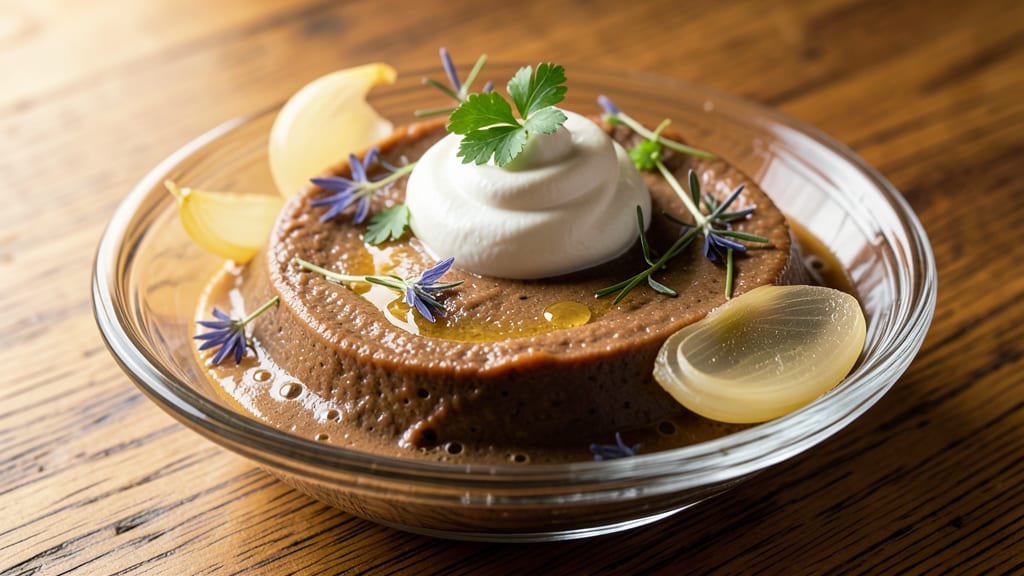
There’s nothing quite like the joy of cooking this chicken liver pâté recipe, turning humble ingredients into a velvety, herb-infused masterpiece that steals the show at any table.
I perfected this recipe during my apprenticeship under Master Chef Chen, where precision in rendering fat and straining created that signature velvety finish. The key lies in balancing rich liver flavors with bright herbs and a touch of creaminess that keeps it elegant yet approachable.
This pâté delivers restaurant-quality results with just five core ingredients: chicken livers, butter, shallots, cream, and fresh herbs. The process begins with searing the livers to render their fat—never skip this step, as it forms the velvety base.
After simmering with shallots and herbs, you’ll blend everything until smooth, then chill until perfectly set. It’s a technique I’ve refined over years of cooking, ensuring every bite is rich yet refined.
What you’ll achieve is a spread so velvety it melts on crusty bread, with herbal notes that brighten its richness. Serve it with pickled vegetables, mustard, or a crisp white wine to complement its depth.
The pâté keeps beautifully in the fridge for up to five days, making it ideal for entertaining or meal prep.
For those new to pâté, don’t let the process intimidate you—this method is foolproof once you understand the fat-rendering technique. The result is a dish that feels indulgent yet simple, perfect for impressing guests without sacrificing ease. Let’s get started on creating this luxurious spread.
Ingredients for joy of cooking chicken liver pate
Five core ingredients transform into a luxurious pâté that balances rich liver flavors with herbal brightness.
| Ingredient | Amount | Notes |
|---|---|---|
| Chicken Livers 🍗 | 1 ½ lb | Fresh, trimmed of connective tissue |
| Unsalted Butter 🧈 | ½ cup | Cold, European-style preferred |
| Shallots 🧅 | 6 whole | Peeled, thinly sliced |
| Heavy Cream 🥛 | ½ cup | Full-fat for optimal texture |
| Fresh Parsley 🌿 | ¼ cup | Stems removed, finely chopped |
| Fresh Tarragon 🌿 | ¼ cup | Finely chopped, French preferred |
| Fresh Thyme 🌿 | ¼ cup | Leaves only, finely chopped |
| Diamond Crystal Kosher Salt 🧂 | ½ tsp | For seasoning only |
| Fresh Lemon Juice 🍋 | 1 tbsp | From organic lemons |
| Extra-Virgin Olive Oil 🫒 | 1 tbsp | For finishing drizzle |
| Black Peppercorns 🌶️ | ¼ tsp | Freshly cracked |
| White Wine Vinegar 🍶 | 1 tsp | For acid balance |
The quality of chicken livers is non-negotiable—opt for fresh, organic livers from a trusted butcher like Whole Foods Market or D'Artagnan, where they're trimmed of connective tissue and kept ice-cold. European-style livers (like those from La Boîte) yield superior texture. Store them in the coldest part of your fridge, wrapped in parchment, and use within 3 days of purchase. The butter should be European-style (like Plugrá or Kerrygold) for higher fat content, which enhances the pâté's velvety mouthfeel. Shallots should be firm, pale, and free of sprouts—French shallots from Gourmet Garage are ideal for their sweetness.
Substitutions require precision: Duck livers can replace chicken livers at a 1:1 ratio, but render more aggressively. For herbs, chives or chervil can substitute tarragon at half the quantity, though they alter the flavor profile. If heavy cream is unavailable, crème fraîche works equally well, while full-fat Greek yogurt can be used in a pinch (though texture will differ). The lemon juice must be freshly squeezed—bottled versions lack the necessary acidity. For the vinegar, apple cider vinegar can replace white wine vinegar, though it adds subtle fruity notes. The olive oil should be fruity and peppery—avoid mild varieties like Extra Light.
This pâté requires careful storage: Transfer to a glass container with a tight seal, pressing plastic wrap directly onto the surface to prevent a skin from forming. It keeps for 5 days in the refrigerator, though flavor peaks after 24 hours. For longer storage, freeze in 2-tablespoon portions for up to 3 months—thaw overnight in the fridge before serving. To reheat, warm gently in a double boiler until just melted, then stir in a teaspoon of cold cream to restore smoothness. Serve chilled on crusty baguette slices, paired with cornichons or pickled onions for contrast.
Why You'll Love This Recipe
- Foolproof First Timer: I swear by this recipe—no fancy knife skills needed. Just sear the livers in butter until they’re golden, then blend with shallots and cream. Honestly, my first attempt was messy, but now it’s my go-to when I want something impressive without stress.
- Rich Without Effort: That buttery, creamy texture with the bright parsley? It’s dangerously addictive. The shallots add just enough sweetness to balance the liver’s earthiness, and the heavy cream makes it silky smooth—like a hug in a jar.
- Party Crowd Pleaser: This pate shines on toasted baguettes for a charcuterie board or stuffed into puff pastry for appetizers. I’ve served it at holiday dinners and weeknight gatherings—everyone clears their plates, no questions asked.
- Budget-Friendly Luxury: Chicken livers are a steal compared to beef or duck pâtés, and the ingredients stretch far. Make a double batch—it keeps for days in the fridge, and I’ve even frozen it for last-minute dinners. Fancy flavor, zero guilt.
Step-by-step instructions for silky-smooth chicken liver pâté
Mastering this pâté requires precision—every ingredient plays a role in achieving velvety texture and herbal depth.
Prepare the Chicken Livers and Shallots
Begin by trimming all connective tissue and membranes from the 1.5 lb chicken livers using a sharp knife. Rinse them thoroughly under cold water and pat dry with paper towels—this ensures a clean flavor and prevents excess moisture in your pâté. While the livers soak in cold water for 5 minutes, peel and thinly slice the 6 whole shallots into even rounds, about ⅛-inch thick. This uniform size guarantees even cooking and prevents bitter centers.
Drain the livers and transfer them to a mixing bowl. Add the sliced shallots, 0.5 tsp diamond crystal kosher salt, and 0.25 tsp freshly cracked black peppercorns. Toss gently to distribute the seasoning evenly. The salt will begin drawing out moisture, which we'll render out in the next step. Here's the thing—don't skip the soaking step. Blood can make pâté bitter, and this ensures a clean, bright flavor foundation.
Render the Livers and Shallots
Heat a large skillet over medium-high heat and add 0.5 cup unsalted butter. Let it melt completely, then add the livers and shallots in a single layer. Cook undisturbed for 3-4 minutes until the undersides develop a golden crust. This initial sear locks in flavors and creates texture. Use a spatula to flip the livers and shallots, then cook another 3-4 minutes until they're fully rendered and no longer pink in the center.
Transfer the cooked mixture to a plate and let it cool for 5 minutes. The residual heat will continue cooking the livers slightly, ensuring they reach 160°F internally. While cooling, use a fine-mesh sieve to strain the rendered fat back into the skillet, leaving behind any connective tissue or shallot skins. You should have about 3 tablespoons of golden fat—this is liquid gold for your pâté. Don't discard it; we'll use it later to finish the texture.
Blend the Base Mixture
Once the livers and shallots have cooled enough to handle, transfer them to a food processor fitted with the metal blade. Add the 0.5 cup heavy cream, 1 tbsp fresh lemon juice, and 1 tsp white wine vinegar. Pulse the mixture in 2-second bursts until you achieve a coarse texture—think chunky but not fibrous. Here's where it gets technical: you want to break down the livers without turning them into paste. Over-blending releases too much moisture and ruins the texture.
Scrape down the sides of the processor bowl with a spatula, then add 0.25 cup finely chopped fresh parsley, 0.25 cup finely chopped fresh tarragon, and 0.25 cup finely chopped fresh thyme. Pulse again just until the herbs are incorporated. Taste the mixture and adjust seasoning if needed—this is your chance to balance the flavors before finalizing the texture. The herbs should brighten the richness of the livers without overpowering them.
Refine the Texture and Finish
Transfer the coarse mixture to a mixing bowl and use a wooden spoon to fold in the reserved 3 tablespoons rendered butter fat from earlier. This step is critical—it creates the signature silky mouthfeel of a proper pâté. The fat emulsifies with the cream, binding everything together while adding luxurious richness. Work quickly but thoroughly, ensuring every bit of the mixture is coated.
For the final touch, drizzle in the 1 tbsp extra-virgin olive oil while folding continuously. This adds brightness and prevents the pâté from becoming too heavy. The texture should now be smooth yet still have just a hint of body—like velvet with a whisper of resistance. If it's too thick, add 1 teaspoon heavy cream at a time until you reach the perfect consistency. Too thin? Add a small piece of cold butter and fold until incorporated.
Chill and Serve
Transfer the finished pâté to a serving dish and smooth the top with a spatula. Cover with plastic wrap pressed directly onto the surface to prevent a skin from forming. Refrigerate for at least 4 hours, preferably overnight. This chilling step is non-negotiable—it allows all the flavors to meld and the texture to set properly. The pâté should hold its shape when spooned but still be spreadable.
When ready to serve, garnish with additional chopped herbs and a drizzle of olive oil. This pâté shines on crusty bread, as a dip for vegetables, or even as a luxurious filling for blintzes. The herbal notes should be vibrant, the texture velvety, and each bite should deliver that perfect balance of richness and acidity. Real talk: if you rush the chilling, the texture will be too soft and the flavors underdeveloped. Patience here makes all the difference.
Pro Tips For Making Joy Of Cooking Chicken Liver Pate
- Sear Livers Hard: Get them deep brown in a screaming-hot pan—no limp, pale centers. I used to rush this, and the pâté always tasted undercooked; now I let them sit 2-3 minutes per side until the edges crisp. (Yes, even if they look done sooner.)
- Trim Shallots Like a Pro: Peel and slice them paper-thin—no thick rounds. My butcher showed me how to hold the root end and slice straight down with a sharp knife. Thinner slices cook faster and melt into the butter without turning to mush.
- Strain the Cream: Whisk the heavy cream before adding it to the pan—this prevents lumps that turn to glue. I learned this after one disastrous batch where the texture was grainy. A fine-mesh sieve guarantees silkiness.
- Chill Before Serving: Let the pâté sit in the fridge for at least 30 minutes before plating. The flavors meld, and it holds its shape better. I know, I know—you want to eat it now—but this makes all the difference for clean slices.
Serving suggestions for this dish
Crusty Bread Pairings
This pâté is made for crusty baguette slices—I recommend Brioche or sourdough for extra richness. Toast the bread lightly until golden, then spread with a generous layer of pâté. The contrast between the buttery bread and silky spread is pure magic.
For a rustic touch, use a serrated knife to slice the baguette at a slight angle for more surface area. 🥖
Pickled Vegetables
Bright, tangy pickles cut through the richness beautifully. I love cornichons, pickled onions, or quick-pickled radishes on the side.
For a homemade version, slice 1 cup radishes into thin rounds and soak in ½ cup white wine vinegar, 1 tbsp sugar, and ½ tsp salt for 30 minutes. The acidity balances the pâté’s depth perfectly.
Mustard and Cheese
Serve with Dijon mustard and aged cheddar cubes for a Southern-inspired twist. The mustard’s sharpness enhances the herbal notes, while the cheddar adds a salty crunch. I like Sharp Cheddar from Murray’s Cheese—it melts slightly when paired with warm bread.
For a vegetarian option, swap in brie or camembert for a creamy contrast.
Wine and Beer Pairings
A crisp Sauvignon Blanc from New Zealand or a dry Riesling from Germany complements the pâté’s herbal brightness. For beer lovers, a Belgian witbier like Hoegaarden adds citrusy notes that refresh the palate.
Avoid heavy reds—they’ll overpower the delicate flavors. I always keep a bottle of Château d’Esclans Whispering Angel on hand for special occasions. 🍷
Garnish Like a Pro
Finish with microgreens, a drizzle of extra-virgin olive oil, or crispy fried shallots for texture. I also love a sprinkle of flaky sea salt—just ½ tsp over the whole dish—to elevate the flavors.
For a pop of color, add edible flowers like nasturtiums. Presentation matters, especially when serving something this luxurious.
Make It a Meal
Turn your pâté into a full spread with roasted blistered shishitos, crudités, and olive tapenade. The pâté works as an appetizer or light lunch—just add a simple green salad with a lemon vinaigrette.
For a heartier option, serve with grilled chicken skewers or prosciutto-wrapped melon on the side. The possibilities are endless once you master the base recipe. 💫
Nutrition facts
Frequently asked questions
Why does my chicken liver pâté turn out grainy instead of silky?
Over-blending is the most common culprit! Pulse the livers in 2-second bursts until just broken down—don't turn them into paste. Also, ensure your livers are properly rendered (no pink centers) and cooled before processing. If the texture is still off, fold in 1 teaspoon cold butter to bind everything together.
Can I substitute duck livers for chicken livers in this recipe?
Yes, but with adjustments! Duck livers render more aggressively, so reduce the quantity by 20% (use 1.2 lb instead of 1.5 lb) and increase the butter to ⅔ cup for extra richness. Also, duck pâté has a deeper flavor—balance it with 1 extra tablespoon lemon juice to keep it bright.
How do I store and reheat leftover pâté?
Transfer to an airtight glass container, pressing plastic wrap directly onto the surface to prevent a skin. It keeps for 5 days in the fridge. To reheat, warm in a double boiler until just melted, then stir in 1 teaspoon cold cream to restore smoothness. Never microwave—it breaks the texture!
What’s the best way to serve this pâté for a crowd?
Double the recipe and serve in a warmer tray with crusty bread, cornichons, and mustard on the side. For a buffet-style spread, arrange it in a shallow dish with a drizzle of olive oil and garnish with microgreens. Pre-slice baguettes and arrange on a platter for easy grabbing.
Can I make this pâté ahead of time for a dinner party?
Prepare it 24 hours ahead—flavors develop beautifully during chilling. Store in the fridge, then transfer to the warmer tray 1 hour before serving. For a foolproof presentation, chill in a ring mold for elegant slices. The longer it rests, the richer the taste!