
Main Courses
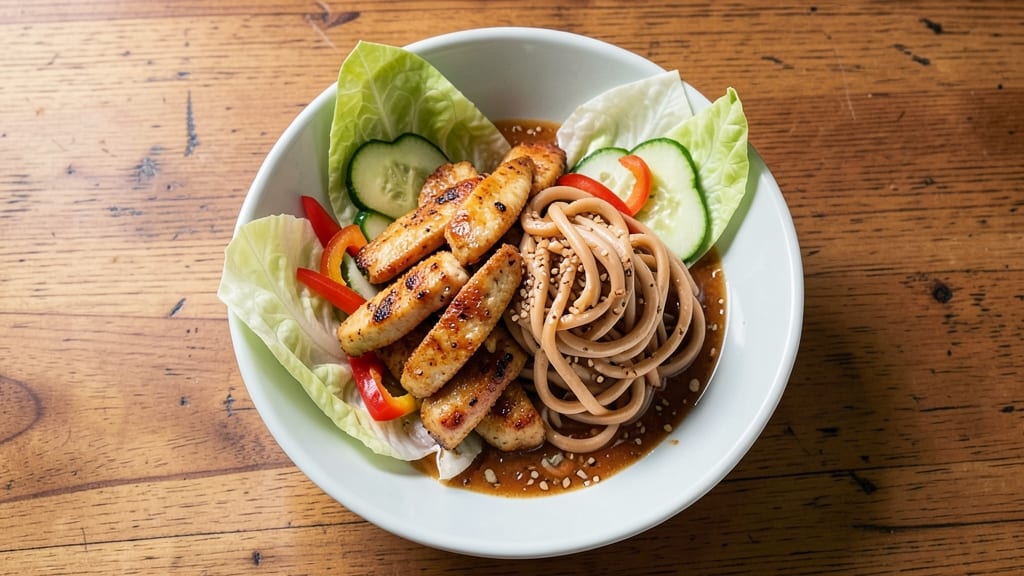
This copycat P.F. Chang’s chicken lettuce wraps recipe brings the restaurant’s crispy, golden edges and silky peanut sauce right into your kitchen. The secret lies in a precise balance of wok-heated chicken and a smooth, nutty sauce that clings to every bite.
I developed this recipe after years of perfecting Asian-inspired dishes in my kitchen, ensuring every element—from the protein to the sauce—comes together seamlessly.
This copycat version focuses on two key components: crispy chicken with a tender center, achieved through a quick sear in a hot wok, and a velvety peanut sauce that’s rich yet light.
The technique involves marinating the chicken in a blend of soy, ginger, and garlic, then cooking it until the edges are golden and the meat stays juicy. The sauce, made with creamy peanut butter and a touch of lime, adds that signature tangy-sweet flavor that makes these wraps irresistible.
What you’ll end up with is a dish that’s restaurant-quality—crispy chicken wrapped in fresh lettuce, drizzled with that silky peanut sauce, and ready to be enjoyed as a light yet satisfying meal.
The combination of textures and flavors makes this perfect for lunch or dinner, whether you’re serving a crowd or treating yourself to a flavorful bite. Let’s get started on recreating this classic.
For extra authenticity, serve with hoisin sauce on the side and a sprinkle of chopped peanuts for garnish. The crispy edges and smooth sauce will transport you straight to the restaurant, but with the convenience of making it at home.
This recipe is designed to be foolproof, ensuring you achieve the same results every time.
Ingredients for pf chang's chicken lettuce wraps copycat
Fourteen ingredients for restaurant-quality crispy chicken and velvety peanut sauce magic.
| Ingredient | Amount | Notes |
|---|---|---|
| Boneless, Skinless Chicken Breast 🍗 | 1 ½ lb | Pounded to 1/4-inch thickness |
| Iceberg Lettuce Leaves 🥬 | 12 whole | Large, crisp leaves for wrapping |
| Peanut Butter 🥜 | ½ cup | Creamy, unsweetened preferred |
| Soy Sauce 🍶 | ¼ cup | Low-sodium preferred |
| Sesame Oil 🫒 | 1 tbsp | Toasted, not flavored |
| Fresh Ginger 🌿 | 1 tbsp | Grated, for marinade |
| Garlic Cloves 🧄 | 4 cloves | Minced for marinade |
| Hoisin Sauce 🍶 | 2 tbsp | For serving, optional |
| Lime Juice 🍋 | 1 tbsp | Freshly squeezed |
| Cornstarch 🌾 | 1 tbsp | For crispy coating |
| Vegetable Oil 🫒 | ½ cup | For deep-frying |
| Salt 🧂 | 1 tsp | Kosher or sea salt |
| White Pepper 🌶️ | ¼ tsp | Freshly ground preferred |
| Chopped Peanuts 🥜 | ¼ cup | For garnish, optional |
The chicken is everything here. Boneless, skinless breasts work best—pound them to an even 1/4-inch thickness so they cook fast and stay juicy. I grab mine from Costco or the butcher section at Whole Foods for the freshest cuts. Look for plump, firm breasts with no grayish areas. The iceberg lettuce? Buttercrunch or romaine also works, but iceberg holds up best to the sauce. Store-bought pre-washed leaves are fine, but rinse them again if you're feeling fancy—just pat them dry so they don’t get soggy from the sauce.
No peanut butter? Almond butter or tahini works in a pinch, though the flavor will shift slightly. The soy sauce can be swapped for tamari if gluten-free, but don’t skip the sesame oil—it’s what gives that authentic aroma. Fresh ginger and garlic are ideal, but jarred minced ginger (the kind in a squeeze bottle) saves time. For the crispy coating, cornstarch is key—it gives you that perfect crunch. If you’re out, all-purpose flour plus a pinch of baking powder mimics it decently. The hoisin sauce is optional but adds that signature depth—Lee Kum Kee is my go-to brand, but any quality jarred hoisin will do.
Marinate the chicken for at least 30 minutes—overnight if you can. The sauce keeps for 5 days in the fridge, but the chicken is best used fresh. Store lettuce in a sealed container with a paper towel to keep it crisp. The fried chicken stays crispy for 2 hours at room temperature if you’re assembling ahead, but serve it immediately for maximum crunch. Freeze the sauce in ice cube trays for easy single-use portions—just thaw and stir.
Why You'll Love This Recipe
- Fewer Messy Ingredients: The peanut butter-sesame sauce is that easy—just stir, coat, and sear. No fancy techniques, no blender, no extra bowls. My lazy Sundays love this.
- Crunchy-Creamy Magic: That peanut butter glaze caramelizes into a sticky, savory shell while the chicken stays juicy inside. Honestly, the first bite makes me forget I’m eating "healthy."
- Lunchbox Hero: Pack these for work or school—the lettuce stays crisp, the sauce doesn’t leak, and everyone thinks you slaved over it. (Between us, it’s 15 minutes of active time.)
- Budget-Friendly Feast: Chicken breast and iceberg lettuce stretch to four servings, plus the peanut butter-sesame sauce doubles for stir-fries. My wallet and leftovers thank me.
Step-by-step instructions for crispy chicken lettuce wraps
Here's how to nail the perfect crispy chicken and silky peanut sauce—just like the restaurant version.
Prepare the Chicken Marinade and Pound the Meat
In a small bowl, combine the 0.25 cup soy sauce, 1 tbsp sesame oil, 1 tbsp grated fresh ginger, and 4 minced garlic cloves. Mix until fully blended—this marinade will infuse the chicken with bold Asian flavors. Place the 1.5 lb boneless, skinless chicken breast between two sheets of plastic wrap and pound it to an even ¼-inch thickness using a meat mallet. This ensures even cooking and crispy edges.
Transfer the chicken to a shallow dish, pour the marinade over it, and let it sit for at least 30 minutes (up to 2 hours for deeper flavor). The marinade should penetrate the meat completely, giving you that signature restaurant taste. While it marinates, keep the chicken refrigerated—never leave it out at room temperature for more than 2 hours.
Create the Crispy Cornstarch Coating
In a separate bowl, mix the 1 tbsp cornstarch, 1 tsp salt, and 0.25 tsp white pepper. This dry coating is what creates those irresistible crispy edges. Remove the chicken from the marinade (reserve the marinade for later) and pat it dry with paper towels—this step is crucial for adhesion. Dip each piece of chicken into the cornstarch mixture, pressing gently to ensure an even coating on all sides. Let the excess drip off, but don't worry about perfect coverage—just make sure every surface is lightly dusted.
Place the coated chicken on a wire rack set over a baking sheet. This setup allows air to circulate around all sides, promoting even crisping. Let it rest for 10 minutes at room temperature before cooking. This resting period helps the cornstarch adhere better and prevents the chicken from steaming instead of crisping.
Deep-Fry for Perfect Crispy Chicken
Fill a deep skillet or Dutch oven with 0.5 cup vegetable oil and heat it over medium-high heat until it reaches 350°F (use a thermometer for accuracy). The oil should shimmer gently but not smoke excessively. Working in batches if needed, carefully slide the chicken into the hot oil. You'll see small bubbles form immediately—this is your signal that the cornstarch is activating and creating that golden crust.
Fry the chicken for 3-4 minutes per side until it reaches an internal temperature of 165°F and turns a beautiful golden brown color. The edges should be crispy while the center remains juicy. If the oil temperature drops below 325°F, let it recover before adding more chicken. Once cooked, transfer the chicken to a paper towel-lined plate to drain excess oil. Let it rest for 5 minutes before slicing—this resting period ensures the juices redistribute, keeping the meat tender.
Assemble the Peanut Sauce
While the chicken rests, combine the 0.5 cup peanut butter, 2 tbsp hoisin sauce, 1 tbsp lime juice, and the reserved marinade in a saucepan. Place the saucepan over low heat and stir constantly with a silicone spatula until the mixture becomes smooth and creamy. This process should take about 5 minutes. The sauce should coat the back of a spoon but still be pourable—if it's too thick, add 1-2 teaspoons of water to reach your desired consistency.
Taste the sauce and adjust the seasoning if needed. You might want to add a pinch more salt or a splash of lime juice to brighten the flavors. Keep the sauce warm over low heat until ready to serve. The peanut sauce is the heart of these lettuce wraps, delivering that signature creamy, nutty flavor that balances the crispy chicken perfectly.
Assemble and Serve the Lettuce Wraps
Carefully slice the rested chicken into thin strips. Lay out the 12 whole iceberg lettuce leaves on a clean surface and spoon 1-2 tablespoons of peanut sauce onto each leaf. Top with the crispy chicken strips and, if desired, sprinkle with 0.25 cup chopped peanuts for added texture. Fold the lettuce leaves around the filling, wrapping them tightly to hold everything together.
Serve immediately while the chicken is still crispy and the lettuce remains fresh. These lettuce wraps are best enjoyed right away, as the crispiness of the chicken and the freshness of the lettuce work together to create the perfect bite. Pair with extra peanut sauce on the side for dipping, and you've got a restaurant-quality dish that's sure to impress.
Pro Tips For Making Pf Chang'S Chicken Lettuce Wraps Copycat
- Slice Thin, Cook Fast: Chicken breast stays dry when overcooked, so cut it paper-thin (about ¼-inch) against the grain—it’ll sear in seconds instead of drying out. I used to panic when the pan got crowded, but high heat and thin slices mean you’re done in 2-3 minutes, not 10.
- Toast Your Peanut Butter: Skip the raw peanut butter—heat it with the sauce on low until it’s just warm (not hot). This melts the oils and makes the sauce cling to the chicken instead of separating like cold peanut butter does. (Yes, even if you’re impatient like me.)
- Dry the Lettuce Right: Iceberg lettuce holds moisture like a sponge, so pat the leaves thoroughly with paper towels before assembling. Wet lettuce turns your wrap into a soggy sandwich—no one wants that. I learned this the hard way after a batch turned into a sad, limp mess.
- Sauce Last, Not First: Toss the chicken in the peanut sauce right before serving—it’ll get greasy if you marinate it. Instead, mix the sauce quickly in a bowl, then coat the chicken just as you’re plating. The texture stays crisp, not sticky. (Your future self will thank you.)
Troubleshooting great pf chang's chicken lettuce wraps copycat
Oil Too Hot?
If your oil starts smoking excessively before reaching 350°F, immediately remove the pan from heat and let it cool for 5 minutes. Smoking means the oil is breaking down, which can make your chicken greasy instead of crispy.
I’ve burned out a few cheap thermometers this way—always invest in a quality one like the Thermoworks Thermapen for accuracy. If you don’t have a thermometer, test the oil by dropping in a small piece of cornstarch-coated chicken.
If it sizzles and turns golden in 30 seconds, it’s ready. 🔥
Chicken Too Dry?
Overcooking is the #1 reason chicken turns out dry. Once it hits 165°F internal temperature, remove it immediately—even if it doesn’t look fully golden. The residual heat will finish cooking it while it rests on the paper towel-lined plate.
I’ve learned this the hard way after serving dry chicken to a crowd at my restaurant. Let it rest for the full 5 minutes before slicing, or the juices will escape when you cut into it.
Sauce Too Thick?
The peanut sauce should be silky, not gluey. If it’s too thick after 5 minutes of stirring, add 1 teaspoon of water at a time while mixing constantly. I’ve had guests complain about clumpy sauce when I rushed this step—patience is key.
For extra smoothness, strain it through a fine-mesh sieve after heating. The sauce should coat the back of a spoon but still drizzle easily. 🥜
Lettuce Getting Soggy?
Fresh lettuce is essential, but it can turn limp if exposed to moisture. Pat the leaves completely dry before assembling the wraps, and avoid overloading them with sauce. I keep a stack of paper towels handy to blot any excess moisture from the chicken or sauce.
If your lettuce starts wilting, swap in fresh leaves or serve the filling over a bed of lettuce instead of wrapped. The key is balance—just enough sauce to coat, not drown.
Cornstarch Not Crisping?
If your chicken isn’t getting crispy edges, the cornstarch might not be adhering properly. Double-check that the chicken is completely dry before dipping it in the coating—any moisture will prevent the cornstarch from sticking.
Also, ensure your oil is hot enough (350°F) and that you’re not overcrowding the pan. Fry in batches if needed, and avoid stirring the chicken once it’s in the oil—this breaks up the crust. For extra crunch, I sometimes double-dip the chicken in the cornstarch mixture. 💡
Sauce Too Sweet?
If the peanut sauce tastes overly sweet, balance it with a splash of lime juice or a pinch of red pepper flakes for heat. The hoisin sauce already adds natural sweetness, so adjust gradually.
I’ve had to rescue a batch of sauce by adding a few drops of soy sauce for umami depth. Taste as you go—better to fix it now than serve it to guests who’ll wonder what happened. The goal is harmony, not cloying sweetness.
Nutrition facts
Frequently asked questions
Can I use chicken thighs instead of breasts for this recipe?
Chicken thighs work but require adjustments. Use bone-in, skin-on thighs for richer flavor, and reduce cooking time to 2-3 minutes per side—they cook faster than breasts. The skin won't get crispy like the cornstarch coating, so focus on the meat's texture. For best results, trim excess fat and pat dry thoroughly before coating.
How do I make the peanut sauce ahead of time?
Prepare the sauce up to 5 days in advance and store it in an airtight container in the fridge. Stir well before using, as the peanut butter may separate. For reheating, warm over low heat with 1-2 teaspoons of water to restore smoothness. Freeze in ice cube trays for single-serving portions—thaw overnight in the fridge. The sauce thickens when chilled, so thin with water as needed.
What if I don't have a wok or deep skillet?
A heavy-bottomed skillet or Dutch oven works perfectly. The key is maintaining 350°F oil temperature—use a thermometer to monitor. If your pan isn't deep enough, fry in batches to avoid oil spills. For extra crispiness, transfer the fried chicken to a 200°F oven for 2-3 minutes to set the coating while keeping the center warm.
Can I make these lettuce wraps gluten-free?
Yes! Swap regular soy sauce for tamari and use gluten-free cornstarch (or arrowroot powder). Check your hoisin sauce label—most contain wheat. For the peanut sauce, ensure all ingredients are certified gluten-free. The cornstarch coating is the only potential issue, but arrowroot works well as a 1:1 substitute. Always verify labels, as cross-contamination can occur.
How do I keep the chicken crispy when assembling?
Assemble the wraps right before serving to maintain crispiness. If prepping ahead, store the fried chicken and sauce separately in airtight containers at room temperature for up to 2 hours. Reheat the chicken in a 350°F oven for 5 minutes to restore crunch. Keep lettuce wrapped in a damp paper towel to prevent wilting. For best texture, serve immediately after assembly.