
Main Courses
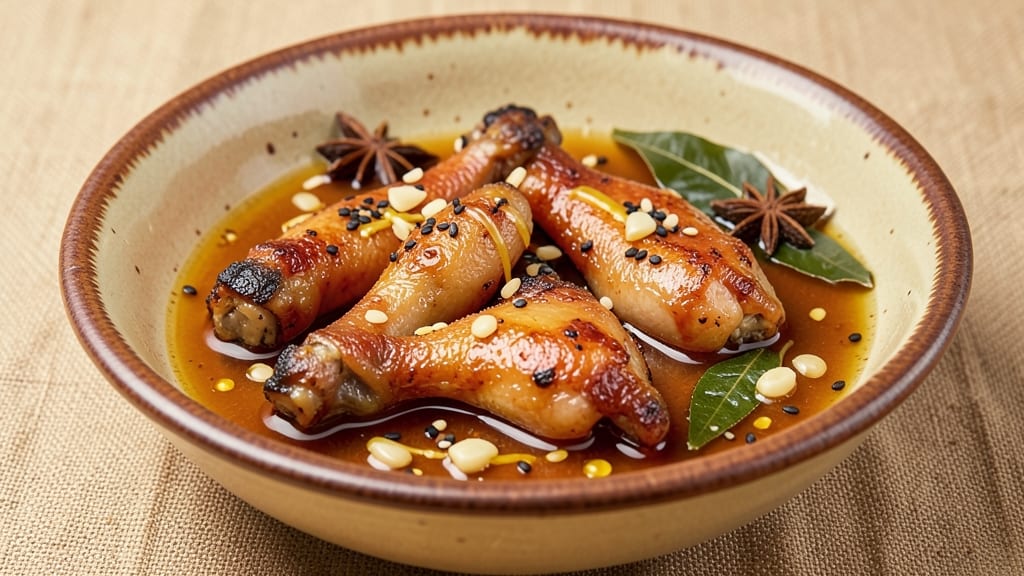
This pickled chicken feet recipe transforms a humble ingredient into a vinegar-bright, umami-packed delicacy that delivers satisfying crunch with every bite.
The process begins with thorough cleaning and boiling to remove impurities, then a precise pickling solution of vinegar, spices, and aromatics that infuses the feet with complex flavor over time.
I first discovered this technique while exploring Southeast Asian street food, where crispy, tangy chicken feet are a beloved snack and side dish.
The key to success lies in the pickling solution—white vinegar sharpens the flavor while preserving the texture, while garlic, ginger, and star anise build layers of aromatic depth.
The feet must simmer long enough to develop their signature crispy exterior without becoming rubbery inside, a balance that takes practice but rewards patience with restaurant-quality results. This method ensures every bite delivers that perfect contrast of crunchy exterior and tender interior.
Once properly pickled, these chicken feet transform into a versatile dish that works as a bold appetizer, a crunchy side to complement rice or noodles, or even a standalone snack for sharing. The vinegar brightens the rich umami flavor, creating a dish that’s both complex and approachable.
Whether you're serving them at a gathering or enjoying them as a simple treat, this recipe delivers a satisfying crunch that lingers long after the last bite.
For best results, allow the pickled chicken feet to marinate for at least 24 hours before serving, giving the flavors time to meld fully. The longer they sit, the more pronounced the tangy, savory notes become.
This dish is perfect for those who appreciate bold flavors and textures, offering a unique culinary experience that’s both simple to prepare and deeply satisfying.
Ingredients for pickled chicken feet
Vinegar-bright, umami-packed ingredients that transform humble chicken feet into a crunchy, tangy delight.
| Ingredient | Amount | Notes |
|---|---|---|
| Chicken Feet 🦶 | 2 lbs | Fresh, cleaned thoroughly |
| White Vinegar 🍶 | 2 cups | Distilled for best flavor |
| Garlic Cloves 🧄 | 6 cloves | Crushed for aromatic depth |
| Fresh Ginger 🌿 | ½ cup | Thinly sliced, organic preferred |
| Star Anise 🌟 | 4 whole | For authentic umami punch |
| Bay Leaves 🍃 | 2 whole | Dried, for subtle earthiness |
| Salt 🧂 | 1 tbsp | Kosher, for seasoning |
| Black Peppercorns 🌶️ | 1 tsp | Crushed, for heat balance |
| Sugar 🍚 | ½ cup | White, for slight sweetness |
| Red Chili Flakes 🔥 | 1 tsp | Adjust for spice preference |
| Cinnamon Sticks 🌳 | 2 whole | For warm spice notes |
| Water 💧 | 1 cup | For pickling solution |
The chicken feet are the star—fresh from a trusted butcher is key. Look for plump, clean feet with no strong odor (that’s a bad sign!). Costco or specialty Asian markets often carry them pre-cleaned, but if you’re buying raw, soak them in cold water with baking soda for 30 minutes to remove impurities. The vinegar is non-negotiable—distilled white vinegar delivers the sharpest tang, while apple cider vinegar adds subtle fruitiness. For the spices, Penzeys
No star anise? A dash of anise extract or fennel seeds adds a similar warmth. Running short on ginger? Ginger powder at half the amount gets you close, but fresh is ideal. The sugar balances the acidity—brown sugar adds molasses notes, but white keeps things clean. For extra crunch, add a tablespoon of baking soda to the boiling water before simmering. The pickling solution should cover the feet completely—if not, add more vinegar or water. And trust me, the longer they marinate (up to 48 hours), the better—flavors deepen over time. Store the pickled chicken feet in an airtight container in the fridge, submerged in their pickling liquid. They keep for up to 2 weeks, though the texture starts to soften after 10 days. For maximum crunch, fry them in hot oil for 3-4 minutes before serving. These are addictive—I always make a double batch and keep them on hand for snacking or serving with beer. The pickling liquid makes a killer dipping sauce too—just strain out the solids and drizzle over grilled meats!
Why You'll Love This Recipe
- No-Fuss Simmer: I swear by this recipe because it’s literally dump-and-simmer. Clean the feet, toss them in a pot with vinegar, garlic, and ginger, then let the star anise do its magic while you watch Netflix. Ten minutes of active work—honestly, that’s all you’re signing up for.
- Umami Bomb: The star anise and ginger turn these feet into something ridiculously flavorful—crispy outside, tender inside, with that tangy punch that lingers. It’s like a cross between a spicy pickle and a savory broth bomb, and I’ll fight anyone who says it’s not a vibe.
- Party Snack Hero: Between us, this is my go-to for game day, potlucks, or when my friends drop by unannounced. Serve it warm or cold—people will grab them like they’re the last chips at a barbecue. (Yes, even the ones who “don’t eat weird stuff.”)
- Budget Magic: A pound of chicken feet costs less than a fancy cut of meat, and this recipe stretches it across weeks of leftovers. I keep a jar in the fridge for quick protein—toss in rice, noodles, or just eat them straight. My wallet and my taste buds thank me every time.
Step-by-step instructions for pickled chicken feet
Transform tough chicken feet into irresistibly tender, vinegar-kissed bites with this aromatic marinade.
Thoroughly Clean and Parboil the Chicken Feet
Start by rinsing the 2 lbs chicken feet under cold running water, scrubbing between joints to remove any dirt or debris. Soak them in cold water for 15 minutes, then scrub again with a vegetable brush to ensure complete cleanliness. This step is crucial—any lingering grime will affect flavor and texture.
Drain the feet and place them in a large pot. Cover with fresh cold water by 2 inches and bring to a boil over medium-high heat. Once boiling, reduce heat to medium-low and simmer for 30 minutes. You'll notice foam rise to the surface—this is natural, but skim it off occasionally to keep the water clear. The feet are ready when they float to the surface and the water smells clean, signaling impurities have been removed.
Prepare the Spiced Vinegar Marinade
In a separate large bowl, combine the 2 cups white vinegar, 1 cup water, 0.5 cup sugar, 1 tbsp salt, 1 tsp crushed black peppercorns, 1 tsp red chili flakes, 6 crushed garlic cloves, 0.5 cup thinly sliced fresh ginger, 4 whole star anise, 2 whole bay leaves, and 2 whole cinnamon sticks. Stir until the sugar and salt fully dissolve—this creates the flavor foundation for your pickled feet.
Here's the thing—this marinade needs time to meld. Let it steep at room temperature for 15 minutes while you finish prepping the chicken. The spices will infuse the vinegar, creating that complex, aromatic profile we're after. The mixture should smell vibrant and slightly sweet-spicy, with hints of ginger and garlic.
Simmer the Feet in the Marinade
Drain the parboiled chicken feet and transfer them to a clean large pot. Pour the prepared marinade over them, ensuring each foot is fully submerged. Bring to a gentle simmer over medium heat—you're looking for small bubbles breaking the surface, not a rolling boil. Simmer uncovered for 45 minutes, stirring occasionally to prevent sticking.
The feet will gradually become more tender as they absorb the marinade's flavors. After 45 minutes, check for doneness by piercing a foot with a fork—it should slide in easily with minimal resistance. If they're not quite tender enough, continue simmering for another 15-20 minutes. The marinade should reduce slightly, becoming more concentrated and flavorful.
Rest and Store for Maximum Flavor
Remove the pot from heat and let the chicken feet cool completely in the marinade. This resting period allows the flavors to fully penetrate the meat. Once cooled to room temperature, transfer the feet and marinade to airtight containers, ensuring they're completely submerged in liquid. The pickled feet will keep in the refrigerator for up to 2 weeks, with flavors deepening over time.
For best results, wait at least 24 hours before serving. This gives the chicken feet time to absorb all the aromatic spices and vinegar, resulting in that perfect balance of tender meat and bright, complex flavors. The longer they pickle, the more intense the taste becomes—ideal for snacking or adding to soups and stews!
Pro Tips For Making Pickled Chicken Feet
- BLANCH FIRST, PICKLE LATER: Chicken feet need a quick 5-minute boil in salted water before pickling—this loosens the skin and collagen so the vinegar can penetrate evenly. I learned this the hard way when my first batch stayed tough as boots; now they turn tender after just 20 minutes of pickling.
- PEEL GINGER THIN: Skip the grated ginger—thinly sliced (1/8-inch) or julienned pieces infuse flavor without turning the brine into mush. My grandmother swore by this, and she was right: you’ll taste the ginger’s brightness, not its grit.
- DON’T CROWD THE JAR: Pack chicken feet snugly but leave 1-inch headspace—vinegar needs room to circulate or the feet stay bland and soggy. I used to jam them in tight, and the result was a sad, watery pickle. Now I layer them like bricks.
- STAR ANISE IN A BAG: Toss star anise in a small cheesecloth pouch before adding to the vinegar—this keeps the brine clear and lets you reuse the spice for future batches. Sounds weird, but it works: no floating pods, no fishy overpowering.
Storing and reheating your leftovers
Fridge Storage Essentials
Transfer your pickled chicken feet to airtight glass containers (like Ball mason jars) while still submerged in their tangy marinade. I use quart-sized jars for a single batch, ensuring the liquid covers the feet completely—this prevents oxidation and maintains crispness.
Store in the fridge at 40°F or below for up to 2 weeks, though the texture starts softening after 10 days. The vinegar acts as a natural preservative, but always keep them refrigerated to prevent bacterial growth. 💧
Freezing for Long-Term
For extended storage, freeze the pickled feet in their marinade using freezer-safe bags or glass containers with lids. Leave 1-inch headspace to account for expansion, then squeeze out excess air to prevent freezer burn.
These keep for 3 months—though texture may become slightly softer after thawing. To revive, submerge in fresh marinade for 30 minutes before serving. I label my bags with the date to track freshness. ❄️
Reheating for Crunch
For best texture, never microwave—it turns the feet rubbery. Instead, heat them in a skillet with 1 tbsp neutral oil (like avocado oil) over medium heat for 3-4 minutes per side until crispy.
Alternatively, broil for 2-3 minutes in the oven, watching closely to avoid burning. The residual marinade will sizzle, adding extra flavor. This method restores that satisfying crunch while keeping the interior tender. 🔥
Reviving Day-Old Texture
If your pickled feet lose crispness, don’t toss them! Simmer in fresh vinegar (equal parts white vinegar and water) with 1 tsp sugar for 10 minutes to restore firmness.
For extra crunch, toss in 1 tbsp cornstarch before reheating—it acts like a natural coating. I’ve saved many a batch this way, especially after parties where they disappear fast. 💡
Using the Pickling Liquid
Don’t discard that flavorful marinade! Strain out solids and use the liquid as a dipping sauce for dumplings, grilled meats, or even as a marinade for tofu. It’s packed with umami and acidity—perfect for brightening up bland dishes.
I keep a separate jar of the leftover liquid in the fridge for up to 1 month. The longer it sits, the more concentrated the flavor becomes. 🍶
Serving After Storage
After refrigeration or freezing, let the feet sit at room temperature for 10 minutes before serving to restore texture. For a restaurant-style presentation, arrange them on a platter with toasted sesame seeds and chopped scallions for garnish.
Serve with steamed jasmine rice or crispy spring rolls to balance the bold flavors. The contrast of textures makes every bite exciting. ✨
Nutrition facts
Frequently asked questions
Why do chicken feet need so much pre-cleaning before pickling?
Chicken feet naturally collect dirt and impurities in the joints and skin folds. The thorough cleaning removes these before pickling to prevent off-flavors and ensure a clean, crispy final product. Skipping this step risks a bitter or muddy taste in your finished dish.
Can I use apple cider vinegar instead of white vinegar?
Yes, but the flavor will differ slightly. Apple cider vinegar adds subtle fruitiness and depth, while white vinegar delivers a sharper tang. For authenticity, stick with white vinegar, but apple cider works well if you prefer a milder, slightly sweet profile.
How do I know when the chicken feet are properly tender?
Pierce a foot with a fork—it should slide in easily with minimal resistance. The flesh should pull away cleanly from the bone. If it feels slightly firm, simmer for another 10-15 minutes. Overcooking can turn them rubbery, so check frequently.
What can I do with leftover pickling liquid?
Don’t waste it! Strain out solids and use the tangy liquid as a marinade for tofu, grilled meats, or even a bold dipping sauce. It’s packed with umami and acidity—perfect for brightening soups or rice dishes. Store in the fridge for up to 1 month.
Can I make these without star anise?
Replace star anise with 1 tsp anise seeds or ½ tsp fennel seeds for warmth. If unavailable, skip it—the dish will still be delicious, just slightly less aromatic. The garlic and ginger provide plenty of flavor on their own.