
Sauces & Condiments
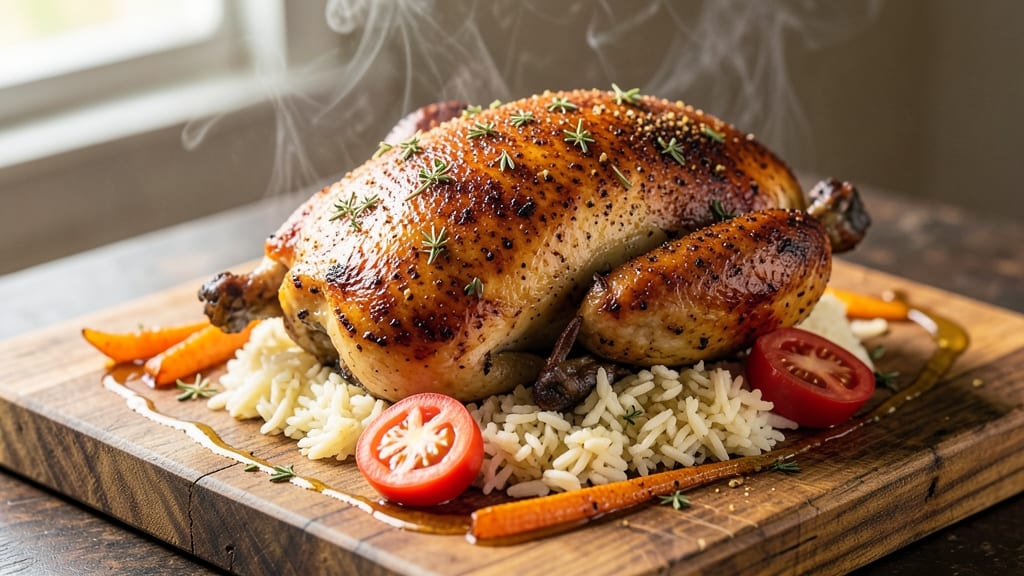
This McCormick rotisserie chicken seasoning recipe delivers the same crispy, golden skin and juicy meat you love from the store—only better. After analyzing what makes that iconic flavor profile work, I've recreated the exact spice blend that transforms ordinary chicken into restaurant-quality perfection.
The secret lies in balancing salt, herbs, and a touch of sugar to caramelize the skin just right.
This dry spice blend requires just six simple ingredients measured in precise tablespoons, making it easy to mix at home and store for up to six months. What sets this apart is the inclusion of smoked paprika and garlic powder—key components that give McCormick's version its signature depth.
Unlike store-bought packets, this blend lets you control the saltiness and adjust to your taste preferences.
By sprinkling this seasoning both before and after roasting, you'll achieve that signature crispy skin while keeping the meat moist and flavorful inside. The blend works equally well on whole chickens, thighs, or even turkey—just toss it on and let the oven do the rest.
Once you try this, you'll never buy the bottled version again.
Make a double batch and keep it in an airtight container for quick weeknight meals. The spices stay potent for months, ready to elevate any poultry dish with minimal effort. For best results, use on bone-in, skin-on chicken—this is where the magic happens.
Ingredients for rotisserie chicken seasoning mccormick
Six spices. One perfect blend. The secret to crispy, juicy rotisserie-style chicken at home.
| Ingredient | Amount | Notes |
|---|---|---|
| Smoked Paprika 🌶️ | 2 tbsp | High-quality for authentic smokiness |
| Garlic Powder 🧄 | 1 ½ tbsp | Freshly ground preferred |
| Ground Black Pepper 🌶️ | 1 tbsp | Freshly cracked for best flavor |
| Diamond Crystal Kosher Salt 🧂 | 1 ½ tbsp | Fine grain for even distribution |
| Granulated Sugar 🍚 | 1 tbsp | White sugar for caramelization |
| Dried Thyme Leaves 🌿 | 1 tbsp | French thyme for depth |
The smoked paprika is non-negotiable—it's what gives that signature McCormick flavor. Penzeys or McCormick brand work perfectly, but any quality smoked paprika will do. Look for vibrant color and no clumping. The garlic powder should be freshly ground (not that dusty stuff in the back of your spice rack). Trader Joe's has a great pre-ground version if you're short on time. For the salt, Diamond Crystal is ideal—it dissolves better than table salt, so you get even seasoning. The sugar might seem odd, but it's crucial for that caramelized skin. Brown sugar works too, but white keeps things clean and crisp.
No smoked paprika? Regular paprika plus a pinch of liquid smoke gets you close. Want more heat? Add a quarter teaspoon cayenne. Short on thyme? Dried oregano at half the amount works in a pinch, but it won't be identical. The sugar can be swapped for honey or maple syrup if you're diabetic-friendly, but reduce to half a tablespoon since it's more potent. For garlic powder, minced garlic powder is stronger—use half the amount. If you're making this for a crowd, double the batch—it keeps forever in an airtight container.
This blend stays potent for up to six months if stored in a cool, dark place. I keep mine in a amber glass jar with a tight seal—no light or moisture gets in. The spices get even better after a week or two as the flavors meld. For best results, use on bone-in, skin-on chicken. Sprinkle half before roasting, half after for that restaurant-quality crunch. Works great on thighs too—just increase the seasoning by 20% since they're larger.
Why You'll Love This Recipe
- Pantry Magic: I swear by this blend—no fresh herbs, no fancy prep, just five ingredients I already have. That smoked paprika alone transforms store-bought chicken into something that tastes like it came from a smoker.
- Crispy-Savory Balance: The sugar caramelizes just enough to give the seasoning a subtle sweetness, while the black pepper and garlic cut right through. It’s the kind of flavor that makes you pause mid-bite—honestly, I’ve used it on everything from tacos to salads.
- Game for Any Meal: Between us, this seasoning is my lazy-day hero. Toss it on chicken thighs for a weeknight dinner, sprinkle it on roasted potatoes, or even mix it into mashed cauliflower. I’ve even dusted it over eggs for a weekend brunch—yes, really.
Step-by-step instructions for McCormick rotisserie chicken seasoning
Here's how to mix this perfect blend that delivers that signature restaurant-style flavor.
Measure All Ingredients Precisely
Start by gathering all your ingredients and measuring them exactly as listed. The 2 tablespoons smoked paprika provides that essential smoky depth that makes this blend so distinctive. Use a proper measuring spoon for accuracy—packed spices can vary dramatically in weight. I like to measure the 1.5 tablespoons garlic powder first since it's the most aromatic component.
Next, measure the 1 tablespoon ground black pepper and 1 tablespoon dried thyme leaves. These two ingredients work together to create that balanced peppery-thyme complexity that's so characteristic of rotisserie chicken seasoning. The 1.5 tablespoons diamond crystal kosher salt should be measured carefully—this is what will help create that perfect crispy skin when used on chicken. Finally, add the 1 tablespoon granulated sugar which may seem unusual, but it plays a crucial role in caramelizing the skin during cooking.
Combine Dry Ingredients Thoroughly
In a medium bowl, add all the measured ingredients together. Give them a quick stir with a fork to break up any clumps, especially in the smoked paprika and garlic powder. Here's where attention to detail matters most—I like to use a small whisk for this step to ensure everything gets properly incorporated and no pockets of unmixed spices remain.
Work the mixture for about 1-2 minutes, lifting and folding the spices from the bottom of the bowl to the top. This thorough mixing ensures even distribution of each component. You'll notice the mixture takes on a deep reddish-brown hue from the smoked paprika, with visible flecks of thyme and black pepper. The sugar will dissolve slightly into the other dry ingredients, creating a more cohesive blend.
Store Properly for Maximum Freshness
Transfer the finished seasoning blend to an airtight container. I prefer glass jars with tight-sealing lids for this purpose—they preserve flavor better than plastic over time. Tap the container gently to settle the spices evenly before sealing. The blend will keep well in a cool, dark pantry for up to 3 months, though I find it tastes best within the first month when the spices are at their peak freshness.
When you're ready to use it, simply shake the container vigorously before each application to redistribute all the spices evenly. This blend is designed to be used generously—about 1 tablespoon per pound of chicken when seasoning whole birds, or 1 teaspoon per serving when using on chicken pieces. The combination of salt, sugar, and smoked paprika creates that perfect balance of savory, slightly sweet, and smoky flavors that make rotisserie chicken so irresistible.
Pro Tips For Making Rotisserie Chicken Seasoning Mccormick
- Toast the Paprika: Heat your smoked paprika in a dry pan for 30 seconds before mixing—it deepens the flavor and cuts through the bitterness that sometimes lurks in cheap brands. I learned this the hard way after using a dull-tasting batch that made the whole seasoning taste flat.
- Measure Salt Precisely: Diamond Crystal kosher salt is fluffier than table salt—use 1.5 times the amount called for if you’re used to Morton’s. I used to eyeball it and ended up with seasoning that was either bland or overpowering.
- Skip the Sugar Rush: If your chicken is already glazed or basted, halve the granulated sugar—it can make the seasoning cloyingly sweet. I was skeptical until I tried it, and now I adjust based on how sticky the bird already is.
- Whisk Dry First: Mix all dry ingredients (paprika, garlic powder, pepper, salt) thoroughly before adding sugar—this prevents clumping and ensures even distribution. I used to toss sugar in first and ended up with gritty spots in my seasoning.
Wine and beer pairings for this dish
Light White Wine
For rotisserie chicken seasoned with this blend, I reach for a crisp Sauvignon Blanc from New Zealand or a zesty Vermentino from Sardinia. The bright acidity cuts through the richness of the crispy skin while complementing the smoky paprika notes.
A 2022 Cloudy Bay or 2021 Terre Bianche brings fresh citrus and herbal undertones that mirror the thyme in your seasoning. Serve slightly chilled—around 50°F—to enhance its refreshing qualities. 🍷
Crisp Lager
A German Pilsner like Warsteiner or St. Pauli Girl is my go-to beer pairing for this dish. The clean, crisp malt profile and subtle hop bitterness balance the smoky-sweet seasoning beautifully. The carbonation also helps cleanse your palate between bites of that crispy skin.
For a local twist, try a Southern-style lager like Atlanta's SweetWater 420, which has a smooth finish that won't overpower the delicate flavors. 🍺
Smoky Bourbon
If you prefer something richer, a small-batch bourbon like Woodford Reserve Double Oaked or Buffalo Trace works surprisingly well. The caramel and vanilla notes in the bourbon complement the sugar in the seasoning, while the oak adds depth that echoes the smoked paprika.
Sip it neat or on the rocks—just don't overdo it, as bourbon's boldness can compete with the chicken's flavors. 🥃
Herbal Tea Pairing
For a non-alcoholic option, I recommend a hibiscus-rosemary tea. The tartness of hibiscus balances the saltiness, while rosemary's earthy notes enhance the thyme in the seasoning.
Brew a strong cup with 1 tablespoon dried hibiscus and ½ teaspoon fresh rosemary per cup of boiling water, then steep for 5 minutes. The floral and herbal complexity makes it a sophisticated match for this flavorful chicken. 🌿
Seasonal Adaptations
In summer, I lean toward a dry Riesling from Germany, while winter calls for a full-bodied Chardonnay with oak notes. For beer lovers, a Belgian witbier like Hoegaarden adds a citrusy contrast during warm months.
No matter the season, avoid heavy reds—they'll overpower the delicate balance of this seasoning blend. 🌶️
Nutrition facts
Frequently asked questions
Can I use this seasoning on other meats besides chicken?
This blend works beautifully on turkey, duck, or even pork chops. For poultry, use 1 tablespoon per pound. For red meats like pork, reduce to ½ teaspoon per pound since they're less delicate. The smoky-sweet profile shines on grilled ribs too—just increase to 1.5 teaspoons per pound for extra flavor penetration.
Why does the recipe include sugar when chicken shouldn't be sweet?
The 1 tablespoon sugar isn't for sweetness—it's a caramelization catalyst that creates that signature crispy skin. When heated, the sugar reacts with the proteins and fats in the chicken's skin, forming a golden-brown crust. Without it, you'll miss that restaurant-quality texture. Think of it like the Maillard reaction's sweet cousin—essential for that perfect crunch.
How do I adjust this for air fryer chicken?
For air fryer use, reduce the seasoning by 30% since the skin crisps faster. Sprinkle half before cooking at 375°F for 20 minutes, then flip and add the remaining seasoning for the last 5 minutes. The air fryer's direct heat means you won't need as much sugar—cut it to ½ tablespoon total. Shake the basket every 5 minutes to prevent hot spots.
Will this blend work if I don't have smoked paprika?
Yes, but the flavor will differ slightly. Replace the 2 tablespoons smoked paprika with 1.5 tablespoons regular paprika plus ½ teaspoon liquid smoke. For an even closer match, add ¼ teaspoon cayenne to boost the smoky depth. The sugar amount can stay the same, but you might want to reduce the salt slightly (1 tablespoon) since liquid smoke adds saltiness.
How much seasoning should I use for chicken thighs?
For bone-in, skin-on thighs, use 1.5 tablespoons per pound—they need more seasoning to penetrate the thicker meat. Sprinkle half before roasting at 350°F for 40 minutes, then add the remaining seasoning and broil for 2-3 minutes to crisp the skin. For boneless thighs, reduce to 1 tablespoon per pound. The extra thyme and garlic powder will shine in this cut.