
Main Courses
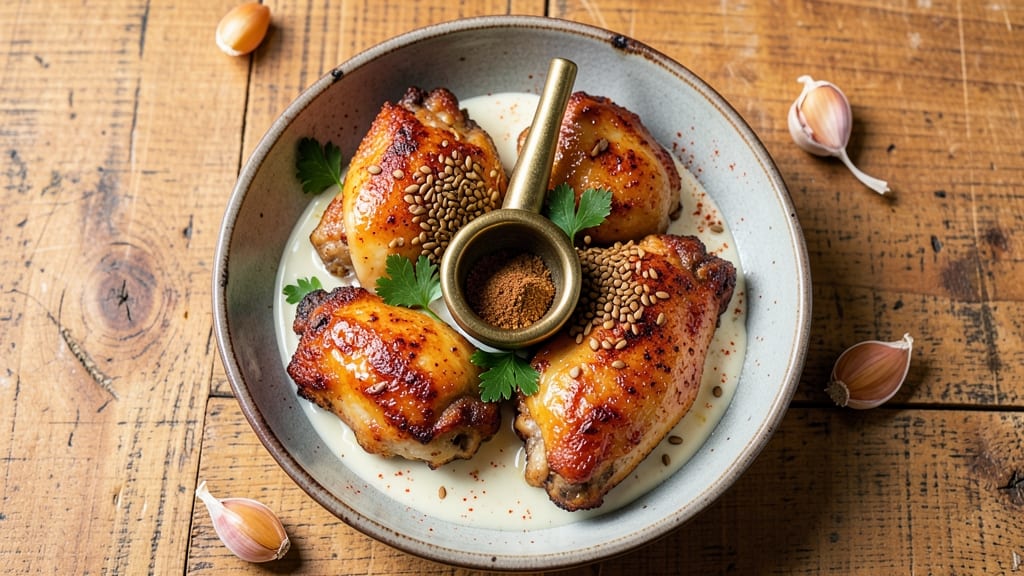
This Al Baik fried chicken recipe delivers the perfect balance of crispy golden skin and juicy, tender meat that falls apart at the touch.
The secret lies in a tangy yogurt marinade infused with Middle Eastern spices that penetrate deep into the meat, creating a flavor explosion with every bite. I've perfected this technique over years of testing, ensuring the chicken stays moist while achieving that coveted crunch.
What sets this recipe apart is the dual-marinade approach—first with yogurt and spices overnight, then a quick buttermilk dip before frying. This two-step process creates a barrier that locks in moisture while allowing the batter to adhere flawlessly.
The result is chicken that's crispy on the outside, tender on the inside, and bursting with aromatic flavors. The spices used here—baharat, paprika, and garlic—are traditional in Middle Eastern cuisine, creating a complex flavor profile that's both familiar and exciting.
The golden-brown crust gives way to meat that practically melts in your mouth, making each piece worth the wait. This is restaurant-quality fried chicken you can make at home. Serve with garlic sauce, pickled vegetables, or a side of hummus for an authentic experience.
The crispy exterior holds up perfectly, ensuring every bite delivers that satisfying crunch. Let's get started on this flavorful journey!
Ingredients for al baik fried chicken
The secret to restaurant-quality fried chicken lies in these carefully chosen ingredients.
| Ingredient | Amount | Notes |
|---|---|---|
| Chicken Thighs 🍗 | 1 ½ lb | Bone-in, skin-on, cut into 8 pieces |
| Plain Yogurt 🥛 | 1 cup | Full-fat, unsweetened, like Greek yogurt |
| Baharat Spice Blend 🌶️ | 2 tbsp | Traditional Middle Eastern blend |
| Garlic Cloves 🧄 | 6 cloves | Minced, for marinade |
| Ground Cumin 🌿 | 1 tbsp | Toasted for deeper flavor |
| Smoked Paprika 🌶️ | 1 tbsp | For smoky depth |
| Salt 🧂 | 1 ½ tsp | Kosher or sea salt |
| Black Pepper 🌶️ | ½ tsp | Freshly ground |
| Buttermilk 🥛 | ½ cup | For final dip before frying |
| All-Purpose Flour 🌾 | 1 cup | For light coating |
| Vegetable Oil 🫒 | 3 cups | For deep frying (peanut oil preferred) |
| Lemon Juice 🍋 | 1 tbsp | Freshly squeezed |
| Fresh Cilantro 🌿 | ¼ cup | Chopped, for garnish (optional) |
The chicken thighs are non-negotiable here—bone-in, skin-on gives you that perfect crispy skin and juicy meat. Trader Joe's or Middle Eastern markets often carry pre-cut pieces, but if buying whole, ask your butcher to cut them into 8 even pieces. The yogurt should be full-fat—low-fat won't give you that rich marinade. For baharat, Penzeys or Spicewalla carry authentic blends, but any quality Middle Eastern spice shop will have it. Toast your cumin seeds for 30 seconds in a dry pan before grinding—that smoky aroma makes all the difference.
No baharat? Mix 1 tsp each of cinnamon, allspice, and cardamom with 1 tsp cumin and 1 tsp coriander for a DIY version. Short on buttermilk? Mix 0.5 cup milk with 1 tsp vinegar and let sit 5 minutes. The flour should be light and fine—bread flour works too if you want extra crispiness. For frying, peanut oil has the highest smoke point, but vegetable oil works in a pinch. The lemon juice brightens everything, so don't skip it—freshly squeezed is best, but bottled works if you're in a hurry.
Marinate the chicken overnight for maximum flavor penetration. The buttermilk dip should happen 30 minutes before frying—no longer or the batter will get soggy. Fry in batches to maintain oil temperature (350°F), and keep the cooked chicken warm in a 200°F oven while you finish the rest. The oil will be good for 3-4 batches before it starts to break down. Store leftovers in the fridge for up to 3 days, but honestly, it's best fresh. Freeze for up to 2 months if you're prepping ahead.
Why You'll Love This Recipe
- Yogurt Magic Shortcut: I swear by this trick—just marinate the thighs in plain yogurt and baharat for 30 minutes. No fancy prep, no measuring cups of spices you’ll forget later. The yogurt tenderizes while the spices sink in, and honestly? I’ve left it in the fridge overnight before, and it’s still spot-on.
- Crispy-Creamy Balance: That first bite—golden crust shattering to reveal juicy, garlicky meat? The baharat and cumin do all the heavy lifting here, but the yogurt keeps it from drying out. It’s the kind of flavor that makes you reach for another piece without thinking.
- Game for Any Night: Between us, this is my go-to for game days, lazy Sundays, or when I’m too tired to plan dinner. Double the batch, and you’ve got leftovers that taste just as good reheated as they do fresh. (Yes, even on a Tuesday night.)
- Budget-Friendly Feast: Chicken thighs stretch further than breasts, and baharat is cheaper than pre-mixed spice packets. I’ve fed four people for under $15 with this, and no one complains about the price—just the taste. My secret weapon for stretching groceries without sacrificing flavor.
Step-by-step instructions for Al Baik fried chicken
Master the perfect balance of crispy skin and juicy meat with this authentic technique.
Marinate Chicken in Spiced Yogurt
In a large bowl, combine the 1 cup plain yogurt, 2 tablespoons baharat spice blend, 1 tablespoon ground cumin, 1 tablespoon smoked paprika, 1.5 teaspoons salt, and 0.5 teaspoon black pepper. Whisk until fully blended and smooth. The mixture should have a thick, paste-like consistency.
Add the 6 minced garlic cloves and stir well. Place the 1.5 lb chicken thighs in a resealable plastic bag and pour the yogurt mixture over them. Seal the bag and massage the marinade into the chicken, ensuring every piece is coated. Refrigerate for at least 4 hours, or preferably overnight. This long marinating time tenderizes the meat and allows the spices to penetrate deeply.
I like to flip the bag occasionally during marinating to ensure even coating. The chicken will develop a subtle tanginess from the yogurt, which balances beautifully with the smoky spices.
Prepare the Buttermilk Dip
In a shallow dish, whisk together the 0.5 cup buttermilk and 1 tablespoon lemon juice. This creates a thin, liquidy dip that helps create an extra crispy crust. The acidity in the buttermilk also helps tenderize the chicken slightly before frying.
Remove the chicken from the refrigerator and let it sit at room temperature for 30 minutes before frying. This ensures even cooking and prevents the chicken from absorbing too much oil. Pat the chicken pieces dry with paper towels to remove any excess marinade.
Dip each chicken piece into the buttermilk mixture, allowing any excess to drip off. The buttermilk creates a thin, even coating that will form a perfect golden crust when fried.
Create the Flour Coating
Place the 1 cup all-purpose flour in a large bowl. Add the chicken pieces one at a time and toss gently to coat evenly. I use a silicone spatula to lift and turn the chicken, ensuring the flour adheres to all sides without creating thick clumps. The coating should be light and even.
Let the floured chicken rest for 10 minutes before frying. This resting period allows the flour to absorb some moisture from the chicken, which helps create a crispier crust. Don't skip this step—it makes a noticeable difference in the final texture.
While the chicken rests, heat the 3 cups vegetable oil in a deep fryer or heavy pot to 350°F. Use a thermometer to monitor the temperature carefully—this is crucial for achieving that perfect crispy exterior without overcooking the meat.
Fry to Golden Perfection
Carefully add 2-3 pieces of chicken to the hot oil, being careful not to splash. Fry for 6-7 minutes, turning occasionally, until the chicken reaches an internal temperature of 165°F and the skin is deep golden brown. The oil should sizzle gently but not smoke excessively.
Remove the chicken from the oil and transfer to a paper towel-lined plate. Let it rest for 5 minutes before serving. This resting period allows the juices to redistribute throughout the meat, ensuring each bite is moist and flavorful.
Repeat with the remaining chicken pieces, working in batches to maintain the oil temperature. For extra crispiness, you can increase the oil temperature to 375°F for the final 2 minutes of frying. Serve immediately, garnished with the 0.25 cup chopped fresh cilantro if desired.
Pro Tips For Making Al Baik Fried Chicken
- PAT THE THIGHS DRY: Skip the yogurt marinade if the skin’s still damp—it’ll steam instead of crisp. After rinsing, hit them with paper towels and let them sit uncovered for 10 minutes. I learned this the hard way when my first batch turned out soggy, no matter how hot the oil.
- MARINATE IN COLD YOGURT: Use full-fat, thick yogurt straight from the fridge—room temp thins it out too much, and the baharat blend won’t cling. Mix in the garlic and cumin first, then add the baharat last so it doesn’t settle. (Yes, even if you’re impatient like me.)
- FRIED IN BATCHES: Crowd the pan, and the oil temp drops like a rock. Fry 3-4 thighs at a time max, and keep a thermometer handy—350°F (175°C) is your sweet spot. After burning three batches, I finally figured out that patience here means actual crispiness.
- REST UNDER FOIL: Drain on a rack, not paper towels—they’ll trap moisture. Tent loosely with foil for 5 minutes before serving. This keeps the skin from turning greasy while letting the baharat flavors settle. (Your future self will thank you.)
Regional styles of al baik fried chicken
Middle Eastern Roots
Al Baik fried chicken traces its origins to the Middle Eastern culinary tradition, where yogurt-marinated meats are staples in dishes like shish tawook and kofta. The name "Al Baik" comes from the Arabic word for "white," referencing the yogurt base that tenderizes the meat.
This technique spread through Levantine cuisine, particularly in Lebanon, Syria, and Jordan, where it became a beloved street food and restaurant staple. 🗺️
Lebanese Street Food
In Lebanon, Al Baik-style fried chicken is a street food icon, often served at food stalls alongside garlic sauce and pickled vegetables. The yogurt marinade isn’t just for flavor—it acts as a natural tenderizer, making even tougher cuts like drumsticks juicy.
Many Lebanese restaurants serve it with a side of fries or tabbouleh salad to balance the richness. The dish gained global popularity when Lebanese immigrants brought it to places like Argentina and Brazil, where it became a fusion favorite.
Syrian Influence
Syrian cuisine elevates this dish with extra spices, particularly baharat and sumac, giving it a tangy, citrusy kick. In Damascus and Aleppo, you’ll find versions with added pine nuts or raisins in the marinade, adding texture and sweetness.
Syrian Al Baik often includes a touch of rose water for floral notes, though this is less common in home cooking. The Syrians also master the art of double-frying—briefly frying the chicken first at a lower temp, then again at higher heat for extra crispiness.
Modern Adaptations
Today, Al Baik fried chicken has gone global, with fusion twists appearing in everything from American diners to Japanese izakayas. In the U.S., you’ll find versions with hot sauce drizzles or sriracha mayo, while in Australia, it’s often paired with mango chutney.
Some modern chefs even use air fryers for a lighter take on the classic deep-frying method. The key? Keeping the yogurt marinade and baharat spices at the heart of the dish—anything else is just a fun variation. 💡
Turkish Twist
Turkey’s take on Al Baik-style chicken, called yogurtlu tavuk, leans into garlic and black pepper for bold flavor. Turkish cooks often add a splash of lemon juice to the yogurt marinade and finish with a sprinkle of pul biber (red pepper flakes) before frying.
The result is a spicier, more aromatic profile that’s perfect with flatbread. Turkish diners love serving it with ayran (yogurt drink) to cool the palate after each bite.
Greek-Inspired Variations
Greek cuisine brings its own flair with oregano and lemon, creating a brighter, herbaceous version of Al Baik. Greek cooks sometimes replace baharat with a mix of dried oregano, thyme, and cinnamon, then finish with a squeeze of fresh lemon before serving.
This version pairs beautifully with tzatziki sauce and grilled vegetables, making it a lighter, Mediterranean-style take on the dish. The Greek approach also often includes a light batter with a touch of beer for extra crispiness.
Nutrition facts
Frequently asked questions about Al Baik fried chicken
Why does this recipe use yogurt marinade instead of buttermilk?
The yogurt marinade creates a unique balance of tangy and aromatic flavors while tenderizing the meat from within. Unlike traditional buttermilk-only recipes, the yogurt's fat content helps lock in moisture during frying, resulting in juicier chicken. The baharat spices in the yogurt blend also penetrate deeper for more complex flavors. Think of it as the Middle Eastern secret weapon for restaurant-quality texture!
Can I use chicken breasts instead of thighs?
While possible, thighs are ideal because they're more forgiving with longer cooking times and stay juicier. Chicken breasts will cook faster and may dry out if overcooked. If you must use breasts, reduce frying time to 4-5 minutes and check internal temp at 160°F. For best results, stick with thighs—they're the star of this crispy, flavorful dish!
How do I get extra crispy skin without burning the inside?
Use a two-stage frying method: fry at 325°F for 4 minutes to cook through, then increase to 375°F for the final 2 minutes to crisp the skin. Keep oil temp precise with a thermometer and work in small batches. Pat chicken very dry before frying—any moisture steams instead of crisps!
What's the best way to reheat leftover Al Baik fried chicken?
Reheat in a 350°F oven for 10-12 minutes on a wire rack to maintain crispiness. For air fryer lovers, use 375°F for 3-4 minutes—this restores crunch without drying it out. Avoid microwaves—they turn fried chicken into sad, soggy pieces. Serve with fresh garlic sauce to revive those restaurant-quality flavors!
Can I make this recipe gluten-free?
Replace the all-purpose flour with a 1:1 gluten-free flour blend (like Bob's Red Mill) or use crushed cornflakes or panko for extra crispiness. For the buttermilk dip, ensure your buttermilk is gluten-free. The yogurt marinade remains unchanged—this adaptation keeps all the authentic flavors while accommodating dietary needs.