
Main Courses
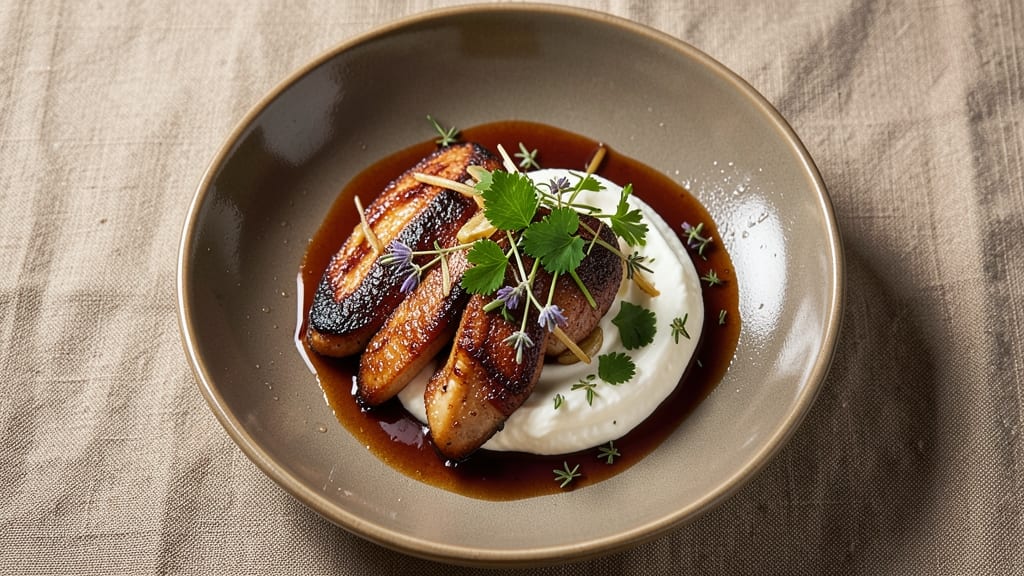
Mastering chicken liver recipe transforms this often-overlooked ingredient into a luxurious, restaurant-worthy dish that’s surprisingly simple to prepare at home. After years of perfecting my grandmother’s Sunday roast chicken techniques, I’ve adapted them to create a method that delivers crispy, golden edges and tender, buttery centers every time.
The key lies in precise timing and a high-quality herbed butter that elevates the natural richness of the liver.
This recipe focuses on pan-searing, a technique that mimics traditional French foie gras methods while keeping the process accessible for home cooks. You’ll start with fresh, high-quality chicken livers—cleaned thoroughly to remove any bitterness—and sear them quickly over medium-high heat.
The herbed butter not only adds flavor but also creates a crispy exterior that contrasts beautifully with the tender interior.
By the time you’re done, you’ll have a dish that’s rich, savory, and packed with umami—perfect for impressing guests or treating yourself to a special weeknight dinner. The method is precise but not complicated, and the results are worth every step.
Pair it with a crisp white wine or a fresh arugula salad to complete the meal.
Whether you’re a seasoned home cook or new to working with offal, this recipe builds confidence in the kitchen. The same techniques apply to other liver varieties, making it a versatile addition to your culinary repertoire. Let’s get started!
Ingredients for chicken liver
High-quality livers, rich butter, and fresh herbs—this is your game-changing ingredient lineup.
| Ingredient | Amount | Notes |
|---|---|---|
| Fresh Chicken Livers 🍗 | 1 ¼ lb | Trimmed of connective tissue and membranes |
| Unsalted Butter 🧈 | ½ cup | Cold, cut into 1-inch cubes |
| Fresh Parsley 🌿 | ¼ cup | Finely chopped, stems included |
| Garlic Cloves 🧄 | 4 cloves | Minced, fresh preferred |
| Fresh Thyme Leaves 🌿 | 1 tbsp | Chopped, stems removed |
| Diamond Crystal Kosher Salt 🧂 | 1 ½ tsp | Fine grain preferred |
| Freshly Ground Black Pepper 🌶️ | ½ tsp | Coarsely cracked |
| Extra-Virgin Olive Oil 🫒 | 2 tbsp | High smoke point preferred |
| Fresh Lemon Juice 🍋 | 1 tbsp | From 1 small lemon |
| All-Purpose Flour 🌾 | 2 tbsp | For dredging |
| Dry White Wine 🍷 | ¼ cup | Sauvignon Blanc or Pinot Grigio |
| Heavy Cream 🥛 | ¼ cup | Full-fat for richness |
| Chicken Stock 🍲 | ¼ cup | Homemade or high-quality store-bought |
The livers are non-negotiable—look for bright red, firm pieces at the butcher counter, not the sad, gray ones lurking in the meat case. Whole Foods or local farms often carry the freshest cuts, but even your grocery store’s meat department can work if you ask for the freshest batch. Trim any connective tissue or membranes (they turn bitter), and soak them in cold water for 30 minutes to remove blood—pat them bone-dry before cooking. I always buy a little extra because you’ll want seconds (and maybe thirds).
No fresh parsley? Dried works at one-third the amount, but it won’t have the same pop. Short on butter? Ghee or duck fat adds a luxurious depth, though butter’s herby flavor is hard to beat. The wine is optional but worth it—dry whites like Sauvignon Blanc cut through the richness, while Pinot Grigio adds a subtle floral note. If you’re avoiding alcohol, extra chicken stock or even a splash of apple cider vinegar keeps the acidity balanced. The flour is just for dredging, so all-purpose or bread flour both work fine—no need for fancy sifted stuff.
Livers cook fast—keep them cold until ready to sear. The herbed butter can be prepped a day ahead and stored in the fridge, wrapped tightly in plastic. Leftovers? Reheat gently in a skillet with a splash of water to restore moisture—never microwave, or they’ll turn rubbery. This dish freezes beautifully too: portion into single servings, cool completely, then freeze for up to 3 months. Just thaw in the fridge overnight before reheating.
Why You'll Love This Recipe
- Pan-Fry Magic: I swear by the sizzle—those livers hit the pan and transform in minutes. No fancy techniques, just a hot skillet, butter, and a quick sear until golden. Honestly, the hardest part is waiting for them to crisp.
- Umami Bomb: That first bite? Rich, earthy, and packed with flavor from the thyme and garlic. The butter melts into a glossy finish, and the parsley brightens it up—like a little flavor hug in every forkful.
- Weeknight or Weekend: Throw them on toast for breakfast or serve with crusty bread for a fancy dinner. My kids even eat them cold in sandwiches—yes, really. It’s the kind of dish that works anywhere, anytime.
- Budget Powerhouse: A pound of livers feeds four, and the cost is a fraction of steak. Leftovers? Toss them in pasta sauce or freeze for later—zero waste, maximum value. My wallet thanks me every time.
Step-by-step instructions for pan-seared chicken livers with herbed butter crisp
Here's how to transform delicate chicken livers into restaurant-worthy bites with crispy edges and velvety centers.
Prepare the Chicken Livers for Even Cooking
Start by trimming all connective tissue and membranes from the 1.25 lb fresh chicken livers using a sharp knife. This ensures tender results rather than chewy bites. Pat them completely dry with paper towels—moisture causes splattering and prevents proper browning.
Cut each liver into 1-inch pieces and season immediately with the 1.5 tsp diamond crystal kosher salt and 0.5 tsp freshly ground black pepper. Toss gently to coat evenly. Let them sit at room temperature for 15 minutes while you prepare the rest—this prevents them from cooking unevenly when they hit the pan.
Create the Herbed Butter Mixture
In a small bowl, combine the 0.5 cup cold unsalted butter (cut into 1-inch cubes) with the 0.25 cup finely chopped fresh parsley, 4 cloves minced garlic, and 1 tbsp chopped fresh thyme leaves. Mix with a fork until just combined—you want the herbs distributed but still visible flecks throughout the butter.
Shape the herbed butter into a log and flatten slightly into a disk. Chill while you cook the livers—this keeps it firm enough to create crispy edges when added later. The cold butter will melt dramatically when it hits the hot pan, creating that signature crispy crust.
Sear the Livers to Perfect Doneness
Heat the 2 tbsp extra-virgin olive oil in a large skillet over medium-high heat until shimmering. Add the seasoned chicken livers in a single layer, leaving space between each piece. Cook undisturbed for 2 minutes until the bottoms develop a deep golden crust.
Flip carefully and cook another 2 minutes. The livers should be cooked through but still slightly pink in the center—overcooking turns them rubbery. Transfer to a plate and tent with foil to keep warm while you prepare the sauce.
Deglaze and Build the Sauce
Reduce heat to medium and add the chilled herbed butter disk to the skillet. Let it melt completely, about 30 seconds, then pour in the 0.25 cup dry white wine. Scrape up any browned bits from the bottom—they're packed with flavor. Simmer for 2 minutes until the wine reduces by half.
Stir in the 0.25 cup heavy cream and 0.25 cup chicken stock. Add the 2 tbsp all-purpose flour and the 1 tbsp fresh lemon juice. Bring to a gentle simmer and cook for 3-4 minutes until the sauce thickens enough to coat the back of a spoon. The sauce should be glossy but not gluey.
Finish and Serve Immediately
Return the seared chicken livers to the skillet and gently toss to coat in the sauce. Cook for 1 minute to heat through completely. The livers should be perfectly cooked—firm but tender with crispy edges from the herbed butter.
Serve immediately over buttered toast or crusty bread, spooning the rich herbed butter sauce over the top. Each bite should deliver tender liver with a crispy edge, bright lemon notes, and aromatic herbs. The sauce should cling beautifully, making every mouthful decadent.
Pro Tips For Making Chicken Liver
- Trim the Gall Bladders: Chicken livers hide tiny green gall bladders—leave them in, and you’ll get bitter, puckery flavor. Pinch the fat end of each liver and squeeze gently; the bladder will slide out like a little sac. Do this first thing, or you’ll regret it later (trust me, I’ve learned this the hard way).
- Sear in Batches: Crowd the pan, and your livers will steam instead of sear. Use a 12-inch skillet and cook them in two batches—no more than 4 livers at a time—over medium-high heat. The butter should sizzle like crazy; if it’s just bubbling, your heat’s too low.
- Deglaze with Wine: After searing, don’t just add herbs—deglaze the pan with 2 tablespoons of dry white wine (or even a splash of lemon juice). Scrape up those browned bits; they’re packed with flavor that’ll turn your sauce from bland to rich. Skip this, and you’re missing out on easy depth.
- Finish with Cold Butter: Toss the cooked livers with a pat of cold butter at the end—yes, cold. It coats them evenly, adds shine, and keeps them from drying out. Warm butter melts too fast; cold butter melts just enough to glaze. Sounds counterintuitive, but it works every time.
Serving suggestions for leftovers
Toasted Bread Base
This dish practically begs for a sturdy bread foundation to soak up the luxurious herbed butter sauce. I always reach for a crusty baguette from my neighborhood bakery—slice it diagonally into ½-inch thick pieces and toast until golden.
Brush each slice with melted butter and sprinkle with flaky sea salt before serving. The toasted bread adds a satisfying crunch that contrasts perfectly with the tender livers. 🥖
Bright Green Salads
A peppery arugula salad cuts through the richness beautifully. Toss 4 cups baby arugula with 2 tbsp extra-virgin olive oil, 1 tbsp lemon juice, and a pinch of Diamond Crystal kosher salt.
Top with thinly sliced radishes and toasted pine nuts for texture. The acidity in the dressing balances the liver's richness while adding freshness. For a heartier option, add shaved Parmesan cheese and cherry tomatoes.
Roasted Root Vegetables
Earthy, caramelized vegetables make an excellent side. Toss parsnips, carrots, and sweet potatoes in 1 tbsp olive oil, ½ tsp thyme, and ½ tsp salt, then roast at 400°F for 25 minutes until tender.
The natural sweetness of the vegetables complements the savory liver without overpowering it. I often add a sprinkle of toasted pecans for extra crunch and depth. 🍠
Wine and Beverage Pairings
A crisp Sauvignon Blanc or Chardonnay elevates the dish with their bright acidity. For a non-alcoholic option, try sparkling apple cider—the effervescence cleanses the palate between bites. If you prefer beer, a Belgian witbier with its citrus and coriander notes provides an interesting contrast.
Avoid heavy reds or sweet wines, as they can clash with the liver's natural richness. 🍷
Garnish Like a Pro
Finish your plate with fresh lemon zest and an extra sprinkle of chopped parsley for a pop of color and freshness. A drizzle of truffle oil (just ½ tsp) adds a luxurious touch, while crispy fried shallots provide a delightful crunch.
The garnishes should enhance, not overpower—the liver and sauce are already the stars of the show. 🌿
Make It a Meal
For a complete meal, serve the chicken livers with creamy polenta or mashed potatoes to soak up every last bit of sauce. Add a simple side of steamed green beans with almonds** for a balanced plate.
The contrast of textures and temperatures—warm livers, crispy bread, cool salad—makes this dish feel like a true restaurant experience. 🍽️
Nutrition facts
Frequently asked questions
How do I know when chicken livers are fresh?
Look for bright red, firm livers with a glossy appearance—never gray or slimy. The best ones come from local butchers or farmers markets. Press gently: fresh livers should spring back slightly. If they're mushy or have a metallic smell, they've gone bad.
Can I substitute other types of liver?
Calf's liver or duck liver work well in this recipe, though cooking times may vary slightly. Calf's liver needs about 1 minute less per side, while duck liver should be cooked to 145°F internal temp. Adjust seasoning based on fat content—duck liver is richer and needs less butter.
Why did my chicken livers turn rubbery?
Overcooking is the #1 culprit—livers cook faster than you think! Keep them moving in the pan and aim for 2-3 minutes max per side. Also ensure they're completely dry before cooking. If they're still tough, try reheating gently in a skillet with a splash of water or broth.
How far ahead can I prep the herbed butter?
You can make it up to 2 days ahead and store it in the fridge. Just let it sit at room temp for 15 minutes before using. For longer storage, freeze the butter disk for up to 3 months. Thaw in the fridge overnight before cooking.
What's the best way to store leftovers?
Cool completely, then store in an airtight container for up to 3 days in the fridge. For freezing, portion into single servings and freeze for 3 months max. Reheat gently in a skillet with a splash of water or broth to restore moisture.