
Side Dishes
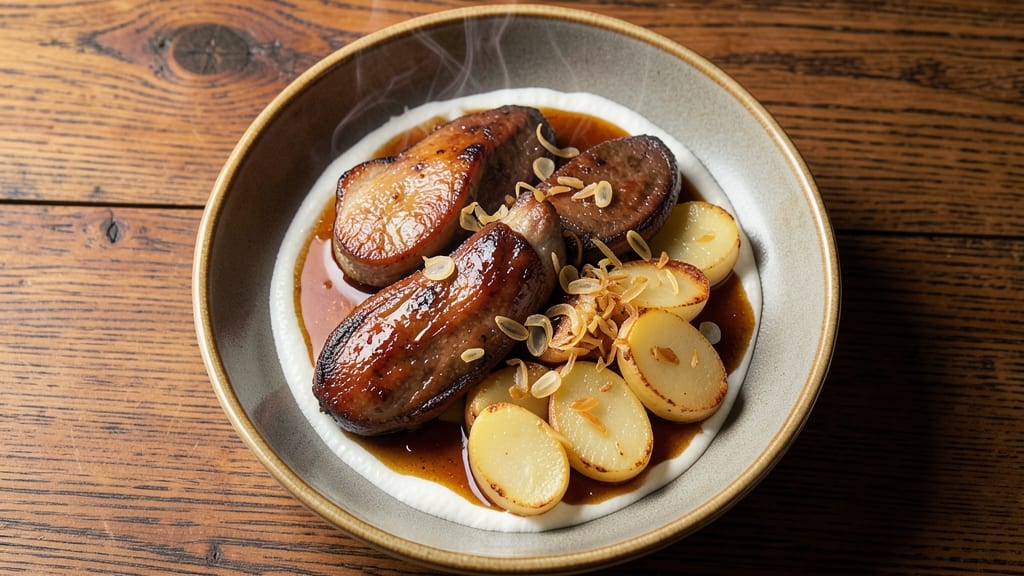
Transforming humble chicken livers into a luxurious dish starts with this chicken liver and potatoes recipe, where every bite delivers rich, velvety texture and deep umami flavor. Growing up in small-town Georgia, I learned that offal dishes like this—properly prepared—become centerpieces, not afterthoughts.
The secret lies in searing the livers until perfectly browned, then deglazing with just the right amount of wine and stock to create a sauce so decadent it turns leftovers into a showstopper.
This recipe pairs tender, golden-brown potatoes with chicken livers that melt in your mouth, all finished with a sauce that clings to every bite like a restaurant-worthy masterpiece.
The process is straightforward but demands precision: sear the livers in batches to avoid crowding, then let them rest before slicing to maintain their shape. Meanwhile, the potatoes develop a crispy exterior while staying creamy inside—a balance that takes practice but delivers professional results every time.
What makes this dish truly special is how the pan sauce transforms simple ingredients into something extraordinary. The livers release their natural oils during searing, which we capture and enrich with wine, shallots, and a touch of cream.
This sauce isn’t just a finishing touch—it’s the heart of the dish, elevating everything it touches. The result? A plate that looks as impressive as it tastes, with flavors that linger long after the last bite.
Serve this dish with a crisp green salad or crusty bread to soak up every drop of that restaurant-quality pan sauce. The technique is foolproof once you understand the key steps, and the satisfaction of turning something simple into something extraordinary is unmatched.
Let’s make this dish—it’s worth every minute of effort.
Ingredients for chicken liver with potato
Rich umami flavors and velvety textures begin with these twelve carefully chosen ingredients.
| Ingredient | Amount | Notes |
|---|---|---|
| Chicken Livers 🍗 | 1 lb | Fresh, trimmed of connective tissue |
| Yukon Gold Potatoes 🥔 | 1 ½ lb | Medium size, halved lengthwise |
| Unsalted Butter 🧈 | ½ cup | Cold, cut into small cubes |
| Shallots 🧅 | 4 whole | Minced, about 0.25 cup |
| Dry White Wine 🍷 | ½ cup | Sauvignon Blanc or Pinot Grigio |
| Heavy Cream 🥛 | ½ cup | Full-fat for richness |
| Chicken Stock 🥄 | 1 cup | Homemade preferred, low-sodium |
| Diamond Crystal Kosher Salt 🧂 | 1 ½ tsp | Divided for seasoning |
| Freshly Ground Black Pepper 🌶️ | ½ tsp | Coarsely ground |
| Fresh Thyme Leaves 🌿 | 1 tbsp | Chopped, stems removed |
| Fresh Parsley 🌿 | ¼ cup | Chopped, for garnish |
| Olive Oil 🫒 | 2 tbsp | Extra-virgin for searing |
Chicken livers demand the freshest quality—look for vibrant, deep-red pieces with no grayish tinge at your local butcher shop or well-stocked market like Whole Foods. The potatoes should be firm with smooth skins, and Yukon Golds are ideal for their creamy texture. For the wine, Sauvignon Blanc or Pinot Grigio adds brightness that cuts through the richness. If you can't find fresh thyme, dried thyme at one-third the amount works in a pinch, though fresh is preferred for that bright herbal note. The unsalted butter should be cold and cubed for proper searing—never melted or softened. Costco often carries high-quality chicken livers in bulk, which is perfect for this recipe.
No white wine? Substitute with extra chicken stock plus a splash of lemon juice—the acidity mimics wine's brightening effect. For the cream, half-and-half works in a pinch, though it won't be as rich. If you're avoiding dairy, coconut cream provides a similar texture, though the flavor will differ slightly. The shallots can be swapped for green onions if needed, though shallots add a more refined sweetness. For the potatoes, Russets work but yield fluffier results—Yukon Golds strike the perfect balance. Pre-peeling the potatoes saves time, but leaving the skins on adds rustic texture. The kosher salt is critical here—Diamond Crystal dissolves more easily than table salt, so adjust accordingly.
Store any leftover livers or potatoes in an airtight container in the fridge for up to 3 days, though this dish tastes best fresh. The pan sauce, once made, keeps well for 4-5 days in the refrigerator—portion it into small containers for easy reheating. For longer storage, freeze the sauce in ice cube trays for single-use portions. The potatoes can be prepped ahead and stored in cold water in the fridge for up to 24 hours before cooking. When reheating, low heat is key—gentle warming preserves the sauce's velvety texture without breaking it down.
Why You'll Love This Recipe
- One-Pan Magic: I swear by this—just toss the livers and potatoes on a sheet, add butter and shallots, and walk away. No chopping boards, no extra pots, just hands-off crispiness while you stir a pot of pasta or set the table.
- Rich Without Effort: That first sip of white wine deglazing the pan? Instant flavor bomb. The livers soak up the buttery shallot sauce while the potatoes get that buttery, fluffy interior—like a fancy bistro dish, but I’m too lazy to care about presentation.
- Leftovers That Lie: Between us, this tastes better the next day. Cold livers in the fridge? Not a thing—reheat them gently, and they’re still tender with that deep, umami richness. Plus, the potatoes hold up like champs, so you’re not scrambling for seconds.
- Budget Bistro Night: Chicken livers are my secret weapon for fancy-feeling meals without the grocery shock. A pound of them feeds four, and when paired with Yukon Golds (which are cheap but feel luxurious), you’ve got a dish that’ll fool anyone into thinking you slaved over it. (Spoiler: You didn’t.)
Step-by-step instructions for chicken liver and potatoes
Transform simple ingredients into an elegant dish with this refined technique.
Prepare the Chicken Livers and Potatoes
Rinse the 1 lb chicken livers under cold water and pat them thoroughly dry with paper towels. Trim away any connective tissue or silver skin using a sharp knife—this ensures a clean texture. In a small bowl, combine the chicken livers with 1 tsp of the 1.5 tsp diamond crystal kosher salt and 0.25 tsp of the 0.5 tsp freshly ground black pepper, tossing gently to coat evenly. Set aside.
While the livers marinate, heat a large oven-safe skillet over medium heat. Add the 2 tbsp olive oil and swirl to coat the pan evenly. Add the 1.5 lb yukon gold potatoes, cut side down, and cook for 8-10 minutes until golden brown spots begin to form. Flip the potatoes and cook for another 5 minutes, then transfer the skillet to a 400°F preheated oven. Roast for 20-25 minutes until the potatoes are tender when pierced with a fork.
Sear the Chicken Livers
Return the skillet to the stovetop over medium-high heat. Remove the potatoes and set them aside. Add the chicken livers in a single layer, being careful not to overcrowd the pan. Cook for 2-3 minutes per side until they develop a deep brown crust and reach an internal temperature of 145°F. Remove the livers and set them aside on a plate.
Here's the thing—chicken livers cook quickly, so don't walk away. If they brown too fast, reduce the heat slightly. Overcooking will make them tough. Once they're done, tent the livers loosely with foil to keep them warm while you prepare the sauce.
Build the Pan Sauce
In the same skillet, reduce the heat to medium and add the 0.5 cup unsalted butter, allowing it to melt and foam. Add the 4 whole minced shallots and cook for 2-3 minutes until softened and fragrant. Pour in the 0.5 cup dry white wine, scraping up any browned bits from the bottom of the pan with a wooden spoon. Simmer for 3-4 minutes until the wine reduces by half.
Add the 1 cup chicken stock and bring to a gentle simmer. Stir in the 1 tbsp fresh thyme leaves and the remaining 0.5 tsp diamond crystal kosher salt and 0.25 tsp freshly ground black pepper. Let the sauce reduce by about one-third, which should take 5-6 minutes. The sauce should coat the back of a spoon and have a rich, aromatic depth.
Finish the Dish
Return the chicken livers and potatoes to the skillet, spooning the sauce over them. Stir gently to combine, then reduce the heat to low. Add the 0.5 cup heavy cream and simmer for 2-3 minutes, allowing the flavors to meld together. The sauce should now be velvety and cling to the livers and potatoes.
Taste and adjust the seasoning if needed. Garnish with the 0.25 cup chopped fresh parsley just before serving. This dish is best served immediately, while the sauce is still warm and the potatoes are tender. The rich, pan sauce transforms simple ingredients into a luxurious meal.
Pro Tips For Making Chicken Liver With Potato
- Sear Livers Fast: Hit the pan with a screaming-hot cast iron or stainless steel—no butter yet. Two minutes max per side until deeply brown, or they’ll turn to mush before the wine can save them. (Yes, even if you’re impatient like me.)
- Soak Livers First: Toss them in cold water for 10 minutes to purge the bitterness, then pat thoroughly dry. I learned this the hard way—wet livers splatter like grease bombs and never brown right.
- Potatoes Need a Head Start: Parboil the Yukon Golds for 8 minutes before cooking the livers—they’ll finish in the same pan later without drying out. Crowd the pot, but don’t skip the ice bath after; it’s the only way to keep them tender.
- Deglaze with Wine: After searing shallots, add the wine immediately—don’t wait for the pan to cool. Scrape up every browned bit with a wooden spoon; that’s where the flavor hides. (Your future self will thank you.)
Wine and beer pairings for these flavors
Wine Pairings
For this dish, I reach for dry white wines with bright acidity to cut through the richness of the chicken livers and butter sauce. A Sauvignon Blanc from New Zealand—like Kim Crawford—is my go-to choice.
Its citrus and herbal notes complement the thyme and shallots in the sauce, while its crisp finish cleanses your palate between bites. If you prefer something lighter, a French Pinot Grigio from Alto Adige offers delicate almond undertones that pair beautifully with the potatoes' creamy texture. 🍷
Beer Pairings
Craft beer lovers should opt for a Belgian witbier like Hoegaarden—its coriander and orange peel notes provide a refreshing contrast to the dish's richness. The effervescence also helps balance the sauce's velvety texture.
For a more robust option, a German Helles Lager such as Weihenstephaner Original offers a malty sweetness that harmonizes with the caramelized potatoes and umami livers. Avoid heavy stouts or IPAs, which would overpower the delicate flavors.
Unexpected Wine Substitutes
No wine on hand? A splash of dry vermouth works surprisingly well—just use ½ cup and add 1 tsp lemon juice to mimic the acidity. For a non-alcoholic option, sparkling apple cider (like Martinelli's) provides the same bright lift as wine.
I've even used white grape juice in a pinch, though it lacks the depth of a proper wine. The key is acidity—don't skip it, or the sauce will taste flat. 💡
Regional Wine Traditions
In Charleston, where I trained, this dish was traditionally paired with Muller-Thurgau—a German white wine with a touch of sweetness that balances the liver's richness.
If you're in the Southeast, look for local Georgia wines like Sapphire Wine's Chardonnay, which offers a buttery profile that enhances the dish's creaminess. The local terroir brings unexpected depth to the pairing that store-bought wines can't match.
Beer Brewing Notes
For homebrewers, I recommend a low-bitterness pale ale with 20-30 IBUs—just enough hop character to complement the dish without competing. Add orange peel to the fermenter for a citrusy note that echoes the wine pairing.
If you're brewing for this dish specifically, consider a wheat beer with a 1.040 OG—the light body and spice will let the dish's flavors shine. 🍺
Serving Temperature
Serve both wine and beer chilled—around 45-50°F for white wines and 40-45°F for lagers. The cool temperature helps balance the dish's warmth, creating a harmonious contrast. I always pour a small glass (4-5 oz) to complement the rich flavors without overwhelming them.
The right temperature makes all the difference in how the flavors interact on your palate.
Nutrition facts
Frequently asked questions
Why do chicken livers need to be trimmed before cooking?
Trimming the connective tissue and silver skin ensures a clean, tender texture. These parts can make the livers tough or bitter when cooked. Look for smooth, deep-red livers at your butcher shop—any grayish or fibrous areas should be removed before seasoning.
Can I use frozen chicken livers instead of fresh?
Fresh livers work best for this recipe, but if you must use frozen, thaw them overnight in the fridge and pat them completely dry before cooking. Frozen livers can release excess moisture, making them harder to sear properly. For best results, buy fresh livers from a trusted butcher.
How do I fix tough chicken livers?
Overcooking is the main culprit—livers go from tender to rubbery fast. Keep an instant-read thermometer handy and remove them at 145°F internal temp. Also, never skip the resting step (5-10 minutes) before slicing. If they're already tough, try reheating them gently in the sauce with a splash of cream.
What's the best way to store leftovers?
Store the dish in an airtight container in the fridge for up to 3 days. Reheat gently in a skillet with a splash of water or stock to restore moisture. The sauce may thicken when chilled—just add a little warm water or cream when reheating. For longer storage, freeze the sauce separately in ice cube trays.
Can I make this dish ahead of time?
Yes! Prep the potatoes and livers separately up to 24 hours ahead. Store potatoes in cold water in the fridge, and keep livers in an airtight container (don't wash them). Cook just before serving for the best texture. The sauce is best made fresh but can be prepped ahead and reheated with the livers and potatoes.