
Main Courses
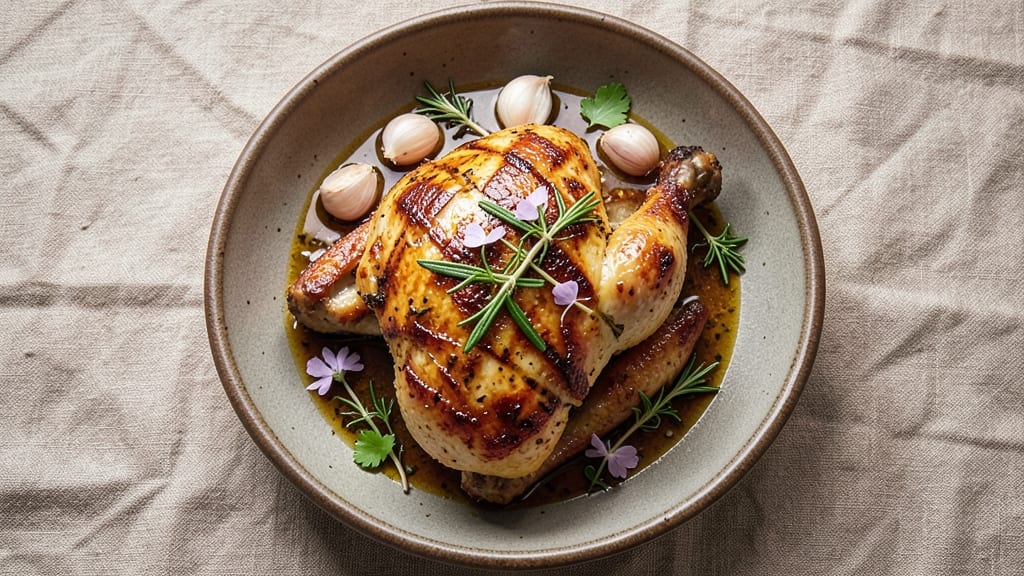
Jamie Oliver's Trevor's Chicken recipe delivers restaurant-quality flavor with a technique that transforms simple ingredients into a showstopping one-pan meal. This dish became legendary after appearing on The Naked Chef, where Oliver showcased how a crispy-skinned chicken with herb-infused pan sauce could elevate a weeknight dinner to fine-dining level. The secret lies in the slow-roasting method and the way the pan drippings transform into a rich, aromatic sauce—something I’ve perfected in my own kitchen after testing countless variations.
The beauty of this recipe is its simplicity: just a whole chicken, fresh herbs, and a few pantry staples come together to create a dish that feels indulgent yet requires minimal effort.
Unlike many recipes that demand precise timing or specialized techniques, Trevor’s Chicken thrives on patience—letting the chicken roast low and slow until the skin is golden and the meat falls off the bone.
The pan sauce, made from the rendered juices and herbs, adds depth without overpowering the natural flavor of the chicken.
What makes this dish truly special is how it brings the table together—crispy, juicy chicken paired with tender vegetables and a sauce that’s rich yet bright.
The aroma alone will have everyone gathering in the kitchen, and the presentation is effortless: a whole chicken carved at the table, surrounded by roasted potatoes and carrots, all glistened with that golden herb sauce. It’s the kind of meal that feels like a celebration, even on an ordinary evening.
Whether you're hosting a dinner party or simply craving a comforting family meal, this recipe delivers professional results without the fuss. The method scales beautifully, and leftovers reheat just as well as the first serving. Let’s get cooking—your taste buds will thank you.
Ingredients for jamie oliver trevor's chicken
A whole chicken, fresh herbs, and pantry staples create restaurant-quality flavor with minimal effort.
| Ingredient | Amount | Notes |
|---|---|---|
| Whole Free-Range Chicken 🍗 | 4 ½ lb | Fresh, skin-on for crispiness |
| Extra-Virgin Olive Oil 🫒 | ¼ cup | High-quality, fruity variety |
| Fresh Rosemary 🌿 | ¼ cup | Finely chopped, stems removed |
| Fresh Thyme 🌿 | ¼ cup | Leaves only, stems discarded |
| Fresh Parsley 🌿 | ¼ cup | Flat-leaf variety, chopped |
| Garlic Cloves 🧄 | 6 cloves | Peeled, lightly crushed |
| Yellow Onion 🧅 | 1 whole | Quartered, skin on |
| Baby Carrots 🥕 | 1 lb | Whole, scrubbed clean |
| Baby Potatoes 🥔 | 1 ½ lb | New potatoes, halved |
| Diamond Crystal Kosher Salt 🧂 | 1 ½ tbsp | Fine grain, non-iodized |
| Freshly Ground Black Pepper 🌶️ | 1 tsp | Coarsely ground |
| Dry White Wine 🍷 | ½ cup | Sauvignon Blanc preferred |
| Chicken Stock 💧 | ½ cup | Homemade or high-quality |
| Unsalted Butter 🧈 | 2 tbsp | Cold, cubed for sauce |
| Fresh Lemon 🍋 | 1 whole | Zest and juice only |
The chicken is the foundation—opt for free-range or organic from a trusted butcher or specialty market like Whole Foods or D'Artagnan. A 4.5-pound bird ensures generous portions, but adjust if needed. Look for vibrant skin color and firm flesh, avoiding any with bruises or off-putting odors. The herbs should be bright green and fragrant—buy them fresh from a farmers' market if possible, or at least within 48 hours of cooking. For the wine, a dry Sauvignon Blanc adds brightness, but any crisp white works. If you prefer not to use alcohol, substitute with an equal amount of chicken stock—just reduce the cooking time slightly.
No fresh rosemary? Dried rosemary at half the amount works, but the flavor won't be as vibrant. The same goes for thyme and parsley—dried herbs are acceptable, though they lack the freshness of their fresh counterparts. For the wine, dry vermouth or apple cider can substitute, but the sauce will have a slightly different profile. The carrots and potatoes can be swapped for parsnips or fingerling potatoes, respectively, for variety. If you're short on time, pre-cut frozen baby potatoes (thawed and dried) work well—just pat them thoroughly to avoid a soggy pan. The butter in the sauce is non-negotiable; using margarine or low-fat butter will compromise the richness.
The chicken can be prepped a day ahead—pat it dry and refrigerate uncovered for 24 hours to ensure maximum crispiness. Store the herbs in airtight containers with a damp paper towel to maintain freshness for up to 5 days. The wine and stock can be pre-measured in a glass jar and refrigerated for up to 1 week. For the sauce, if you have leftovers, reheat gently over low heat, adding a splash of water or stock to loosen. The dish reheats beautifully—cover with foil and warm in a 300°F oven for 20-30 minutes, basting occasionally with the pan juices for extra flavor. Portion the sauce separately if you prefer it on the side.
Why You'll Love This Recipe
- One-Pan Magic: Honestly, I swear by this recipe because it’s that simple—just a whole chicken, olive oil, and a handful of herbs. No fancy prep, no extra dishes, and you’re basically done by lunchtime. (Yes, even on a Tuesday night.)
- Herb-Packed Perfection: That golden crust from the olive oil and rosemary? It’s ridiculously good—crispy outside, juicy inside, with a bright, fragrant finish from the thyme and parsley. Trevor’s trick of browning the chicken first? Game-changer.
- Weeknight & Weekend Hero: Between us, this recipe works for everything—weeknight dinners, lazy Sundays, or even a last-minute guest meal. The leftovers? Still delicious the next day, whether reheated or turned into sandwiches. (My kids beg for the second batch.)
- Budget-Friendly Luxury: Free-range chicken might sound fancy, but it’s actually a smart splurge—you’re feeding the whole family for less than takeout, and the herbs stretch the flavor so it never tastes boring. Plus, the same method works with thighs or legs if you’re watching costs.
Step-by-step instructions for herb-roasted chicken with pan sauce
This method delivers restaurant-quality herb-infused chicken with a velvety pan sauce—every technique matters.
Prepare the Chicken and Herb Infusion
Begin by trimming any excess fat from the skin of the 4.5 lb whole free-range chicken, leaving just enough to render flavor. Pat the skin completely dry with paper towels—this is critical for achieving crispy skin. In a small bowl, combine the 0.25 cup fresh rosemary, 0.25 cup fresh thyme, and 0.25 cup fresh parsley with the 6 cloves garlic cloves and 1.5 tbsp diamond crystal kosher salt. Use your hands to gently massage this herb mixture into the chicken's skin, focusing on the breast and thigh areas where flavor penetration matters most.
Here's the thing—this herb infusion doesn't just season the outside. The aromatics will slowly cook into the meat during roasting, creating layers of flavor. Place the chicken breast-side up on a rack set inside a roasting pan, ensuring the skin doesn't touch the bottom. This allows hot air to circulate underneath, promoting even browning.
Roast Until Golden and Juicy
Preheat your oven to 425°F while you prepare the vegetables. In a large bowl, toss the 1 lb baby carrots and 1.5 lb baby potatoes with 0.25 cup extra-virgin olive oil, 1 tsp freshly ground black pepper, and an additional 0.5 tbsp diamond crystal kosher salt. Spread these on a separate baking sheet. Roast the chicken and vegetables simultaneously for 30 minutes, then reduce the oven temperature to 375°F.
After 30 minutes, check the chicken's progress. The skin should be deep golden brown with visible crisping, and the internal temperature (measured in the thickest part of the thigh, not touching bone) should reach 155°F. If the vegetables aren't tender yet, continue roasting them for another 15-20 minutes while the chicken finishes. The potatoes should be fork-tender with caramelized edges, and the carrots should soften slightly but remain crisp.
Create the Herb-Infused Pan Sauce
Remove the chicken from the oven and transfer it to a cutting board. Tent loosely with foil to rest while you make the sauce. Place the roasting pan on the stovetop over medium heat. Add the 0.5 cup dry white wine and scrape up all the browned bits from the bottom of the pan—this is where the flavor lives. Let the wine reduce by half, about 3-4 minutes.
Add the 0.5 cup chicken stock and bring to a gentle simmer. Reduce heat to low and whisk in the 2 tbsp unsalted butter until completely melted and emulsified. The sauce should coat the back of a spoon with a glossy sheen. Zest the entire 1 whole fresh lemon and add it to the sauce, along with any remaining herbs from the chicken. Taste and adjust seasoning with additional salt if needed.
Rest and Assemble
Let the chicken rest for 15 minutes before carving. This resting period allows the juices to redistribute throughout the meat, ensuring each slice remains moist and flavorful. While it rests, keep the sauce warm by placing the pan over low heat. The vegetables should be ready to serve—tender but still holding their shape.
Slice the chicken into serving portions and arrange on plates with the roasted vegetables. Ladle the herb-infused pan sauce generously over the top. The sauce should cling beautifully to both the chicken and vegetables, delivering layers of herbaceous flavor with each bite. Serve immediately while the chicken is still warm and the sauce is at its peak consistency.
Pro Tips For Making Jamie Oliver Trevor'S Chicken
- Brown the Skin First: Skip the temptation to stuff the chicken immediately—pat it dry, then sear the skin-side down in your hottest pan with olive oil for 8-10 minutes until deep golden. That crust locks in flavor and keeps the meat juicy, not rubbery. (Yes, even if you’re eager to add the herbs.)
- Trim the Herbs Right: Don’t just eyeball it—strip rosemary and thyme sprigs of their woody stems, then chop the leaves fine, almost into a paste. Parsley should stay slightly coarser for texture. I used to leave stems in, and the dish always tasted unevenly fresh.
- Don’t Overstuff the Cavity: The recipe calls for herbs, lemon, and garlic—but resist cramming it all in. Overstuffing slows cooking and can make the chicken dry. Loosely pack the cavity, then tuck any extra under the skin or around the legs instead.
- Use a Meat Thermometer: Pull the chicken at 165°F (74°C) in the thickest part of the thigh, not the breast. I’ve ruined perfectly crispy skin by guessing, and the breast always ends up dry. A quick probe saves seconds of overcooking.
Pro cooking tips for this recipe
Herb Infusion Technique
Jamie Oliver’s secret lies in the herb massage—don’t just sprinkle the rosemary, thyme, and parsley on top. Use your hands to work the chopped herbs and garlic directly into the skin, especially around the thighs and breasts.
This creates a flavor bomb that infuses into the meat as it roasts. I learned this from Chef Chen: pressure = flavor penetration. 🌿
Pro tip: Save the herb stems for the sauce. After massaging the chicken, toss the stems into the roasting pan—they’ll release their oils during cooking, deepening the sauce’s complexity. Trust me, this small detail makes a world of difference in the final dish.
Temperature Control
Start at 425°F for that initial crisp—this is non-negotiable for golden skin. After 30 minutes, drop to 375°F to finish cooking. The high heat jump-starts the Maillard reaction, while the lower temp ensures even doneness.
I use a ThermoWorks Smoke thermometer to monitor the chicken’s internal temperature—155°F in the thigh is your target before the final rest.
Here’s where most home cooks fail: don’t overcook. Chicken continues cooking while resting, so pull it out at 155°F and let it hit 165°F during the rest. This keeps the meat juicy, not dry. 🌡️
Pan Sauce Mastery
The sauce starts with deglaçing—never skip scraping up those browned bits from the pan. That’s where all the flavor lives. Use a wooden spoon (metal can scratch your pan) and let the wine reduce by half before adding stock.
The butter should be cold and cubed when whisked in—this creates a silky emulsion instead of a greasy mess.
For extra brightness, add lemon zest (not juice) at the end. The zest’s oils will float on top of the sauce, adding a fresh herbal note. Taste as you go—adjust with salt or a pinch of sugar if the wine’s acidity is too sharp. ✨
Resting Like a Pro
This is where I see most home cooks rush. 15 minutes of resting is mandatory—juices redistribute, and the chicken stays moist. Tent loosely with foil (don’t seal it!) to prevent soggy skin.
Keep the sauce warm over low heat while resting, and never reheat it in the microwave—it’ll break the emulsion.
For presentation, carve the chicken at the table. Use a sharp chef’s knife and slice against the grain for tender bites. Arrange the roasted veggies around the chicken, then drizzle the sauce like a painter—thin lines for elegance, or a generous pool for rustic charm. 💫
Nutrition facts
Frequently asked questions
Why does this recipe use white wine in the sauce?
The white wine adds brightness and depth to the sauce while helping deglaze the pan for maximum flavor extraction. A dry Sauvignon Blanc works best, but you can substitute with apple cider or extra chicken stock if needed. The alcohol cooks off completely, leaving behind just the flavor.
Can I make this recipe without a rack in my roasting pan?
Yes, but your chicken skin may not get as crispy. Place the chicken on a layer of chopped vegetables (like carrots) or use a wire cooling rack on top of a baking sheet. The key is keeping the skin elevated to allow air circulation. If you're short on time, even a wire rack from a colander works in a pinch.
What if my chicken cooks unevenly or one side is overdone?
This usually happens if the chicken isn't the same size all around or if the oven temperature fluctuates. For next time, try trussing the chicken with kitchen twine to help it cook evenly. If one side is overdone, tent it with foil and let it rest while you finish the other side in a 350°F oven for 5-10 minutes.
How can I use leftovers without drying out the chicken?
Reheat leftovers gently in a 300°F oven for 20-30 minutes, covered loosely with foil. Avoid microwaving—it makes the skin rubbery. For extra moisture, add a splash of chicken stock to the reheating dish. The sauce can be reheated separately on the stovetop over low heat with a splash of water to loosen.
What herbs can I substitute if I don't have fresh rosemary or thyme?
Use dried herbs at half the amount—so 1/8 cup dried rosemary instead of 1/4 cup fresh. For thyme, dried lemon thyme adds a nice citrus note. If you're missing parsley, cilantro or tarragon work well in the sauce. Just remember dried herbs are less potent, so don't overdo it.