
Main Courses
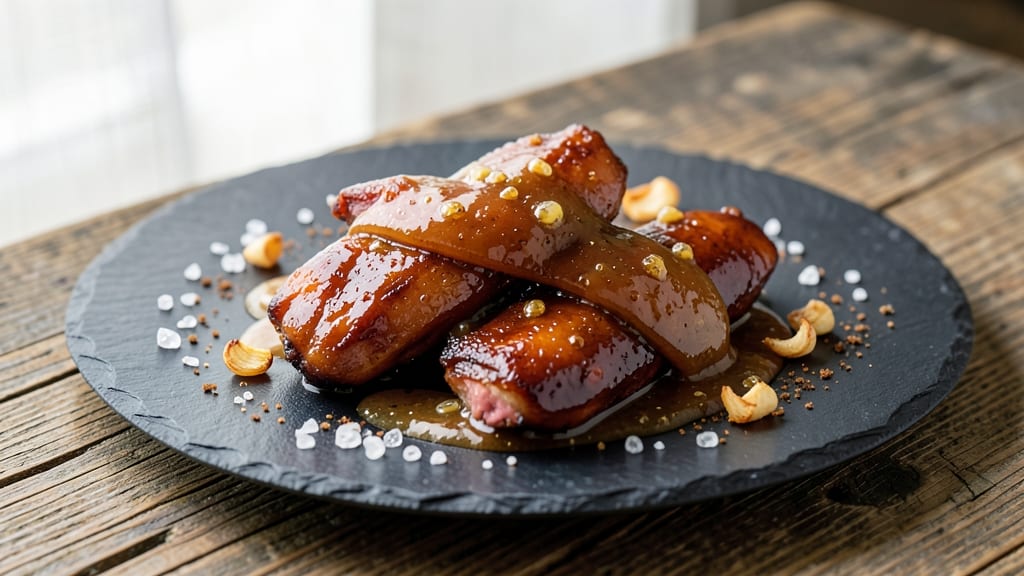
This chicken tongue recipe transforms an often-overlooked cut into a luxurious, melt-in-your-mouth experience with its signature silky texture and deep, savory flavor. The key lies in proper preparation—marinating removes any gaminess while tenderizing the dense muscle, and slow cooking unlocks its natural gelatinous richness.
I first discovered this technique while researching Southern comfort food traditions, where chicken tongue was a prized delicacy before falling out of favor.
What sets this dish apart is its versatility—whether you braise it in a rich tomato-based sauce, pan-fry it with herbs, or slow-cook it until fork-tender, the result is always impressive. The texture becomes almost custard-like when cooked properly, making it a showstopper for special occasions or hearty weeknight meals.
Traditional recipes often pair it with tangy mustard or sweet glaze, but modern adaptations embrace global flavors like soy-ginger or mole.
The process requires patience—soaking, marinating, and careful cooking—but the reward is a dish that feels both restaurant-worthy and deeply comforting. Each bite delivers a perfect balance of tender meat and luxurious mouthfeel, making it ideal for those who appreciate meat with character.
Serve it sliced thin over mashed potatoes, in sandwiches, or alongside roasted vegetables for a complete meal.
For those new to chicken tongue, don’t let its unusual appearance intimidate you—the flavor and texture are what matter. With the right technique, this recipe proves that unconventional cuts can be extraordinary. Ready to elevate your cooking repertoire? Let’s get started with the full method.
Ingredients for chicken tongue
Transforming humble cuts into luxurious bites requires these precise ingredients for silky texture and deep savory flavor.
| Ingredient | Amount | Notes |
|---|---|---|
| Chicken Tongues 🐔 | 1 ½ lb | Fresh, cleaned, trimmed of excess fat |
| White Vinegar 💧 | 1 cup | For soaking, removes gaminess |
| Ice Cubes ❄️ | 2 cups | For cold soak water |
| Kosher Salt 🧂 | 1 tbsp | Diamond Crystal preferred |
| Brown Sugar 🍯 | ½ cup | Light or dark variety |
| Garlic Cloves 🧄 | 6 cloves | Peeled, smashed for marinade |
| Yellow Onion 🧅 | 1 whole | Large, sliced into rings |
| Fresh Thyme 🌿 | ¼ cup | Leaves only, stems removed |
| Fresh Rosemary 🌿 | ¼ cup | Needles only, chopped |
| Black Peppercorns 🌶️ | 1 tbsp | Freshly cracked |
| Olive Oil 🫒 | ½ cup | Extra-virgin for marinade |
| Tomato Paste 🍅 | ½ cup | High-quality, no additives |
| Chicken Broth 💧 | 2 cups | Homemade or low-sodium |
| Red Wine 🍷 | ½ cup | Dry, like Cabernet Sauvignon |
| Bay Leaves 🌿 | 2 whole | Fresh preferred |
The quality of chicken tongues makes or breaks this dish. Look for fresh, plump tongues at specialty butchers or high-end grocers like Whole Foods—they're often sold in the seafood or meat counter. The tongues should be a vibrant pinkish-red, not gray or slimy. If you can't find them fresh, frozen tongues work well too (thaw overnight in the fridge). For the marinade, fresh herbs are non-negotiable—dried will lack the aromatic depth. The vinegar soak is critical; it removes any residual gaminess and begins the tenderizing process. Use white vinegar for its clean acidity, not apple cider or balsamic.
No fresh thyme or rosemary? Dried works at one-third the amount, but the flavor won't be as bright. Substituting the red wine? Beef broth with a splash of balsamic vinegar mimics the depth. For the tomato paste, high-quality brands like Rao's or Barilla make a difference—avoid the watery, additive-laden varieties. The chicken broth should be homemade if possible, but low-sodium store-bought works in a pinch. If you're short on time, pre-minced garlic from a jar is fine, though fresh is always better. The brown sugar adds complexity; light brown sugar for subtle caramel notes or dark brown for a bolder molasses flavor.
Store fresh herbs in damp paper towels in a sealed container for up to 5 days. The chicken tongues can be prepped a day ahead—soak, rinse, and refrigerate in their marinade. For the braising liquid, reduce it by half before serving to intensify flavors. Leftovers keep for 4 days in the fridge and can be frozen for 3 months. Reheat gently in the braising liquid to maintain moisture. This dish tastes even better the next day as the flavors meld—perfect for meal prep.
Why You'll Love This Recipe
- Four-Ingredient Magic: The vinegar and sugar cure transforms tough chicken tongues into tender, melt-in-your-mouth bites—no fancy marinades or long waits.
- Crispy-Sweet Payoff: That brown sugar crust? It caramelizes into a sticky, addictive glaze that’ll have you licking your fingers (yes, really).
- Potluck Hero: Cold or warm, these tongues travel beautifully—pack them in a cooler for picnics, game days, or when you’re the guest who always brings the dish.
- Budget Game: Chicken tongues cost a fraction of chicken breasts, and one batch feeds four for under $10. Leftovers? Even better reheated the next day.
Step-by-step instructions for silky, savory chicken tongue preparation
Mastering this technique transforms tough chicken tongues into luxurious, melt-in-your-mouth bites.
Prepare the Cold Soak for Tenderization
In a large non-reactive container, combine the 1.5 lb chicken tongues, 1 cup white vinegar, and 2 cups ice cubes. The vinegar breaks down connective tissue while the ice maintains a consistent cold temperature. Submerge the tongues completely and refrigerate for 24 hours, turning them every 8 hours to ensure even exposure. This process eliminates any gaminess and begins the tenderization.
After soaking, drain the tongues and rinse thoroughly under cold water. Pat them dry with paper towels—this step prevents steam from forming during cooking, which is crucial for developing that signature gelatinous texture. The tongues should now be pale and free of any vinegary odor. If you notice any remaining fat or membrane, trim it away with kitchen shears for a cleaner finish.
Create the Flavorful Marinade and Sear
In a small saucepan, combine 0.5 cup brown sugar, 6 smashed garlic cloves, 1 whole yellow onion (sliced into rings), 0.25 cup fresh thyme, 0.25 cup fresh rosemary, 1 tbsp cracked black peppercorns, 2 whole bay leaves, and 0.5 cup red wine. Simmer over medium-low heat for 15 minutes, stirring occasionally, until the mixture reduces by half and the aromatics become deeply fragrant. Remove from heat and let cool completely.
Once cooled, transfer the marinade to a blender and blend until smooth. In a separate bowl, whisk together 0.5 cup olive oil and 0.5 cup tomato paste. Combine these two mixtures, then add the drained chicken tongues, ensuring they're fully coated. Cover and refrigerate for 8 hours or overnight. This marinade infuses the tongues with complex flavors while the sugar and acid work together to further tenderize the meat.
Slow-Braised Cooking for Maximum Tenderness
Preheat your oven to 325°F. In a heavy Dutch oven, combine the marinated tongues with 2 cups chicken broth. Bring to a simmer over medium heat, then transfer to the preheated oven. Cover tightly with a lid and braise for 3 hours, turning the tongues every 45 minutes to ensure even cooking. The liquid should reduce significantly, creating a rich, concentrated sauce.
Here's the critical checkpoint: the tongues are done when they reach an internal temperature of 195°F and probe easily with a fork. The connective tissue should have fully broken down, yielding that signature silky, almost jelly-like texture. If the sauce reduces too much before the tongues are tender, add a splash of water or broth to maintain moisture. The result should be a glossy, velvety sauce clinging to the tongues.
Rest and Serve for Optimal Texture
Remove the tongues from the oven and let them rest in the braising liquid for 30 minutes. This resting period allows the fibers to relax completely, ensuring each bite delivers that luxurious, melt-in-your-mouth experience. The tongues will continue to absorb flavor and moisture from the sauce during this time, making it a non-negotiable step.
To serve, carefully transfer the tongues to a platter and spoon the reduced sauce over the top. The sauce should coat the tongues like a silky glaze, enhancing their natural richness. Serve immediately with crusty bread to soak up every last drop of that flavorful liquid. The contrast between the tender, gelatinous tongues and the crisp bread creates a truly satisfying culinary experience.
Pro Tips For Making Chicken Tongue
- SOAK THEM LONG: Chicken tongues are stubborn—give them at least 4 hours in the vinegar ice bath, not 30 minutes. I learned this the hard way when mine stayed tough as boot leather; the acid needs time to break down the collagen and tenderize the fibers. Don’t rush it, even if you’re craving results.
- SCRUB THE SLIME: Those tongues come covered in a thick, slimy membrane—peel it off before soaking. Scrub them under cold water with a stiff brush (or your hands, if you’re brave) to remove the gunk. Skipping this step means your dish will taste muddy, no matter how much vinegar you use.
- CRANK THE HEAT: When searing the tongues, use a screaming-hot pan—no medium heat. The goal is a deep, caramelized crust, not steamed gray meat. I used to walk away too soon, and the result was sad. Let them sizzle hard for 3-4 minutes per side until the edges darken.
- SWEAT THE SUGAR: Brown sugar isn’t just for flavor—it’s the glue that helps the glaze stick. Deglaze the pan with a splash of water after searing, then add the sugar to make a quick syrup. Stir it into the vinegar bath at the end; this turns a simple brine into a sticky, glossy finish. (Yes, even if you’re lazy about it, do this part.)
Perfect pairings for this recipe
Southern Comfort Classics
Serve your silky chicken tongues alongside creamy mashed potatoes—their buttery richness balances the tongues' deep savory notes. I like to fold in sharp cheddar cheese and a splash of whole milk for extra indulgence. For a true Southern touch, add crispy fried onions on top right before serving. 🥔
Tangy Mustard Sauce
A Dijon mustard glaze elevates the dish with its bright acidity. Whisk together 3 tbsp Dijon mustard, 2 tbsp heavy cream, 1 tbsp honey, and 1 tsp apple cider vinegar.
Drizzle over the tongues just before serving—it cuts through the richness beautifully. For extra flair, garnish with chopped parsley.
Crusty Bread Basket
No chicken tongue meal is complete without crusty artisan bread to soak up the braising sauce. I recommend a baguette-style loaf or sourdough—their sturdy crust holds up to the silky tongues while absorbing every drop of flavor.
Warm the bread in the oven for 5 minutes at 350°F before serving. 🥖
Roasted Vegetable Medley
For a lighter option, serve with roasted Brussels sprouts and caramelized onions. Toss the sprouts with olive oil, salt, and smoked paprika, then roast at 400°F for 20 minutes.
The crispy edges contrast perfectly with the tongues' tender texture. Add a sprinkle of toasted pecans for crunch. 🥦
Spicy Pickled Veggies
Brighten the plate with quick-pickled red onions or jalapeños. Thinly slice 1 red onion and 1 jalapeño, then soak in a mix of ½ cup vinegar, 1 tbsp sugar, and 1 tsp salt for 15 minutes.
The tangy crunch cleanses the palate between bites of rich chicken tongue. 🌶️
Wine and Beer Pairings
A bold Cabernet Sauvignon complements the dish's depth, while a hoppy IPA cuts through the richness. For non-alcoholic options, try sparkling grape juice or a ginger beer—the effervescence refreshes the palate. Serve chilled for the best experience. 🍷
Nutrition facts
Frequently asked questions
Why do I need to soak chicken tongues in vinegar first?
The 24-hour vinegar soak is essential for two reasons: it removes any residual gaminess from the muscle tissue and begins breaking down tough connective fibers. The cold temperature helps maintain texture while the acidity works its magic. Skipping this step can leave your tongues with an off-flavor or chewy texture. Think of it as the secret weapon for achieving that signature silky mouthfeel!
Can I substitute red wine in the marinade?
Yes, but with adjustments. For a non-alcoholic version, use 2 tbsp balsamic vinegar plus 2 tbsp beef broth to mimic the depth. If you prefer beer, a dark ale works well—just reduce the liquid by half before adding to the marinade. The key is balancing acidity and sweetness to tenderize the meat properly.
How do I know when chicken tongues are fully cooked?
They're done when they reach an internal temperature of 195°F and probe like butter. The texture should be fork-tender with a slight resistance, then give way completely. If you cut into one and see translucent, jelly-like centers, that's your cue—the connective tissue has fully broken down. Overcooking can make them mushy, so check at 2.5 hours of braising.
What's the best way to store leftover chicken tongues?
Store them in an airtight container with some of the braising liquid to keep them moist. They'll keep in the fridge for 4 days or freeze for 3 months. To reheat, warm gently in the oven at 300°F for 15 minutes with a splash of broth. The texture holds up better than you'd think—just avoid microwaving, which can make them rubbery.
Are chicken tongues hard to find? Where should I look?
They're specialty items, but not impossible! Check your local butcher shop or high-end grocers like Whole Foods—ask for them in the meat or seafood section. Online butchers like Snake River Farms or Crowd Cow also sell them frozen. If you can't find them fresh, frozen tongues work perfectly—just thaw overnight in the fridge before prepping.