
Main Courses
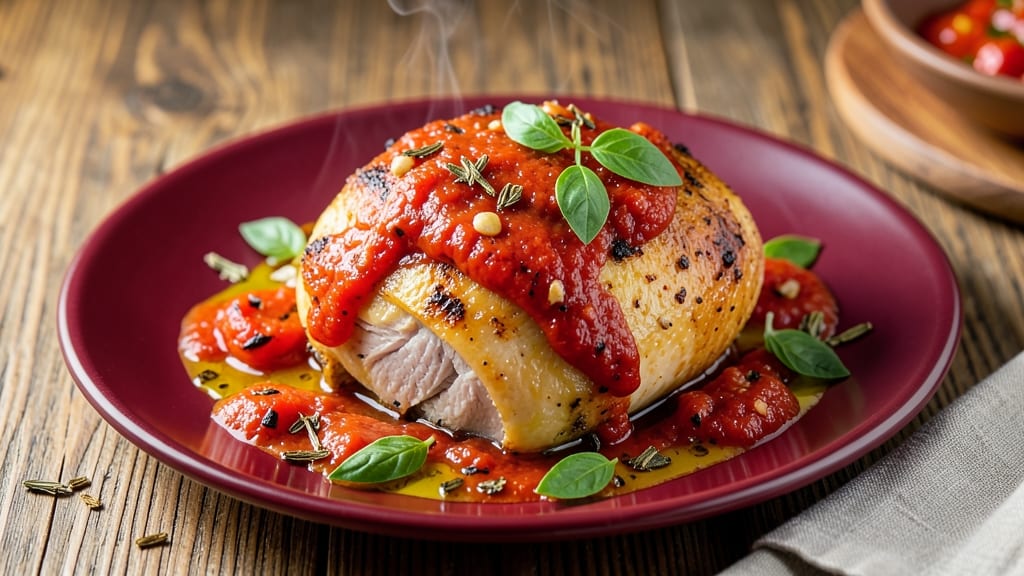
Baked chicken in tomato sauce delivers the kind of comforting, family-style meal that turns weeknight dinners into something special. 🌟 The secret lies in slow-baked chicken thighs that stay juicy while absorbing rich, herbed tomato sauce—no stovetop babysitting required. This one-pan method transforms simple ingredients into a restaurant-worthy dish with minimal effort.
What makes this recipe work is the balance of acidity and sweetness in the sauce, which tenderizes the chicken while keeping it flavorful. The herbs—like basil and oregano—infuse the sauce with bright, aromatic notes that cut through the richness, creating a perfect harmony of textures and tastes.
No special techniques are needed, just patience and a hot oven.
By the time you pull this dish from the oven, you'll have golden-brown chicken pieces swimming in a glossy, slightly thickened sauce that clings to every bite.
The aroma alone will have everyone gathering at the table, and the first forkful delivers that satisfying combination of tender meat and rich, savory sauce. It's the kind of meal that feels indulgent yet comes together effortlessly.
Serve with crusty bread to soak up every last drop of sauce or pair it with roasted vegetables for a complete, comforting dinner. The best part? Leftovers reheat beautifully, making it ideal for meal prep. Let's get started with this foolproof method for a crowd-pleasing dish that always delivers.
Ingredients for baked chicken and tomato sauce
Juicy chicken thighs slow-baked in rich, herbed tomato sauce create a comforting weeknight masterpiece.
| Ingredient | Amount | Notes |
|---|---|---|
| Chicken Thighs, Bone-In 🍗 | 1 ½ lb | Skin-on preferred for crispiness |
| San Marzano Tomatoes 🍅 | 28 oz | Canned, crushed or diced |
| Garlic Cloves 🧄 | 4 cloves | Minced for even distribution |
| Fresh Basil Leaves 🌿 | ½ cup | Chopped, stems removed |
| Dried Oregano 🍃 | 1 tsp | Crushed between fingers |
| Extra-Virgin Olive Oil 🫒 | ¼ cup | High-quality, fruity |
| Red Wine Vinegar 🍷 | 1 tbsp | Dry variety preferred |
| Granulated Sugar 🍚 | 1 tsp | Balances acidity |
| Kosher Salt 🧂 | 1 ½ tsp | Diamond Crystal preferred |
| Ground Black Pepper 🌶️ | ½ tsp | Freshly cracked |
| Dried Thyme 🌿 | ½ tsp | Or 1 tbsp fresh |
| Onion, Yellow 🧅 | 1 whole | Diced, medium size |
| Fresh Parsley 🌿 | ¼ cup | Chopped, for garnish |
| Butter, Unsalted 🧈 | 2 tbsp | For finishing sauce |
The chicken thighs are the foundation—bone-in, skin-on pieces stay juicy while browning beautifully. Trader Joe's or Whole Foods carry excellent cuts, but any grocery store's butcher section will do. Look for thighs with good marbling and vibrant pink color. San Marzano tomatoes are non-negotiable here—their sweetness and acidity balance perfectly. Mueller or Costantino brands are my go-tos, available at most specialty stores or online. Fresh basil and parsley should be bright green with no wilting; stems removed for maximum flavor. The extra-virgin olive oil should have a peppery finish—California brands like Corto or Colavita deliver consistently.
No San Marzano tomatoes? Crushed tomatoes with a splash of balsamic vinegar work in a pinch, though the flavor won't be as refined. Dried oregano can substitute fresh at one-third the amount, but I recommend fresh if possible—it brightens the sauce beautifully. Short on butter? Olive oil works equally well for finishing. The red wine vinegar adds depth; if you don't have it, apple cider vinegar at half the amount provides a similar tang. For a richer sauce, add a tablespoon of tomato paste with the crushed tomatoes. The sugar may seem counterintuitive, but it rounds out the acidity—don't skip it.
This dish reheats beautifully—simply cover with foil and warm in a 350°F oven for 10-15 minutes. The sauce thickens as it sits, so you might want to thin it with a splash of water or broth if serving leftovers. Store in airtight containers for 4-5 days in the fridge or freeze for up to 3 months. I always make extra sauce to freeze separately—perfect for quick pasta nights later. The herbs can be prepped ahead and stored in the fridge for 3 days if you're planning ahead.
Why You'll Love This Recipe
- One-Pan Magic: Honestly, I swear by this—just toss the chicken thighs, halved tomatoes, and garlic on a sheet pan, drizzle with olive oil, and let the oven do the work. No pots, no pans, no stress. (Yes, even on a Tuesday night when you’re exhausted.)
- Tomato-Garlic Obsession: That burst of San Marzano sweetness with the deep, toasty garlic? It’s like a flavor hug. The dried oregano and fresh basil finish it off—simple, but ridiculously good every time.
- Leftovers That Don’t Suck: Between us, most baked chicken recipes turn into sad, dry leftovers. Not this one. The thighs stay juicy, the sauce thickens beautifully, and it reheats like a dream—perfect for lunches or freezing for lazy days.
- Budget-Friendly Feast: Bone-in thighs stretch further than breasts, and San Marzano cans last forever. A few cloves of garlic and a handful of basil make this dish feel fancy without breaking the bank. My wallet and my family thank me.
Step-by-step instructions for baked chicken in tomato sauce
This one-pan method delivers restaurant-quality chicken with rich tomato sauce—minimal effort, maximum flavor.
🔥 Step 1: Sear the Chicken for Maximum Flavor
Preheat your oven to 375°F. Heat 2 tablespoons olive oil in a large oven-safe skillet over medium-high heat until shimmering. Pat the 1.5 lb chicken thighs dry with paper towels—this ensures a crispy skin—and season generously with 1.5 teaspoons kosher salt and 0.5 teaspoon ground black pepper.
Place the chicken skin-side down in the skillet and sear for 5-6 minutes until golden brown and crispy. Flip carefully and sear the other side for 3-4 minutes. The skin should release easily from the pan when ready. Remove the chicken and set aside—this initial sear locks in juices and builds deep flavor. Don't skip this step; it's the foundation of your dish.
🍳 Step 2: Build the Tomato Sauce Base
In the same skillet, reduce heat to medium and add 2 tablespoons butter. Let it melt completely, then add the diced yellow onion and cook for 4-5 minutes until softened and translucent. Stir in the 4 minced garlic cloves and cook for 30 seconds until fragrant—don't let it brown or it'll turn bitter.
Pour in the 28 oz San Marzano tomatoes and add the 1 teaspoon dried oregano, 0.5 teaspoon dried thyme, 1 tablespoon red wine vinegar, and 1 teaspoon granulated sugar. The sugar balances the acidity while the vinegar brightens the flavors. Bring to a gentle simmer and let it cook uncovered for 10 minutes to develop the sauce's depth. You'll see it reduce slightly and concentrate in flavor.
🥘 Step 3: Simmer Chicken in Sauce
Return the seared chicken to the skillet, skin-side up, and spoon the tomato sauce over the top. The sauce should cover about half the chicken. Bring everything to a gentle simmer, then reduce heat to low. Cover partially with a lid or foil, leaving a small gap for steam to escape.
Simmer for 30-35 minutes until the chicken reaches an internal temperature of 165°F and the sauce thickens slightly. The chicken should be fork-tender with no pink remaining. If the sauce reduces too much, add 2-3 tablespoons water to maintain moisture. This slow cooking ensures tender meat while letting the flavors meld perfectly.
👨🍳 Step 4: Finish with Fresh Herbs
Remove the skillet from heat and stir in the 0.5 cup chopped fresh basil leaves and 0.25 cup chopped fresh parsley. Let the herbs steep in the warm sauce for 5 minutes—this infuses their bright flavors throughout. Taste the sauce and adjust seasoning if needed, adding more salt or pepper as necessary. The fresh herbs should make the sauce vibrant and aromatic.
For best results, let the dish rest for 5 minutes before serving. This allows the juices to redistribute, ensuring each bite is moist and flavorful. Serve immediately with crusty bread or over pasta to soak up that delicious tomato sauce.
Pro Tips For Making Baked Chicken And Tomato Sauce
- SEAR THIGHS FIRST: Skip the raw chicken straight into the sauce—your dish will taste flat. Pat the thighs very dry, then hit them with a hot pan or broiler for 3-4 minutes per side until golden. The crust locks in flavor and keeps them from turning rubbery when baked later.
- SMASH GARLIC LIKE IT’S 1985: Whole cloves? Nope. Peel and smash the garlic with the flat side of your knife before adding it to the sauce—this releases more flavor without burning. I used to just chop it, and the dish never had that same depth.
- DON’T BOIL THE SAUCE: Simmer the tomatoes low and slow—if you let them bubble hard, the acidity will turn sharp and the basil will turn bitter. Keep the heat at a gentle simmer, and stir occasionally to prevent scorching. Patience here makes the difference.
- STIR IN BASIL LATE: Tossing in the fresh basil too early will turn it to mush. Wait until the very end—just before serving—so it stays bright and fragrant. If you’re prepping ahead, add it after reheating, or the sauce will taste dull.
Common mistakes when making perfect results
Overcooking the Chicken
One of the biggest mistakes is letting the chicken overcook, which turns it dry and rubbery. I've learned the hard way that 165°F internal temperature is the sweet spot—any higher and the meat becomes tough. Use a meat thermometer to check the thickest part of the thigh, avoiding the bone.
If your chicken starts looking dry before hitting 165°F, reduce the oven temperature to 325°F and cook more slowly. 🌡️
Skipping the Sear
Many home cooks skip searing the chicken first, which is a huge flavor mistake. That initial crispy skin and caramelized surface create depth that can't be replicated later. Always pat the thighs dry before seasoning—wet skin won't crisp properly.
I recommend searing in a cold pan over medium-high heat for that perfect golden crust. If your pan isn't hot enough, the chicken will steam instead of brown.
Ignoring Sauce Reduction
Some people pour all the sauce over the chicken at once, which dilutes the flavor. The sauce should cover about half the chicken initially, then reduce as it simmers. If it looks too thin, let it cook uncovered for 5-10 extra minutes to concentrate the flavors.
I've found that adding 1 tablespoon tomato paste at the beginning helps thicken the sauce naturally without overpowering it.
Using Low-Quality Tomatoes
Not all canned tomatoes are created equal—using regular crushed tomatoes instead of San Marzano will give you a bland, watery sauce. The sweetness and acidity balance in San Marzano tomatoes is unmatched.
If you must substitute, add ½ teaspoon citric acid or an extra splash of red wine vinegar to mimic that bright tang. The difference is night and day when it comes to flavor development.
Overcrowding the Pan
Stuffing too many chicken pieces into one pan causes steaming instead of browning. I recommend cooking 2 thighs at a time in a 12-inch cast iron skillet for even heat distribution.
If you're making a larger batch, use two pans or cook in batches. Overcrowding leads to uneven cooking and soggy skin—neither of which you want in this dish. 🥘
Forgetting to Rest
Cutting into the chicken immediately after baking causes all the juices to spill out, leaving you with dry meat. Always let the chicken rest for 5 minutes before serving. This allows the juices to redistribute throughout the meat.
I've made this mistake too many times—trust me, the difference is dramatic. While it rests, you can finish the sauce with fresh herbs and adjust seasoning.
Nutrition facts
Frequently asked questions
Can I use chicken breasts instead of thighs?
Chicken breasts will work, but they require extra care to stay moist. Use bone-in, skin-on breasts for better results, and reduce the oven temperature to 350°F while increasing cooking time to 40-45 minutes. The skin helps retain moisture, and the bone adds flavor. Avoid boneless breasts—they dry out quickly in tomato sauce.
How do I make this dish spicier? Add ½ teaspoon red pepper flakes or 1 chopped jalapeño to the sauce during simmering. For heat lovers, stir in 1 tablespoon hot sauce at the end or top with sliced fresh chili.
Can I prepare this recipe ahead of time?
This dish reheats beautifully. Assemble everything except the fresh herbs, then refrigerate uncovered for 24 hours to let flavors meld. When ready to serve, reheat in a 350°F oven for 20-25 minutes, adding fresh herbs at the end. For longer storage, freeze the sauce and chicken separately for up to 3 months.
What's the best way to serve leftovers?
Leftovers make amazing sandwiches or pasta. Use the sauce to top toasted bread with extra chicken, or toss with cooked pasta and fresh basil. For extra richness, add a sprinkle of Parmesan cheese or a dollop of sour cream. The sauce thickens when chilled, so thin with a splash of water or broth if needed.
Why did my sauce turn out watery?
Watery sauce usually means the tomatoes weren't reduced enough. Next time, simmer uncovered for 15-20 minutes before adding chicken, or stir in 1 tablespoon tomato paste at the beginning. If already made, thicken by simmering uncovered for 5-10 extra minutes or mixing in 1 teaspoon cornstarch dissolved in water.