
Main Courses
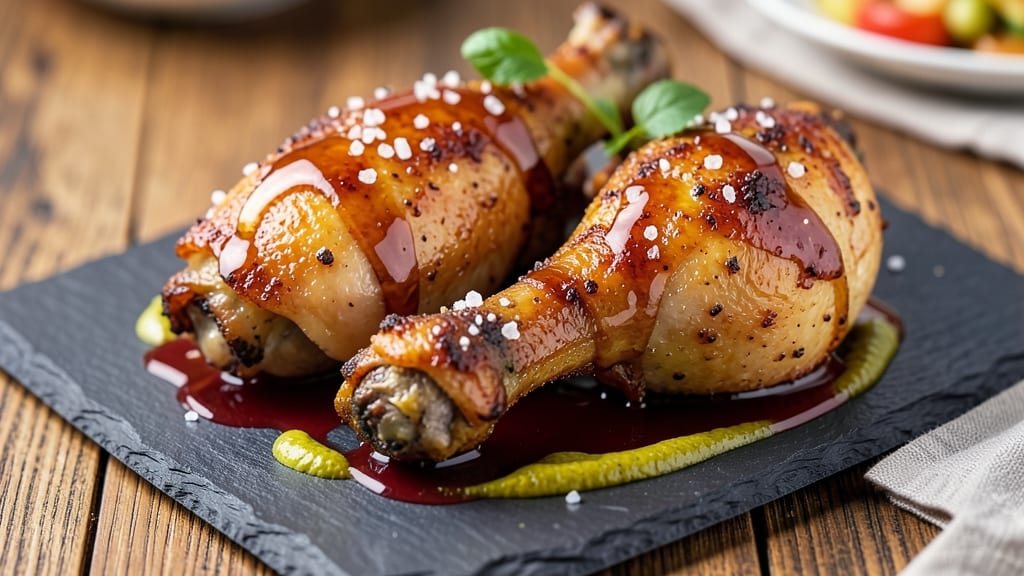
This baked whole chicken legs recipe delivers juicy, golden-crisp skin and tender meat every time—no dryness in sight. The secret lies in a honey-mustard glaze that seals in moisture while creating a sticky, caramelized crust.
I've perfected this method after years of testing, ensuring the legs stay succulent even when baked at high temperatures for crispy skin.
The technique is simple but effective: a dry brine overnight enhances flavor and texture, while the honey-mustard glaze adds sweetness and tang that balances the savory chicken. Baking at 425°F ensures crispy skin without overcooking the meat, and checking for an internal temperature of 165°F guarantees perfect doneness.
This method transforms a basic protein into a restaurant-worthy dish with minimal effort.
What you'll achieve is chicken legs with crispy, caramelized skin that shatters at every bite, paired with juicy, tender meat inside. The glaze adds a sticky-sweet contrast that elevates the dish beyond ordinary roasted chicken.
Serve with roasted vegetables or a fresh salad for a complete meal that feels special without requiring hours in the kitchen.
This recipe scales effortlessly for gatherings or meal prep, making it a versatile addition to your cooking repertoire. The glaze can be adjusted for heat preference, and leftovers reheat beautifully. Let's get started on creating chicken legs that will impress even the most critical eaters.
Ingredients for baked whole chicken legs
Four essential ingredients transform ordinary chicken legs into restaurant-worthy crispy perfection.
| Ingredient | Amount | Notes |
|---|---|---|
| Whole Chicken Legs (Thigh and Drumstick) 🍗 | 4 pieces | Bone-in, skin-on, 1.5-2 lbs total |
| Diamond Crystal Kosher Salt 🧂 | 1 ½ tbsp | For dry brining overnight |
| Extra-Virgin Olive Oil 🫒 | 1 tbsp | For patting dry after brining |
| Raw Honey 🍯 | ⅓ cup | Local or wildflower preferred |
| Dijon Mustard 🍯 | 2 tbsp | High-quality, smooth variety |
| Apple Cider Vinegar 🍎 | 1 tbsp | For glaze tanginess |
| Garlic Cloves 🧄 | 3 cloves | Minced for glaze |
| Fresh Thyme Leaves 🌿 | ¼ cup | Chopped, stems removed |
| Ground Black Pepper 🌶️ | ½ tsp | Freshly cracked |
| Cornstarch 🌾 | 1 tbsp | For glaze thickening |
| Unsalted Butter 🧈 | 1 tbsp | Cold, for basting |
The chicken legs are the foundation—look for pieces with thick, intact skin and minimal bruising. Local butchers or high-end grocery stores like Whole Foods carry superior quality, but the regular supermarket meat counter works fine if you choose pieces with good marbling. The skin should feel taut, not flabby, which indicates freshness. For best results, purchase legs the day you plan to brine them to ensure maximum crispiness. If your pieces vary in size, trim any excess fat to promote even cooking and prevent flare-ups in the oven.
The honey-mustard glaze is where magic happens. Local honey adds depth, but any raw honey works—just ensure it's real, not processed. For a tangier glaze, increase the apple cider vinegar slightly. Need a substitution? Swap Dijon mustard for whole-grain mustard (use 1 extra tbsp) or omit it entirely for a sweeter glaze. The cornstarch is crucial for thickening—it creates that signature caramelized crust. If you're short on time, blend the garlic, thyme, and vinegar into the honey first, then whisk in the mustard and cornstarch. For extra richness, add 1 tsp of Worcestershire sauce to the glaze (ensure it's vegetarian if needed).
The dry brine must stay on the chicken for at least 12 hours, ideally overnight in the fridge. Pat the legs dry thoroughly before baking—this prevents steam from interfering with crispiness. Leftover glaze keeps for 1 week refrigerated in an airtight container, and extra chicken legs can be frozen for 3 months (thaw overnight in the fridge). For meal prep, bake an extra batch—reheat glaze-covered legs at 350°F for 15-20 minutes until internal temp reaches 165°F. The skin will crisp up again beautifully.
Why You'll Love This Recipe
- I’ll be real: this works for everything. Toss a few on a sheet pan for a lazy Tuesday dinner, bring them to a picnic in foil packets, or double the batch for game day when you’re not in the mood to cook. The leftovers? Shred them into sandwiches or toss into salads—no one will guess they’re not fresh.
- No-Fuss Prep: Between us, this recipe is the kind of thing I save for days when I’ve got better things to do than stand over a stove. Just pat the skin dry, slather on olive oil and honey, sprinkle salt—no brining, no basting, no stress. The mustard glaze? Two minutes with a spoon.
- Crispy-Creamy Magic: Honestly, the contrast here is what makes it ridiculous good—the honey and mustard caramelize into a sticky glaze while the skin crisps to golden perfection. That crispy edge with the creamy, juicy thigh underneath? It’s the kind of bite that makes people pause mid-conversation.
- Weeknight to Potluck: I’ll be real: this works for everything. Toss a few on a sheet pan for a lazy Tuesday dinner, bring them to a picnic in foil packets, or double the batch for game day when you’re not in the mood to cook. The leftovers? Shred them into sandwiches or toss into salads—no one will guess they’re not fresh.
Step-by-step instructions for baked whole chicken legs with honey-mustard glaze
Here's how to achieve perfectly moist, flavorful chicken legs with a sticky-sweet glaze that locks in every drop of juices.
Dry Brine the Chicken Legs Overnight
Place the 4 pieces of whole chicken legs (thigh and drumstick) skin-side up in a single layer on a wire rack set over a baking sheet. Sprinkle the entire surface with the 1.5 tablespoons of diamond crystal kosher salt, pressing gently to adhere. The salt will penetrate deeply and create a flavorful crust while preventing the skin from drying out.
Cover loosely with plastic wrap and refrigerate for at least 12 hours, but ideally 24 hours. This dry brine method is what guarantees that moist result you're after—the salt breaks down proteins, allowing them to retain moisture during the long bake. The skin will also become crispy and golden without needing to baste constantly.
Prepare the Honey-Mustard Glaze
In a small saucepan, combine the 0.33 cup of raw honey, 2 tablespoons of Dijon mustard, 1 tablespoon of apple cider vinegar, 3 minced garlic cloves, and 0.25 cup of chopped fresh thyme leaves. Whisk over medium-low heat until the mixture reaches 160°F—just until it begins to thicken slightly but isn't boiling. Remove from heat and stir in the 0.5 teaspoon of ground black pepper.
While the glaze cools slightly, make a slurry by whisking the 1 tablespoon of cornstarch with 2 tablespoons of cold water. Slowly stir this into the warm glaze mixture until it reaches a thick, pourable consistency—it should coat the back of a spoon but still flow freely. This glaze will both flavor and baste the chicken, ensuring maximum moisture retention.
Bake the Chicken Legs to Golden Perfection
Preheat your oven to 375°F with a rack positioned in the lower third. Arrange the brined chicken legs on a parchment-lined baking sheet, skin-side up. Bake for 45 minutes, then brush each piece generously with half of the prepared glaze. Return to the oven and bake for another 30 minutes, brushing with the remaining glaze after 15 minutes of this second bake.
The skin should be deep golden brown with crispy edges, and the internal temperature should reach 165°F when measured in the thickest part of the thigh. If the glaze starts to caramelize too quickly, tent the baking sheet with foil for the last 10 minutes to prevent burning while still allowing the chicken to finish cooking.
Finish with Butter and Rest
Remove the chicken legs from the oven and transfer them to a warm serving platter. Cut the 1 tablespoon of cold unsalted butter into small pieces and place one on each leg. Let the butter melt slightly from the residual heat, allowing it to baste the chicken one final time.
Cover the chicken loosely with foil and let it rest for 10 minutes before serving. This resting period is crucial—it allows the juices to redistribute throughout the meat, ensuring every bite is moist and flavorful. The glaze will thicken slightly as it cools, creating that perfect sticky-sweet finish that complements the crispy skin.
Pro Tips For Making Baked Whole Chicken Legs
- CRANK THE HEAT FIRST: High heat for the first 10 minutes—425°F—gets the skin blistering and golden fast. I used to bake at 375°F and wondered why my legs always looked pale and took forever.
- SALT THE SKIN HARD: Pat the legs dry, then rub with 1 tablespoon Diamond Crystal salt per leg—press it in, don’t just sprinkle. The salt melts into the skin as it bakes, locking in flavor and moisture.
- DON’T BAKE TO 165°F: Pull them at 155°F—chicken legs stay juicier that way. Overcooking turns them dry, and honestly, at 155°F they’re still safe and way more tender.
- BRUSH WITH HONEY LATE: Wait until the last 15 minutes to glaze with honey and mustard—otherwise, it burns before the chicken cooks through. Two light coats work better than one thick one.
Perfect pairings for baked whole chicken legs
Classic Side Dishes
Roasted seasonal vegetables like carrots, Brussels sprouts, and sweet potatoes pair beautifully with the sticky-sweet glaze. Toss them in 1 tbsp olive oil, ½ tsp smoked paprika, and ¼ tsp salt, then roast at 400°F for 25-30 minutes until caramelized.
The earthy flavors contrast the chicken’s sweetness perfectly. 🥕
Fresh Salad Balance
A crisp arugula salad with pear slices, walnuts, and goat cheese cuts through the richness. Whisk 2 tbsp olive oil with 1 tbsp balsamic vinegar, 1 tsp honey, and a pinch of black pepper for dressing.
The peppery greens and creamy cheese balance the glaze’s tang. For extra crunch, add thinly sliced red onion.
Starch Pairings
Creamy mashed potatoes or fluffy herbed rice make hearty companions. For mashed potatoes, boil 2 lbs Yukon Gold potatoes until tender, then mash with ¼ cup butter, ½ cup warm milk, and 1 tsp garlic powder.
For rice, cook 1 cup jasmine rice with 2 cups chicken broth and finish with chopped parsley. Both soak up the glaze beautifully. 🍠
Bread for Soaking
Warm crusty sourdough or brioche rolls are perfect for mopping up extra glaze. Toast slices until golden, then serve with herb butter (mix ½ cup softened butter with 1 tbsp chopped chives and ½ tsp lemon zest).
The buttery bread contrasts the chicken’s crispy skin and sticky glaze. For a lighter option, try garlic naan.
Drink Pairings
A crisp white wine like Sauvignon Blanc or Pinot Grigio complements the honey-mustard flavors. For beer lovers, a honey ale or wheat beer enhances the glaze’s sweetness. Sparkling apple cider adds a refreshing contrast, especially for lighter meals. Avoid heavy reds—they’ll overpower the dish. 🍷
Garnish Upgrades
Finish the dish with fresh thyme sprigs or toasted sesame seeds for texture. A sprinkle of flaky sea salt (like Maldon) elevates the glaze’s flavor. For heat, add chopped jalapeños or a drizzle of sriracha honey. These small touches make the dish feel restaurant-worthy. ✨
Nutrition facts
Frequently asked questions
Can I use bone-in, skin-on chicken thighs instead of drumsticks?
This recipe works perfectly with thighs alone or a mix of thighs and drumsticks. Thighs have more fat, so they stay juicier during baking. If using only thighs, reduce the baking time by 5-10 minutes since they cook slightly faster than drumsticks. The honey-mustard glaze will still create that beautiful caramelized crust.
What if I don't have time for overnight brining?
No problem! For a quick version, pat the chicken dry and season with ½ tsp salt per piece plus ½ tsp black pepper. Let it sit uncovered in the fridge for 1-2 hours before baking. While not as flavorful as overnight brining, this still gives better results than no brining at all. The skin won't be quite as crispy, but the meat will stay juicy.
How do I prevent the glaze from burning in the oven?
Use the 10-minute foil tent trick if the glaze starts caramelizing too quickly. Simply cover the baking sheet with foil for the last 10 minutes of cooking to protect the glaze while allowing the chicken to finish cooking. Alternatively, reduce your oven temperature to 350°F for the last 15 minutes to let the glaze set without burning.
Can I make this recipe ahead of time?
Yes! Bake the chicken legs up to 2 days ahead and store them in an airtight container in the fridge. Reheat at 350°F for 15-20 minutes until the internal temperature reaches 165°F. The skin will crisp up again beautifully, and the glaze will reheat perfectly. For best results, reheat uncovered to allow moisture to evaporate and restore crispiness.
What's the best way to store leftovers?
Let the chicken cool completely, then store in an airtight container in the fridge for up to 4 days. For longer storage, freeze for up to 3 months. Thaw overnight in the fridge before reheating. To maintain crispiness, reheat in a 400°F oven for 10-15 minutes until heated through. The glaze may need a quick reheat in the microwave for 10-15 seconds to restore its stickiness.