
Main Courses
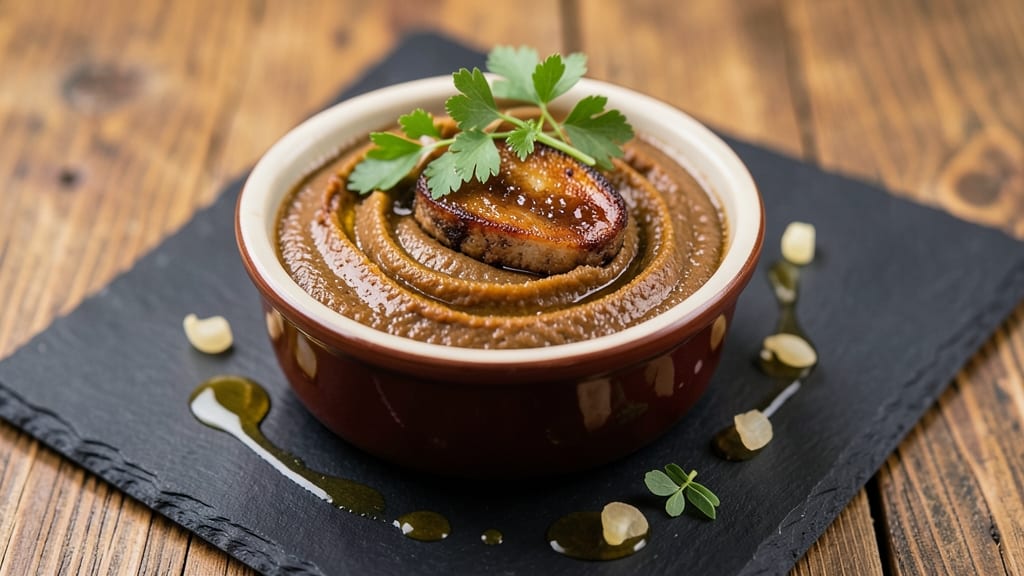
This Gordon Ramsay-inspired chicken liver pâté delivers the same luxurious texture and bold flavor he serves in his restaurants—silky smooth with a herbed crisp that elevates every bite.
The secret lies in rendering the fat properly and balancing liver with aromatic herbs, a technique that transforms this classic dish into something restaurant-worthy at home.
What sets this recipe apart is Ramsay’s precision: slow-cooked livers infused with shallots and thyme, then blended with rendered fat until velvety. The pâté develops depth as it chills, creating that signature firm-yet-smooth texture. A final touch of crispy fried shallots adds contrast, just like Ramsay’s signature garnishes.
By the time you serve it, you’ll have a pâté that’s rich, flavorful, and impossibly elegant—perfect for holiday gatherings or an impressive appetizer. The process is methodical but rewarding, ensuring professional results without shortcuts. Here’s how to master it step by step.
This recipe delivers restaurant-quality texture with simple techniques—no fancy equipment, just patience and attention to detail. The key is balancing fat and liver for a spread that’s both luxurious and approachable. Let’s get started on creating your own showstopping pâté.
Ingredients for chicken liver pate recipe gordon ramsay
Sixteen ingredients, one luxurious result—Gordon Ramsay’s signature pâté technique at home.
| Ingredient | Amount | Notes |
|---|---|---|
| Chicken Livers 🍗 | 1 ¼ lb | Fresh, trimmed of connective tissue |
| Unsalted Butter 🧈 | ¾ cup | Cold, cut into small cubes |
| Shallots 🧅 | ¾ cup | Finely chopped, about 6 medium |
| Fresh Thyme Leaves 🌿 | ½ cup | Stems removed, packed |
| Fresh Parsley Leaves 🌿 | ¼ cup | Finely chopped, packed |
| Extra-Virgin Olive Oil 🫒 | ½ tsp | For crisping shallots |
| Diamond Crystal Kosher Salt 🧂 | 1 tsp | For rendering butter |
| Freshly Ground Black Pepper 🌶️ | ½ tsp | Coarsely ground |
| Brandy 🍷 | 2 tbsp | High-proof, optional for depth |
| Heavy Cream 🥛 | ½ cup | Cold, for blending |
| Cognac 🍷 | 1 tbsp | For finishing, optional |
The chicken livers are non-negotiable—freshness is critical. Source them from a trusted butcher or high-end grocer like Whole Foods or D'Artagnan, where they’re cleaned and trimmed. Look for vibrant color and minimal marbling of fat. If using frozen, thaw overnight in the fridge—never under running water, which can turn them mushy. The butter should be cold and unsalted (like Plugrá or Land O’Lakes) to render cleanly without excess moisture. Shallots? French green shallots from specialty markets add subtle sweetness, but regular yellow shallots work in a pinch.
No brandy? Dry sherry or apple cider vinegar adds depth without alcohol’s bite. Fresh herbs can’t be substituted—dried thyme and parsley lose their aromatic punch. For crispy shallots, Trader Joe’s frozen shallots save time, but fresh fried shallots deliver that signature crunch. The heavy cream must be cold to prevent premature emulsification. If you’re avoiding alcohol entirely, double the shallots and thyme to compensate. The pâté’s texture relies on precise fat-to-liver ratio—don’t skimp on butter, even if it seems excessive.
Rendered butter keeps for 1 week refrigerated in an airtight jar, while the finished pâté holds 5 days in the fridge or 3 months frozen. For serving, chill the pâté until firm—at least 4 hours—then garnish with crispy shallots. Portion into ramekins before chilling for elegant presentation. The herbed crisp topping can be made ahead and reheated at 350°F for 5 minutes to restore crunch.
Why You'll Love This Recipe
- No Fuss, High Reward: I swear by this—just sear the livers in butter until they’re golden, then blend with shallots and herbs. No fancy techniques, just a food processor and 15 minutes of hands-off time.
- Rich Without Trying: That buttery shallot base with thyme and parsley? It’s like a hug for your taste buds. The livers stay tender but develop this crispy edge—exactly how I like my pate.
- Party or Pantry: Spread it on crusty bread for a fancy appetizer, or slather it on toast for a lazy breakfast. Honestly, I’ve even used it to jazz up charcuterie boards when I’m too tired to cook.
- Budget Luxury: Chicken livers are dirt cheap, but they taste like you spent hours in the kitchen. A pound feeds four, and leftovers? I freeze portions and call them "fancy liver bites" at work lunches.
Step-by-step instructions for chicken liver pâté
Mastering this technique delivers velvety texture and rich flavor—here's how to execute it precisely.
Prepare and Render the Chicken Livers
Trim any connective tissue from the 1.25 lb chicken livers and pat them completely dry with paper towels. This step is crucial—any moisture will prevent proper browning. In a cold skillet, add the 0.75 cup unsalted butter cut into small cubes and place over medium-low heat. Allow the butter to melt completely, then add the livers in a single layer. Cook undisturbed for 3-4 minutes until the undersides develop a golden crust.
Flip the livers carefully and continue cooking for another 3-4 minutes. They should be cooked through but still retain a slight pink center—overcooking will make the pâté dry. Remove the livers from the skillet and set aside. Reserve the rendered butter and any browned bits in the pan for later use.
Sauté the Shallots and Herbs
In the same skillet, add 0.5 tsp extra-virgin olive oil and return it to medium heat. Add the 0.75 cup finely chopped shallots and cook for 5-6 minutes, stirring occasionally, until they soften and turn golden brown. This caramelization builds deep flavor. Add the 0.5 cup fresh thyme leaves and 0.25 cup fresh parsley leaves, stirring for 30 seconds until fragrant.
Remove the skillet from heat and transfer the shallot-herb mixture to a food processor. Add the cooked chicken livers and pulse until finely chopped but not pureed. The texture should resemble coarse ground meat. This stage ensures even distribution of flavors throughout the pâté.
Blend with Cold Butter and Cream
Return the food processor bowl to the counter and add the 0.5 cup cold heavy cream and the reserved rendered butter (including browned bits). Pulse the mixture until completely smooth, scraping down the sides as needed. The cold cream helps emulsify the mixture, creating that signature silky texture. If the mixture appears too thick, add 1-2 tablespoons of water to achieve a spreadable consistency.
Season with 1 tsp diamond crystal kosher salt and 0.5 tsp freshly ground black pepper. Taste and adjust seasoning—this is your final chance to balance flavors before the pâté sets. The mixture should be rich, slightly herby, and well-seasoned.
Finish with Brandy and Cognac
Transfer the pâté mixture to a saucepan and place over low heat. Stir in the 2 tbsp brandy and 1 tbsp cognac, allowing the alcohol to simmer off for 2-3 minutes. This step deepens the flavor profile with a subtle warmth. Remove from heat immediately—any longer cooking will break the emulsion and make the pâté grainy.
Pour the pâté into a buttered ramekin or loaf pan and smooth the top with a spatula. Chill in the refrigerator for at least 4 hours, or until completely set. The cold temperature allows the flavors to meld and the texture to firm up. Serve with herbed toast or crusty bread for the ultimate pairing.
Pro Tips For Making Chicken Liver Pate Recipe Gordon Ramsay
- Trim the Livers Right: Cut off the fibrous ends and any connective tissue—those little white strands ruin the texture. I learned this the hard way after blending a batch with chewy bits that made the pâté feel like eating rubber.
- Sear in Batches: Don’t crowd the pan—high heat needs space. I used to dump all the livers in at once, and they’d steam instead of develop that golden crust. Two minutes per side, max, with a little room to breathe.
- Sweat Shallots Low: Shallots should melt into the butter, not brown. Too much heat turns them bitter, and you’ll taste it in every bite. Keep the heat at a simmer, and stir often—this isn’t the time to rush.
- Blend Cold, Not Hot: Let the cooked livers cool slightly before blending—hot butter and liver mix makes the machine fight you. I now chill the mixture for 5 minutes first, and the texture comes out silky, not greasy.
Pro cooking tips for great chicken liver pate recipe gordon ramsay
Fat Rendering Precision
Ramsay’s secret starts with rendering the butter at medium-low heat—never high, or it burns before the livers brown. I use a 10-inch cast-iron skillet for even heat distribution. Let the butter melt completely before adding livers, then cook them undisturbed for 3-4 minutes per side.
The goal is a golden crust on the outside while keeping the center slightly pink (overcooking dries out the pâté). Reserve every drop of rendered butter—it’s the fat that creates that luxurious texture. 🔥
Herb Infusion Technique
Caramelizing the shallots for 5-6 minutes until golden unlocks deep sweetness—this is non-negotiable. I add fresh thyme and parsley only at the end to preserve their bright aromatics.
Pulse them in the food processor with the livers until coarse but not pureed—this ensures even flavor distribution without turning the pâté mushy. Ramsay often skips dried herbs entirely; fresh is the only way to go. ✨
Emulsion Control
The cold heavy cream is your emulsifier—add it last to the food processor while pulsing. If the mixture looks too thick, add 1 tablespoon water at a time until it reaches a spreadable consistency.
Overmixing breaks the emulsion, so pulse just until smooth. I’ve ruined pâté by blending too long—trust your eye, not the timer. The final texture should be silky yet firm, like a rich custard. 💫
Alcohol Integration
Simmer the brandy and cognac for exactly 2-3 minutes—any longer and the alcohol burns off completely, leaving no flavor. This step adds subtle warmth that elevates the dish. If you’re avoiding alcohol, replace with 2 tablespoons apple cider vinegar (reduce by half) or extra shallots.
The key is balance—too much alcohol overpowers; too little leaves the pâté flat. 🍷
Chilling for Perfection
Never serve pâté straight from the fridge—it needs at least 4 hours to set properly. I use buttered ramekins for elegant presentation and place them in the fridge uncovered for the first hour to prevent a skin from forming.
The texture should be firm yet creamy, not rubbery. For extra shine, brush the top with a little olive oil before serving. Patience here makes all the difference. ⏰
Garnish Like a Pro
Ramsay’s signature touch is crispy fried shallots—fry them in olive oil at 350°F for 3-4 minutes until golden and crisp. Sprinkle them over the pâté just before serving for contrast and crunch.
A sprinkle of fresh parsley adds color, while a drizzle of cognac reduction (simmer 1 tbsp cognac until syrupy) takes it to restaurant level. Garnishes should enhance, not overpower—the pâté’s flavor should shine. 🌟
Nutrition facts
Frequently asked questions
Can I substitute chicken livers with another type of offal?
While chicken livers are ideal for this recipe, you can use duck livers for a richer, more decadent flavor. Just reduce the cooking time slightly since duck livers cook faster. Avoid pork livers—they have a stronger taste that may overpower the delicate herb notes. If substituting, reduce the butter by 1/4 cup to maintain the proper fat balance.
Why does my pâté turn out grainy instead of smooth?
Graininess usually happens from overcooking the livers or overmixing the final blend. Cook livers until just pink in the center (3-4 minutes per side), and pulse the food processor only until smooth—not pureed. Chill the pâté uncovered for the first hour to prevent skin formation. If it's still grainy, blend again briefly with 1 tablespoon cold cream.
How long can I store this pâté, and can I freeze it?
This pâté stays fresh for 5 days refrigerated in an airtight container. For freezing, portion into ramekins, wrap tightly with plastic, and store for up to 3 months. Thaw overnight in the fridge—never at room temperature. The texture may soften slightly after freezing, but reheating at 350°F for 10 minutes restores firmness.
What’s the best way to serve this pâté?
Gordon Ramsay serves this pâté with crusty baguette slices or herbed toast for dipping. For an elegant presentation, arrange dollops on a platter with crispy fried shallots and a drizzle of cognac reduction. Pair with a crisp white wine like Sauvignon Blanc or a dry sparkling wine to cut through the richness. Serve chilled for the perfect texture.
Can I make this pâté ahead of time?
This is one of those dishes that tastes even better the next day. Prepare the pâté up to 2 days ahead and store it in the fridge. The flavors deepen as it rests, and the texture firms up beautifully. Just garnish with crispy shallots right before serving to maintain their crunch.